
- 2026年4月8日
- 2026年5月25日
Changes in Your Face and Body When Your Liver is Bad! Don’t Miss the Signs of “Liver Fatigue”! A List of Early Symptoms
“I just can’t seem to get rid of my fatigue lately…”
“Someone told me I look pale, but is it just my imagination?”
Do you ever feel this way? It might be a sign coming from your “liver fatigue.”
The liver is also called the “silent organ,” and even if there is a problem, symptoms rarely appear in the early stages. That is exactly why it is extremely important to notice minor changes and signs of “liver fatigue” early and take action.
In this blog, we will list the changes in the face and body that appear when your liver goes bad, especially the early symptoms we don’t want you to miss. We will also explain their causes and countermeasures in an easy-to-understand manner. Please use this as an opportunity to check your own health.
■ Is Your Liver Tired? Understanding “Liver Fatigue”
What kind of state is “liver fatigue”?
- Imagine a state where the liver cannot fully perform its original functions, its performance has declined, or a heavy burden is placed on it.
The liver is the body’s “chemical factory”! A review of its main functions:
- Metabolic function: Converts nutrients into energy.
- Detoxification: Detoxifies alcohol, drugs, waste products, etc.
- Energy storage: Stores glucose and supplies it as needed.
- Bile production: Produces bile that helps digest and absorb fats.
When these important functions are delayed due to “liver fatigue,” various disorders begin to appear in the body.
■ List of Early Symptoms: Do Not Miss Them! Signs of a Bad Liver, Checking Changes in the Face and Body
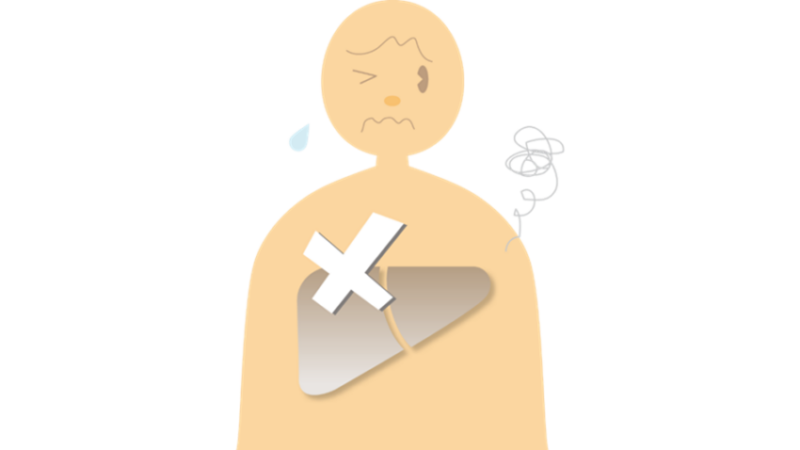
As “liver fatigue” progresses, various signs appear in the body. We have listed changes that can be seen even in the early stages. Check to see if any apply to you.
Signs that tend to appear throughout the body:
[ ] Feeling sluggish for no reason, chronic fatigue (general malaise)
[ ] Fatigue doesn’t go away even after getting enough sleep
[ ] Loss of appetite, or a change in food preferences (especially not craving greasy foods)
[ ] Increased feelings of stomach heaviness, nausea, or indigestion
[ ] Inability to concentrate, foggy head
Signs that tend to appear on the face:
[ ] Skin and whites of the eyes look yellowish (jaundice)
[ ] Pointed out that your complexion is worse than before, dull, or Dull or grayish complexion
[ ] Eyes get tired easily, blurry vision, worsening of dry eyes
[ ] Spider angioma appear on the tip of the nose or cheeks (spider angioma)
Signs that tend to appear on the body:
[ ] Itchy skin all over the body (especially when there is no apparent cause)
[ ] Unnaturally red palms (palmar erythema)
[ ] Legs and face swell easily
[ ] Feeling of a bloated stomach (occurs when ascites fluid accumulates)
[ ] Urine color has darkened (brownish, foams easily)
[ ] Bruise easily, nosebleeds or bleeding from gums are hard to stop
[ ] Lower alcohol tolerance, or alcohol no longer tastes good
[ ] Feeling heaviness or a dull pain below the right ribs (upper right abdomen)
(Note) These symptoms can also occur due to causes other than the liver. However, if multiple items apply or concerning symptoms continue, it is important to consult a specialist.
■ Why Does the Liver Get Tired? Main Causes and Risk Factors
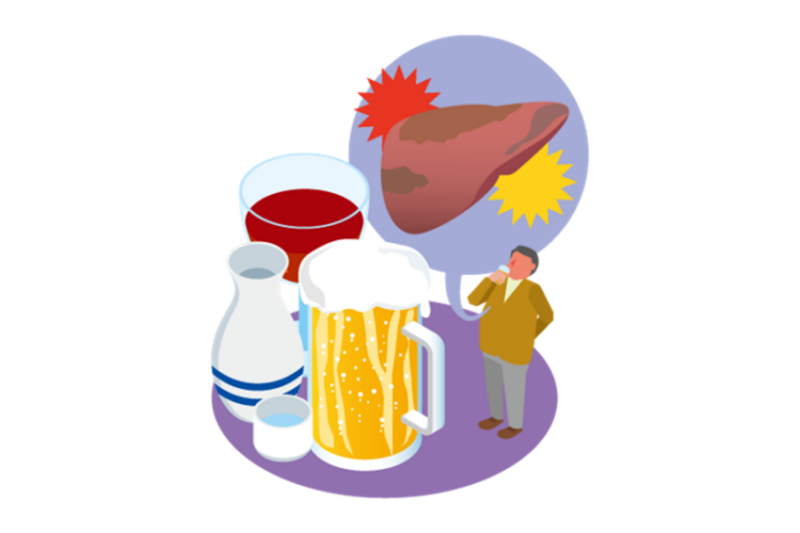
Let’s learn the main causes that trigger “liver fatigue” and disorders.
- Excessive alcohol consumption: The liver cannot keep up with alcohol breakdown, and the burden accumulates.
- Overeating, unbalanced diet, obesity: Causes of fatty liver and NASH (non-alcoholic steatohepatitis).
- Viral infections: Hepatitis B virus, Hepatitis C virus, etc.
- Drug-induced liver injury: Liver damage appears as a side effect when medications or supplements do not agree with your body.
- Autoimmune abnormalities: Your own immune cells attack the liver (autoimmune hepatitis, etc.).
- Disrupted lifestyle habits: Lack of exercise, lack of sleep, excessive stress.
■ Leaving It Untreated is Dangerous! When “Liver Fatigue” Progresses… Typical Liver Diseases
If you miss the early signs and leave “liver fatigue” untreated, it can progress to serious diseases.
- Fatty liver / Non-alcoholic steatohepatitis (NASH): Excessive fat accumulates in the liver. NASH can progress to cirrhosis or liver cancer.
- Alcoholic liver disease: Fatty liver, hepatitis, and cirrhosis caused by excessive drinking.
- Viral hepatitis: Liver inflammation caused by a viral infection. If it becomes chronic, there is a risk of cirrhosis and liver cancer.
- Liver cirrhosis: The liver becomes hard, and its function significantly declines. It causes various complications.
- Liver failure: A state where liver function is almost entirely lost. It is life-threatening.
- Liver cancer: Often develops from liver cirrhosis.
■ What to Do If You Notice the Signs? Countermeasures to “Care for Your Liver” You Can Start Today

(1) “Defensive Liver Care” to review lifestyle habits
- Nutritional and Dietary Guidance Based on Medical Evidence: Before relying on supplements, the fundamental approach is to obtain the nutrients necessary for liver repair from your daily diet. For example, “taurine,” which is found in seafood and shellfish such as squid and octopus, is an important component that supports the improvement of liver function.
The director of our clinic has reported in an international medical journal that serum taurine levels are deeply associated with the improvement of therapeutic effects in the study of hepatic encephalopathy, a serious complication of liver cirrhosis. (Source: Hepatol Res 2016; 46(2): 215-224)
Based on this specialized knowledge, in addition to being mindful of taurine intake, it is also important to adopt the “veggie-first” approach (eating vegetables first) and to consciously consume about 20g of high-quality protein (such as chicken breast and soy products) per meal. At our clinic, we provide nutritional guidance based on scientific evidence tailored to each patient’s condition.
- Appropriate drinking: Set rest days for the liver and do not drink too much. Adhere to moderate amounts (e.g., about one medium bottle of beer).
- High-quality sleep: Get enough sleep for the liver’s repair and regeneration.
- Moderate exercise: Burn fat and maintain muscle strength with aerobic exercises like walking.
- Do not accumulate stress: Find your own way to refresh yourself.
(2) “Proactive Liver Care” supported by self-care (When you are feeling well, within a reasonable range)
- Liver massage / warming: Gently massage the lower right ribs or warm the area with a hot pack.
- Hand reflexology care: Gently stimulate a specific area on the palm of the right hand.
(3) The most important thing is “Consulting a specialist”
The liver is an organ where symptoms are unlikely to appear. If you have “multiple early symptoms,” “symptoms persist,” or “were pointed out to have liver function abnormalities at a health checkup,” do not self-diagnose, but consult a specialist. Early detection and early treatment are crucial.
■ Main Tests at a Hepatology Department
- Blood tests: Check liver damage and function levels numerically.
- Abdominal ultrasound (echo) examination: Directly visually confirm the shape of the liver, fat accumulation, and any abnormalities. It is painless.
Blood test checkpoints (main items)
We assess the liver’s condition with these values.
- ALT (GPT), AST (GOT): Values rise when liver cells are broken (a sign of liver inflammation).
- Gamma-GTP (y-GTP): Values rise due to alcohol, medications, or abnormalities in the biliary tract (the path of bile).
- Albumin (Alb): A protein made in the liver. Low values suggest decreased liver function or malnutrition.
- Total Bilirubin (T-Bil): A breakdown product of old red blood cells. High values cause jaundice, suggesting a decline in the liver’s processing ability or stagnation of bile flow.
Note: Test results are evaluated comprehensively by a doctor. Do not self-diagnose, and be sure to receive an explanation from a doctor.
■ Conclusion
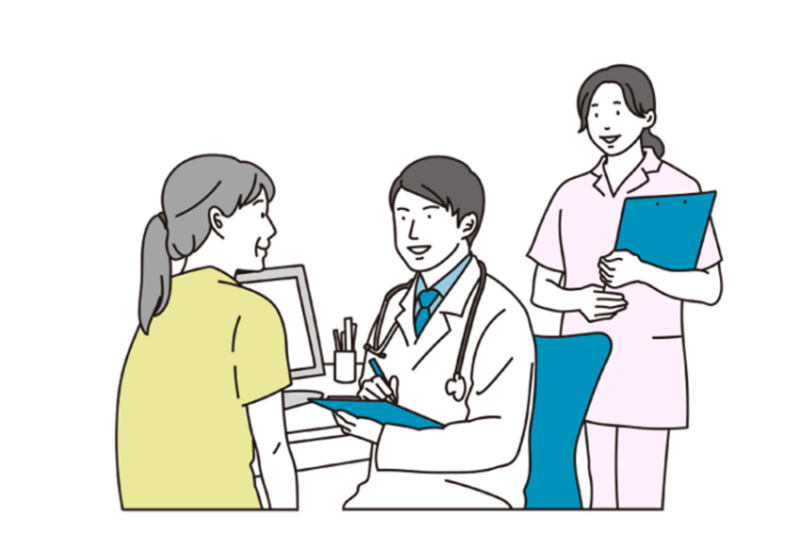
The liver is an important organ that supports our health. Noticing signs of “liver fatigue” and changes in the face and body early on, and taking appropriate care or consulting a medical institution, is the first step to preventing serious liver diseases. Don’t forget to undergo regular health checkups to understand the condition of your own liver. If you have any concerning symptoms or anxieties, please consult a specialist without making your own judgments.
At Saito Clinic of Internal Medicine, the director, Masaya Saito, who is a liver disease specialist, provides specialized examinations and treatments regarding the liver. We are also engaged in the research and clinical application of regenerative medicine using stem cells as a new treatment option for advanced liver diseases. If you have any concerns about your liver, please feel free to consult us.
さいとう内科クリニック
院長:斉藤 雅也 Masaya Saito
- 日本内科学会認定医
- 日本肝臓学会専門医
- 日本消化器病学会専門医
- 日本超音波医学会専門医
- 日本消化器内視鏡学会専門医
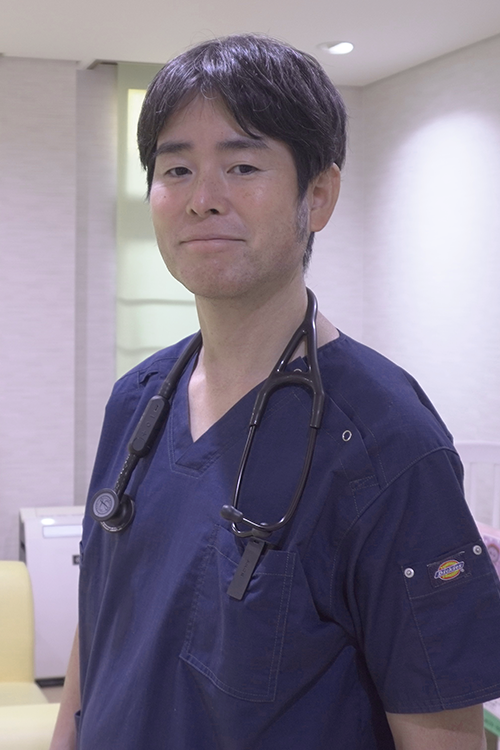
神戸大学医学部附属病院等の最前線で長年消化器・肝臓内科の臨床と研究に従事。医学博士。 標準治療では回復が困難な進行した肝炎や肝硬変に対し、新たな選択肢としての「肝臓再生医療」にいち早く取り組む。また、肝硬変患者さまの中で合併症(潜在性肝性脳症)を有する割合を明らかにし、カルニチンによる潜在性肝性脳症の治療効果を世界で初めて報告するなど、国際的な英文医学誌への論文掲載実績も多数(代表論文:Hepatol Res 2016; 46(2): 215-224)。科学的根拠に基づいた高度な専門知識と精緻な診断で、患者様の肝臓を守るサポートを行っています。
≫ 詳しい経歴や全研究実績はこちら
- 院長
- 斉藤雅也 Masaya Saito
日本肝臓学会 肝臓病専門医 Hepatologist, The Japan Society of Hepatology - 所在地
- 〒651-2412
兵庫県神戸市西区竜が岡1-15-3
(駐車場18台あり) - 電話
-
- 電話:078-967-0019
- 携帯電話:080-7097-5109
- アクセス
- 当院は、神戸市西区と明石市の境界付近に位置しており、明石市からも徒歩圏内です。実際に、明石市方面からも多くの患者様(肝臓病・一般内科)にご来院いただいております。駐車場も完備しておりますので、お車での通院も便利です。