
- 2026年4月8日
- 2026年7月14日
What is the Normal Range for ALT? Explaining the Causes of High Levels and Countermeasures to Lower Them

Have you ever paid attention to the item “ALT” in your Medical screening / Blood test results? Along with AST (GOT) and γ-GTP, ALT is known as a “Liver enzyme levels / Liver markers,” but few people may correctly understand what it means and what to consider when the number is high. The liver is called the “silent organ,” and it has the characteristic of rarely showing subjective symptoms even when there is an abnormality. Therefore, a blood test during a health checkup is a very important clue to knowing the condition of the liver.
In this article, focusing on ALT, a representative item of liver function tests, we will explain in detail what the number means, when it fluctuates, how to interpret the test results, and what countermeasures can be taken if it becomes high.
■ What is ALT (GPT)? A Barometer Indicating Liver Cell Damage
ALT (alanine aminotransferase, formerly GPT) is an enzyme primarily found in abundance inside liver cells. When liver cells are damaged and destroyed for some reason, this enzyme leaks into the blood. Therefore, the higher the ALT level in the blood, the more liver cells are destroyed, which means the liver is considered to be damaged. If the ALT level is elevated, it is almost certainly presumed that there is a problem with the liver or bile ducts.
■ Standard Values of the Japan Society of Ningen Dock and the Meaning of the Numbers
The standard values of the Japan Society of Ningen Dock and what those numbers mean are as follows:
- 30 U/L or less: Normal range.
- 51 U/L or more: Considered “abnormal” and requires caution.
- 100 U/L or less: Depending on the doctor, it is often handled with observation or lifestyle guidance such as dietary and alcohol restrictions, but there is a strong possibility that a burden is placed on the liver.
- Over 100 U/L: Liver diseases such as chronic hepatitis and fatty liver are strongly suspected. In particular, if AST is higher than ALT, the possibility of alcoholic hepatitis is also considered.
- Over 300 U/L: A dangerous state with a high possibility of requiring hospitalization.
- Over 500 U/L: Strong possibility of acute hepatitis, a very dangerous state. At this level, in many cases, subjective symptoms will appear, and you would likely be visiting a medical institution without waiting for the checkup results.
It is strictly forbidden to easily think, “It’s fine if it’s under 100,” as it is considered a potential sign that your liver is crying out for help.
■ Main Causes of High ALT
The causes of high ALT levels are diverse. The main causes are as follows:
- Viral hepatitis: Hepatitis B, Hepatitis C, Hepatitis A, Hepatitis E, etc. If Hepatitis B or C becomes chronic, the risk of liver cirrhosis and liver cancer increases.
- Fatty liver / Steatohepatitis (NASH): There is alcoholic fatty liver caused by excessive drinking, and non-alcoholic fatty liver disease (NAFLD), which occurs even in people who do not drink. Some cases of NAFLD progress to non-alcoholic steatohepatitis (NASH), which is accompanied by severe inflammation and fibrosis of the liver, and can progress to liver cirrhosis.
- Alcoholic liver disease: Long-term excessive alcohol intake damages liver cells and can progress to alcoholic liver cirrhosis.
- Drug-induced liver injury: Liver damage can be caused by certain medicines, herbal medicines, health foods, supplements, etc.
- Autoimmune liver disease: A disease in which your own immunity attacks the liver, such as autoimmune hepatitis. If your immunity continues to attack the liver over a long period, it can progress to liver cirrhosis.
- Temporary rise due to intense muscle training: When muscles are damaged by intense exercise, AST and ALT may rise temporarily. However, it is important to consult a specialist without making your own judgment.
- Liver cirrhosis / Liver cancer: The numbers also rise in liver cirrhosis, where the liver hardens due to chronic damage, and in liver cancer.
■ Countermeasures and Treatments to Lower ALT
If your ALT level is high, it is extremely important for protecting your liver health to take appropriate countermeasures without leaving it untreated.
1.Consultation with a Liver Disease Specialist and Accurate Diagnosis
Do not self-diagnose by thinking “I’m fine because I have no symptoms” or “It’s probably because of alcohol.” Be sure to visit a medical institution (gastroenterology, hepatology, etc.). It is essential to identify the true cause of the elevated numbers through detailed testing. The director of Saito Clinic of Internal Medicine is a specialist in gastroenterology, a specialist in liver diseases, and an ultrasound specialist, allowing for a precise diagnosis of the liver’s condition.
2.Reviewing Lifestyle Habits
Nutritional and Dietary Guidance Based on Medical Evidence: Before relying on supplements, the fundamental approach is to obtain the nutrients necessary for liver repair from your daily diet.
Incorporate “Taurine”: “Taurine,” which is found in seafood and shellfish such as squid and octopus, is an important component that supports the improvement of liver function. The director of our clinic has reported in an international medical journal that serum taurine levels are deeply associated with the improvement of therapeutic effects in the study of hepatic encephalopathy, a serious complication of liver cirrhosis.
Source:
Hepatol Res 2016; 46(2): 215-224
Consume high-quality protein: Consciously consume about 20g of high-quality protein (such as chicken breast and soy products) per meal to support liver repair.
Adopt the “veggie-first” approach: Actively consume dietary fiber from vegetables, mushrooms, and seaweed by eating them first. This moderates the absorption of carbohydrates.
Be careful of overconsuming carbohydrates and lipids: Restrict sweet snacks, juices, sweet breads, etc.
Avoid eating late at night: Meals before bedtime are easily stored as fat, so finish dinner early and chew well to prevent overeating.
Based on this specialized knowledge, at our clinic, we provide nutritional guidance based on scientific evidence tailored to each patient’s condition.
Exercise therapy:
- Aerobic exercise: Start with brisk walking that makes you sweat slightly for about 30 minutes a day, about 3 times a week. Instead of pushing yourself too hard with the mindset of “I’m going to exercise now,” try to incorporate it into your daily life as much as possible so you can continue it long-term.
- Muscle training: Increase muscle mass to raise basal metabolism and aim for a body that burns fat easily. About 10 minutes a day is fine. You can even do it in short bursts while watching TV during commercial breaks.
Reviewing drinking habits:
In the case of alcoholic liver disease, complete abstinence is essential. Even if you do drink, reduce the amount and set aside at least 2 rest days a week.
Appropriate weight management:
If you are obese, aim for weight loss at a reasonable pace.
Stress management and sufficient rest:
Sufficient sleep is essential for the repair and regeneration of the liver. The blood flow to the liver increases by 1.5 times when lying down compared to standing or sitting, which leads to liver repair and regeneration.
■ A New Option: Liver Regenerative Medicine
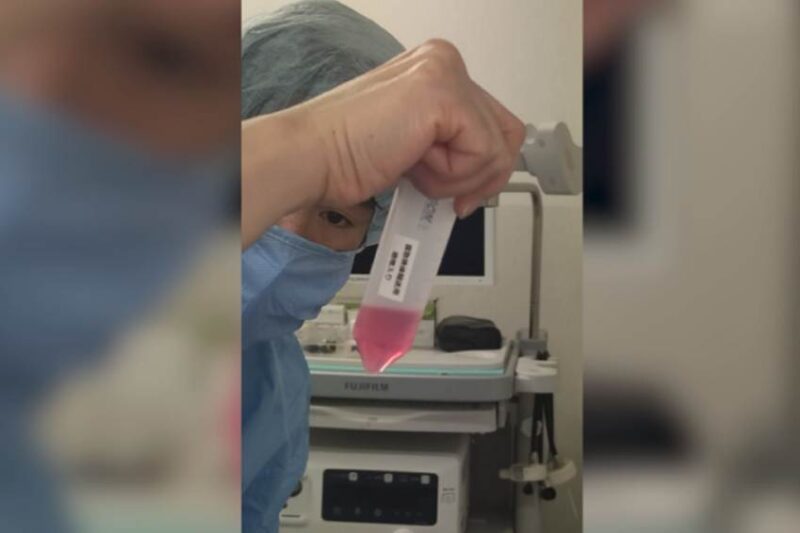
Even for liver cirrhosis, where improvement was difficult with conventional treatments, and when liver fibrosis is progressing, regenerative medicine has the potential to become a new hope.
Stem cell therapy involves culturing stem cells collected from the patient’s own buttock fat and returning them to the body via an IV drip. It is expected to suppress liver inflammation and inhibit or improve the progression of fibrosis. This is expected to improve numbers such as ALT, reduce fatigue, decrease ascites, and improve QOL (Quality of Life).
Saito Clinic of Internal Medicine provides liver regenerative medicine using autologous adipose-derived stem cells as a self-pay medical treatment. Because this treatment uses the patient’s own cells, it has the advantage of a low risk of rejection.
■ In Order Not to Miss the Liver’s SOS

The liver is a “silent organ” that does not send concrete signs until a disease has progressed considerably. Vague symptoms such as “I get tired easily lately” or “My body feels sluggish” might actually be an important message from your liver.
The optimal time to consider liver regenerative medicine is before the symptoms of liver cirrhosis become severe. This is because once severe liver failure occurs, treatment options are limited, and the physical burden on the patient may become significant.
Before your liver reaches its limit, why not take a step towards the future? At Saito Clinic of Internal Medicine, we also accept preliminary consultations online, so please feel free to consult us.
さいとう内科クリニック
院長:斉藤 雅也 Masaya Saito
- 日本内科学会認定医
- 日本肝臓学会専門医
- 日本消化器病学会専門医
- 日本超音波医学会専門医
- 日本消化器内視鏡学会専門医

神戸大学医学部附属病院等の最前線で長年消化器・肝臓内科の臨床と研究に従事。医学博士。 標準治療では回復が困難な進行した肝炎や肝硬変に対し、新たな選択肢としての「肝臓再生医療」にいち早く取り組む。また、肝硬変患者さまの中で合併症(潜在性肝性脳症)を有する割合を明らかにし、カルニチンによる潜在性肝性脳症の治療効果を世界で初めて報告するなど、国際的な英文医学誌への論文掲載実績も多数(代表論文:Hepatol Res 2016; 46(2): 215-224)。科学的根拠に基づいた高度な専門知識と精緻な診断で、患者様の肝臓を守るサポートを行っています。
≫ 詳しい経歴や全研究実績はこちら
- 院長
- 斉藤雅也 Masaya Saito
日本肝臓学会 肝臓病専門医 Hepatologist, The Japan Society of Hepatology - 所在地
- 〒651-2412
兵庫県神戸市西区竜が岡1-15-3
(駐車場18台あり) - 電話
-
- 電話:078-967-0019
- 携帯電話:080-7097-5109
- アクセス
- 当院は、神戸市西区と明石市の境界付近に位置しており、明石市からも徒歩圏内です。実際に、明石市方面からも多くの患者様(肝臓病・一般内科)にご来院いただいております。駐車場も完備しておりますので、お車での通院も便利です。