
- 2026年4月8日
- 2026年7月14日
What are the end-stage symptoms of liver cirrhosis? A doctor explains life expectancy and treatments

“My abdomen is swollen with fluid and it’s painful.” “My hands and feet are extremely swollen.” “I find myself feeling dazed more often.” “My body feels heavy and exhausted.” “My skin and eyes have turned yellow.”
If you or your precious family members are suffering from these symptoms, how anxious your days must be? And you might be feeling a sense of despair, wondering, “Is there really nothing more that can be done?”. The liver is known as a “silent organ” because it characteristically does not show specific signs until the disease has progressed significantly. Therefore, it is not uncommon for the condition to have already progressed to a serious stage by the time someone feels unwell and visits a medical institution. In this article, from a specialist’s perspective, we will explain what the end-stage symptoms of liver cirrhosis are, how to face the concept of “life expectancy,” and what treatment options are available.
■Progression of liver cirrhosis and “decompensated liver cirrhosis”
Liver cirrhosis refers to a condition where, due to long-term inflammation and damage to the liver, normal liver cells are destroyed and replaced by the proliferation of hard fibrous tissue, causing the entire liver to harden. Initially, the liver’s function is somewhat preserved, which is known as “compensated liver cirrhosis,” but as the disease progresses further and the remaining liver cells can no longer maintain liver function, it becomes a state called “decompensated liver cirrhosis”. At this stage, serious symptoms that directly threaten life appear one after another, greatly affecting daily life.
■Severe complications appearing in the end stage
The main severe complications that appear in the end stage of liver cirrhosis are as follows:
- Jaundice: Because liver function declines and it can no longer properly process and excrete a yellow pigment called bilirubin, the skin and the whites of the eyes turn yellowish. Urine may also turn dark brown.
- Ascites and lower limb edema (swelling): Due to a decline in liver function, the synthesis of albumin (a protein that maintains fluid balance in the blood) decreases, and as the liver hardens, blood flow worsens (portal hypertension), leading to fluid accumulation in the abdomen (ascites) and swelling in the legs. Ascites compresses internal organs, causing loss of appetite, nausea, shortness of breath, and difficulty breathing, which significantly lowers the patient’s QOL (Quality of Life).
- Hepatic encephalopathy: Harmful substances like ammonia, which should be detoxified by the liver, increase in the blood and reach the brain, impairing brain function. Symptoms include personality changes, severe daytime sleepiness, and “flapping tremor.” Our research has shown that nutritional status, specifically taurine levels, play a critical role in managing this complication.
- Rupture of esophageal and gastric varices: When the liver hardens due to cirrhosis, blood heading to the liver bypasses to other routes (veins in the esophagus or stomach), causing the blood vessels to bulge like bumps (varices). Since the walls of these varices are thin, they rupture easily, and a rupture can cause sudden massive vomiting of blood or black stools (tarry stools), which is a life-threatening, extremely dangerous condition requiring emergency treatment.
- General malaise and fatigue: Because the liver’s metabolic function declines and it cannot produce enough energy, the body constantly feels heavy and easily fatigued. Symptoms such as not feeling rested even after getting enough sleep or feeling sluggish for no reason might be signs of declined liver function.
- Bleeding tendency and bruising: The liver produces coagulation factors that clot the blood, so when liver function declines, blood becomes harder to clot. As a result, you might get bruises without remembering hitting anything, or experience nosebleeds or bleeding from the gums that is hard to stop.
■How to face “life expectancy”
The “life expectancy” given by a doctor is generally a statistical prediction based on factors like the “Child-Pugh classification,” which indicates the functional state of the liver, and the “MELD score,” which determines the need for a liver transplant. However, “life expectancy” is merely a statistical prediction and is not an absolute determinant of an individual patient’s future. Through subsequent improvements in lifestyle habits, a proactive approach to treatment, and above all, the patient’s own “will to live,” the future can change significantly.
■Main treatments for liver cirrhosis
- Complete abstinence from alcohol: In the case of alcoholic liver cirrhosis, the most important and indispensable treatment is to completely stop drinking alcohol (abstinence). Continuing to drink will further progress the damage to the liver and increase the risk of complications. Abstinence from alcohol can lead to improvements in liver function and suppression of disease progression.
- Maintenance and improvement of nutritional status: Nutritional and Dietary Guidance Based on Medical Evidence: Before relying on supplements, the fundamental approach is to obtain the nutrients necessary for liver repair from your daily diet. For example, “taurine,” found in seafood like squid and octopus, is a vital component that supports liver function. The director of our clinic has reported in an international medical journal that serum taurine levels are deeply associated with the improvement of therapeutic effects in the study of hepatic encephalopathy, a serious complication mentioned above.
Source:
Hepatol Res 2016; 46(2): 215-224
- Based on this specialized knowledge, we provide nutritional guidance tailored to each patient’s condition, such as adopting the “veggie-first” approach and consciously consuming about 20g of high-quality protein per meal to enhance the liver’s regenerative capacity.
- Proactive approach to treatment: It is important to follow the instructions of a liver disease specialist and continuously receive the necessary treatments. Correctly understanding your condition and treatment methods, and maintaining an attitude of actively participating in treatment, will influence the prognosis.
■Limitations of conventional treatments and a new option: “Regenerative Medicine”
For advanced liver cirrhosis and intractable ascites, conventional treatments have mainly aimed at alleviating symptoms, and fundamentally restoring the function of the liver itself has been considered difficult. For example, for ascites, diuretics, tolvaptan, albumin administration, and ascites paracentesis (fluid removal) are used, but these only provide temporary symptom relief. Liver transplantation is the only curative treatment for end-stage liver cirrhosis, but it faces many challenges such as a shortage of donors, surgical invasiveness, and high medical costs, making it a treatment not everyone can receive. In this situation, “liver regenerative medicine using stem cells” is gaining attention as a new option. Stem cells are special cells that have the ability to change into various types of cells (differentiation potential) and the ability to copy themselves (self-renewal potential). The basic concept of regenerative medicine is to use the power of these stem cells to restore the function of a damaged liver.
■Efficacy and safety of regenerative medicine using stem cells
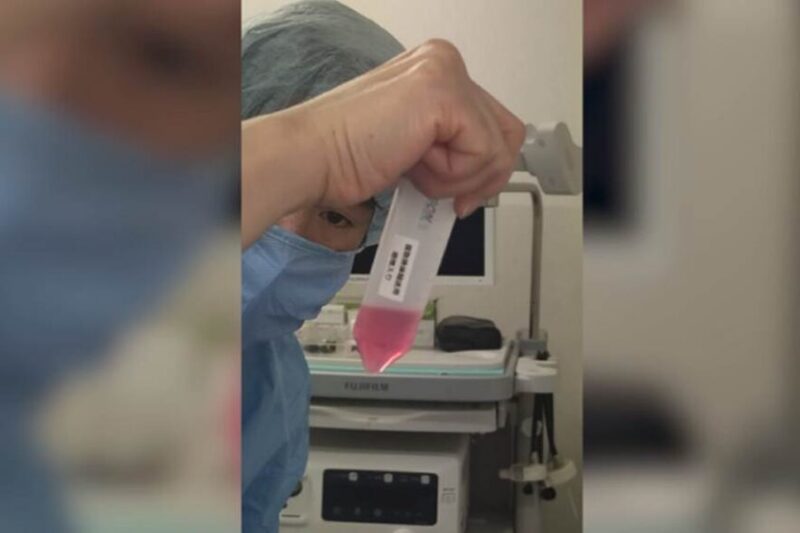
In regenerative medicine using stem cells, stem cells are collected from the patient’s own adipose (fat) tissue, cultured, and then returned to the body via an intravenous drip. The administered stem cells are expected to help the recovery of the damaged liver through the following actions:
- Anti-inflammatory effect: Suppresses chronic inflammation in the liver.
- Tissue repair promotion effect: Secretes substances that help repair damaged liver cells and promote the formation of new blood vessels, enhancing the liver’s recovery power.
- Anti-fibrotic effect: Suppresses the generation of fibrous tissue, which is the cause of liver hardening.
As a result, improvements in the quality of daily life (QOL) are expected, such as better liver function numbers in blood data, reduction of fatigue and malaise, recovery of appetite, improvement in symptoms of hepatic encephalopathy, and a decrease in or easier control of ascites. Among patients with decompensated liver cirrhosis who underwent stem cell therapy at our clinic, there are reported cases where improvements in liver function values and physical strength were observed after treatment, allowing them to go out or resulting in no further occurrences of encephalopathy. However, if liver cancer is present, liver regenerative medicine cannot be received for safety reasons. Also, regenerative medicine is a non-insurance (free-practice) treatment and incurs high costs, but it may be eligible for a medical expense deduction of up to 2 million yen per year. Regenerative medicine is not a magic cure that guarantees an absolute recovery, but it can become a new hope for those who have found it difficult to improve with conventional treatments.
■Before giving up, please consult a specialist first
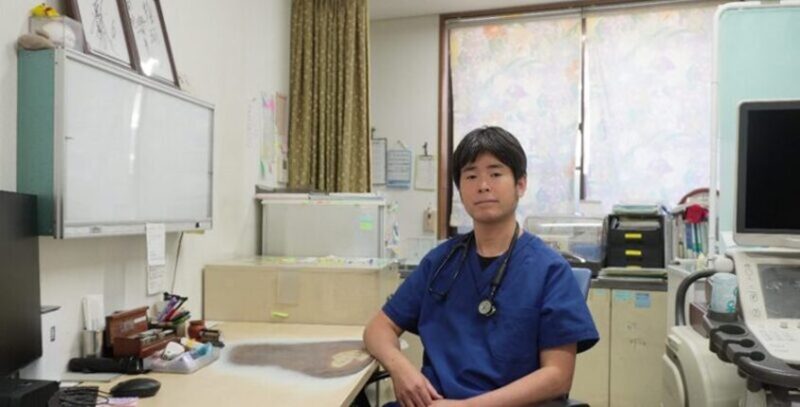
Even when facing a severe diagnosis like liver cirrhosis, before giving up and thinking “there is nothing more that can be done,” it is very important to learn the latest medical information and consult a specialist. Our clinic’s director, Dr. Masaya Saito, is a Hepatologist certified by The Japan Society of Hepatology and an Ultrasound Specialist certified by The Japan Society of Ultrasonics in Medicine, so he can precisely diagnose the liver’s condition and propose the optimal treatment plan tailored to each individual patient.

If you have anxieties about your condition or treatment methods, or if you feel the limits of your current treatment, please do not bear it alone and feel free to consult with our clinic. For those who live far away or have difficulty visiting the clinic, we also accept online preliminary consultations using Curon. We will wholeheartedly assist you to keep your liver healthy and draw in a better future. Please rely on our clinic without giving up until the very end.
さいとう内科クリニック
院長:斉藤 雅也 Masaya Saito
- 日本内科学会認定医
- 日本肝臓学会専門医
- 日本消化器病学会専門医
- 日本超音波医学会専門医
- 日本消化器内視鏡学会専門医
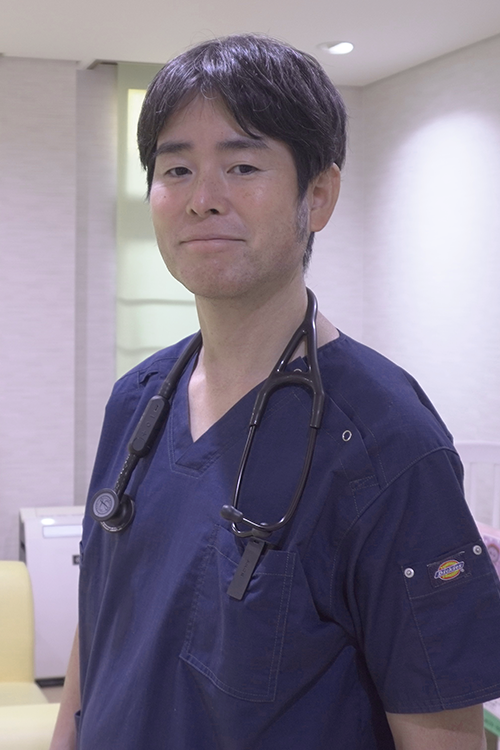
神戸大学医学部附属病院等の最前線で長年消化器・肝臓内科の臨床と研究に従事。医学博士。 標準治療では回復が困難な進行した肝炎や肝硬変に対し、新たな選択肢としての「肝臓再生医療」にいち早く取り組む。また、肝硬変患者さまの中で合併症(潜在性肝性脳症)を有する割合を明らかにし、カルニチンによる潜在性肝性脳症の治療効果を世界で初めて報告するなど、国際的な英文医学誌への論文掲載実績も多数(代表論文:Hepatol Res 2016; 46(2): 215-224)。科学的根拠に基づいた高度な専門知識と精緻な診断で、患者様の肝臓を守るサポートを行っています。
≫ 詳しい経歴や全研究実績はこちら
- 院長
- 斉藤雅也 Masaya Saito
日本肝臓学会 肝臓病専門医 Hepatologist, The Japan Society of Hepatology - 所在地
- 〒651-2412
兵庫県神戸市西区竜が岡1-15-3
(駐車場18台あり) - 電話
-
- 電話:078-967-0019
- 携帯電話:080-7097-5109
- アクセス
- 当院は、神戸市西区と明石市の境界付近に位置しており、明石市からも徒歩圏内です。実際に、明石市方面からも多くの患者様(肝臓病・一般内科)にご来院いただいております。駐車場も完備しておりますので、お車での通院も便利です。