- 2026年4月8日
List of Zinc-Rich Foods: Dietary Tips to Protect Liver Health and Boost Immunity
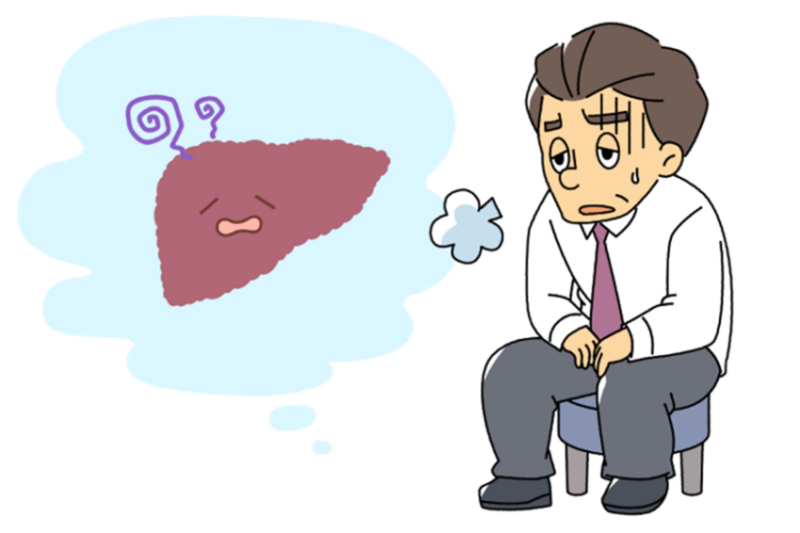
“I’ve been feeling tired easily lately.” “I have no appetite.” “I can’t taste things well.”
Do any of these symptoms sound familiar?
Actually, a deficiency in zinc, an essential trace mineral, might be behind these physical ailments.
Since zinc cannot be produced in the body, it must be actively consumed through your diet. Zinc is distributed throughout the body, including the liver, bones, muscles, and skin, and plays an essential role in protein synthesis, immune function regulation, and the generation of taste bud cells.
The liver, in particular, is called a “silent organ.” When liver function declines, symptoms such as general malaise and loss of appetite appear. However, because these symptoms can be difficult to distinguish from those caused by a zinc deficiency, proper dietary management is extremely important.
In this article, we will introduce foods for efficient zinc intake and tips on how to consume them.
■1. List of Foods Rich in Zinc
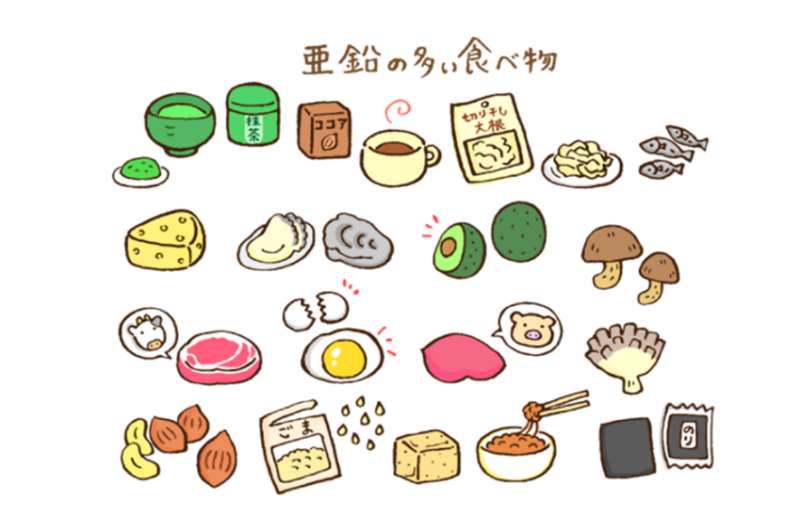
Zinc is mainly found in animal-based foods, legumes, and seeds/nuts, with oysters having an outstandingly high content.
Here is a guide to foods that contain a lot of zinc (per 100g):
| Food Group | Food Name | Zinc Content per 100g (mg) |
| Seafood | Oysters | 13.2 |
| Meat | Pork liver | 6.9 |
| Seeds/Nuts | Pumpkin seeds | 7.7 |
| Seeds/Nuts | Roasted sesame seeds | 5.9 |
| Eggs | Egg yolk | 4.2 |
| Meat | Lean beef thigh | 4.0 |
| Algae/Seaweed | Roasted seaweed (Nori) | 3.6 |
■Recommended Intake
The recommended daily intake of zinc for people aged 30 to 49 is 11 mg for men and 8 mg for women. In particular, pregnant or breastfeeding women, and people who sweat a lot through sports, require more zinc than usual.
■2. Food Combinations to Increase Zinc Absorption and Precautions to Protect the Liver
It is important not only to eat foods rich in zinc but also to be mindful of food combinations that maximize its absorption efficiency.
“Absorption-assisting factors” you should actively consume
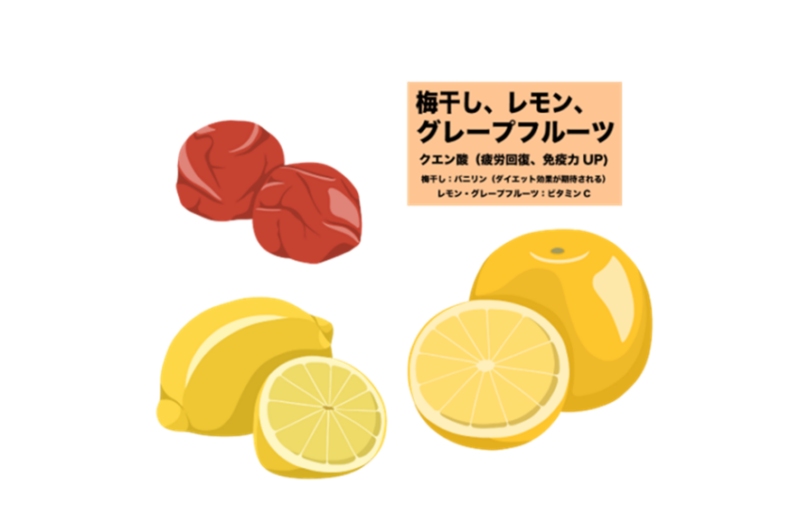
Zinc absorption is said to be improved by the following components:
- Animal protein: Consuming zinc with meat or seafood increases its intake efficiency.
- Citric acid and Vitamin C: Consuming it with sour fruits or vegetables helps absorption.
- Miso: Miso is also known as a factor that assists zinc absorption.
■”Absorption-inhibiting factors” that liver disease patients should be particularly careful of
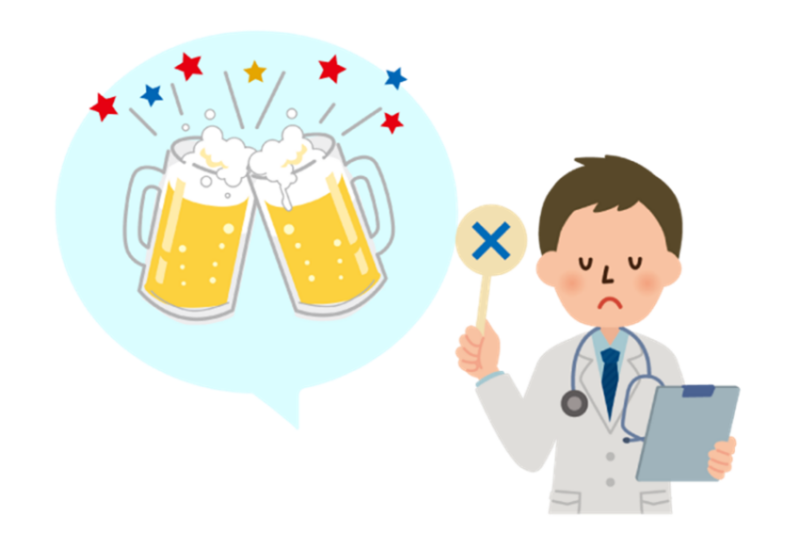
You need to be careful of components that hinder zinc absorption and habits that increase zinc excretion, as they put a strain on the liver.
- Alcohol: When alcohol is broken down in the body, it consumes zinc and also increases the excretion of zinc through urine. Those with concerns about liver function should stick to a moderate amount of alcohol (20g of pure alcohol = less than 180ml of sake). In the case of alcoholic liver disease, complete abstinence from alcohol is the most important and essential treatment.
- Phytic acid: Abundant in unrefined wheat, grains, and legumes (sesame seeds, soybeans, peanuts, corn, etc.), excessive intake hinders the absorption of zinc from the intestines.
- Additives in processed foods: It is known that substances like polyphosphates, which are often found in processed foods, also inhibit zinc absorption.
■Nutritional and Dietary Guidance Based on Medical Evidence
Before relying on supplements, the fundamental approach to liver care is obtaining the necessary nutrients from your daily diet. In addition to zinc, “taurine”—found in seafood like squid and octopus—is a vital component that supports the improvement of liver function.
The director of our clinic has reported in an international medical journal that serum taurine levels are deeply associated with the improvement of therapeutic effects in the study of hepatic encephalopathy, a serious complication of liver cirrhosis. (Source: Hepatol Res 2016; 46(2): 215-224)
Based on this specialized knowledge, we provide nutritional guidance tailored to each patient’s condition, such as adopting the “veggie-first” approach and consciously consuming about 20g of high-quality protein (such as chicken breast and soy products) per meal.
■3. Consult a Liver Disease Specialist if You Notice Signs of Zinc Deficiency
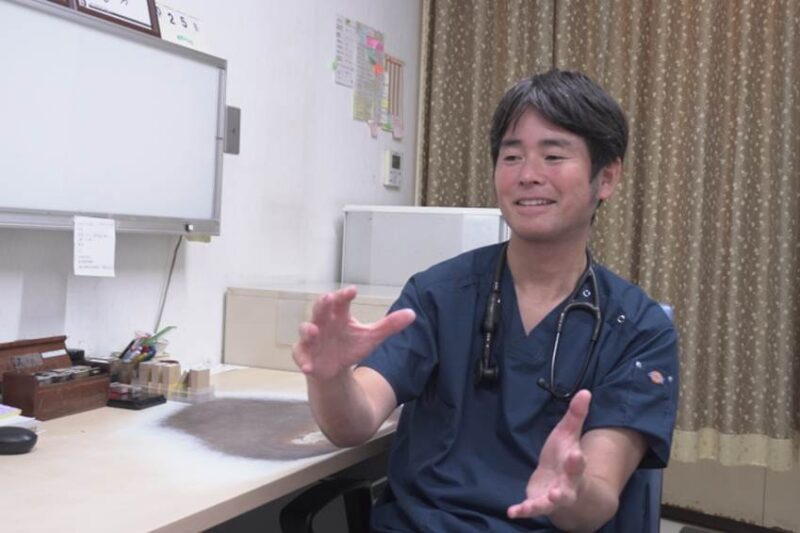
Zinc deficiency can cause loss of appetite and fatigue, which are also common early symptoms of liver dysfunction. The liver is a “silent organ,” and by the time symptoms appear, the condition may have already progressed from a fatty liver to cirrhosis. Even thin individuals are at risk of “hidden fatty liver,” which can progress to liver cancer through MASH. Therefore, detailed examinations by a liver specialist are essential.
■Don’t Give Up Even if Diagnosed with Liver Cirrhosis
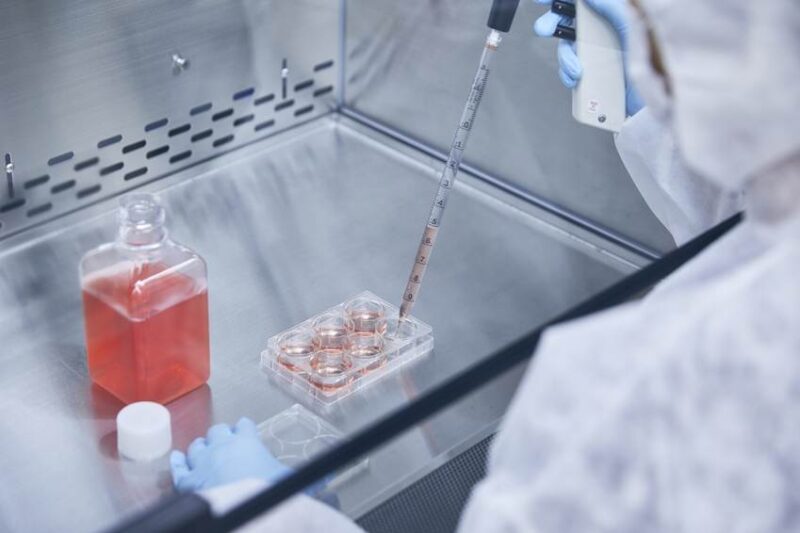
With conventional treatments, it has been considered difficult to completely restore a liver that has once hardened. However, at Saito Internal Medicine Clinic, we offer liver regenerative medicine using stem cells, which has the potential to break through this limitation.
This treatment uses stem cells collected from the patient’s own adipose (fat) tissue, minimizing the risk of rejection. It is expected to lead to improvements in QOL, such as better liver function numbers, reduction of malaise, and control of ascites and hepatic encephalopathy. We have reported cases of significant improvement over half a year to a year after the stem cell IV drip.
If you are interested in your current liver condition or the new option of regenerative medicine, we also accept online preliminary consultations using Curon. Please rely on us, liver disease specialists, to help you regain your future health.
- 院長
- 斉藤雅也 Masaya Saito
日本肝臓学会 肝臓病専門医 Hepatologist, The Japan Society of Hepatology - 所在地
- 〒651-2412
兵庫県神戸市西区竜が岡1-15-3
(駐車場18台あり) - 電話
-
- 電話:078-967-0019
- 携帯電話:080-7097-5109
- アクセス
- 当院は、神戸市西区と明石市の境界付近に位置しており、明石市からも徒歩圏内です。実際に、明石市方面からも多くの患者様(肝臓病・一般内科)にご来院いただいております。駐車場も完備しておりますので、お車での通院も便利です。