
- 2026年4月8日
Persistent Skin Itching, Could it be Liver Cancer? Dangerous Signs and Life Expectancy
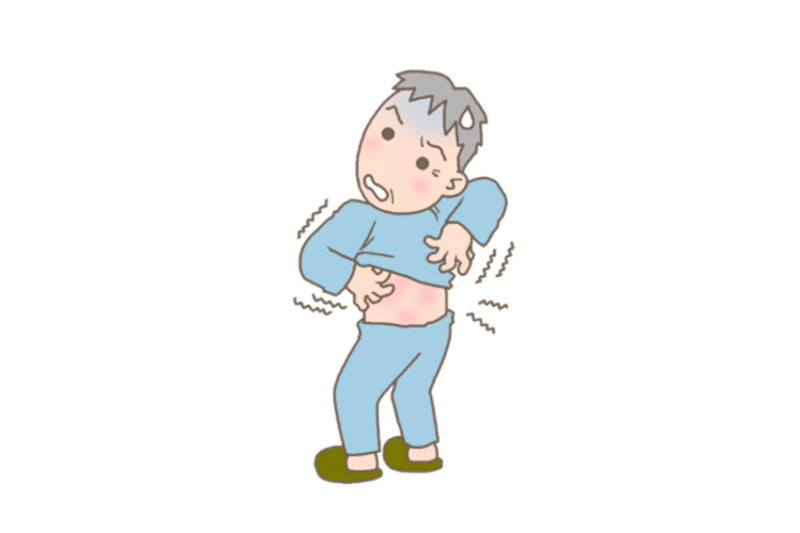
“Lately, I’ve had this unexplained itching that won’t go away…”
“It’s so bad that I can’t sleep at night, and scratching doesn’t help.”
Are there any of you suffering from persistent skin itching, even though you have no history of conditions like atopic dermatitis or dry skin?
That itching might be an important SOS sign from the liver, which is known as the “silent organ.” Liver cancer has almost no early symptoms, and it is not uncommon for the disease to have progressed by the time subjective symptoms appear. However, before symptoms like abdominal pain or fatigue appear, “skin abnormalities” may appear as a sign.
In this article, from the perspective of a liver disease specialist, we will explain in detail why itching occurs with liver diseases, the dangerous signs of liver cancer, and knowledge that leads to early detection.
■Why Does “Itching” Occur with Liver Diseases? What Are Its Characteristics?
Why does itching appear on the skin when liver function declines? The main cause lies in the stagnation of the flow of “bile” produced in the liver (cholestasis).
When liver function significantly declines due to conditions like liver cirrhosis or liver cancer, a component in bile called “bile acid” flows backward into the blood, circulates throughout the body, and accumulates in the skin. This bile acid stimulates the nerves in the skin, causing severe itching.
Itching caused by liver disease has the following characteristics:
- No visual abnormalities: You feel a strong itching coming from inside your body, even though there is no rash or redness on the skin.
- Scratching doesn’t help: The itching doesn’t subside even if you scratch it, and it may even worsen.
- Itching all over the body: Itching occurs over a wide area, especially on the back, abdomen, and limbs.
- Worsens at night: The itching becomes stronger when you lie down, making it so unbearable that it interferes with your sleep.
- Over-the-counter anti-itch medications are less effective: General antihistamines and the like are unlikely to be effective.
In one survey, 1 in 4 to 5 hepatitis patients cited “skin itching” as a subjective symptom, making it the second most common symptom after “body sluggishness.” It is by no means a rare symptom.
■ Not Just Itching! Dangerous Signs of Liver Cancer You Must Not Miss
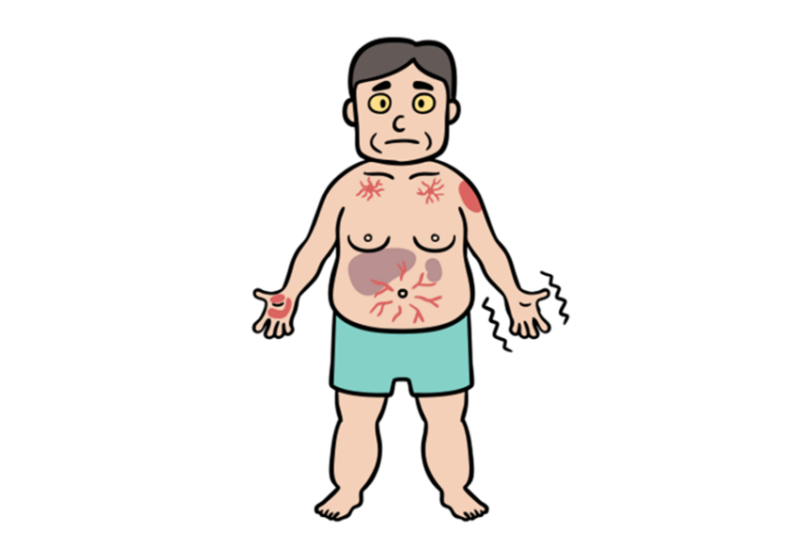
Skin itching is one of the signs of liver cancer, but it rarely appears alone. In many cases, it is accompanied by other symptoms such as the following. If multiple signs apply to you, you need to be particularly careful.
- Jaundice: The skin and the whites of the eyes look yellowish. Dark urine is also a characteristic.
- Spider angioma: Red blood vessels that look like spider legs appear on the chest, shoulders, and face.
- Palmar erythema: The palms of the hands, especially the base of the thumb and little finger, become red.
- Unexplained bruises or bleeding: The blood-clotting function declines, making it easier to bruise.
- Abdominal bloating or lumps: Fluid may accumulate in the abdomen (ascites), or you may feel a lump in the upper right abdomen.
- General fatigue and weight loss: You can’t get rid of fatigue even after resting enough, or you lose your appetite and lose weight.
- Changes in the color of stool and urine: Stool may become whitish, or urine may become dark brown.
These symptoms indicate that the liver’s detoxification, metabolism, and hormone regulation functions have been impaired by cancer.
■ What if You Are Diagnosed with Liver Cancer? About Stages and Life Expectancy

It is completely natural to feel anxious when thinking, “What if it’s cancer…” When understanding the prognosis (outlook of the disease) of liver cancer, the “stage” of the disease is important. The stage is determined by the size and number of cancers, the spread to blood vessels, and the presence or absence of metastasis to other organs.
Below is a general guide to the 5-year survival rate for each stage:
- Stage I: Approximately 69%
- Stage II: Approximately 53%
- Stage III: Approximately 26%
- Stage IV: Approximately 11%
What I want to strongly emphasize here is that these numbers are purely statistical data and do not determine the life expectancy of individual patients. Survival rates are steadily improving with new treatments such as molecular targeted drugs and immunotherapy appearing one after another. Regardless of the stage, the most important thing is to consult a liver disease specialist without giving up.
■ If You Notice an SOS from the Silent Organ, See a Liver Specialist Immediately
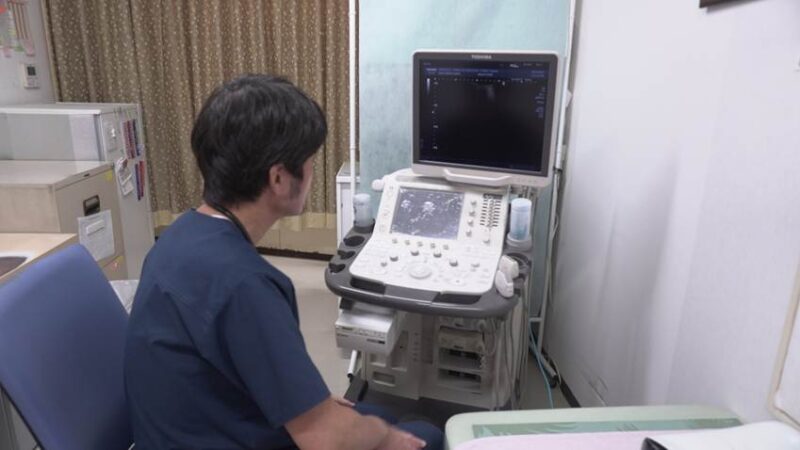
As explained in this article, persistent itching can be an important sign of various liver diseases, including liver cancer. Especially if multiple symptoms appear simultaneously, be sure to visit a gastroenterology or hepatology department immediately.
Under the care of a liver disease specialist, we first check the liver function values (such as AST, ALT, γ-GTP) and perform an abdominal ultrasound (echo) examination.
■Nutritional and Dietary Guidance Based on Medical Evidence
In addition to medical testing, the fundamental approach to supporting a stressed liver is through proper nutrition. Before relying on supplements, it is essential to obtain nutrients necessary for liver repair from your daily diet. For example, “taurine,” found in seafood like squid and octopus, is a vital component that supports liver function and detoxification.
The director of our clinic has reported in an international medical journal that serum taurine levels are deeply associated with the improvement of therapeutic effects in the study of hepatic encephalopathy, a serious complication of liver cirrhosis. (Source: Hepatol Res 2016; 46(2): 215-224)
Based on this specialized knowledge, we provide nutritional guidance tailored to each patient’s condition, such as adopting the “veggie-first” approach and consuming about 20g of high-quality protein per meal.
The liver is an organ where it may be too late by the time symptoms appear. However, if discovered early and appropriate treatment is started, better outcomes can be expected. Please consider unexplained itching as a “warning” to protect your body, and by all means, consult a liver disease specialist.
At Saito Internal Medicine Clinic, we also accept preliminary consultations online using Curon. Please feel free to contact us.
- 院長
- 斉藤雅也 Masaya Saito
日本肝臓学会 肝臓病専門医 Hepatologist, The Japan Society of Hepatology - 所在地
- 〒651-2412
兵庫県神戸市西区竜が岡1-15-3
(駐車場18台あり) - 電話
-
- 電話:078-967-0019
- 携帯電話:080-7097-5109
- アクセス
- 当院は、神戸市西区と明石市の境界付近に位置しており、明石市からも徒歩圏内です。実際に、明石市方面からも多くの患者様(肝臓病・一般内科)にご来院いただいております。駐車場も完備しておりますので、お車での通院も便利です。