
- 2026年4月8日
Only Gamma-GTP (γ-GTP) is High… Causes and What You Can Do to Improve It
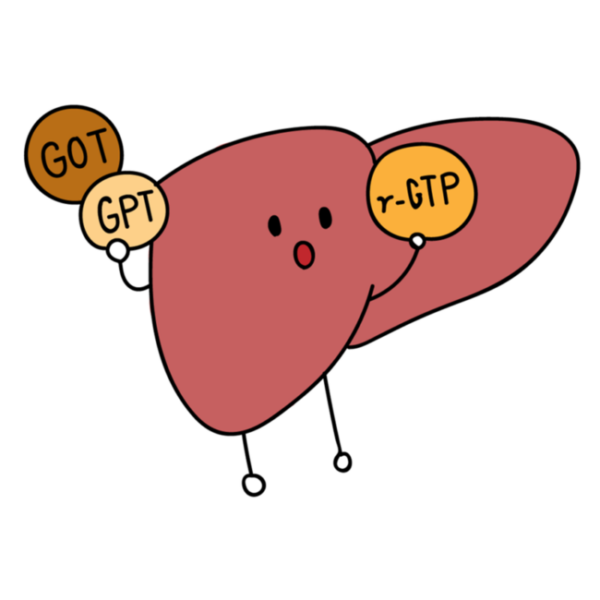
Have you ever looked at your health checkup results and found that while your “AST” and “ALT” are in the normal range, you were told that for some reason “only your γ-GTP (Gamma-GTP) is high”?
Many people might wonder, “Even though I don’t drink alcohol?” or “I don’t drink that much.” The liver is called the “silent organ,” and it has the characteristic of rarely showing subjective symptoms even when there is an abnormality. That is exactly why it is important not to overlook even the slightest signs shown in a health checkup and to understand their meaning correctly.
In this article, we will explain in detail the meaning of γ-GTP, why caution is necessary when only γ-GTP is high, what you can do yourself to improve it, and points you should consult a specialist about.
■ What is γ-GTP? What Its Value Indicates
γ-GTP is an enzyme involved in the liver’s detoxification process, and its value indicates abnormalities in the liver or biliary system. Because it reacts particularly sensitively to alcohol, it is well known that “people who drink alcohol often have high values.” However, an increase in γ-GTP is not caused solely by alcohol.
- Effects of alcohol: It tends to increase if you have a daily drinking habit.
- Fatty liver: It has recently become known that γ-GTP can increase due to fatty liver, including non-alcoholic steatohepatitis (NASH), even in people who rarely drink alcohol.
- Biliary system diseases: It increases when there is an abnormality (such as gallstones or cholangitis) in the passageway for bile produced in the liver (bile ducts). Autoantibodies against the intrahepatic bile ducts can attack the bile duct lining, causing it to swell and narrow the bile duct lumen, which impairs bile flow and raises γ-GTP (Primary Biliary Cholangitis).
- Effects of medications: As a side effect of some drugs, it can cause cholestasis (stagnation of bile), leading to an increase in γ-GTP.
AST and ALT are enzymes that primarily leak into the blood when liver cells are damaged and destroyed; high levels of these indicate that liver cell destruction is occurring. However, γ-GTP can rise even if there is little destruction of liver cells. This is a sign that the liver is under chronic stress, and if left untreated, there is a risk of it progressing to more serious diseases such as liver cirrhosis or liver cancer in the future, so it should not be taken lightly.
In particular, when AST and ALT are in the normal range but only γ-GTP is high, the following situations are considered possible:
- Early stages of alcoholic liver damage: Even if liver cell destruction is not yet prominent, it is a sign that the burden on the liver from alcohol is increasing.
- Early stages of fatty liver: Even in people who do not drink alcohol, γ-GTP may rise in the early stages of fatty liver caused by poor diet and exercise habits.
- Minor abnormalities in bile flow: Even if symptoms like jaundice have not yet appeared, it suggests the possibility that some problems are starting to occur in the flow of bile.
- Side effects from medications: It suggests the possibility of problems in bile flow as a side effect of some medications.
■ What You Can Do to Improve Your γ-GTP Levels: Nutritional Guidance Based on Medical Evidence
To improve elevated γ-GTP levels, especially when caused by fatty liver or the early stages of liver stress, fundamentally reviewing your lifestyle is essential. Before relying on supplements, the primary approach is to obtain the nutrients necessary for liver repair from your daily diet.
For example, “taurine,” which is abundantly found in seafood and shellfish such as squid and octopus, is an important component that supports the improvement of liver function and aids in bile secretion and detoxification.
The director of our clinic has reported in an international medical journal that serum taurine levels are deeply associated with the improvement of therapeutic effects in the study of hepatic encephalopathy, a serious complication of liver cirrhosis. (Source: Hepatol Res 2016; 46(2): 215-224)
Based on this specialized knowledge, in addition to being mindful of taurine intake, it is also important to adopt the “veggie-first” approach (eating vegetables first) and to consciously consume about 20g of high-quality protein (such as chicken breast and soy products) per meal. At our clinic, we provide nutritional guidance based on scientific evidence tailored to each patient’s condition.
■ A New Hope: Stem Cell Liver Regenerative Medicine
For γ-GTP levels and fatty liver that have not easily shown improvement with conventional treatments and dietary changes, liver regenerative medicine using stem cells may offer new hope. Stem cells are expected to have effects such as suppressing liver inflammation, promoting the repair and regeneration of damaged liver cells, and inhibiting the progression of fibrosis.
In fact, among the patients who have undergone stem cell therapy at our clinic, there are reported cases where γ-GTP and triglyceride levels improved, and the liver’s condition approached normal. This is not merely symptomatic treatment, but an approach with the potential to fundamentally improve liver function.
■ Do Not Give Up; Please Consult a Specialist

The sign of a high γ-GTP is an important message that your liver is crying out for help. Not dismissing it as “just fatigue” or “nothing major,” but identifying the cause early and starting appropriate countermeasures is the first step in protecting your liver health.
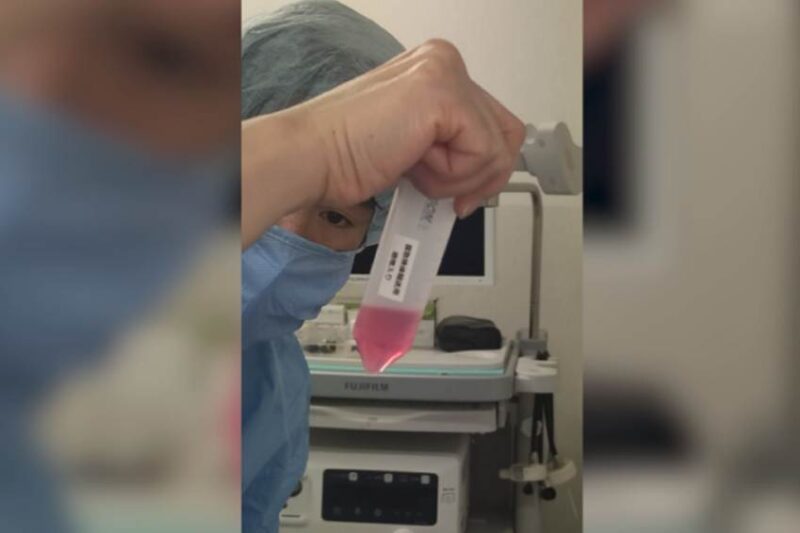
At our clinic, a liver disease specialist carefully evaluates each patient’s condition and proposes an optimal treatment plan. If you are interested in liver regenerative medicine, or if you have concerns about your γ-GTP levels or liver condition, please do not hesitate to consult us. For those living far away or who have difficulty visiting the clinic, we also accept preliminary online consultations using Curon.
We are here to help you keep your liver healthy.
- 院長
- 斉藤雅也 Masaya Saito
日本肝臓学会 肝臓病専門医 Hepatologist, The Japan Society of Hepatology - 所在地
- 〒651-2412
兵庫県神戸市西区竜が岡1-15-3
(駐車場18台あり) - 電話
-
- 電話:078-967-0019
- 携帯電話:080-7097-5109
- アクセス
- 当院は、神戸市西区と明石市の境界付近に位置しており、明石市からも徒歩圏内です。実際に、明石市方面からも多くの患者様(肝臓病・一般内科)にご来院いただいております。駐車場も完備しておりますので、お車での通院も便利です。