
- 2026年4月8日
What Causes High AST and ALT? For Those Pointed Out with Abnormal Values in Their Health Checkup

Hello, I am Dr. Masaya Saito, Director of Saito Internal Medicine Clinic.
Have you ever been startled to receive your health checkup results and be told, “Your liver function numbers, such as AST (GOT) and ALT (GPT), are a bit high”? Many people tend to think, “Maybe I drank too much alcohol?” or “I’m probably just a little tired.” However, these abnormal values suggest the possibility that your liver is sending out an SOS signal.
The liver is often called the “silent organ.” This is because the liver is extremely resilient, and even if it sustains considerable damage, subjective symptoms rarely appear. That is exactly why the blood test values from a health checkup serve as a crucial clue to understanding the condition of your liver before symptoms arise.
In this article, from the perspective of a liver disease specialist, I will explain in detail the surprising causes to consider when high AST and ALT are pointed out, the hidden messages behind these numbers, and the specific actions you should take before it is “too late.”
■ What is the Liver’s SOS Indicated by “High Values” of AST and ALT?

AST and ALT are enzymes found abundantly inside liver cells. When liver cells are damaged and destroyed by causes such as viral infections, alcohol, medications, or fat accumulation, these enzymes leak into the blood. Therefore, the higher the AST and ALT levels in your blood, the more liver cells are being destroyed, meaning your liver is sustaining damage.
According to the standards of the Japan Society of Ningen Dock, the normal range for both AST and ALT is 30 U/L or lower, and 51 U/L or higher is considered “abnormal.” If the value exceeds 100 U/L, liver diseases such as chronic hepatitis or fatty liver are strongly suspected. If it exceeds 300 U/L, it is a dangerous state that highly likely requires hospitalization.
The important thing is not to jump to your own conclusion that “it’s fine as long as it’s under 100 U/L.” Even if a doctor tells you to “just monitor it,” it is not a “safety signal” but rather a sign indicating that your liver may be under stress.
■ Are You Overlooking the “Surprising Reasons” Why Your Numbers Are High?
The main causes of elevated AST and ALT include hepatitis viruses, excessive alcohol consumption, and fatty liver. However, there are also frequently overlooked causes and easily misunderstood cases.
1.Is “Muscle Training for Health” Raising Your Liver Numbers?
Even highly health-conscious people who routinely engage in strength training may see their AST and ALT numbers rise. AST, in particular, is an enzyme found abundantly not only in the liver but also in the heart muscle and skeletal muscles. Therefore, intense exercise can damage muscles, and during the repair process, AST flows into the blood, potentially causing a temporary spike in numbers. However, it is dangerous to self-diagnose that “it’s just because of weightlifting, so I’m fine.” In many cases, an underlying issue with the liver itself is hidden behind it.
2.Overconsumption of Protein and Supplements
If you are taking protein or various supplements to increase muscle mass, excessive consumption can place a heavy burden on your liver. In particular, excessive protein intake or products containing ingredients that stress the liver have been reported to cause liver dysfunction.
3.The Possibility of “Hidden Fatty Liver”
Even those who think, “I work out, so I’m fine,” or “I’m thin, so it doesn’t concern me,” are often suffering from “hidden fatty liver” due to an unbalanced diet (such as a diet high in carbs and fats, or excessive fructose intake). Even if you are thin, if you have extremely low muscle mass and are in a state of “hidden obesity,” the energy you consume is less likely to be burned, making it easier for fat to accumulate in the liver. If left untreated, fatty liver can progress to non-alcoholic steatohepatitis (NASH), where the liver becomes inflamed, and it is a dangerous condition that can further progress to cirrhosis or liver cancer.
4.The “Balance” Between AST and ALT is Also Important
The ratio of which is higher, AST or ALT (the AST/ALT ratio), also provides a clue for diagnosis.
・ALT > AST (ALT dominant): This is commonly seen when the cause lies within the liver itself (fatty liver, chronic viral hepatitis, etc.).
・AST > ALT (AST dominant): This can occur when alcoholic liver damage or cirrhosis has progressed, or when AST is elevated due to muscle or heart diseases outside the liver.
In this way, by looking at seemingly unrelated causes or the balance of these numbers, we can decipher the more specific SOS signals your liver is sending.
■ The “Next Move” You Must Not Neglect When Pointed Out with Abnormal Values
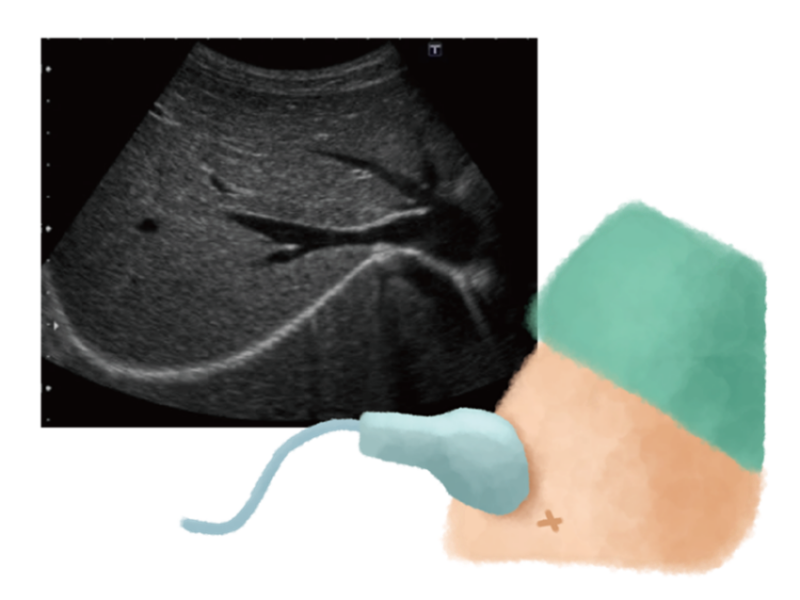
If you are pointed out as having high AST and ALT levels, the most important thing is to consult a liver disease specialist without making your own assumptions. If you leave it alone because you have no symptoms, the disease may silently progress, putting you at risk of it being too late. A specialist will accurately assess your liver’s condition through the following tests:
・Blood Tests: In addition to AST, ALT, and γ-GTP, we comprehensively evaluate other related items, such as albumin (indicating the liver’s synthesis ability), total bilirubin (indicating detoxification ability), prothrombin time (indicating blood coagulation ability), and even platelet count, which is associated with the progression of liver fibrosis (stiffness).
・Abdominal Ultrasound (Echo) Examination: An ultrasound is a highly effective, painless, and safe way to visually confirm the degree of fat accumulation in the liver (severity of fatty liver), abnormalities in the liver’s shape and size, and signs of liver fibrosis (stiffness). It is not uncommon to find fatty liver via an ultrasound even if blood test values are within the normal range. The director of our clinic is a liver disease specialist certified by the Japan Society of Hepatology, as well as an ultrasound specialist, providing high-quality examinations to ensure that even the slightest changes are not overlooked.
・Liver Stiffness Measurement (Shear Wave Elastography, etc.): By measuring the stiffness of the liver numerically, the degree of fibrosis progression can be objectively evaluated. This is an extremely important indicator in determining the risk of progression to liver cirrhosis.
Through these tests, you can get an accurate diagnosis of what stage your liver is at and whether it is progressing to cirrhosis. Creating a treatment plan truly tailored to you based on these results is the shortest path to improvement.
Nutritional and Dietary Guidance Based on Medical Evidence Before relying on supplements—which, as mentioned earlier, can sometimes overburden the liver—the fundamental approach is to obtain the nutrients necessary for liver repair from your daily diet. For example, “taurine,” which is found in seafood and shellfish such as squid and octopus, is an important component that supports the improvement of liver function.
The director of our clinic has reported in an international medical journal that serum taurine levels are deeply associated with the improvement of therapeutic effects in the study of hepatic encephalopathy, a serious complication of liver cirrhosis. (Source: Hepatol Res 2016; 46(2): 215-224)
Based on this specialized knowledge, in addition to being mindful of taurine intake, it is also important to adopt the “veggie-first” approach (eating vegetables first) and to consciously consume about 20g of high-quality protein (such as chicken breast and soy products) per meal to safely maintain muscle without overloading the liver. At our clinic, we provide nutritional guidance based on scientific evidence tailored to each patient’s condition.
■ A New Hope Called Regenerative Medicine Before Giving Up, Thinking “It Cannot Be Cured Anymore”

With conventional treatments, it was considered difficult to completely restore a liver that had once become stiff. However, medicine is advancing every day.
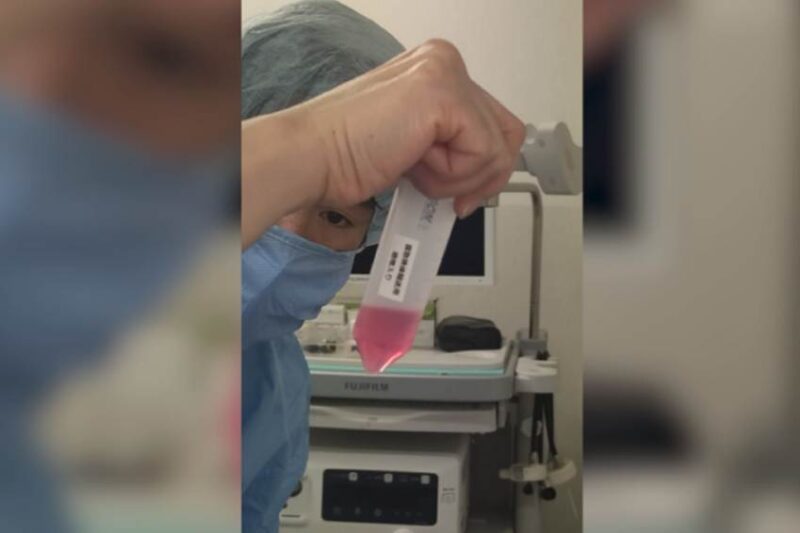
At Saito Internal Medicine Clinic, we offer a new treatment approach called stem cell liver regenerative medicine for patients suffering from liver fibrosis and functional decline. This treatment is expected to suppress liver inflammation, slow the progression of fibrosis, and promote the repair and regeneration of remaining liver cells by culturing stem cells collected from the patient’s own fat tissue and returning them to the body via an intravenous drip. This has the potential to lead to improved QOL (Quality of Life) for patients, such as improving liver function numbers like AST and ALT, reducing systemic fatigue, improving appetite, and controlling ascites and swelling.
By considering stem cell therapy before the symptoms of cirrhosis become prominent, you can dramatically increase the possibility of promoting the recovery of remaining liver function and delaying the progression of the disease. Furthermore, for those who have been told that “a liver transplant is the only way,” it can serve as a “bridge” until the transplant, or present the possibility of avoiding a liver transplant altogether, offering new hope. Since the patient’s own cells are used, it also has the advantage of having an extremely low risk of rejection.
Even if you are pointed out with abnormal liver numbers during a health checkup, please do not burden yourself alone wondering “Why?” or “What should I do?”, and consult a specialist. There may be something we can do to help you improve your liver numbers and regain your future health.

At Saito Internal Medicine Clinic, we also accept preliminary consultations online using Curon. We welcome consultations not only from patients themselves but also from their families, so please feel free to contact us.
- 院長
- 斉藤雅也 Masaya Saito
日本肝臓学会 肝臓病専門医 Hepatologist, The Japan Society of Hepatology - 所在地
- 〒651-2412
兵庫県神戸市西区竜が岡1-15-3
(駐車場18台あり) - 電話
-
- 電話:078-967-0019
- 携帯電話:080-7097-5109
- アクセス
- 当院は、神戸市西区と明石市の境界付近に位置しており、明石市からも徒歩圏内です。実際に、明石市方面からも多くの患者様(肝臓病・一般内科)にご来院いただいております。駐車場も完備しておりますので、お車での通院も便利です。