
- 2026年11月4日
Why Won’t My Fatty Liver Improve? Three Reasons Diet and Exercise Aren’t Enough
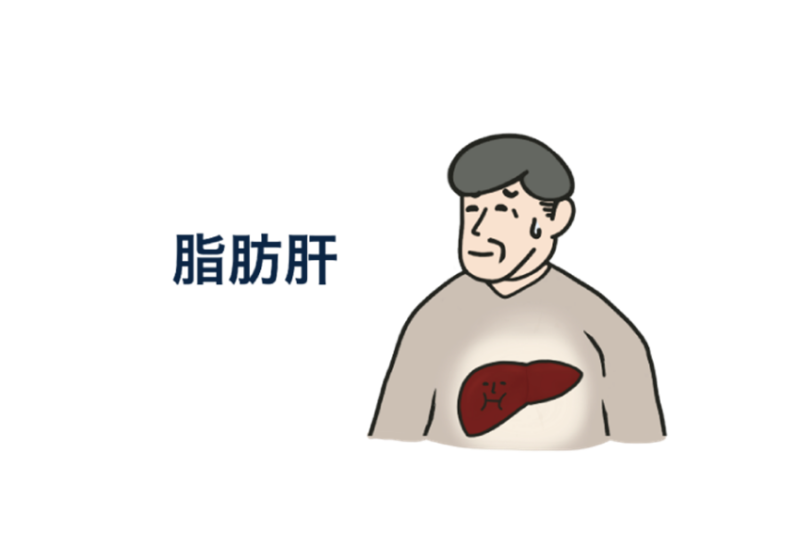
The Frustration of Persistent Fatty Liver
“I have been eating better and exercising for six months, but my liver values still haven’t improved.” This is one of the most common concerns I hear at Saito Clinic of Internal Medicine in Kobe, where I specialize in liver disease and regenerative medicine.
The frustration is real, and the patients expressing it are not exaggerating their efforts. Many of them have genuinely made significant dietary and lifestyle changes. Yet their ultrasound still shows a bright, echogenic liver—the hallmark of persistent fatty liver—and their ALT or AST remains elevated. Why does this happen, and what can be done about it?
Why Standard Lifestyle Modification Sometimes Fails
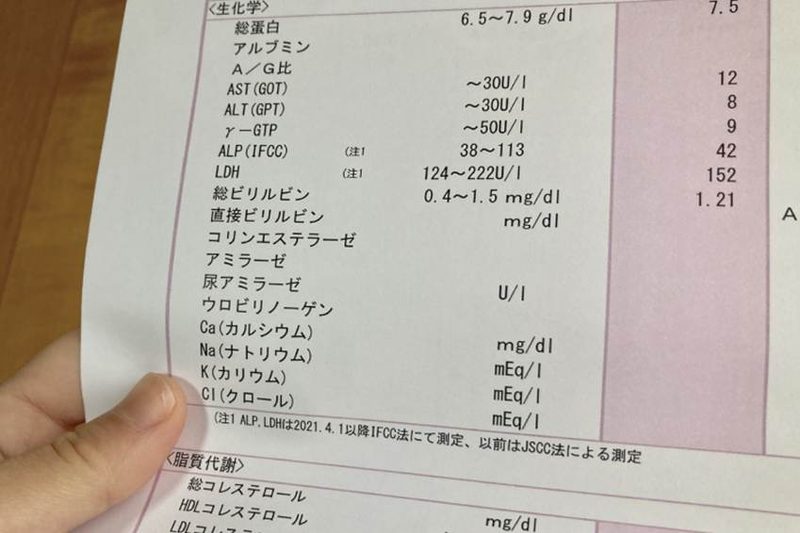
Reason 1: The Modification Doesn’t Match the Individual’s Condition
General dietary advice—”eat less, exercise more”—is not calibrated to an individual’s liver condition, body composition, or metabolic state. Fatty liver exists on a spectrum from mild steatosis to severe MASH with significant fibrosis. The nutritional intervention appropriate for a patient with mild fatty liver and no metabolic syndrome differs significantly from what is needed for a patient with MASH and early fibrosis.
Similarly, the optimal type, intensity, and duration of exercise varies by individual. Aerobic exercise is most effective for reducing hepatic fat; resistance training helps rebuild muscle mass and improve insulin sensitivity. Without personalized guidance based on blood test data, imaging, and body composition measurement, lifestyle modification may fall short of what is needed for that specific patient.
Reason 2: The Disease Has Progressed Beyond Simple Fatty Liver
Simple hepatic steatosis (fat accumulation without inflammation) is readily reversible with lifestyle modification. However, when fatty liver progresses to MASH—non-alcoholic or metabolic dysfunction-associated steatohepatitis, characterized by inflammation and hepatocyte injury—the situation is qualitatively different.
MASH involves active inflammatory processes and the early deposition of fibrous scar tissue in the liver. These changes cannot be reversed through diet and exercise alone in many patients. The inflammatory cascade must be interrupted, and where fibrosis has already developed, more targeted medical intervention is required. Lifestyle modification remains essential but is typically insufficient as a standalone treatment in established MASH.
Reason 3: Genetic Factors That Standard Interventions Cannot Override
Genetic variation plays a significant role in MASH susceptibility and progression. Variants in genes including PNPLA3 (patatin-like phospholipase domain-containing protein 3) and TM6SF2 are associated with substantially increased risk of MASH progression and fibrosis, independent of lifestyle. Patients carrying these variants may develop more severe liver disease at lower body mass index and with less alcohol exposure than average, and may respond less robustly to standard lifestyle modification.
Without genetic testing, these individuals receive the same advice as everyone else—and are left wondering why they are not responding as expected. Identifying genetic contributors allows for more realistic expectations and more aggressive early intervention.
The Specialist Workup: What You May Not Have Had Yet
If fatty liver has persisted despite genuine lifestyle effort, a thorough specialist evaluation should include:
• Liver stiffness measurement by elastography (FibroScan or shear wave elastography): to assess whether fibrosis is present and quantify its severity
• Comprehensive blood panel including ALT, AST, γ-GTP, albumin, platelet count, AFP, and insulin/fasting glucose ratio
• Abdominal ultrasound or MRI spectroscopy to assess hepatic fat content
• Evaluation for concurrent metabolic conditions: type 2 diabetes, sleep apnea, thyroid dysfunction
• Assessment of diet composition and exercise pattern by a registered dietitian with hepatology experience
When a Different Approach Is Needed
For patients with confirmed MASH and significant fibrosis (F2 or above on the METAVIR scale), pharmaceutical options are being developed, though availability varies. More importantly, patients in this category benefit from specialist-led care that integrates targeted nutritional support, optimization of metabolic risk factors, and regular surveillance for cirrhosis and hepatocellular carcinoma.
For patients with advanced liver fibrosis or early cirrhosis that has not responded to conventional management, stem cell-based regenerative medicine represents a frontier option at our clinic. Adipose-derived stem cell therapy targets liver inflammation and fibrosis directly, potentially improving hepatic function beyond what lifestyle modification can achieve. While this treatment is not covered by insurance and outcomes vary, it represents a meaningful additional step for patients who feel they have reached the limits of conventional treatment.
Conclusion
If your fatty liver has not improved despite genuine lifestyle effort, this is not a reflection of personal failure—it is a signal that a more nuanced evaluation and potentially a different approach is needed. Please seek specialist review rather than continuing to repeat the same interventions and expecting different results. Your liver deserves a tailored treatment strategy.
さいとう内科クリニック
院長:斉藤 雅也 Masaya Saito
- 日本内科学会認定医
- 日本肝臓学会専門医
- 日本消化器病学会専門医
- 日本超音波医学会専門医
- 日本消化器内視鏡学会専門医
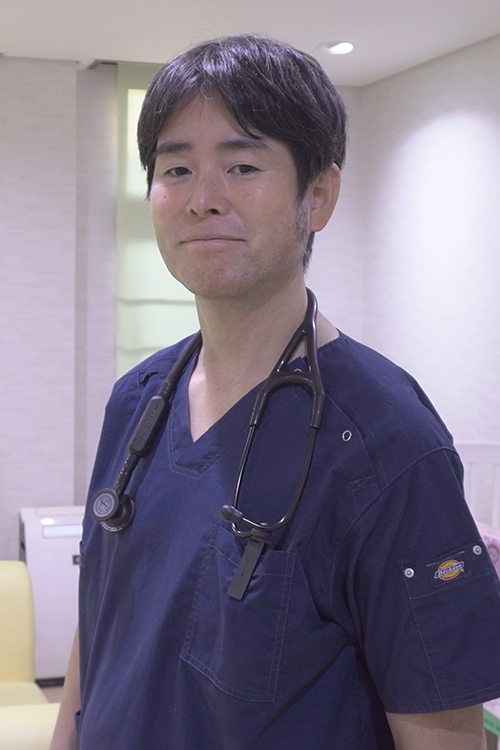
神戸大学医学部附属病院等の最前線で長年消化器・肝臓内科の臨床と研究に従事。医学博士。 標準治療では回復が困難な進行した肝炎や肝硬変に対し、新たな選択肢としての「肝臓再生医療」にいち早く取り組む。また、肝硬変患者さまの中で合併症(潜在性肝性脳症)を有する割合を明らかにし、カルニチンによる潜在性肝性脳症の治療効果を世界で初めて報告するなど、国際的な英文医学誌への論文掲載実績も多数(代表論文:Hepatol Res 2016; 46(2): 215-224)。科学的根拠に基づいた高度な専門知識と精緻な診断で、患者様の肝臓を守るサポートを行っています。
≫ 詳しい経歴や全研究実績はこちら
- 院長
- 斉藤雅也 Masaya Saito
日本肝臓学会 肝臓病専門医 Hepatologist, The Japan Society of Hepatology - 所在地
- 〒651-2412
兵庫県神戸市西区竜が岡1-15-3
(駐車場18台あり) - 電話
-
- 電話:078-967-0019
- 携帯電話:080-7097-5109
- アクセス
- 当院は、神戸市西区と明石市の境界付近に位置しており、明石市からも徒歩圏内です。実際に、明石市方面からも多くの患者様(肝臓病・一般内科)にご来院いただいております。駐車場も完備しておりますので、お車での通院も便利です。