
- 2026年11月4日
Defeating MASH and Fatty Liver: Expert-Approved Liver-Friendly Eating Strategies
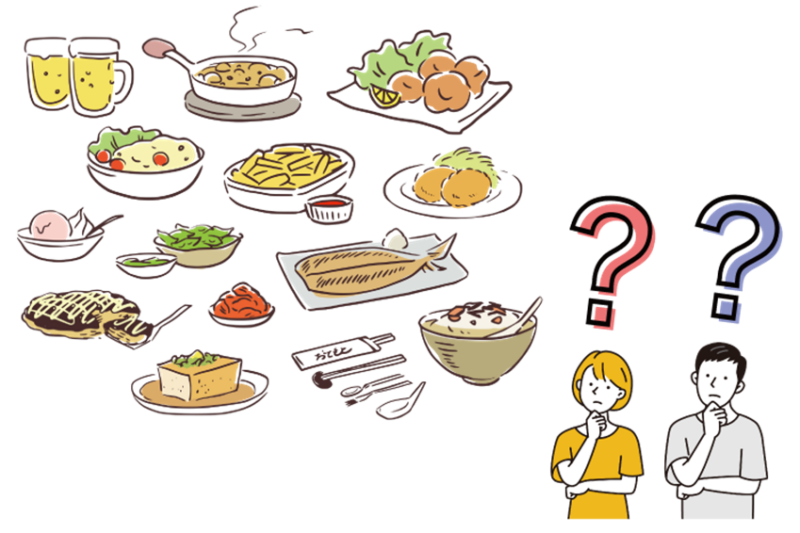
The Dietary Foundation of Liver Disease Prevention
Diet is the single most modifiable risk factor in the development and progression of fatty liver disease. Yet dietary guidance for liver health is frequently oversimplified—and sometimes counterproductive. As a specialist in liver disease and regenerative medicine at Saito Clinic of Internal Medicine in Kobe, I see patients daily who have been following well-intentioned but misdirected dietary advice, often focusing on fat restriction while consuming excessive sugar.
This article presents evidence-based dietary strategies specifically targeted at metabolic dysfunction-associated steatotic liver disease (MASLD) and its more advanced form, MASH (metabolic dysfunction-associated steatohepatitis). The principles here are grounded in liver physiology rather than generic healthy eating advice.
The Critical Misconception: Fat Is Not the Primary Enemy
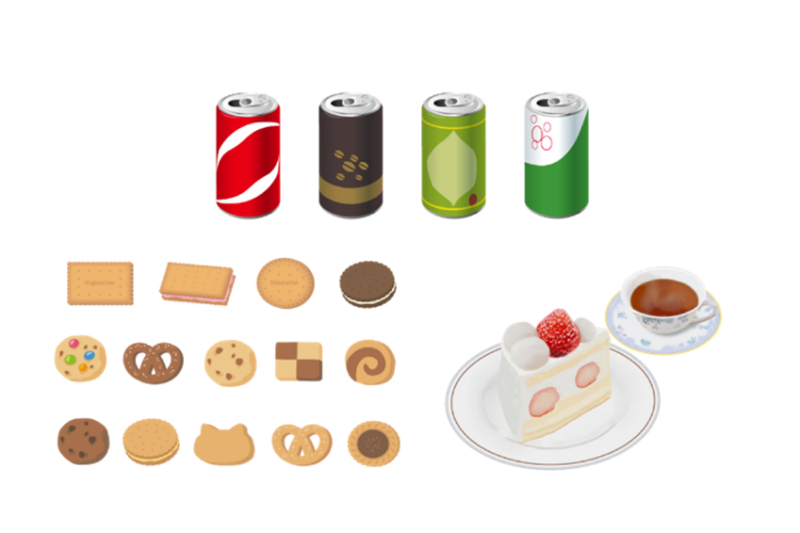
For decades, low-fat dietary advice dominated nutritional guidance. This led many fatty liver patients to reduce their fat intake while inadvertently increasing their consumption of refined carbohydrates and sugar—a trade that worsened rather than improved their liver health.
The truth is that excess sugar—particularly fructose and refined glucose—is far more directly responsible for hepatic fat accumulation than dietary fat. This is because fructose is metabolized almost exclusively in the liver and is efficiently converted to triglycerides (fat) through a process called de novo lipogenesis. Glucose, when consumed in excess of energy needs, undergoes the same conversion through insulin-driven pathways. Dietary fat, by contrast, can be directly used for energy without requiring hepatic conversion to triglycerides.
This does not mean dietary fat is without concern—saturated fats and trans fats contribute to liver inflammation and should be minimized—but the primary target for reducing hepatic fat accumulation is carbohydrate quality and quantity, not fat per se.
Foods to Limit or Avoid
• Sugary beverages: soft drinks, fruit juice, sports drinks, and sweetened coffee or tea are the highest-priority targets for elimination
• Refined carbohydrates: white rice, white bread, white pasta, pastries, and crackers cause rapid blood sugar elevation and drive hepatic fat synthesis
• Fructose-containing processed foods: high-fructose corn syrup appears in a wide range of packaged foods and condiments; read ingredient labels carefully
• Saturated fats: fatty cuts of meat, full-fat dairy products, and palm/coconut oil consumed in excess promote liver inflammation
• Trans fats: margarine, shortening, and commercially fried foods should be avoided entirely
• Alcohol: even moderate alcohol consumption promotes hepatic fat accumulation and inflammation; abstinence is the safest recommendation for all MASH patients
Foods That Actively Support Liver Health
Oily Fish
Salmon, sardines, mackerel, and saury (sanma) are rich in omega-3 polyunsaturated fatty acids (EPA and DHA), which have documented anti-inflammatory effects in the liver, reduce hepatic triglyceride synthesis, and may improve liver histology in MASH patients. Aim for 2–3 servings per week.
Soy Products
Tofu, natto, edamame, and miso provide plant-based protein with a complete amino acid profile and contain isoflavones with anti-inflammatory properties. Soy protein has been associated with reduced hepatic fat in clinical studies.
Colorful Vegetables
Leafy greens, cruciferous vegetables (broccoli, cauliflower, Brussels sprouts), tomatoes, peppers, and carrots provide dietary fiber, antioxidants, and anti-inflammatory polyphenols. The fiber in vegetables also slows carbohydrate absorption, reducing post-meal blood sugar spikes.
Mushrooms and Seaweed
These low-calorie, fiber-rich foods provide beta-glucan and other compounds with documented liver-protective effects, while contributing minimal glycemic load. Seaweed in particular contains fucoxanthin, a carotenoid with emerging evidence for anti-obesity and hepatoprotective activity.
Coffee
Epidemiological data consistently show that regular coffee consumption (2–3 cups daily) is associated with lower liver enzyme levels, reduced fibrosis progression, and decreased risk of hepatocellular carcinoma. The likely mechanisms involve caffeic acid, chlorogenic acid, and other polyphenols with antioxidant and anti-inflammatory properties. Both caffeinated and decaffeinated coffee appear to provide benefit.
Three Practical Dietary Strategies
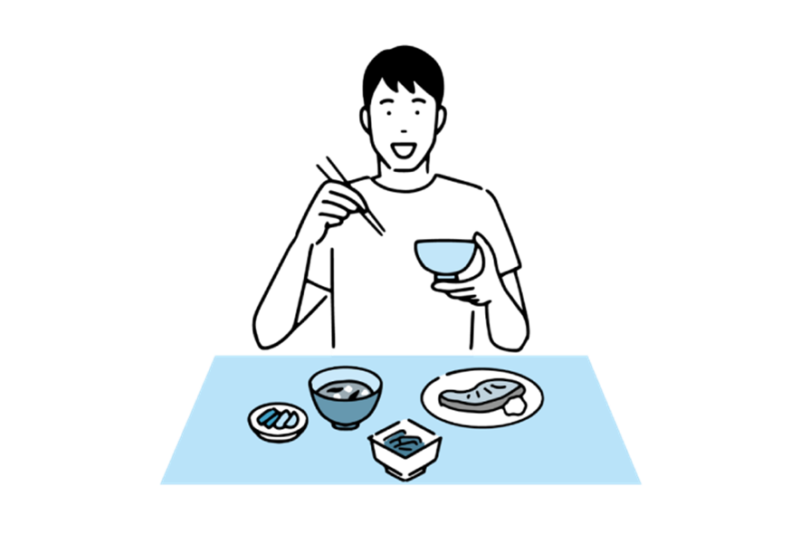
1. Vegetable-First Eating Order
Beginning each meal with vegetables before consuming carbohydrates significantly reduces the blood glucose spike following carbohydrate consumption. Even consuming the same total amount of food in a different order—vegetables and protein first, carbohydrates last—measurably attenuates post-meal glycemia and the insulin response that drives hepatic fat synthesis.
2. Replace Sugary Drinks with Water, Tea, or Coffee
This single substitution may be the highest-impact dietary change available to fatty liver patients. A 500 mL serving of commercial 100% fruit juice can contain 50 grams or more of fructose—the equivalent of what the liver would receive from multiple pieces of whole fruit, but without the fiber that moderates absorption. Replacing sugary beverages with unsweetened alternatives eliminates a primary source of hepatic fat precursors.
3. Avoid Eating After 9 PM
The liver’s metabolic activity follows a circadian rhythm, with lipid processing peaking during morning and early afternoon hours. Late-night eating disrupts this rhythm, promoting hepatic fat accumulation and impairing overnight metabolic recovery. Restricting food intake to a window ending by 9 PM—ideally earlier—allows the liver adequate overnight recovery time.
Personalization Is Essential
The strategies described above provide a starting framework, but effective dietary management of fatty liver requires personalization. Individual metabolic profiles, food preferences, cultural eating patterns, concurrent conditions (diabetes, kidney disease), and medication interactions all influence the optimal approach. For comprehensive guidance, a specialist consultation—integrating blood test data, imaging findings, and nutritional assessment—is strongly recommended.
For patients with advanced MASH or early cirrhosis not responding to lifestyle modification alone, our clinic offers stem cell-based regenerative medicine as an additional therapeutic option targeting liver inflammation and fibrosis at the cellular level.
Conclusion

Defeating fatty liver and MASH through diet requires understanding what the liver actually needs—not following generic low-fat advice that may inadvertently worsen the condition. Prioritizing sugar reduction, incorporating omega-3-rich fish and fiber-rich vegetables, leveraging the liver-protective effects of coffee, and adopting evidence-based meal strategies such as vegetable-first eating can meaningfully improve liver health over time.
さいとう内科クリニック
院長:斉藤 雅也 Masaya Saito
- 日本内科学会認定医
- 日本肝臓学会専門医
- 日本消化器病学会専門医
- 日本超音波医学会専門医
- 日本消化器内視鏡学会専門医
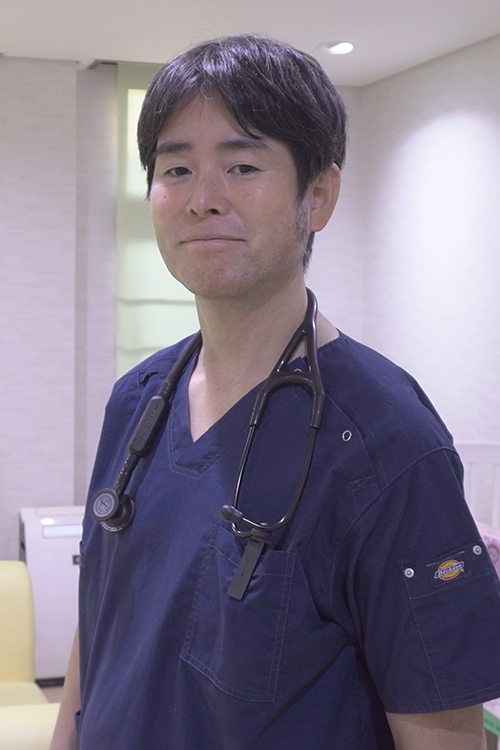
神戸大学医学部附属病院等の最前線で長年消化器・肝臓内科の臨床と研究に従事。医学博士。 標準治療では回復が困難な進行した肝炎や肝硬変に対し、新たな選択肢としての「肝臓再生医療」にいち早く取り組む。また、肝硬変患者さまの中で合併症(潜在性肝性脳症)を有する割合を明らかにし、カルニチンによる潜在性肝性脳症の治療効果を世界で初めて報告するなど、国際的な英文医学誌への論文掲載実績も多数(代表論文:Hepatol Res 2016; 46(2): 215-224)。科学的根拠に基づいた高度な専門知識と精緻な診断で、患者様の肝臓を守るサポートを行っています。
≫ 詳しい経歴や全研究実績はこちら
- 院長
- 斉藤雅也 Masaya Saito
日本肝臓学会 肝臓病専門医 Hepatologist, The Japan Society of Hepatology - 所在地
- 〒651-2412
兵庫県神戸市西区竜が岡1-15-3
(駐車場18台あり) - 電話
-
- 電話:078-967-0019
- 携帯電話:080-7097-5109
- アクセス
- 当院は、神戸市西区と明石市の境界付近に位置しており、明石市からも徒歩圏内です。実際に、明石市方面からも多くの患者様(肝臓病・一般内科)にご来院いただいております。駐車場も完備しておりますので、お車での通院も便利です。