
- 2026年8月6日
To Those Told They Have “Moderate or Severe Fatty Liver” at Their Health Checkup: What You Should Start Right Now to Prevent Cirrhosis
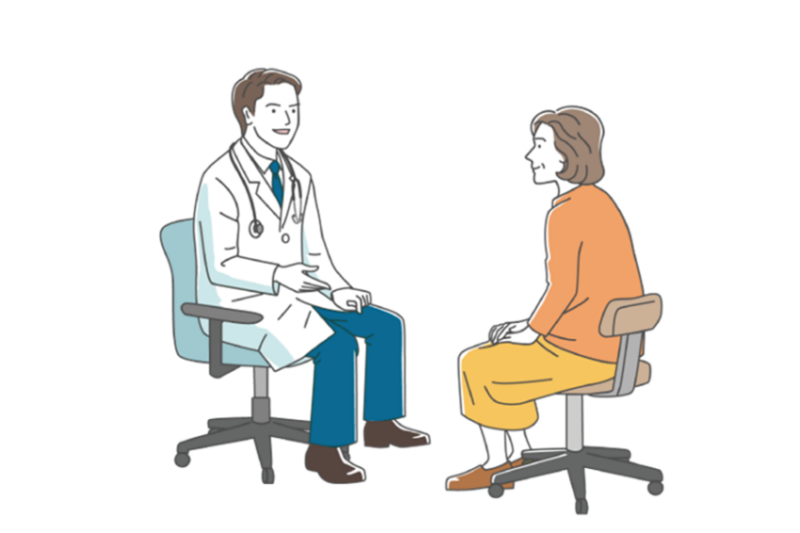
When looking at your health checkup results, some of you may be deeply shocked to be told that you have “moderate fatty liver” or “severe fatty liver.”
“Mild is one thing, but moderate or severe…? Is it already too late?”
“What will happen to me if I just leave it like this…?”
To those carrying such anxious feelings, what we want to tell you first is that there is a high possibility it is not too late yet. However, for that to be true, taking “immediate” and “correct” action is indispensable.
This time, we will explain what state your liver is currently in, and share “what you should start right now” as proposed by a specialist to prevent progression to cirrhosis and to protect your future health.
What State Is Your Liver In Now? Signs of “Moderate or Severe Fatty Liver”
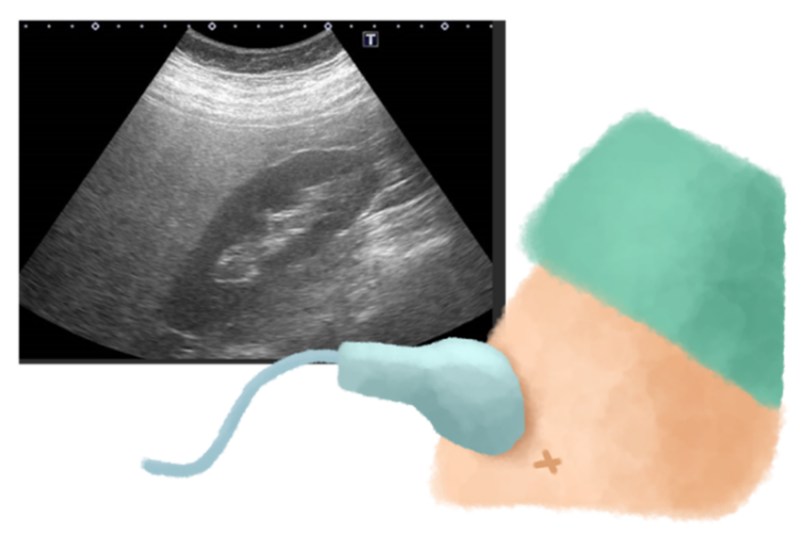
Being diagnosed with “moderate or severe fatty liver” on a health checkup ultrasound examination means that an amount of fat significantly exceeding normal levels has accumulated inside your liver.
When the entire liver appears whitish or bright on an image like this, it suggests a state tightly packed with fat. While mild fatty liver involves partial or smaller amounts of fat accumulation, moderate to severe fatty liver indicates that a non-ignorable amount of fat has accumulated across a wide area of the liver.
At this stage, the most important goal is “to prevent or halt the progression of liver fibrosis (hardening of the liver).” If left untreated, fatty liver progresses to “non-alcoholic steatohepatitis (NASH),” which involves inflammation in the liver. If it progresses further, there is a risk that it leads to “liver cirrhosis,” where the liver hardens, and eventually to “liver cancer.” Moderate or severe fatty liver should be understood as a sign that you are standing at the entrance to this dangerous path.
What You Should Start Right Now to Prevent Cirrhosis

If diagnosed with moderate or severe fatty liver, it is crucial to start the following actions as soon as possible:
1. A More Rigorous Review of Lifestyle Habits
You may feel that you are “already reviewing lifestyle habits.” However, in cases of moderate or severe fatty liver, a more rigorous and continuous approach is required.
- Dietary Therapy: Based on expert advice, thoroughly optimize your calorie intake, review excessive consumption of carbohydrates and fats, and ensure a well-balanced diet (actively incorporating vegetables and dietary fiber). In particular, late-night meals and snacking place a heavy burden on the liver, so thoughtful adjustments are necessary.
- Exercise Therapy: Establish a sustainable exercise routine centered on aerobic exercise. Find activities you can continue without overexertion—such as walking, jogging, or swimming—and ideally incorporate more effective exercises under expert guidance.
- Reviewing Drinking Habits: Even if it is not alcoholic fatty liver, to reduce the burden on the liver, significantly decrease alcohol intake, or consider abstaining from drinking by increasing alcohol-free days where possible.
2. Regular Follow-up and Detailed Examinations by a Specialist
Through self-guided efforts alone, it is impossible to accurately grasp the degree of fatty liver progression, transition to NASH, or the presence of fibrosis. If told you have moderate or severe fatty liver, receiving regular follow-ups and detailed examinations by a gastroenterologist or hepatologist is indispensable.
The following examinations in particular are extremely important for understanding the condition of your liver:
- Measurement of Liver Stiffness (such as Shear Wave Elastography): By measuring liver stiffness, the degree of fibrosis progression can be objectively evaluated with numerical values. This serves as a vital indicator for judging the risk of progression to cirrhosis. At our clinic, we perform liver stiffness measurements frequently to carefully monitor whether the condition is progressing toward cirrhosis.
- Blood Tests: In addition to liver function markers such as AST, ALT, and γ-GTP, we track fluctuations in markers indicating inflammation and fibrosis in detail.
Specialists will comprehensively evaluate these test results alongside your lifestyle habits and physical constitution to propose the optimal treatment plan for you.
What If Progression Cannot Be Stopped, or Fibrosis Has Already Advanced?: The Future Option of “Regenerative Medicine”

“Even though I improved my lifestyle habits and followed expert guidance, my liver function numbers just won’t improve…”
“I was diagnosed that liver fibrosis has already advanced…”
Even in such situations, it is still too early to give up.
While liver fibrosis was once considered irreversible, thanks to advancements in medical care, regenerative medicine has garnered attention as a new option in recent years. Regenerative medicine using stem cells acts directly on liver fibrosis itself, promoting the repair and regeneration of damaged liver cells and suppressing inflammation, thereby expecting to inhibit or even improve fibrosis progression in some cases.
This holds the potential to become a future option that draws out your liver’s inherent power to halt progression to cirrhosis or reverse changes that have already begun.
The diagnosis of “moderate or severe fatty liver” given at your health checkup is by no means a sign of despair. It is an SOS and a final warning from your liver, saying, “If you change your actions right now, you can change your future.”
Why not consult a specialist first about the condition of your liver and your anxieties about the future?
At our clinic, we also accept online preliminary consultations using “Curon.” To prevent your liver from turning into cirrhosis and for a healthy future, let’s find “what you should start right now” together.

さいとう内科クリニック
院長:斉藤 雅也 Masaya Saito
- 日本内科学会認定医
- 日本肝臓学会専門医
- 日本消化器病学会専門医
- 日本超音波医学会専門医
- 日本消化器内視鏡学会専門医
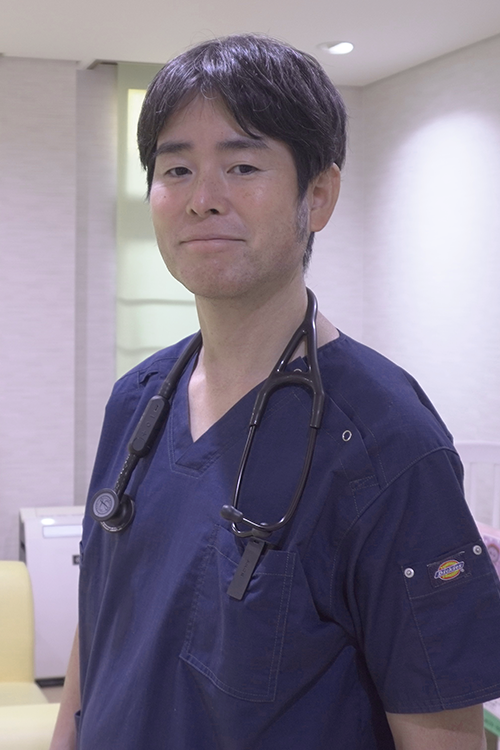
神戸大学医学部附属病院等の最前線で長年消化器・肝臓内科の臨床と研究に従事。医学博士。 標準治療では回復が困難な進行した肝炎や肝硬変に対し、新たな選択肢としての「肝臓再生医療」にいち早く取り組む。また、肝硬変患者さまの中で合併症(潜在性肝性脳症)を有する割合を明らかにし、カルニチンによる潜在性肝性脳症の治療効果を世界で初めて報告するなど、国際的な英文医学誌への論文掲載実績も多数(代表論文:Hepatol Res 2016; 46(2): 215-224)。科学的根拠に基づいた高度な専門知識と精緻な診断で、患者様の肝臓を守るサポートを行っています。
≫ 詳しい経歴や全研究実績はこちら
- 院長
- 斉藤雅也 Masaya Saito
日本肝臓学会 肝臓病専門医 Hepatologist, The Japan Society of Hepatology - 所在地
- 〒651-2412
兵庫県神戸市西区竜が岡1-15-3
(駐車場18台あり) - 電話
-
- 電話:078-967-0019
- 携帯電話:080-7097-5109
- アクセス
- 当院は、神戸市西区と明石市の境界付近に位置しており、明石市からも徒歩圏内です。実際に、明石市方面からも多くの患者様(肝臓病・一般内科)にご来院いただいております。駐車場も完備しておりますので、お車での通院も便利です。