
- 2026年11月4日
Liver Specialist’s Warning: Breakfast Foods That Cause Fatty Liver and What to Do Next
Breakfast: The Foundation of Daily Health—or a Hidden Risk?
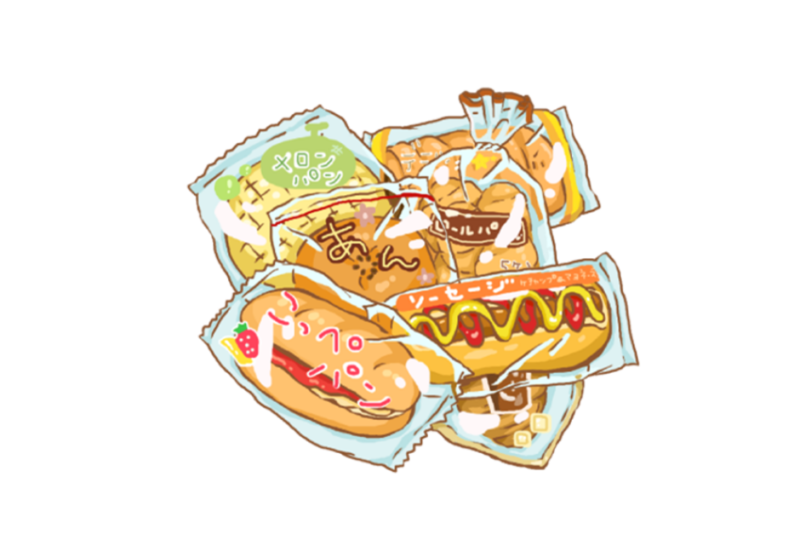
We are often told that breakfast is the most important meal of the day. Yet for the one in three Japanese adults estimated to have fatty liver disease, the morning meal may be quietly undermining their liver health without them realizing it.
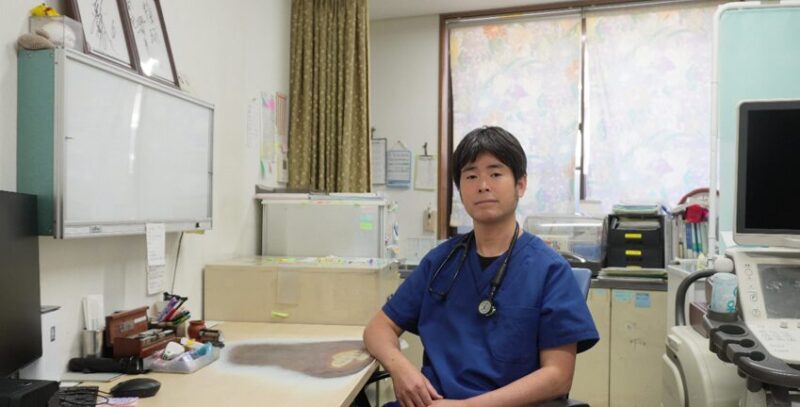
As a specialist in liver disease and regenerative medicine at Saito Clinic of Internal Medicine in Nishi Ward, Kobe, I see patients every day who have unknowingly been accelerating fatty liver through their breakfast choices. In this article, I want to shine a light on the specific foods to avoid—and to offer practical guidance on what to choose instead.
Why the Liver Is Particularly Vulnerable in the Morning
The liver is the body’s primary metabolic engine, responsible for converting absorbed nutrients into energy, synthesizing proteins, and neutralizing toxins. After an overnight fast, the liver resumes active work the moment food is consumed. This makes breakfast a critical inflection point: the right foods set the liver up for a healthy day, while the wrong ones trigger a cascade of metabolic stress.
Fatty liver—defined as fat accumulation exceeding 5% of liver weight—develops when the liver is overwhelmed by more fat and sugar than it can efficiently process. Over time, unchecked fatty liver can progress to metabolic dysfunction-associated steatohepatitis (MASH), fibrosis, cirrhosis, and even liver cancer.
Breakfast Foods That Increase Fatty Liver Risk

1. Pastries and Sweet Breads
Croissants, Danish pastries, and sweet rolls are among the most common breakfast choices in Japan—and among the most problematic for the liver. These products combine high sugar content with trans fats from margarine or shortening, both of which drive hepatic fat synthesis.
Trans fats impair the liver’s ability to break down existing fat deposits, while the rapid spike in blood glucose triggers a surge of insulin that converts excess sugar into triglycerides, which are then stored in the liver.
2. Sugary Beverages
Fruit juice, sports drinks, and sweetened coffee or tea consumed at breakfast introduce large amounts of fructose directly into the portal circulation. Unlike glucose, fructose is metabolized almost exclusively in the liver and is efficiently converted to fat, making it a particularly potent driver of fatty liver disease.
3. Fried or High-Fat Processed Foods
Fried eggs cooked in large quantities of oil, processed sausages, and deep-fried items add saturated fat that directly increases hepatic lipid accumulation. These foods also tend to be low in dietary fiber, eliminating any protective buffering effect on blood sugar absorption.
4. Refined Carbohydrates Lacking Fiber
White rice served plain, white toast, and instant oatmeal with added sugar all cause rapid blood sugar elevation. The absence of fiber means glucose enters the bloodstream quickly, driving the insulin-fat conversion cycle that burdens the liver.
Recommended Breakfast Strategies for Liver Health
Prioritize Protein and Healthy Fats
Eggs (poached or boiled rather than fried), tofu, natto (fermented soybeans), unsweetened Greek yogurt, and fatty fish such as salmon provide high-quality protein and beneficial omega-3 fatty acids. These support hepatocyte (liver cell) repair and help stabilize blood sugar throughout the morning.
Add Vegetables or a Salad
Starting breakfast with vegetables—whether a simple salad, steamed greens, or miso soup with vegetables—slows carbohydrate absorption and provides dietary fiber, vitamins, and antioxidants that reduce oxidative stress in the liver.
Choose Whole Grains Over Refined Carbohydrates
Oat porridge (without added sugar), whole-grain bread, or brown rice releases glucose more slowly than their refined equivalents, reducing the insulin surge that promotes hepatic fat storage.
Replace Sweet Beverages with Water, Green Tea, or Coffee
Studies have consistently shown that 2–3 cups of coffee daily may reduce liver fibrosis risk. Green tea provides antioxidant catechins. Both are far preferable to sugary juices or soft drinks at breakfast.
Disease Progression: Why Early Action Matters
Simple fatty liver (steatosis) is often reversible with lifestyle modification. However, when inflammation develops—transforming steatosis into MASH—fibrosis begins to accumulate. Fibrotic liver tissue cannot regenerate spontaneously, and the condition can silently progress to cirrhosis over years or decades.
Because the liver has no pain receptors, most patients with MASH or early cirrhosis feel no symptoms until the disease is advanced. By the time jaundice, ascites, or hepatic encephalopathy appear, significant and potentially irreversible damage has already occurred. This is precisely why early dietary intervention—starting with something as simple as changing breakfast—can have an outsized impact on long-term liver health.
When Lifestyle Changes Are Not Enough

For patients with advanced liver fibrosis or cirrhosis that has not responded to conventional treatment, stem cell-based regenerative medicine represents a promising additional option. At our clinic, we offer adipose-derived stem cell therapy, which works by reducing chronic liver inflammation, inhibiting the progression of fibrosis, and potentially improving hepatic function. While this treatment is not covered by national insurance and outcomes vary by individual, it provides an avenue for patients who feel they have exhausted standard medical options.
Conclusion
The foundation of liver health is built one meal at a time. Reconsidering breakfast—reducing sugar-laden pastries, switching from juice to tea or coffee, and incorporating protein and vegetables—is one of the most accessible yet impactful steps you can take. If you have been diagnosed with fatty liver, or if your liver enzymes are persistently elevated, I encourage you to seek specialist evaluation. The earlier intervention begins, the greater the potential for recovery.
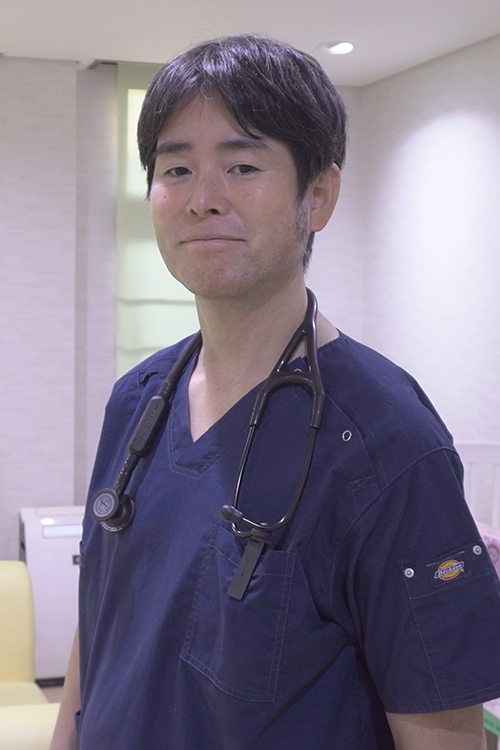
さいとう内科クリニック
院長:斉藤 雅也 Masaya Saito
- 日本内科学会認定医
- 日本肝臓学会専門医
- 日本消化器病学会専門医
- 日本超音波医学会専門医
- 日本消化器内視鏡学会専門医
神戸大学医学部附属病院等の最前線で長年消化器・肝臓内科の臨床と研究に従事。医学博士。 標準治療では回復が困難な進行した肝炎や肝硬変に対し、新たな選択肢としての「肝臓再生医療」にいち早く取り組む。また、肝硬変患者さまの中で合併症(潜在性肝性脳症)を有する割合を明らかにし、カルニチンによる潜在性肝性脳症の治療効果を世界で初めて報告するなど、国際的な英文医学誌への論文掲載実績も多数(代表論文:Hepatol Res 2016; 46(2): 215-224)。科学的根拠に基づいた高度な専門知識と精緻な診断で、患者様の肝臓を守るサポートを行っています。
≫ 詳しい経歴や全研究実績はこちら
- 院長
- 斉藤雅也 Masaya Saito
日本肝臓学会 肝臓病専門医 Hepatologist, The Japan Society of Hepatology - 所在地
- 〒651-2412
兵庫県神戸市西区竜が岡1-15-3
(駐車場18台あり) - 電話
-
- 電話:078-967-0019
- 携帯電話:080-7097-5109
- アクセス
- 当院は、神戸市西区と明石市の境界付近に位置しており、明石市からも徒歩圏内です。実際に、明石市方面からも多くの患者様(肝臓病・一般内科)にご来院いただいております。駐車場も完備しておりますので、お車での通院も便利です。