
- 2026年5月28日
- 2026年6月7日
Symptoms and Countermeasures for Ascites in Advanced Liver Cirrhosis
Hello. I am Masaya Saito, Director of Saito Clinic of Internal Medicine in Nishi-ku, Kobe.
When liver cirrhosis progresses to an advanced stage, a condition known as ascites often develops. In this article, I will explain the symptoms, risks, and treatment options for ascites from the perspective of a liver specialist.
Symptoms of Ascites Caused by Liver Cirrhosis
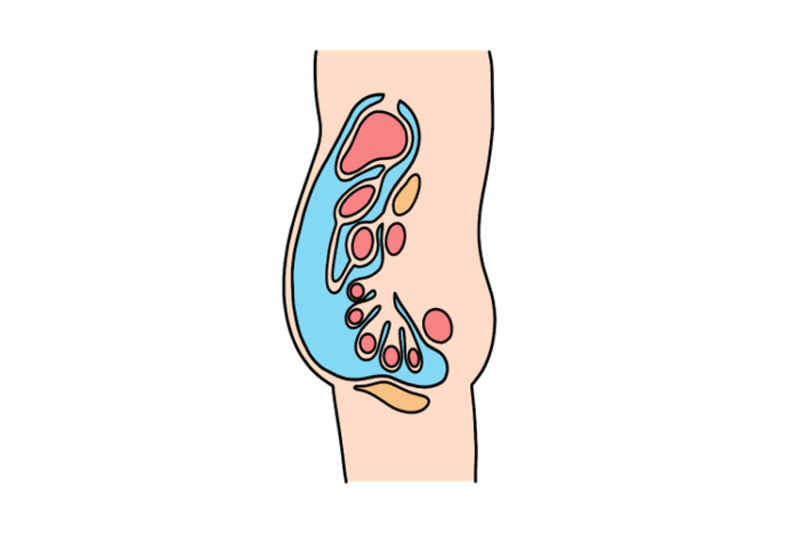
Ascites refers to the abnormal accumulation of fluid within the peritoneal (abdominal) cavity. While a small amount of fluid is normally present in the abdomen, advanced liver cirrhosis disrupts the body’s fluid balance, leading to a massive buildup of fluid. This causes symptoms such as abdominal bloating, a feeling of pressure, difficulty breathing (dyspnea), and a loss of appetite.
Changes in Symptoms as Liver Cirrhosis Progresses
As liver cirrhosis advances, the volume of ascites increases, making abdominal swelling highly noticeable. The accumulation of fluid can also compress the lungs, causing difficulty breathing when lying down. If you notice rapid weight gain or a significant decrease in urine output, there is a high possibility that ascites is accumulating rapidly.
Common Complications of Ascites
When a large amount of ascites builds up, it can lead to Spontaneous Bacterial Peritonitis (SBP), a serious bacterial infection of the fluid. Furthermore, increased abdominal pressure can worsen esophageal varices, raising the risk of life-threatening gastrointestinal bleeding. It also has severe impacts on other organs, leading to a decline in kidney function and malnutrition.
The Causes of Ascites
1.Decline in Liver Function and Ascites Formation As liver cirrhosis progresses, the liver’s ability to synthesize proteins (such as albumin) decreases, making it impossible to maintain osmotic pressure within the blood vessels. As a result, water from the blood leaks out of the vessels and accumulates in the peritoneal cavity, becoming ascites.
2.The Impact of Viral Hepatitis Viral hepatitis, such as Hepatitis B and C, is one of the primary causes of liver cirrhosis. Chronic inflammation caused by the virus promotes liver fibrosis, ultimately leading to the development of ascites.
3.The Importance of Dietary Salt and Fluid Restriction Excessive salt intake leads to sodium accumulation in the body, which further encourages the increase of ascites. Therefore, it is crucial for patients with liver cirrhosis to adhere to a low-sodium diet as part of their nutritional therapy. Appropriate fluid management is also required depending on the patient’s condition.
What Happens as Cirrhotic Ascites Accumulates?
・The Mechanism of Progression When portal hypertension (stagnation of blood flow) progresses due to liver cirrhosis, blood circulation worsens, and blood tends to pool in the abdominal vessels. This increases venous pressure, causing fluid to leak out of the blood vessels and accelerating the accumulation of ascites.
・Relationship with Other Complications An increase in ascites can trigger a decline in renal function, raising the risk of refractory ascites (ascites that no longer responds to standard diuretics). It may also be accompanied by other severe complications, such as gastrointestinal bleeding and hepatic encephalopathy.
・Signs Before the Condition Becomes Critical As ascites progresses, symptoms like a loss of appetite, rapid weight gain, decreased urine volume, and severe abdominal fullness become prominent. If these symptoms appear, it is vital to seek medical attention immediately.
The Stages of Liver Cirrhosis
・Classification of Cirrhosis and the Progression of Ascites Liver cirrhosis is classified into two main stages: compensated (mild/early stage) and decompensated (advanced stage). Ascites primarily appears during the decompensated stage.
・Characteristics of Ascites by Stage
- Compensated Liver Cirrhosis: Patients experience almost no symptoms, and ascites does not occur.
- Decompensated Liver Cirrhosis: Ascites appears, often accompanied by other symptoms such as jaundice and hepatic encephalopathy.
・The Necessity and Timing of Treatment To prevent the progression of ascites, early diagnosis and treatment are critical. It is necessary to start appropriate dietary management and medication before symptoms worsen.
Diagnostic Methods for Ascites
Types of Examinations Performed by Specialists: ・Physical Examination: Checking for abdominal distension and fluid wave signs. ・Blood Tests: Evaluating liver function and measuring serum albumin levels. ・Imaging Studies: Using ultrasound, CT scans, or MRI to assess the volume and underlying cause of the ascites.
Treatment Options for Ascites Caused by Liver Cirrhosis
1.Diuretic Therapy Medications such as diuretics (e.g., spironolactone, furosemide) are used to help the body excrete excess water, thereby reducing ascites.
2.Treatment with Tolvaptan (Samsca) Tolvaptan (Samsca) is a vasopressin V2-receptor antagonist that reduces ascites by promoting water diuresis (aquaresis). Unlike conventional diuretics, it allows the body to excrete only water while retaining sodium. This helps lower the risk of worsening hyponatremia (low blood sodium levels). Its use is considered when standard diuretics are insufficient or when the patient has coexisting hyponatremia.
3.Management via Paracentesis If a massive amount of ascites accumulates and causes severe distress, abdominal paracentesis may be performed to physically drain the excess fluid.

4.Other Advanced Treatment Options In recent years, therapies such as Cell-free and Concentrated Ascites Reinfusion Therapy (CART) and Transjugular Intrahepatic Portosystemic Shunt (TIPS) have also been utilized for refractory cases.
Progression of Liver Cirrhosis and Life Expectancy
・Changes in Life Expectancy by Stage
- Compensated Liver Cirrhosis: 5-year survival rate is approximately 72.3%.
- Decompensated Liver Cirrhosis: 5-year survival rate drops to approximately 37.9%.
・Measures to Take Before It Is Too Late Dietary management, appropriate medication, and regular checkups are indispensable.
・Signs of the Terminal Stage Worsening jaundice, consciousness disorders, and refractory ascites may indicate that the patient is approaching the end-of-life stage.
Ascites and Hepatic Encephalopathy
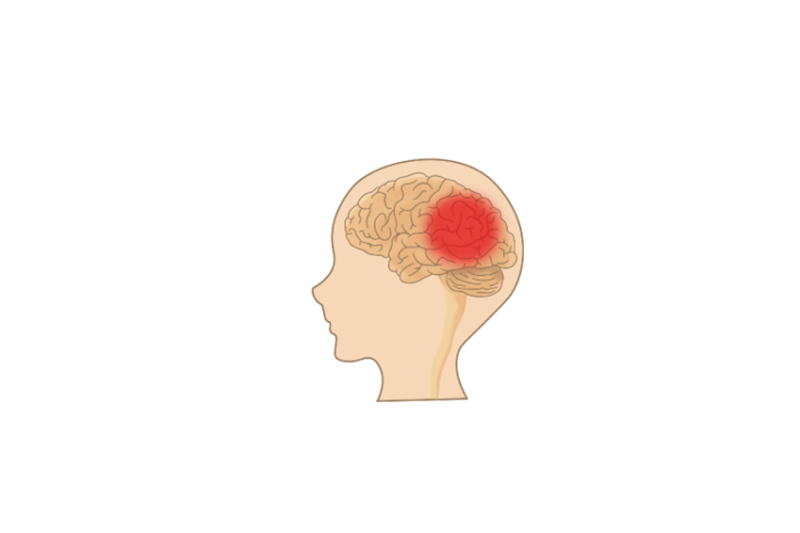
・Symptoms and Impact of Hepatic Encephalopathy Symptoms include consciousness disorders, hand tremors (flapping tremor), and memory impairment.
・Prevention and Treatment Strategies To reduce blood ammonia levels, branched-chain amino acid (BCAA) preparations, lactulose, and L-carnitine are utilized.
As a liver specialist, I have previously published a study—the first of its kind in Japan—demonstrating the clinical efficacy of L-carnitine in significantly improving hepatic encephalopathy and stabilizing ammonia metabolism in patients with liver cirrhosis. (Reference: Hepatol Res 2016; 46(2): 215-224)
Summary: Improve Your Quality of Life Before Ascites Progresses
Receiving appropriate treatment before ascites advances is key to maintaining your quality of life.
At Saito Clinic of Internal Medicine, we are dedicated to helping patients facing advanced liver cirrhosis by focusing on a new approach: liver regenerative medicine (stem cell therapy).
You may be wondering: “Is there still something that can be done for my condition?” “What exactly is regenerative medicine?”
As a specialist who has been at the forefront of liver disease treatment for many years, I have prepared an explanatory video regarding our liver regenerative medicine and the possibilities it offers.
・Watch the explanation video on liver regenerative medicine by the Director here:
Through this video, you can deepen your understanding of what regenerative medicine entails and the passion with which we approach our treatments.
If you are interested after watching the video, please do not suffer alone. Feel free to contact us via phone or the inquiry form on our website. We also offer preliminary consultations via online telemedicine.
Let us nurture hope for your future together.

さいとう内科クリニック
院長:斉藤 雅也 Masaya Saito
- 日本内科学会認定医
- 日本肝臓学会専門医
- 日本消化器病学会専門医
- 日本超音波医学会専門医
- 日本消化器内視鏡学会専門医

神戸大学医学部附属病院等の最前線で長年消化器・肝臓内科の臨床と研究に従事。医学博士。 標準治療では回復が困難な進行した肝炎や肝硬変に対し、新たな選択肢としての「肝臓再生医療」にいち早く取り組む。また、肝硬変患者さまの中で合併症(潜在性肝性脳症)を有する割合を明らかにし、カルニチンによる潜在性肝性脳症の治療効果を世界で初めて報告するなど、国際的な英文医学誌への論文掲載実績も多数(代表論文:Hepatol Res 2016; 46(2): 215-224)。科学的根拠に基づいた高度な専門知識と精緻な診断で、患者様の肝臓を守るサポートを行っています。
≫ 詳しい経歴や全研究実績はこちら
- 院長
- 斉藤雅也 Masaya Saito
日本肝臓学会 肝臓病専門医 Hepatologist, The Japan Society of Hepatology - 所在地
- 〒651-2412
兵庫県神戸市西区竜が岡1-15-3
(駐車場18台あり) - 電話
-
- 電話:078-967-0019
- 携帯電話:080-7097-5109
- アクセス
- 当院は、神戸市西区と明石市の境界付近に位置しており、明石市からも徒歩圏内です。実際に、明石市方面からも多くの患者様(肝臓病・一般内科)にご来院いただいております。駐車場も完備しておりますので、お車での通院も便利です。