
- 2026年7月2日
[Dangerous Sign] Is Dark Urine a Sign of Dehydration? Beware of “Bilirubinuria,” an SOS from Your Liver
Hello.
I am Masaya Saito, Director of Saito Clinic of Internal Medicine in Nishi-ku, Kobe.
“Lately, my urine seems kind of dark.”
“Maybe I’m just dehydrated? I’m probably just tired.”
When you notice a change in your urine color in the restroom, do you tend to brush it off and ignore it?
Actually, that dark urine might not simply be due to dehydration, but an SOS sign from your liver, known as the “silent organ.”
This time, I will talk about the deep relationship between urine color and liver function, as well as dangerous symptoms you must not overlook.
■Why Does Urine Become Dark? Liver Function and “Bilirubin”
To understand why urine becomes dark, you first need to know the important functions of the liver. The liver has three main functions:
| ・Breaking down and synthesizing nutrients from food to store and use as energy. ・Breaking down and detoxifying alcohol, medications, and waste products (detoxification). ・Producing and secreting “bile,” which aids in the digestion and absorption of fats. |
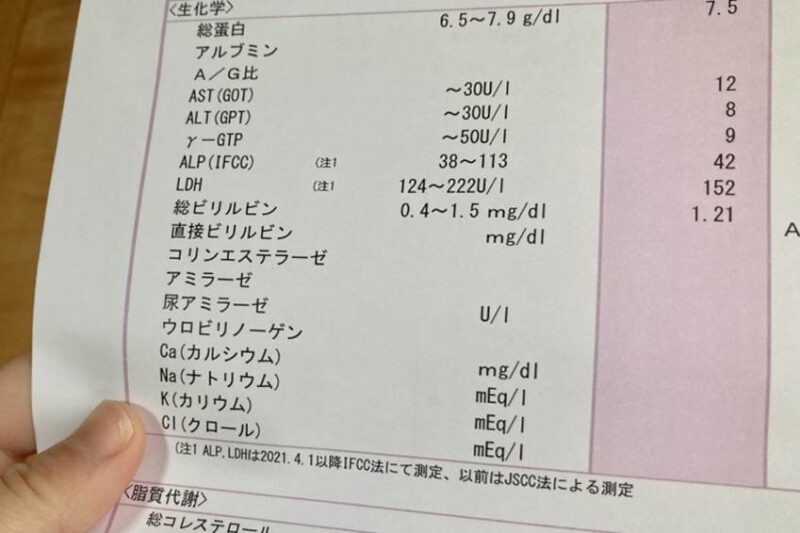
When liver function declines due to acute hepatitis, chronic hepatitis, or liver cirrhosis, a yellow pigment called “bilirubin,” contained in this bile, overflows into the bloodstream. When this mixes with urine and is excreted, the urine turns a dark yellow or brown color. This is called “bilirubinuria.”
■Beware of Confusing It with Hematuria or Dehydration

When urine appears dark brown or reddish, many people mistakenly think they have “hematuria” (blood in the urine) and visit a urologist, or assume it is “just dehydration” and wait and see while drinking tea or water.
However, the presence of bilirubinuria is a sign that liver disease is already progressing.
If “the urine remains dark and does not return to normal despite drinking plenty of fluids,” you need to visit a gastroenterology or hepatology department promptly. Leaving it untreated carries major risks, such as the disease becoming severe and requiring long-term hospitalization to cure.
■Daily Self-Checks and Dangerous Signs

To prevent the condition from becoming severe, try to be mindful of the following as daily habits:
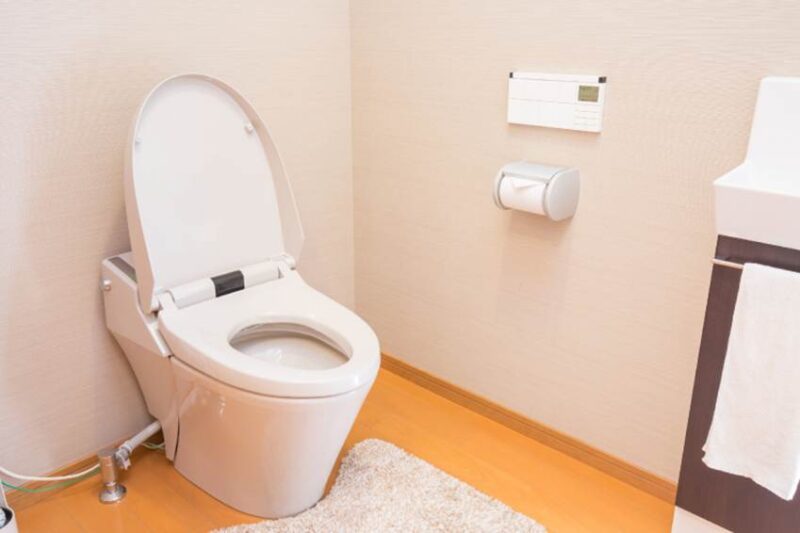
| □Restroom check: Make it a habit to check the color of your urine in a white toilet bowl. □Mirror check: When washing your face, check your face and the “whites” of your eyes in the mirror. |
If any of the following symptoms apply, there is a high possibility that your liver function has declined:
| □Urine remains dark despite drinking plenty of fluids. □The skin or the “whites” of the eyes look yellower than usual (jaundice). □Intense itching all over the body. □Feeling sluggish or having a lack of appetite. |
■Conclusion: Notice Your Liver’s Cries for Help in the Restroom and Mirror

The liver is an organ that rarely shows symptoms like pain even when damaged, but it actually sends us small SOS signals in our daily restroom and mirror checks.
If you notice any concerning signs, no matter how small, such as “strange urine color” or “persistent sluggishness,” please do not worry alone and consult our clinic
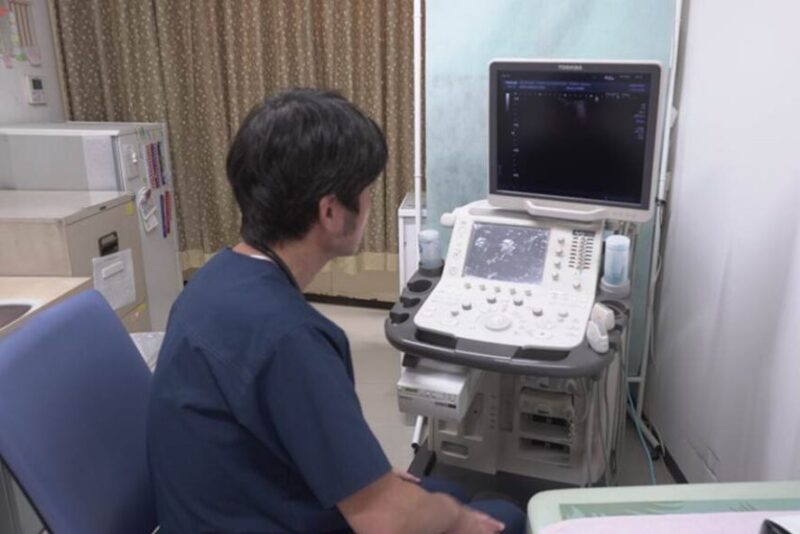
At our clinic, we accurately diagnose the condition of your liver through blood tests and abdominal ultrasound examinations. In addition to lifestyle guidance and standard treatments, we also offer the option of “liver regenerative medicine (stem cell therapy),” which uses your own cells to promote liver repair.
Starting tomorrow, please try incorporating checks of the toilet bowl after relieving yourself, as well as the color of your skin and the whites of your eyes at the sink, into your daily health routine.

さいとう内科クリニック
院長:斉藤 雅也 Masaya Saito
- 日本内科学会認定医
- 日本肝臓学会専門医
- 日本消化器病学会専門医
- 日本超音波医学会専門医
- 日本消化器内視鏡学会専門医

神戸大学医学部附属病院等の最前線で長年消化器・肝臓内科の臨床と研究に従事。医学博士。 標準治療では回復が困難な進行した肝炎や肝硬変に対し、新たな選択肢としての「肝臓再生医療」にいち早く取り組む。また、肝硬変患者さまの中で合併症(潜在性肝性脳症)を有する割合を明らかにし、カルニチンによる潜在性肝性脳症の治療効果を世界で初めて報告するなど、国際的な英文医学誌への論文掲載実績も多数(代表論文:Hepatol Res 2016; 46(2): 215-224)。科学的根拠に基づいた高度な専門知識と精緻な診断で、患者様の肝臓を守るサポートを行っています。
≫ 詳しい経歴や全研究実績はこちら
- 院長
- 斉藤雅也 Masaya Saito
日本肝臓学会 肝臓病専門医 Hepatologist, The Japan Society of Hepatology - 所在地
- 〒651-2412
兵庫県神戸市西区竜が岡1-15-3
(駐車場18台あり) - 電話
-
- 電話:078-967-0019
- 携帯電話:080-7097-5109
- アクセス
- 当院は、神戸市西区と明石市の境界付近に位置しており、明石市からも徒歩圏内です。実際に、明石市方面からも多くの患者様(肝臓病・一般内科)にご来院いただいております。駐車場も完備しておりますので、お車での通院も便利です。