- 2026年8月6日
Can Fatty Liver Be Cured? A Hepatologist Explains the Risks of Progression to Cirrhosis if Left Untreated and Diet/Exercise Therapies to Seriously Improve It
“I was told I have a ‘fatty liver’ at my health checkup.”
“Why do I have it when I don’t drink much alcohol?”
“I’m confused because I was told I have a fatty liver even though I’m thin.”
Many of you may have felt anxious or had questions like these after looking at your health checkup results.
Fatty liver is the early stage of liver disease, often called a “silent killer” because it has almost no noticeable symptoms. It is a very scary condition that, if left untreated simply because there are no symptoms, can progress unnoticed from “hepatitis” to “liver cirrhosis” and eventually to “liver cancer.”
However, fatty liver is also a disease that can be “cured” if detected early and treated properly.
In this article, from the perspective of a liver specialist (hepatologist), we will thoroughly explain the true risks of fatty liver and specific methods (diet and exercise) to seriously improve it.
What Is “Fatty Liver” in the First Place?
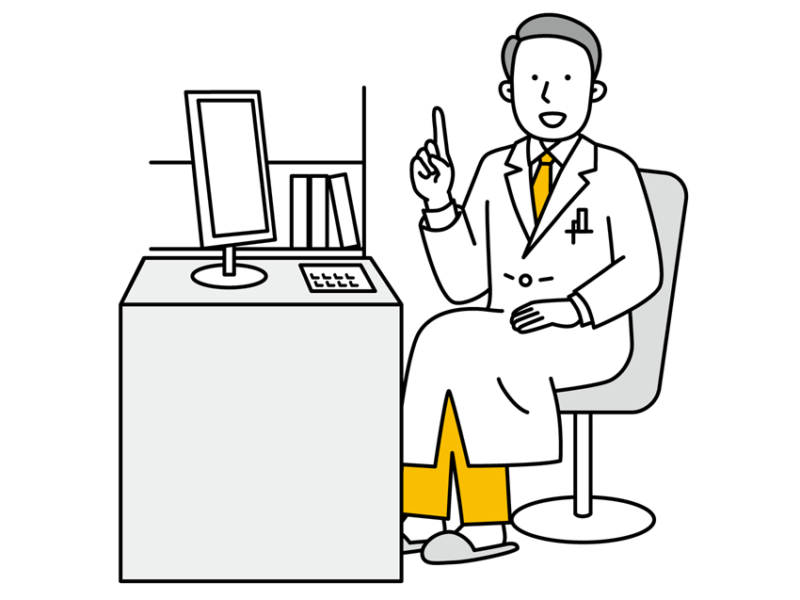
Fatty liver literally refers to “a condition in which excessive fat (mainly neutral fat/triglycerides) accumulates in the liver.” Even a healthy liver contains about 3% to 5% fat, but when it exceeds 5%, it is diagnosed as a fatty liver.
Fatty liver is broadly divided into two types:
① Alcoholic Fatty Liver
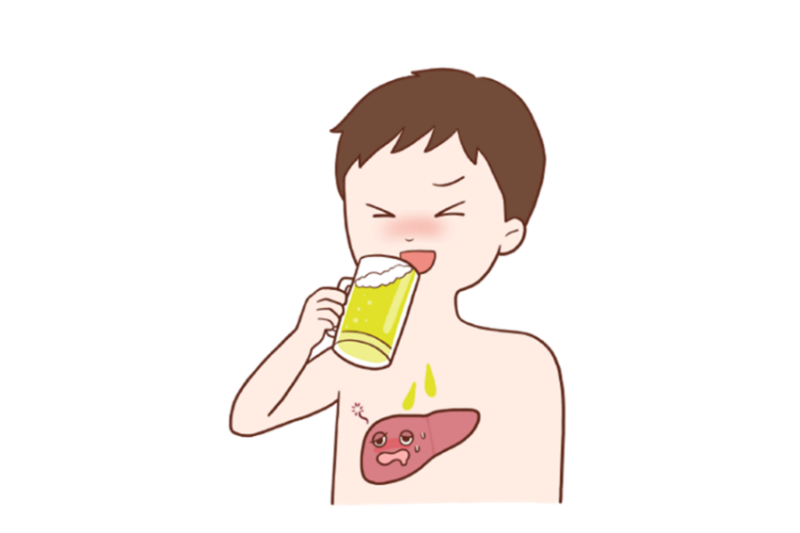
This is a fatty liver caused by long-term, excessive alcohol consumption. When alcohol is broken down in the liver, the synthesis of neutral fat is promoted, making it easier to accumulate.
② Metabolic Dysfunction-Associated Steatotic Liver Disease (MASLD)

This is a fatty liver that develops even in people who drink very little or no alcohol at all, and it has been rapidly increasing in recent years. The main causes are disruptions in lifestyle habits, such as obesity, diabetes, dyslipidemia (hyperlipidemia), and a lack of exercise.
The Condition to Watch Out For: “MASH”
Within Metabolic Dysfunction-Associated Steatotic Liver Disease (MASLD), there is “simple fatty liver,” where fat merely accumulates, and “Metabolic Dysfunction-Associated Steatohepatitis (MASH),” which involves inflammation and the destruction of liver cells.
(※Note: Due to advances in medical knowledge, MASLD/MASH are new concepts and terms updated from the traditional “NAFLD/NASH”.)
MASH is estimated to account for about 10% to 20% of all MASLD cases. Particular caution is required, as it is said that if left untreated, approximately 10% to 20% of people with MASH will progress to liver cirrhosis within 10 years.
“Symptoms” of Fatty Liver — Why Is It Left Untreated?
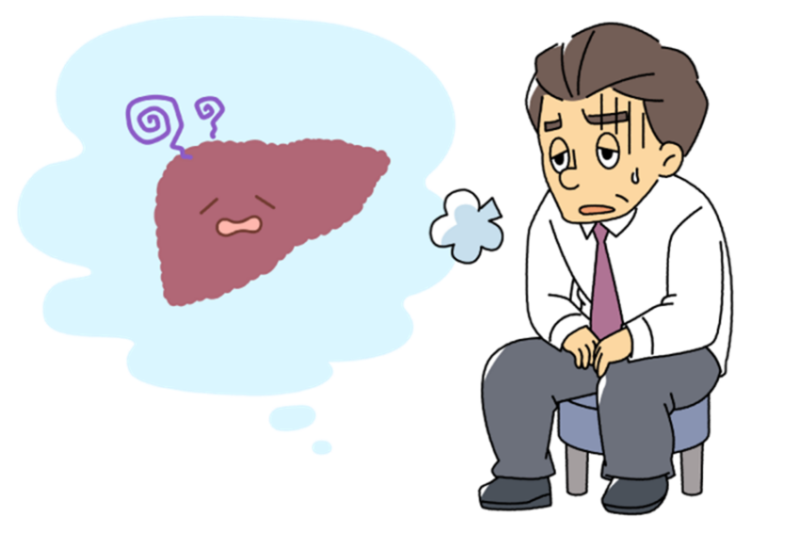
The biggest reason fatty liver is called a “silent killer” is that in its early stages, there are almost no noticeable subjective symptoms.
The liver is an extremely resilient organ that continues to work quietly even when damaged. Therefore, by the time symptoms like the following appear, the disease may have already progressed significantly (transitioned into hepatitis or liver cirrhosis):
- Feeling sluggish or easily fatigued
- Loss of appetite
- Nausea
- Discomfort in the upper right abdomen
- Jaundice (yellowing of the skin and the whites of the eyes)
Because there are no symptoms, abnormalities in liver function numbers (such as AST, ALT, γ-GTP) or findings during an abdominal ultrasound during a health checkup serve as your only chance to become aware of the disease.
Why Does Fatty Liver Occur? Causes Why Even “Thin” People Cannot Rest Easy

Do you think, “I’m not fat, so I’m fine”? Obesity is not the only cause of fatty liver.
Main Causes
- Obesity / Overeating: The most common cause. Excessive intake of carbohydrates (rice, bread, noodles, sugary drinks) and fats is particularly cited.
- Excessive Alcohol Consumption: The cause of the “Alcoholic Fatty Liver” mentioned above.
- Diabetes: Insulin function deteriorates, making it easier for fat to accumulate in the liver.
- Lack of Exercise: Calorie intake exceeds calorie expenditure, and the excess energy is accumulated in the liver as fat.
Causes of Fatty Liver in Thin People (Lean Fatty Liver)

It is not uncommon for thin people (BMI below standard) to be diagnosed with a fatty liver at health checkups.
- Extreme Dieting: When malnutrition (especially protein deficiency) occurs due to excessive dietary restrictions, the liver cannot properly use fat as energy, which can ironically lead to fat accumulating in the liver.
- Excessive Carbohydrate Intake: People who say, “I don’t eat rice, but I often eat sweets and drink juice,” are prone to accumulating visceral fat and developing a fatty liver, even if they are thin.
- Drug-Induced: Fatty liver can occur as a side effect of certain medications (such as steroids).
- Constitution/Genetics: Some people are genetically predisposed to accumulating fat in the liver.
Even if you are thin, if abnormalities in liver function values or issues on an abdominal ultrasound are pointed out during a health checkup, do not think “it has nothing to do with me.” Be sure to consult a hepatologist.
“Dietary Therapy” to Improve Fatty Liver

There is no “magic bullet” medication for treating fatty liver. The most important and effective treatment is “lifestyle improvement,” particularly “diet.”
Things to Reduce
- Carbohydrates (especially “bad carbohydrates”):
- NG (Avoid): High-fructose corn syrup (juices, soft drinks, dressings), sweets, sweet pastries, and “binge eating” of white rice, udon noodles, or bread.
- OK (Recommended): Brown rice, mixed grains, whole wheat bread, and buckwheat noodles (in appropriate amounts).
- Key Point: Carbohydrates are the nutrients that convert most easily into neutral fat in the liver. Start by swapping sugary drinks for water or unsweetened tea.
- Fats (especially “bad fats”):
- NG (Avoid): Fried foods, sweet treats, snack foods, processed meats (bacon, sausages), and margarine.
- OK (Recommended): Fish (mackerel, sardines), meat, and soy products (in appropriate amounts).
- Alcohol:
- For those with alcoholic fatty liver, “abstinence” is an absolute requirement. Even for non-alcoholic cases, set aside “liver rest days” to give your liver a break and stick to moderate amounts.
Things to Actively Consume
- High-Quality Protein:
- Essential for liver repair and regeneration.
- Examples: Soy products like tofu, skinless chicken breast, and white-fleshed fish.
- Dietary Fiber, Vitamins, and Minerals:
- Slow down the absorption of sugars and fats, helping liver function.
- Examples: Vegetables (especially green and yellow vegetables), mushrooms, and seaweed.
- Key Point: Practice “vegetables (dietary fiber) first” when eating meals.
- “Exercise Therapy” to Improve Fatty Liver
Exercise is just as important as diet. Exercise has the direct effect of burning accumulated fat.
- Recommended Exercise: Aerobic exercise (walking, jogging, swimming, cycling)
- Guidelines:
- At an intensity where you feel “somewhat hard”
- 30 minutes or more per session
- About 3 times a week
- Strength Training Is Also Effective: It increases your basal metabolic rate, creating a body that burns fat more easily. Incorporate exercises like squats and sit-ups within a reasonable range.
Start by increasing your physical activity in daily life, such as “taking the stairs instead of the elevator” or “getting off the bus one stop early and walking.”
Is There a “Magic Bullet” Medication for Fatty Liver?

Unfortunately, as of 2025, no “magic bullet” medication has been developed that will cure fatty liver simply by taking it.
However, if the disease has progressed to MASH (Metabolic Dysfunction-Associated Steatohepatitis) and liver fibrosis (hardening) is advancing, Vitamin E administration or medications for underlying conditions like diabetes and dyslipidemia (such as SGLT2 inhibitors or GLP-1 receptor agonists) may be used.
The foundation of treatment remains, fundamentally, the “diet” and “exercise” explained above.
Fatty Liver Is the Gateway to Cirrhosis. Consult a Hepatologist First
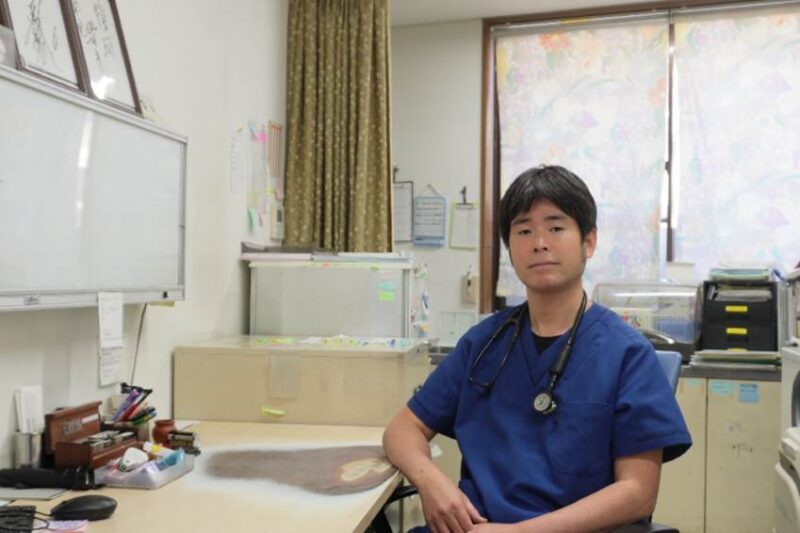
Fatty liver can progress quietly without subjective symptoms and lead to life-threatening conditions such as liver cirrhosis and liver cancer.
However, fatty liver is also an important SOS sign from the liver—a “last chance to review your lifestyle habits.” If you notice it at this stage and improve your diet and exercise, it is entirely possible to restore your liver function to a healthy state.
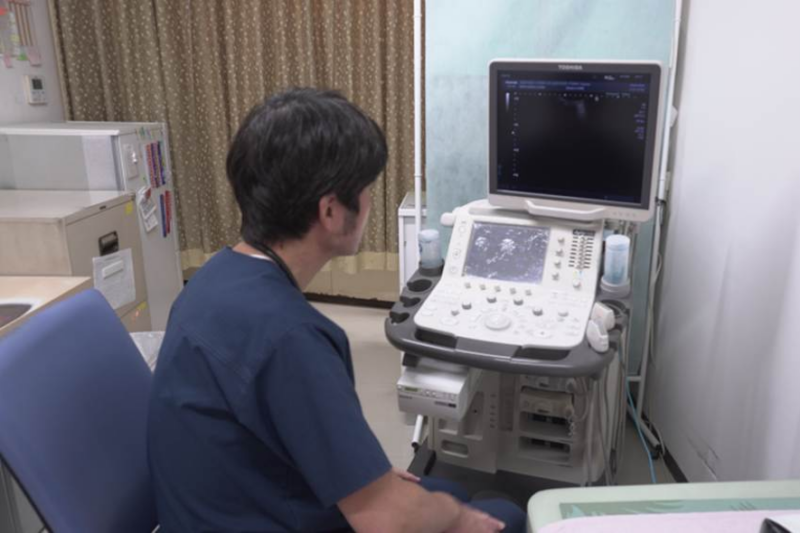
If fatty liver is pointed out at a health checkup, do not leave it untreated based on your own judgment. First, consult a gastroenterologist or a hepatologist (liver specialist). Accurately understanding the current state of your liver through abdominal ultrasound and blood tests (whether it is simple fatty liver or MASH with advancing inflammation and fibrosis) is the very first step of treatment.
At our clinic, we provide lifestyle guidance and pharmacotherapy, and for advanced liver diseases, we maintain a system to always offer the latest treatment options, including “regenerative medicine” using the patient’s own stem cells. Before it becomes too late, please feel free to consult with us.

さいとう内科クリニック
院長:斉藤 雅也 Masaya Saito
- 日本内科学会認定医
- 日本肝臓学会専門医
- 日本消化器病学会専門医
- 日本超音波医学会専門医
- 日本消化器内視鏡学会専門医
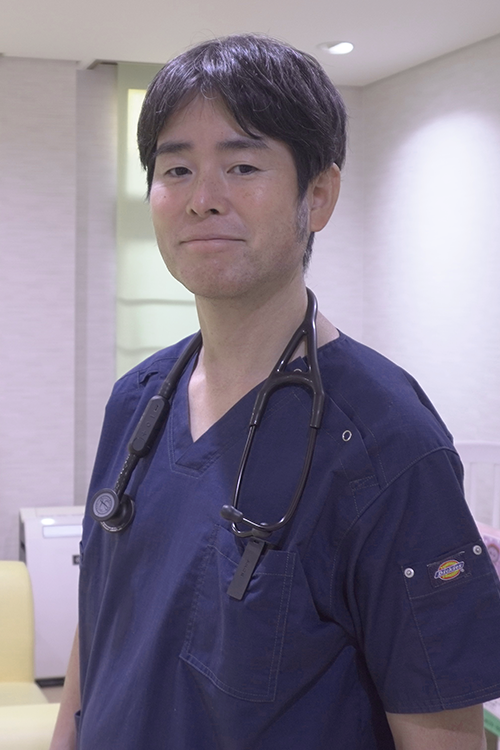
神戸大学医学部附属病院等の最前線で長年消化器・肝臓内科の臨床と研究に従事。医学博士。 標準治療では回復が困難な進行した肝炎や肝硬変に対し、新たな選択肢としての「肝臓再生医療」にいち早く取り組む。また、肝硬変患者さまの中で合併症(潜在性肝性脳症)を有する割合を明らかにし、カルニチンによる潜在性肝性脳症の治療効果を世界で初めて報告するなど、国際的な英文医学誌への論文掲載実績も多数(代表論文:Hepatol Res 2016; 46(2): 215-224)。科学的根拠に基づいた高度な専門知識と精緻な診断で、患者様の肝臓を守るサポートを行っています。
≫ 詳しい経歴や全研究実績はこちら
- 院長
- 斉藤雅也 Masaya Saito
日本肝臓学会 肝臓病専門医 Hepatologist, The Japan Society of Hepatology - 所在地
- 〒651-2412
兵庫県神戸市西区竜が岡1-15-3
(駐車場18台あり) - 電話
-
- 電話:078-967-0019
- 携帯電話:080-7097-5109
- アクセス
- 当院は、神戸市西区と明石市の境界付近に位置しており、明石市からも徒歩圏内です。実際に、明石市方面からも多くの患者様(肝臓病・一般内科)にご来院いただいております。駐車場も完備しておりますので、お車での通院も便利です。