
- 2026年8月6日
Is Alcohol the Cause? Symptoms, Progression, and Treatment Key Points of “Alcoholic Liver Cirrhosis”
“I feel like I get tired easily lately…”
“I have continuous days of feeling sluggish…”
Are you experiencing these vague physical ailments?
Perhaps it is a sign that daily drinking habits are placing a burden on your liver, and alcoholic liver cirrhosis is quietly creeping up on you.
The liver is known as the “silent organ,” possessing the characteristic that specific symptoms rarely appear until the disease has progressed significantly. Therefore, understanding the full picture of alcoholic liver cirrhosis—from early signs that are easily overlooked to severe, life-threatening symptoms—is extremely important in protecting your own health.
In this blog, we will explain in detail how alcoholic liver cirrhosis progresses and what symptoms appear. We will also delve into the limitations of conventional treatments and the potential of liver regenerative medicine that brings new hope, conveying how crucial early detection and appropriate treatment truly are.
What Is Alcoholic Liver Cirrhosis? Progressing Liver Damage
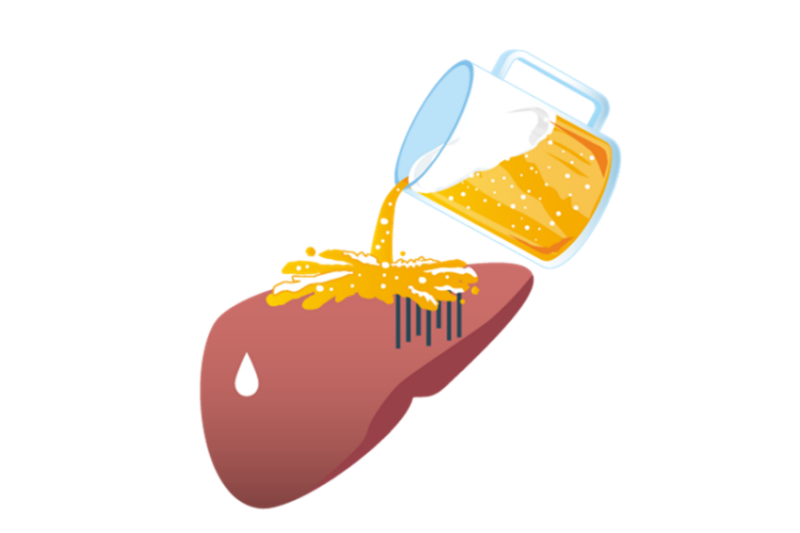
The liver plays a wide variety of essential, life-sustaining roles in our bodies, including metabolism, detoxification, and bile production. Alcoholic liver cirrhosis is a disease in which the liver gradually hardens and loses its vital functions due to excessive, long-term alcohol consumption. Harmful substances (acetaldehyde) produced when alcohol is broken down in the liver directly damage liver cells; as this is chronically repeated, liver cells are destroyed and inflammation occurs.
This disease begins as alcoholic fatty liver. With continued drinking, it progresses to alcoholic hepatitis—where inflammation occurs in liver cells—and ultimately leads to alcoholic liver cirrhosis. Once it progresses to cirrhosis, liver function declines significantly, increasing the likelihood of causing various complications.
“I’m Young, So I’m Fine” Is Dangerous! The Creeping Shadow of Alcohol

While alcoholic cirrhosis is often imagined to occur mainly in middle-aged and older adults, in recent years the risk of onset has been rising even among young people in their 20s and 30s. Background factors include increased opportunities for drinking, excessive intake due to stress, and individual differences in alcohol tolerance. Women in particular tend to develop liver dysfunction with lower alcohol amounts and over shorter periods than men, so caution is necessary. “Kitchen drinkers” who consume alcohol while cooking also tend to develop liver dysfunction more easily, requiring special attention.
Unmissable Symptoms of Alcoholic Liver Cirrhosis: From Early Signs to Dangerous Indications in Advanced Stages
Because the liver is called the “silent organ,” there are almost no subjective symptoms in the early stages of alcoholic hepatitis. Consequently, a key characteristic is that the disease advances without you realizing it. However, SOS signals from the liver definitely exist, and observing them carefully can lead to early detection.
“Vague Ailments” That May Appear in the Early Stage
- General Malaise / Chronic Fatigue: Caused when liver metabolic functions decline, preventing sufficient energy production, or when harmful substances in the body cannot be fully detoxified and accumulate. Caution is needed if fatigue persists despite getting enough sleep.
- Loss of Appetite / Nausea / Heartburn: Declined liver function also affects digestion and absorption, which can cause a drop in appetite or feelings of nausea.
- Abdominal Bloating: This may be seen especially in the early stages of alcoholic fatty liver.
Because these symptoms are seen in many other illnesses as well, do not simply assume it is mere fatigue or summer exhaustion. If they persist without any other apparent cause, you need to suspect a liver abnormality.
Severe Symptoms Appearing in Advanced Stages (Signs of Decompensated Liver Cirrhosis)
When liver function declines markedly and progresses to the state of decompensated liver cirrhosis, severe symptoms that directly threaten life appear one after another.
- Jaundice: Because the liver can no longer properly process and excrete “bilirubin” (a breakdown product of old red blood cells), bilirubin increases in the blood, causing the skin, whites of the eyes, and urine to turn yellow (or dark brown). It is a visually clear sign indicating the progression of declining liver function.
- Edema / Ascites: When the liver cannot produce sufficient amounts of “albumin,” a protein that maintains fluid balance in the blood, fluid leaks out of blood vessels, causing swelling in the legs and ascites (fluid accumulation in the abdomen). This causes abdominal tightness, discomfort, and difficulty breathing, significantly lowering Quality of Life (QOL).
- Drop in Concentration / Daytime Sleepiness / Flapping Tremors (Hepatic Encephalopathy): Occurs when the liver fails to fully detoxify harmful substances such as ammonia, allowing toxins to affect the brain. Disorientation and personality changes may be seen in the early stages. Driving skills may also decline early on, creating a risk of traffic accidents. A characteristic sign is “flapping tremor,” where the hands shake irregularly when both arms are extended straight out. Hepatic encephalopathy is a dangerous sign of severely declined liver function, and if it progresses, the patient may fall into a coma.
- Easy Bleeding / Easy Bruising: Because the liver cannot produce enough clotting factors necessary for blood coagulation, nosebleeds or bleeding from gums become hard to stop, and bruises appear easily even without remembered impact. Anemic states may develop, making a person easily feel short of breath or experience palpitations with slight movement.
- Palmar Erythema / Spider Angiomas / Gynecomastia in Men: Impaired breakdown of hormones can cause palms—especially the bases of the thumbs and pinky fingers—to become spotty red (palmar erythema), spider-like vascular lesions (spider angiomas) to appear on the face, neck, chest, or shoulders, or breast enlargement (“gynecomastia”) in men.
- Lowered Alcohol Tolerance: A sign that the liver’s ability to break down alcohol has declined.
- Vomiting Blood / Black Stools (Tarry Stools): When blood flow in the liver worsens due to cirrhosis, esophagogastric varices—swollen, knob-like blood vessels in the esophagus or stomach—can form. If these rupture, it leads to sudden, massive vomiting of blood (hematemesis) or stools blackened by stomach acid (tarry stools). This is an extremely life-threatening state requiring emergency treatment.
Many well-known figures, including Yasushi Yokoyama and Susumu Kobayashi, lost their lives to alcoholic liver cirrhosis. On the other hand, figures like Naoko Hayashiba and Bull Nakano are known as cases where individuals fought the disease and achieved recovery despite being diagnosed with alcoholic cirrhosis.
These examples show that alcoholic liver cirrhosis is a familiar issue that can happen to anyone, and is by no means someone else’s problem.
Key Points of Examinations for Early Detection of Liver Dysfunction
Since the liver is a “silent organ” where symptoms rarely appear, regular health checkups are the most reliable method for early detection.
Liver SOS Signs to Look for in Blood Tests
In blood tests during health checkups, the following values indicating liver damage and operational state are checked:
- AST (GOT) and ALT (GPT): Enzymes contained in large amounts inside liver cells. When liver cells suffer damage and leak into the bloodstream, these values rise. Higher numbers suggest greater destruction of liver cells, indicating that the liver has sustained damage. They elevate in chronic hepatitis, liver cirrhosis, fatty liver, etc.
- γ-GTP (Gamma-GTP): Well known as an indicator of alcoholic liver damage, but it also rises in non-alcoholic fatty liver (NASH), drug-induced liver injury, and biliary tract abnormalities.
- Albumin (Alb): The primary protein produced by the liver and an important indicator of the liver’s synthetic capacity. A low value suggests a decline in liver function and affects edema, among other things.
- Platelet Count (PLT): As liver cirrhosis advances, the spleen enlarges and platelets are easily destroyed, causing values to drop. This is said to correlate with the degree of liver fibrosis progression.
It is important to judge these values comprehensively rather than in isolation. Furthermore, even if values fall within reference ranges, it is crucial to check whether numbers have changed compared to past results.
Importance of Abdominal Ultrasound (Echo) Examinations
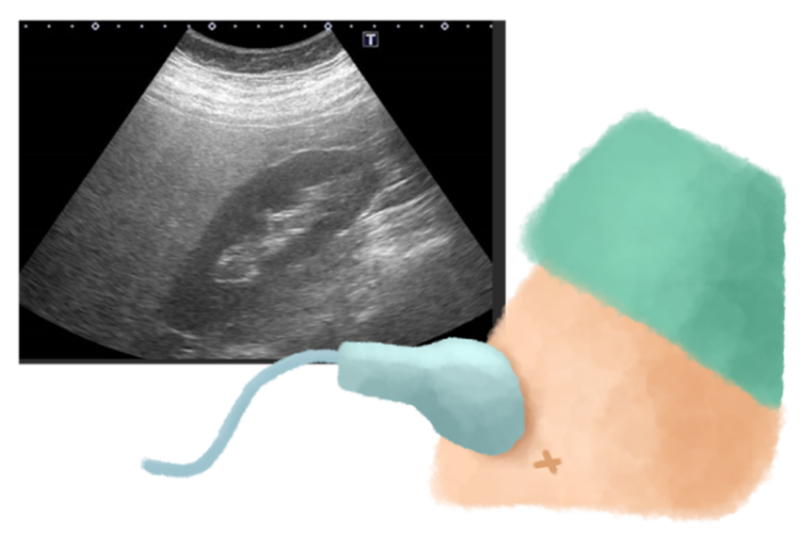
An abdominal ultrasound (echo) examination is a safe test with minimal physical burden that allows visual confirmation of the liver’s shape, size, degree of fat accumulation, and signs of fibrosis. In particular, the severity of fatty liver can be evaluated as “mild,” “moderate,” or “severe,” and liver stiffness measurement is also performed to evaluate whether fibrosis has progressed. The director of Saito Clinic of Internal Medicine, as a Hepatology Specialist certified by the Japan Society of Hepatology and an Ultrasound Specialist certified by the Japan Society of Ultrasonics in Medicine, carefully performs these examinations to precisely diagnose patients’ liver conditions.
Treatment for Alcoholic Liver Cirrhosis: Abstinence and the New Hope of Regenerative Medicine

Facing a diagnosis of alcoholic liver cirrhosis and confronting the phrase “life expectancy” is extremely painful. However, “life expectancy” is merely a statistical prediction and is not an absolute factor determining an individual patient’s future. Through lifestyle improvements, treatment efforts, and above all, the patient’s own “will to live,” the future can change significantly.
The Most Important Treatment: Abstinence from Alcohol
To halt the progression of alcoholic liver cirrhosis and improve the current state, the single most important and indispensable step is to completely abstain from alcohol (sobriety). If drinking continues, liver damage will advance further, raising the risk of complications; however, committing to abstinence allows for expected improvements in liver function and the suppression of liver damage progression.
Conventional Treatments and Their Limits
Conventional treatment for alcoholic liver cirrhosis centers on symptomatic therapy to ease symptoms while using alcohol abstinence as the foundation.
- Nutritional Therapy: Appropriate dietary guidance is provided to reduce the burden on the liver and promote regeneration.
- Drug Therapy: Medications that suppress liver inflammation or assist liver function are utilized. Diuretics or tolvaptan are used for ascites, while branched-chain amino acid (BCAA) preparations and drugs that regulate the intestinal environment are used for hepatic encephalopathy.
- Liver Transplantation: For end-stage cirrhosis where maintaining life through internal medical treatment becomes difficult, a liver transplant may be the sole curative treatment option. However, many challenges exist, including donor shortages, surgical risks, and high medical expenses.
A New Hope: Liver Regenerative Medicine (Stem Cell Therapy)
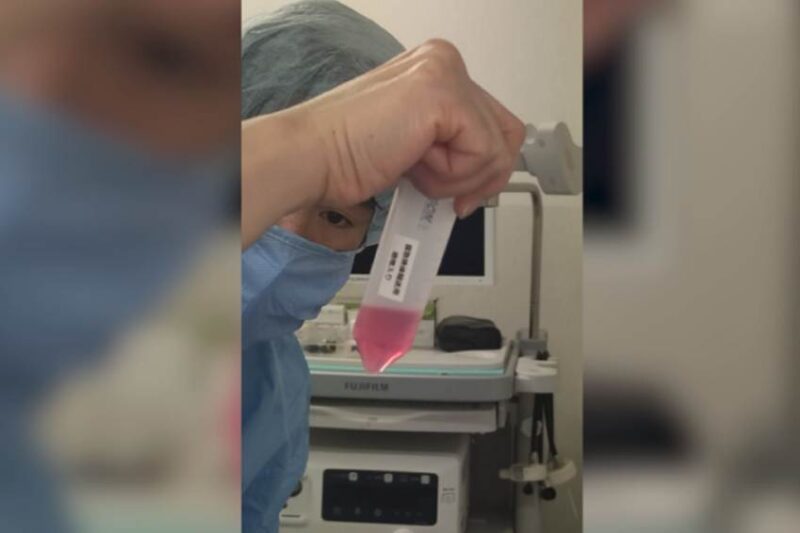
With conventional treatment methods, restoring a liver that has once hardened back to its soft state was considered difficult. However, liver regenerative medicine using stem cells, which has drawn attention in recent years, carries the potential to bring new hope.
This treatment is performed by collecting and culturing stem cells from the patient’s own fat tissue and returning them into the body via an intravenous drip. Stem cells possess a property (homing effect) of naturally gathering at damaged liver tissue, and the following actions are expected:
- Suppression of Inflammation: Suppresses chronic inflammation in the liver and reduces damage to liver cells.
- Suppression and Improvement of Fibrosis: Inhibits the generation of fibrous tissue that causes the liver to harden, and in some cases may even improve it.
- Promotion of Repair and Regeneration of Remaining Liver Cells: Supports the liver’s own healing power by secreting substances that assist in repairing damaged liver cells and promoting the formation of new blood vessels.
Through these actions, this therapy holds potential for improving liver function, alleviating symptoms such as fatigue, ascites, edema, and hepatic encephalopathy, and ultimately enhancing Quality of Life (QOL). Even in cases with severe liver failure symptoms (ascites, edema, hepatic encephalopathy, fatigue, jaundice, ruptured esophagogastric varices, etc.), patients can receive liver regenerative medicine, excluding specific conditions such as active liver cancer. While it may take about six months to a year for effects to appear, there are patients who gradually experience improvements in liver function numbers and symptom relief.
Because the patient’s own cells are used, there is also the advantage of a low risk of rejection reactions. Saito Clinic of Internal Medicine has launched this stem cell-based liver regenerative medicine as a new treatment option for patients with hepatitis and liver cirrhosis.
Consult a Specialist for the Future of Your Liver

Rather than making a self-judgment like “It’s probably just fatigue,” listen to the signals from your body. If you have concerning symptoms, consulting a specialist early on is extremely important. Especially if you have been diagnosed with alcoholic liver cirrhosis or feel you are at high risk, early abstinence from alcohol and appropriate treatment will significantly influence your prognosis.
At Saito Clinic of Internal Medicine, our director—a hepatology specialist—also accepts online preliminary consultations regarding liver regenerative medicine (using Curon). We support you in thinking together about the optimal treatment method tailored to your condition and nurturing hope for the future.

さいとう内科クリニック
院長:斉藤 雅也 Masaya Saito
- 日本内科学会認定医
- 日本肝臓学会専門医
- 日本消化器病学会専門医
- 日本超音波医学会専門医
- 日本消化器内視鏡学会専門医

神戸大学医学部附属病院等の最前線で長年消化器・肝臓内科の臨床と研究に従事。医学博士。 標準治療では回復が困難な進行した肝炎や肝硬変に対し、新たな選択肢としての「肝臓再生医療」にいち早く取り組む。また、肝硬変患者さまの中で合併症(潜在性肝性脳症)を有する割合を明らかにし、カルニチンによる潜在性肝性脳症の治療効果を世界で初めて報告するなど、国際的な英文医学誌への論文掲載実績も多数(代表論文:Hepatol Res 2016; 46(2): 215-224)。科学的根拠に基づいた高度な専門知識と精緻な診断で、患者様の肝臓を守るサポートを行っています。
≫ 詳しい経歴や全研究実績はこちら
- 院長
- 斉藤雅也 Masaya Saito
日本肝臓学会 肝臓病専門医 Hepatologist, The Japan Society of Hepatology - 所在地
- 〒651-2412
兵庫県神戸市西区竜が岡1-15-3
(駐車場18台あり) - 電話
-
- 電話:078-967-0019
- 携帯電話:080-7097-5109
- アクセス
- 当院は、神戸市西区と明石市の境界付近に位置しており、明石市からも徒歩圏内です。実際に、明石市方面からも多くの患者様(肝臓病・一般内科)にご来院いただいております。駐車場も完備しておりますので、お車での通院も便利です。