- 2026年8月6日
[Must-Read for Women in Their 50s] Is Fatty Liver the Biggest Reason You “Can’t Lose Weight Even Though You’re Hardly Eating”? The Pitfalls of Low-Carb Diets and Hidden Obesity
Hello.
I am Masaya Saito, Director of Saito Internal Medicine Clinic in Nishi-ku, Kobe.
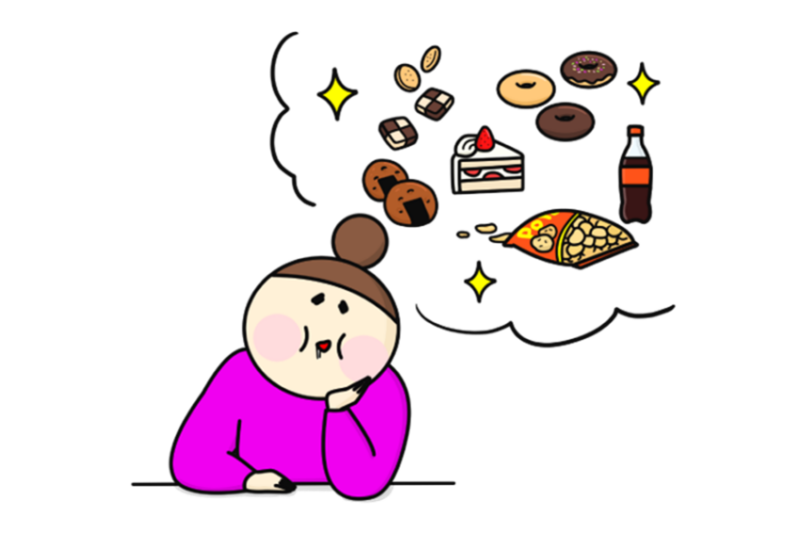
“Even though I eat the same amount as when I was younger, I gain weight more easily for some reason.”
“Even though I’m cutting back on calories, only my stomach is sticking out.”
“Even though I’m on a low-carb diet, I’m not losing any weight at all.”
We often receive these kinds of concerns from patients in their 50s.
In fact, the fundamental cause of this “difficulty in losing weight” may not just be age, but “fatty liver,” a condition where fat accumulates in the liver.
Today, I would like to discuss the diet traps that women in their 50s easily fall into, and the key points to reviving your metabolism to achieve a body that loses weight more easily.
■ The Biggest Reason You Can’t Lose Weight Is “Consuming Too Many Carbohydrates”
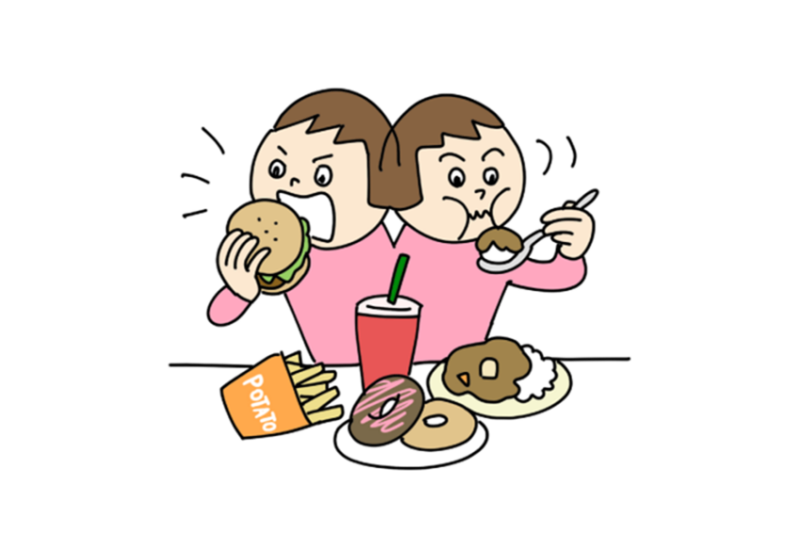
When you hear “fatty liver,” you might picture “eating too many fatty meals like meat or fried foods.” However, what you really need to be careful of is “consuming too many carbohydrates.”
Carbohydrates we get from meals (rice, bread, noodles, sweets, etc.) are broken down into glucose and used as energy throughout the entire body. Any excess amount is temporarily stored in the liver as “glycogen,” an energy reservoir.
However, if it is stored without being consumed as energy, it eventually turns into “neutral fat (triglycerides)” and accumulates in the liver.
One of the liver’s important functions is “metabolism,” which converts nutrients into energy. When excessive fat accumulates in the liver, this metabolic function declines. This is the biggest reason why people gain weight easily when they have a fatty liver.
■ “3 Traps” That Women in Their 50s Easily Fall Into
Even if you think, “I don’t eat that many sweets, so I’m fine,” you need to be careful if you fit into the following types:
- The “Excess Carbohydrates from Quick Meals” Type Quick meals like having just a convenience store rice ball or just udon noodles for lunch tend to lean heavily toward carbohydrates. Many people worry about calories and avoid meat (fats), resulting in an increased proportion of carbohydrates instead.
- The “Health-Conscious” Type (With Good Intentions) Habits like drinking smoothies or lactic acid bacteria drinks in the morning and never missing fruit after meals. At first glance, this seems healthy, but actually, these contain a lot of sugars (such as fructose), which can raise blood sugar levels without you realizing it and place a burden on your liver.
- The “Undernutrition Fatty Liver” Type from Extreme Dieting Extreme diets such as “cutting out carbs completely” or “drastically reducing food intake” actually have the opposite effect.
When fat inside the liver decreases drastically, the brain senses a life-threatening crisis and forcibly gathers fat from all over the body to accumulate it in the liver. As a result, even though your arms and legs are thin, your liver becomes packed with fat, leading to a protruding stomach—a condition known as “diet-induced fatty liver (undernutrition fatty liver).”
■ Is Your Liver Okay? Self-Check with a Blood Test

To find “hidden fatty liver” that cannot be seen from outward appearance, check the “liver function (ALT, AST, γ-GTP)” numbers in your health checkup blood test.
You should pay particular attention to the “ALT” value.
- The general reference value is set around 30, but the ideal value for a truly healthy state with zero fat accumulated in the liver is “16 or lower.”
- If ALT exceeds 20, there is a high possibility of “hidden fatty liver,” where fat has already begun to accumulate in the liver.
■ The Option of “Regenerative Medicine” When Metabolism Doesn’t Return
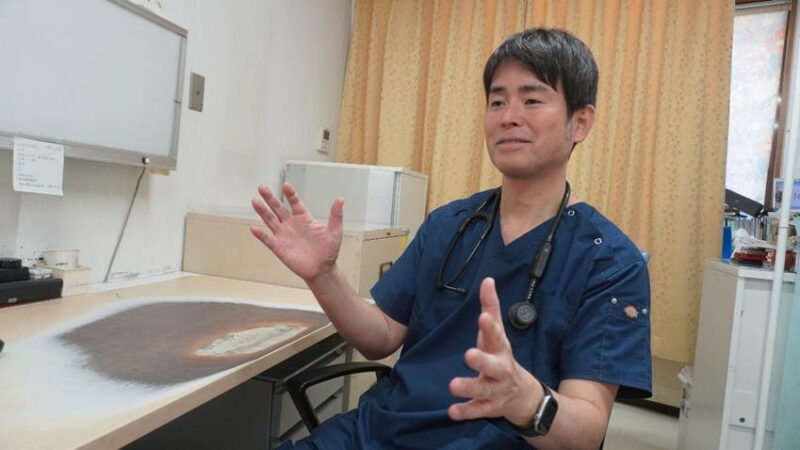
To regain a body that loses weight easily, rather than going on extreme dietary restrictions, it is important to consume necessary protein, maintain muscle mass, and revive the liver’s metabolic function.
However, there are also people who feel “the liver has hardened due to long-term burden, making self-improvement difficult” or “liver numbers don’t improve even after reviewing lifestyle habits.”
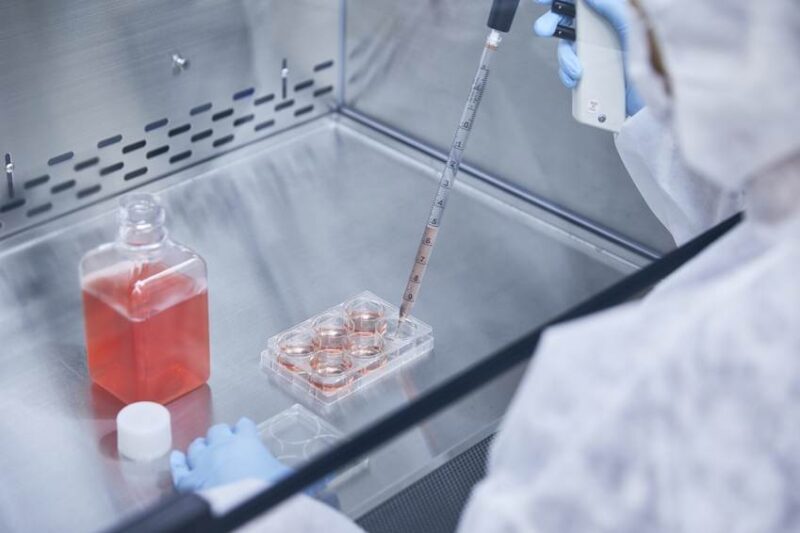
Our clinic offers “liver regenerative medicine (stem cell therapy)” for such individuals.
This treatment aims to promote liver repair using your own cells and calm inflammation, thereby restoring the liver’s original “metabolic function.” When the liver becomes healthy, your body will transform into a “body that loses weight easily and tires less,” converting what you eat into energy efficiently.
For those who say “I can’t lose weight no matter what I do” or “I’m concerned about my waistline,” why not start by accurately understanding the state of your liver?
It is important not to be swayed by the numbers on the scale, but to listen to your liver’s voice (blood data). Please feel free to consult with Saito Internal Medicine Clinic.

さいとう内科クリニック
院長:斉藤 雅也 Masaya Saito
- 日本内科学会認定医
- 日本肝臓学会専門医
- 日本消化器病学会専門医
- 日本超音波医学会専門医
- 日本消化器内視鏡学会専門医
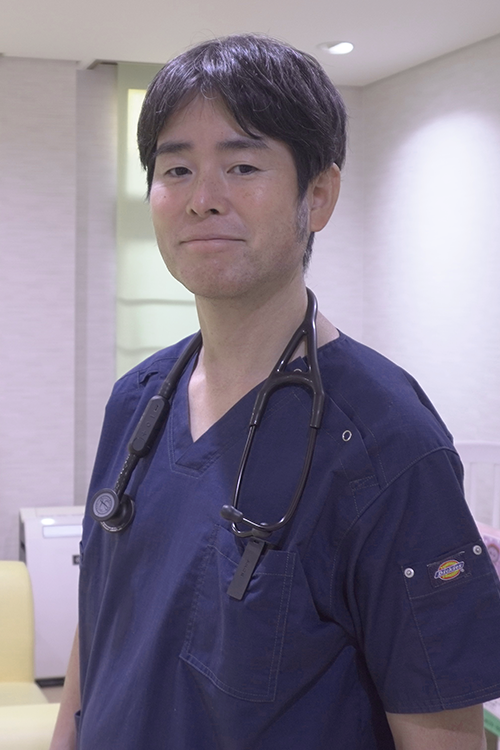
神戸大学医学部附属病院等の最前線で長年消化器・肝臓内科の臨床と研究に従事。医学博士。 標準治療では回復が困難な進行した肝炎や肝硬変に対し、新たな選択肢としての「肝臓再生医療」にいち早く取り組む。また、肝硬変患者さまの中で合併症(潜在性肝性脳症)を有する割合を明らかにし、カルニチンによる潜在性肝性脳症の治療効果を世界で初めて報告するなど、国際的な英文医学誌への論文掲載実績も多数(代表論文:Hepatol Res 2016; 46(2): 215-224)。科学的根拠に基づいた高度な専門知識と精緻な診断で、患者様の肝臓を守るサポートを行っています。
≫ 詳しい経歴や全研究実績はこちら
- 院長
- 斉藤雅也 Masaya Saito
日本肝臓学会 肝臓病専門医 Hepatologist, The Japan Society of Hepatology - 所在地
- 〒651-2412
兵庫県神戸市西区竜が岡1-15-3
(駐車場18台あり) - 電話
-
- 電話:078-967-0019
- 携帯電話:080-7097-5109
- アクセス
- 当院は、神戸市西区と明石市の境界付近に位置しており、明石市からも徒歩圏内です。実際に、明石市方面からも多くの患者様(肝臓病・一般内科)にご来院いただいております。駐車場も完備しておりますので、お車での通院も便利です。