
- 2026年6月7日
Told You Have a “Fatty Liver” at Your Health Checkup? Don’t Give Up! Changing Your Lifestyle Can Change Your Future
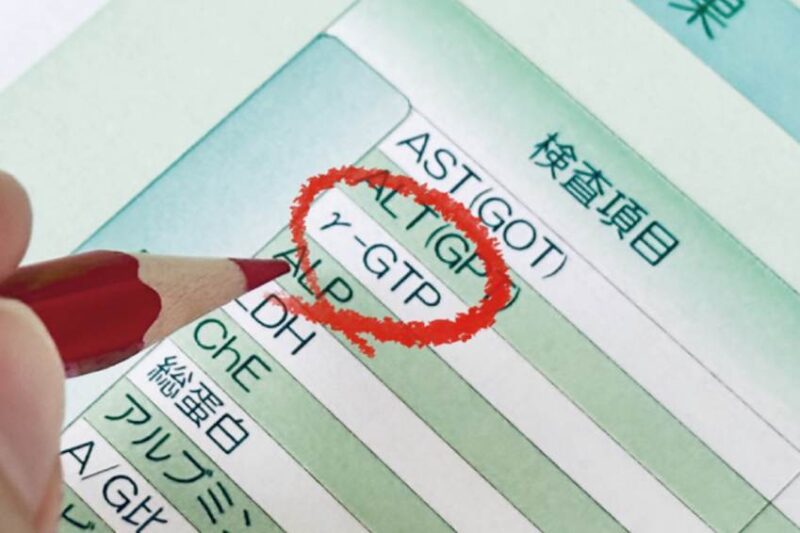
Have you ever looked at your health checkup results and been told, “You have a fatty liver”? Or perhaps you’ve been pointed out that “Your liver enzyme levels are a bit high” or “You have high triglycerides,” leaving you feeling concerned.
“I don’t have any particular symptoms, and I don’t drink that much, so I’m probably fine…”
It is completely understandable to want to think that way. However, a fatty liver might be a quiet yet unignorable sign from your liver, often called the “silent organ.” If left untreated, it could lead to unexpected diseases in the future…
But please don’t worry too much! In many cases, a fatty liver can be expected to improve by simply reviewing your lifestyle habits.
In this article, we will explain in an easy-to-understand manner what a fatty liver is, its causes and risks, and provide specific hints for improvement that you can start today. Why not use your health checkup results as a great opportunity to face your own body?
What Exactly Is a “Fatty Liver”? Why Does It Happen?
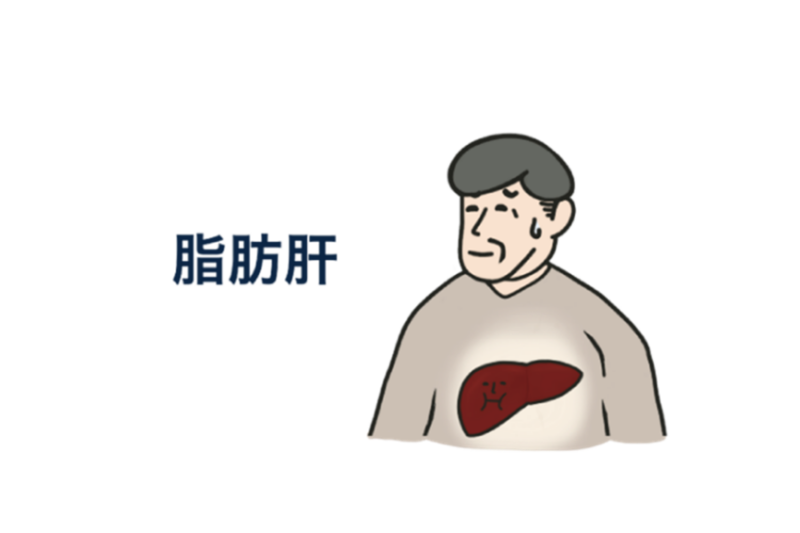
As the name suggests, a fatty liver is a condition where an excessive amount of neutral fat (triglycerides) has accumulated in the liver. It might be easier to understand if you imagine foie gras, which is favored by gourmets. The fat percentage in a healthy liver is usually around 5%, but in a fatty liver, fat accumulates beyond that level.
There are two main causes of a fatty liver.
Cause 1: Drinking too much (“Alcoholic Fatty Liver”)
Years of excessive drinking place a heavy burden on the liver to break down alcohol, promoting the synthesis of neutral fats and hindering their breakdown. As a result, fat steadily accumulates in the liver.
Cause 2: Causes “other” than drinking (“Non-Alcoholic Fatty Liver Disease” or NAFLD)
Actually, this type has been rapidly increasing in recent years due to the westernization of diets and a lack of exercise. The main causes include overeating (especially excessive intake of carbohydrates), lack of exercise, obesity, diabetes, and dyslipidemia. It can develop even in people who rarely or never drink alcohol. Surprisingly, even thin people can develop “malnutrition-induced fatty liver” due to low muscle mass or extreme dietary restrictions for weight loss.
Wait a Minute! There is a Type of NAFLD that Requires Extra Caution…
Even if you are diagnosed with “Non-Alcoholic Fatty Liver Disease (NAFLD),” you should not take it lightly by thinking, “It’s just fat buildup, right?” Among NAFLD cases, there is a type where not only does fat accumulate, but inflammation also occurs in the liver, gradually progressing to fibrosis (stiffening of the tissue). This is called “Non-Alcoholic Steatohepatitis (NASH).”
NASH requires special attention because it can progress to liver cirrhosis and liver cancer without any subjective symptoms. If you are diagnosed with NAFLD, it is important to check with your doctor whether you are at risk for NASH.
Are the Risks of a Fatty Liver Limited to the Liver? Things You Should Know

The risks of leaving a fatty liver untreated are not limited to liver cirrhosis and liver cancer.
- Deep connection with lifestyle diseases: Fatty liver (especially NAFLD/NASH) is often accompanied by other lifestyle diseases such as diabetes, hypertension, and dyslipidemia.
- Impact on the heart and blood vessels: It is also becoming clear that a fatty liver advances arteriosclerosis and increases the risk of life-threatening cardiovascular diseases like heart attacks and strokes.
In short, improving a fatty liver leads to protecting not just your liver, but the health of your entire body.
How Is It Found? Signs and Diagnosis of a Fatty Liver

The liver is the “silent organ.” Even if a considerable amount of fat has accumulated, there are almost no symptoms in the early stages. That is precisely why regular health checkups are the key to early detection.
Checkup Items at a Health Screening:
- Blood tests: When liver cells are damaged, enzymes like AST (GOT) and ALT (GPT) leak into the blood, causing their levels to rise. γ-GTP is an indicator that easily rises due to the effects of alcohol, fat accumulation, or abnormalities in bile flow. If these values exceed the reference range, a fatty liver is a possible suspect.
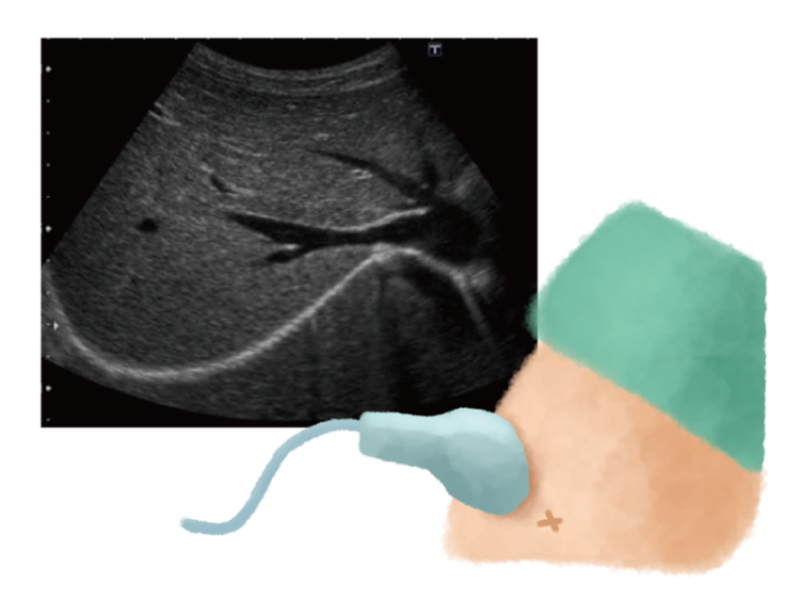
- Abdominal ultrasound (echo) examination: This is a test that uses ultrasound waves to observe the condition of the liver. A liver with accumulated fat will appear whiter (higher echogenicity) compared to a healthy liver. It can also evaluate the degree of fat accumulation (mild, moderate, or severe).
Important Points Regarding Diagnosis
It is not uncommon to find a fatty liver during an ultrasound examination even if your blood test results are within the normal range. Conversely, a mild fatty liver may not be clearly visible on an ultrasound. Furthermore, it can sometimes be difficult to accurately determine whether it is NASH (the degree of inflammation and fibrosis) using only these tests. If you are concerned, be sure to consult a doctor and ask about more detailed examinations (such as blood tests for fibrosis markers or specialized ultrasounds that measure liver stiffness) if necessary.
Don’t Give Up! A Fatty Liver Can Be Improved! [5 Points] for Lifestyle Improvement

“I was told I have a fatty liver, but what should I do…?”
It’s going to be okay. There is no magic pill for treating a fatty liver, but improving your lifestyle is the most effective and important treatment method. There are many things you can start doing today!
[Point 1: Review Your Diet!]
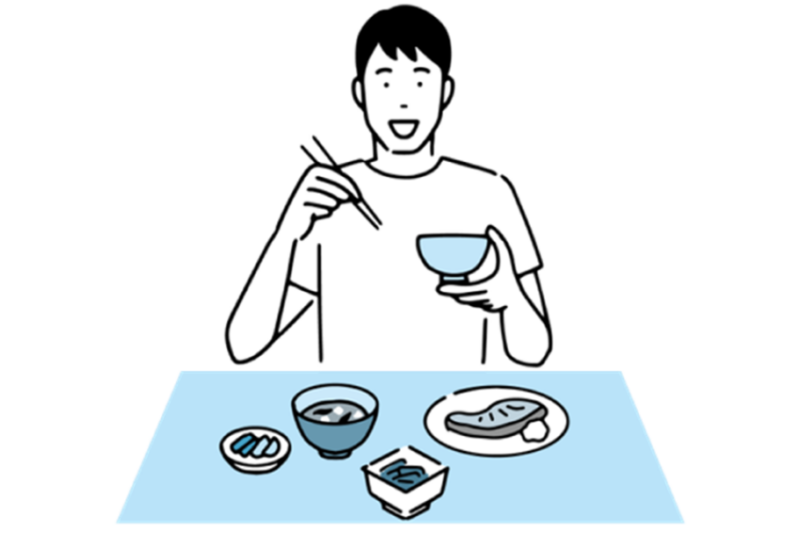
The biggest key to improving a fatty liver lies in your daily meals.
- Stop consuming too many “carbohydrates” (sugars)! Although the name implies “fat,” excessive intake of “carbohydrates” actually plays a bigger role than consuming too much fat. Try to eat appropriate portions of staple foods like rice, bread, and noodles, and limit sweet snacks, sweet pastries, and juices as much as possible. Caution is especially needed with “fructose” found in fruits, as it easily turns into neutral fat when consumed in excess.
- Red light for drinks, too: Beverages contain surprisingly large amounts of sugar, such as soft drinks like cola, sports drinks, sweet canned coffee, sweetened yogurt, and vegetable juices (especially those high in fructose). It is highly recommended to switch your regular drinks to water, tea, or unsweetened coffee and tea.
- Dietary fiber is a reliable ally: Dietary fiber, abundantly found in vegetables, mushrooms, and seaweed, is expected to moderate carbohydrate absorption, prevent rapid spikes in blood sugar, and improve bowel movements. Make a conscious effort to consume plenty of it at every meal. The “veggie-first” method—eating vegetables at the beginning of a meal—is also effective.
- Eat a balanced diet, slowly: Instead of strictly restricting specific foods, it is important to eat a well-balanced diet consisting of a staple food (in moderation), a main dish (protein: meat, fish, soy products, eggs), and side dishes (vegetables, etc.). By chewing well and eating slowly, it becomes easier to feel full, which prevents overeating.
- Distance yourself from processed foods: Snacks, instant foods, and fast foods are not only high in carbohydrates, fats, and salt, but their additives may also put a burden on the liver’s detoxification process. Aim for simple cooking methods that make the most of the natural ingredients whenever possible.
- Late-night meals burden the liver: Food eaten right before bedtime is hard to burn off as energy and easily stored as fat. Try to finish dinner at least 3 hours before going to sleep.
[Point 2: Make Moving Your Body a Habit!]
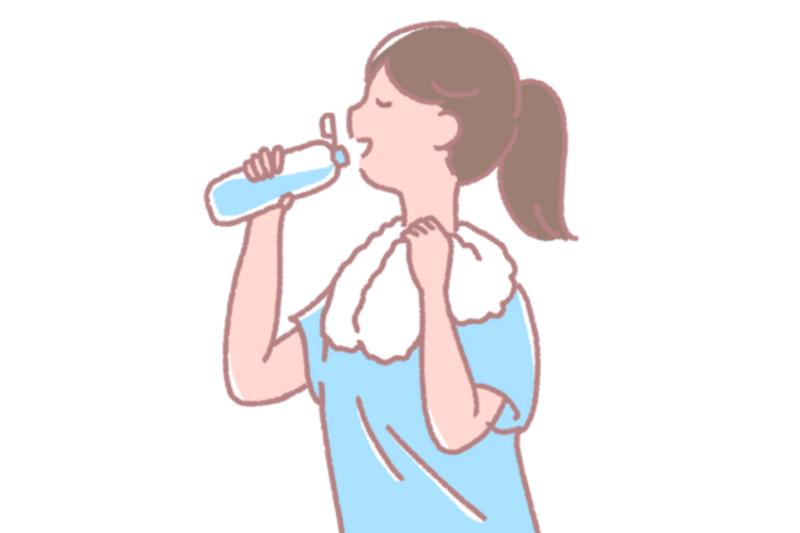
Exercise offers many benefits for improving a fatty liver, such as burning accumulated neutral fat and improving the function of insulin (the hormone that lowers blood sugar).
- Burn fat with cardio! Aerobic exercises where you are “breathing a little heavily but can still have a conversation”—such as walking, light jogging, cycling, and swimming—are recommended. Try starting with a goal of about 30 minutes a day, at least 3 times a week. “Multitasking exercises” where you actively move your body in daily life, like walking an extra train station or taking the stairs instead of the elevator, are also effective.
- Boost metabolism with strength training! Muscles are factories that consume a lot of energy. Increasing your muscle mass raises your basal metabolism, making your body burn fat more easily. Incorporating simple strength training you can do at home, like squats, crunches, and push-ups, 2 to 3 times a week is expected to further enhance the effects.
- Consistency is the most important thing: The key is to find something you can enjoy and continue without pushing yourself too hard. Suddenly starting intense exercise can cause injuries or lead to quick frustration. Step up gradually according to your physical fitness level.
[Point 3: Drink Alcohol Wisely (In the Case of Alcoholic Fatty Liver)]

If your fatty liver is caused by alcohol, the absolute requirement above all else is to “abstain from drinking” or “reduce drinking.” Even if it is difficult to quit entirely, you must significantly reduce the amount and frequency. The safe amount varies depending on the condition of your liver, so be sure to consult your doctor.
[Point 4: Appropriate Weight Management]
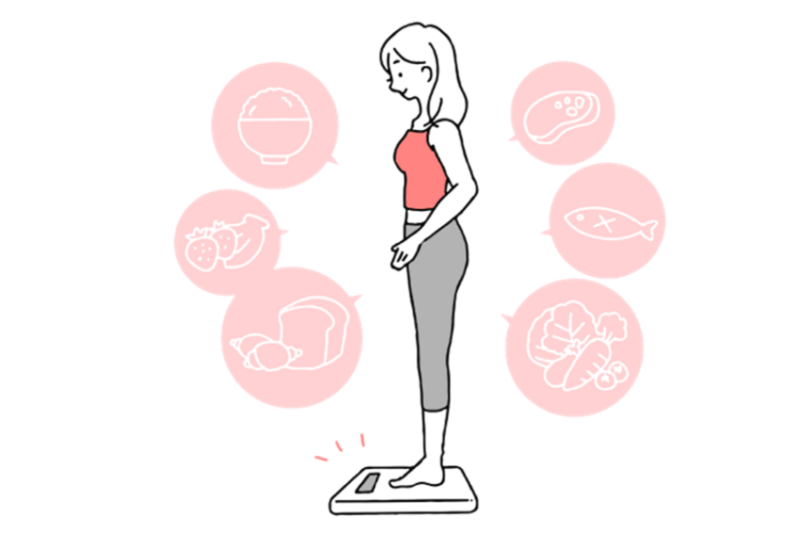
If you are obese, losing weight directly leads to improving your fatty liver. However, rapid weight loss is a no-go, as it can ironically place a burden on the liver or reduce muscle mass. Aim to lose weight healthily at a gradual pace of about 1 to 2 kg per month.
[Point 5: Find Ways Not to Accumulate Stress]

Although it is not a direct cause, stress often leads to overeating and drinking. Finding your own ways to relax and skillfully relieving stress is also important for sustaining lifestyle improvements.
A Health Checkup Is a Chance to Change Your Future

The diagnosis of a “fatty liver” might be a bit of a shock, but it is by no means a sign that it is “too late.” Rather, why not take it as a message from your liver saying, “There is still time” and “This is your chance to review your lifestyle”?
A fatty liver is a disease that can be expected to improve significantly just through small daily efforts and reviewing your lifestyle habits. Use your health checkup results as a catalyst to look back on your eating and exercise habits, and try starting with what you can do, one step at a time, while having fun with it.
Your precious liver continues to work silently every day for the sake of your body without a single complaint. From now on, please respond to that hard work and treat it gently. Your future health depends on the choices you make today.
Information on Online Preliminary Consultations
さいとう内科クリニック
院長:斉藤 雅也 Masaya Saito
- 日本内科学会認定医
- 日本肝臓学会専門医
- 日本消化器病学会専門医
- 日本超音波医学会専門医
- 日本消化器内視鏡学会専門医
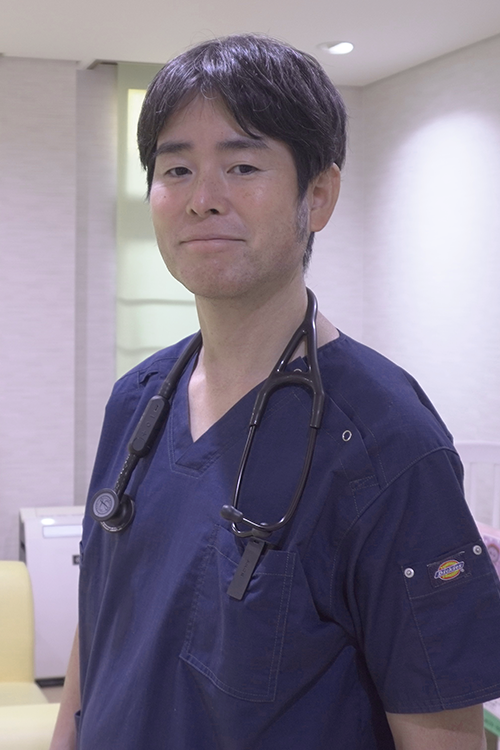
神戸大学医学部附属病院等の最前線で長年消化器・肝臓内科の臨床と研究に従事。医学博士。 標準治療では回復が困難な進行した肝炎や肝硬変に対し、新たな選択肢としての「肝臓再生医療」にいち早く取り組む。また、肝硬変患者さまの中で合併症(潜在性肝性脳症)を有する割合を明らかにし、カルニチンによる潜在性肝性脳症の治療効果を世界で初めて報告するなど、国際的な英文医学誌への論文掲載実績も多数(代表論文:Hepatol Res 2016; 46(2): 215-224)。科学的根拠に基づいた高度な専門知識と精緻な診断で、患者様の肝臓を守るサポートを行っています。
≫ 詳しい経歴や全研究実績はこちら
- 院長
- 斉藤雅也 Masaya Saito
日本肝臓学会 肝臓病専門医 Hepatologist, The Japan Society of Hepatology - 所在地
- 〒651-2412
兵庫県神戸市西区竜が岡1-15-3
(駐車場18台あり) - 電話
-
- 電話:078-967-0019
- 携帯電話:080-7097-5109
- アクセス
- 当院は、神戸市西区と明石市の境界付近に位置しており、明石市からも徒歩圏内です。実際に、明石市方面からも多くの患者様(肝臓病・一般内科)にご来院いただいております。駐車場も完備しておりますので、お車での通院も便利です。