- 2026年8月6日
- 2026年8月12日
[Dietary Therapy for Liver Cirrhosis] Foods to Avoid and Nutritional Knowledge to Boost the Liver’s “Self-Healing Power”

Hello. I am Masaya Saito, Director of Saito Internal Medicine Clinic in Nishi-ku, Kobe.
For those diagnosed with liver cirrhosis, or for their family members, “what to do about daily meals” is one of the most pressing concerns. When searching online, you often see nothing but restrictions like “you can’t eat this, you can’t eat that,” leaving many people confused about what the right choices are.
It is true that there are “things to cut back on” in order to protect an advanced liver and prevent complications. However, what is even more important is correctly consuming the “necessary nutrients” that assist liver function and bring out its self-healing power. This time, from the perspective of a hepatologist (liver specialist), I will share foods you should not eat with liver cirrhosis and nutritional knowledge you should actively incorporate.
■ “Foods to Avoid or Reduce” to Prevent the Progression of Liver Cirrhosis

First, let’s organize the basic dietary restrictions required to avoid placing a burden on the liver and to prevent serious complications.
- Foods high in salt (pickles, dried fish, soups, etc.) As liver cirrhosis progresses, “ascites” (fluid accumulation in the abdomen) and leg edema easily occur. Salt (sodium) has the property of retaining water in the body, so if you have ascites, daily salt intake needs to be strictly controlled to 5–6g per day.
- Foods high in iron (liver, shijimi clams, etc.) Many people have the image that “liver and shijimi clams are good for the liver,” but in cases of cirrhosis caused by Hepatitis C or MASH (Metabolic Dysfunction-Associated Steatohepatitis; formerly NASH), iron can accumulate excessively in the liver, generating oxidative stress and worsening inflammation. Avoid excessive intake based on self-judgment.
- Raw seafood and raw meat When you develop cirrhosis, your immunity against bacteria and viruses drops significantly. Infections caused by bacteria such as Vibrio vulnificus lurking in raw seafood (especially oysters in summer) carry the risk of leading to severe conditions, so always ensure that food ingredients are thoroughly cooked to the center.
- Alcoholic beverages It goes without saying, but alcohol is the greatest burden on the liver. Regardless of whether the cause of cirrhosis is alcoholic or non-alcoholic, absolute abstinence from alcohol is the fundamental rule.
■ Are Too Many Restrictions Counterproductive? The Pitfalls of “Malnutrition” in Liver Cirrhosis

Because some people are overly conscious of foods they shouldn’t eat, they resort to extreme dietary restrictions, but this is actually very dangerous. The liver is an “energy factory” that converts nutrients from food into forms usable by the body and stores them. As cirrhosis develops, this function declines, making it easy to fall into a state of chronic energy deficiency (malnutrition). In fact, it has been reported that “a 1-day fast for a patient with cirrhosis causes deterioration equivalent to a 3-day fast for a healthy individual.”
When energy is insufficient, the body tries to compensate by breaking down its own muscle tissue (sarcopenia). Muscle is an important tissue that takes over the detoxification of toxic “ammonia” that the liver cannot fully process. When muscle mass decreases, the risk of “hepatic encephalopathy”—a condition where ammonia travels to the brain and causes consciousness disorders—spikes dramatically. Therefore, while strict protein restriction was recommended in the past, today it is recommended to eat balanced meals in small, frequent portions (such as 4–5 times a day) to maintain muscle mass.
■ “BCAA” and “Taurine” to Help the Liver and Muscles
To prevent muscle loss and support liver function, specific amino acids are particularly important to keep in mind.
BCAA (Branched-Chain Amino Acids)

These are amino acids that promote muscle synthesis and serve as an energy source. Because patients with cirrhosis tend to lack blood BCAA levels, supplementing them is expected to improve blood albumin levels (an indicator of liver function), increase muscle mass, and prevent or improve hepatic encephalopathy. The director of our clinic published a research paper in an international medical journal showing that BCAA granules (Livact) can further elevate blood albumin levels in cirrhosis patients with a blood albumin level of 3.4 mg/dL or higher.
Source:
Intern Med 2014; 53(14): 1469-75
Additionally, for patients with advanced cirrhosis whose blood albumin level is below 3.4 mg/dL, elemental nutrition formulas containing BCAAs (Aminoleban EN) are considered effective in elevating blood albumin levels.
Taurine and L-Carnitine
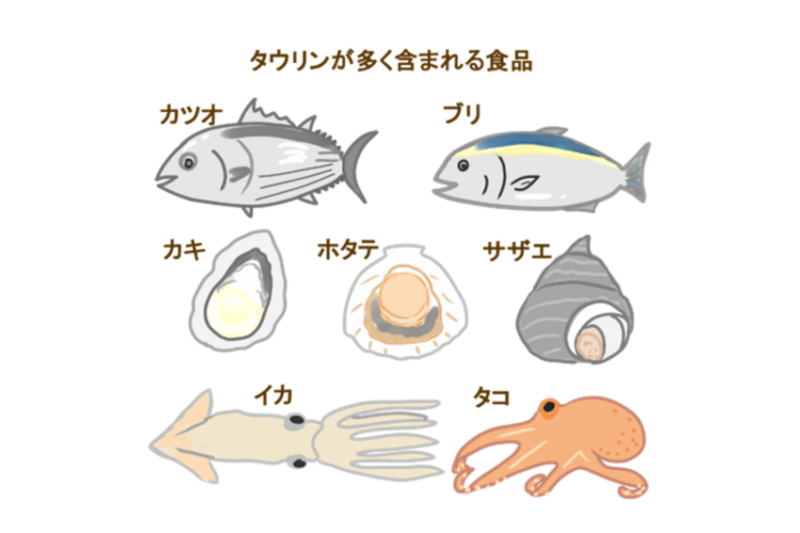
“Taurine,” found abundantly in seafood like squid, octopus, and scallops, plays an important role in repairing liver cells and maintaining their function. Furthermore, in the treatment of “hepatic encephalopathy” resulting from advanced cirrhosis, our clinic’s director was the first in Japan to report that “L-carnitine” is effective in improving symptoms. In that research, a new indicator was discovered showing that “the higher a patient’s serum taurine concentration before treatment, the more likely they are to achieve the symptom-improving effects of L-carnitine for hepatic encephalopathy,” which was published in an international medical journal.
Source:
Hepatol Res 2016; 46(2): 215-224
Consciously incorporating necessary nutrients, including taurine, into your daily routine to build a body that can support the liver is extremely important from a medical perspective.
■ “Liver Regenerative Medicine” as an Option to Consider Alongside Dietary Therapy
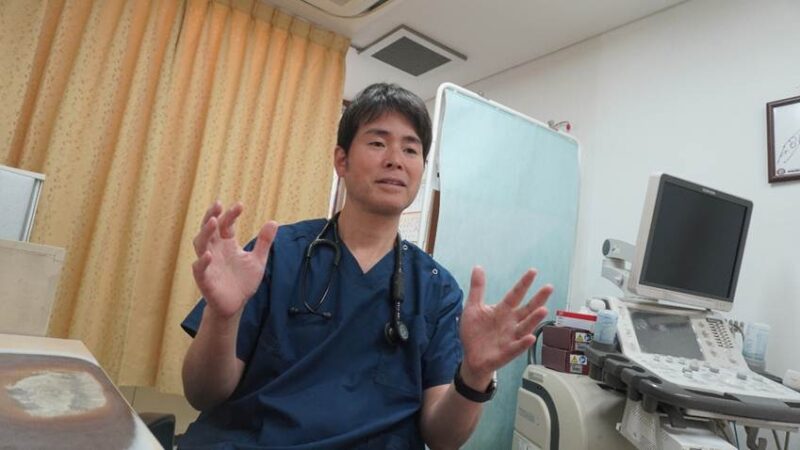
Correct dietary and nutritional therapy is the absolute foundation of cirrhosis treatment. However, if liver fibrosis (hardening) has already advanced, the current reality is that it is difficult to restore the liver to a soft, normal state solely through dietary therapy or current standard treatments.
Therefore, alongside dietary therapy and standard care, “liver regenerative medicine using stem cells” is an option worth considering. This is a state-of-the-art approach where stem cells are harvested from the subcutaneous fat of the patient’s own buttocks, cultured, and returned to the body via IV infusion. The stem cells gather in the liver, suppress chronic inflammation, inhibit and improve the progression of fibrosis, and promote the repair of damaged tissue. In cirrhosis patients who received liver regenerative medicine at our clinic, cases have been reported where improvements in liver numbers, ascites, hepatic encephalopathy, and jaundice were observed 6 months to 1 year after the stem cell infusion. In addition, because your own cells are used in liver regenerative medicine, an extremely low risk of rejection reactions is a major feature.
Reducing the burden on the liver and maintaining muscle through daily meals, while aiming for functional recovery at the cellular level with regenerative medicine—these two pillars serve as a source of great hope for future cirrhosis treatment.
■ Do You Feel “Limits” with Your Current Treatment and Are Giving Up?
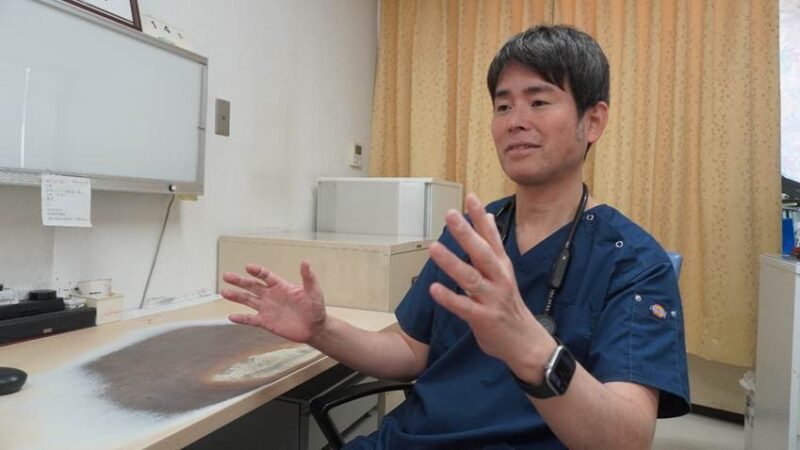
In daily clinical practice, I have seen many patients who were told “it is difficult to recover liver function any further with current standard treatment alone” and were about to give up. However, there may still be things that can be done.
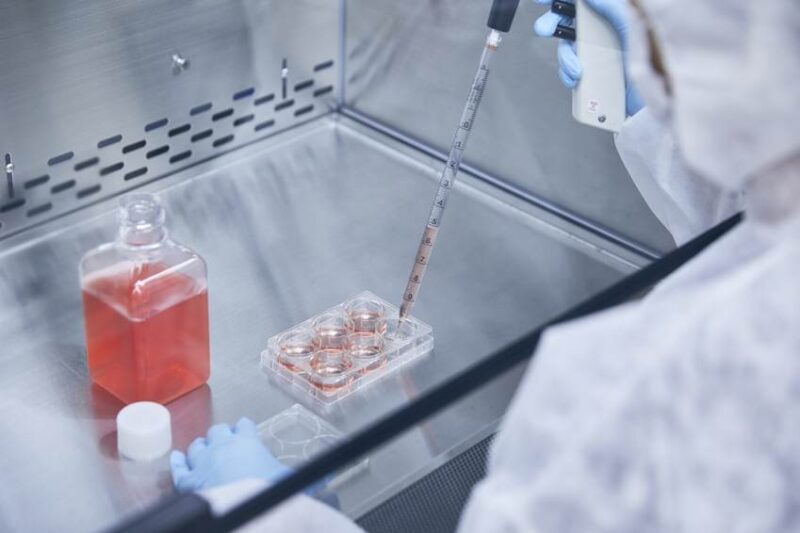
At Saito Internal Medicine Clinic, out of a strong desire to support patients with advanced hepatitis and cirrhosis that standard treatment cannot fully cover, we provide “liver regenerative medicine using stem cells” as a new treatment option. Please do not struggle alone thinking “is there really nothing left to do?”, and consult a hepatologist first. Even for those living far away or having difficulty visiting the clinic in person, we accept “preliminary online consultations using Curon” from the comfort of your home. Consultations from family members are also welcome.

さいとう内科クリニック
院長:斉藤 雅也 Masaya Saito
- 日本内科学会認定医
- 日本肝臓学会専門医
- 日本消化器病学会専門医
- 日本超音波医学会専門医
- 日本消化器内視鏡学会専門医
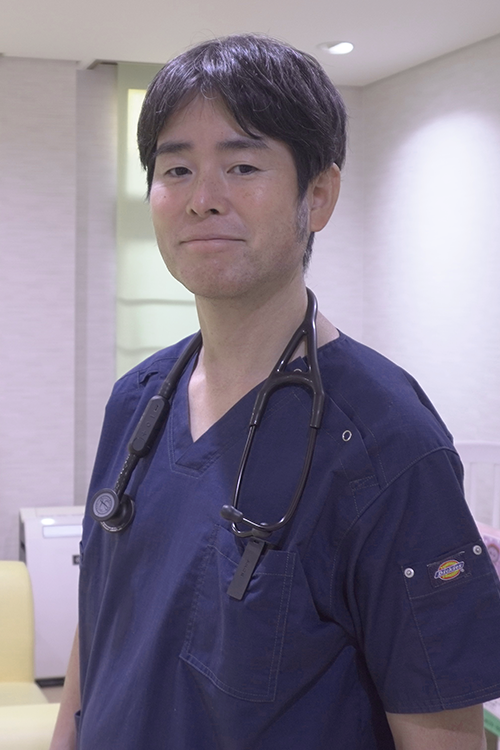
神戸大学医学部附属病院等の最前線で長年消化器・肝臓内科の臨床と研究に従事。医学博士。 標準治療では回復が困難な進行した肝炎や肝硬変に対し、新たな選択肢としての「肝臓再生医療」にいち早く取り組む。また、肝硬変患者さまの中で合併症(潜在性肝性脳症)を有する割合を明らかにし、カルニチンによる潜在性肝性脳症の治療効果を世界で初めて報告するなど、国際的な英文医学誌への論文掲載実績も多数(代表論文:Hepatol Res 2016; 46(2): 215-224)。科学的根拠に基づいた高度な専門知識と精緻な診断で、患者様の肝臓を守るサポートを行っています。
≫ 詳しい経歴や全研究実績はこちら
- 院長
- 斉藤雅也 Masaya Saito
日本肝臓学会 肝臓病専門医 Hepatologist, The Japan Society of Hepatology - 所在地
- 〒651-2412
兵庫県神戸市西区竜が岡1-15-3
(駐車場18台あり) - 電話
-
- 電話:078-967-0019
- 携帯電話:080-7097-5109
- アクセス
- 当院は、神戸市西区と明石市の境界付近に位置しており、明石市からも徒歩圏内です。実際に、明石市方面からも多くの患者様(肝臓病・一般内科)にご来院いただいております。駐車場も完備しておりますので、お車での通院も便利です。