
- 2026年8月6日
[Dangerous Sign] “My Poop is White!” An SOS from Your Liver and Gallbladder Explained by Stool Color
Hello.
I am Masaya Saito, Director of Saito Internal Medicine Clinic in Nishi-ku, Kobe.
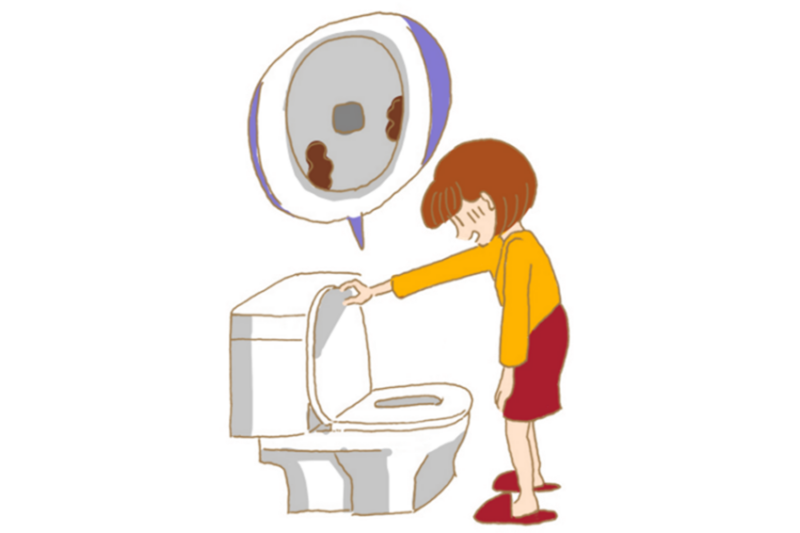
If you look in the toilet and see that your stool, which is usually brown, has turned pale—like a cream or lemon color—anyone would feel surprised and anxious.
While white or pale stool can sometimes simply be due to indigestion, it can also be a sign of a serious condition affecting the “liver” or surrounding organs. In this article, I will explain the deep connection between stool color and the liver, as well as dangerous symptoms that require urgent attention.
■ Why Does Stool Turn White? Brown Stool is “Proof of a Healthy Liver”
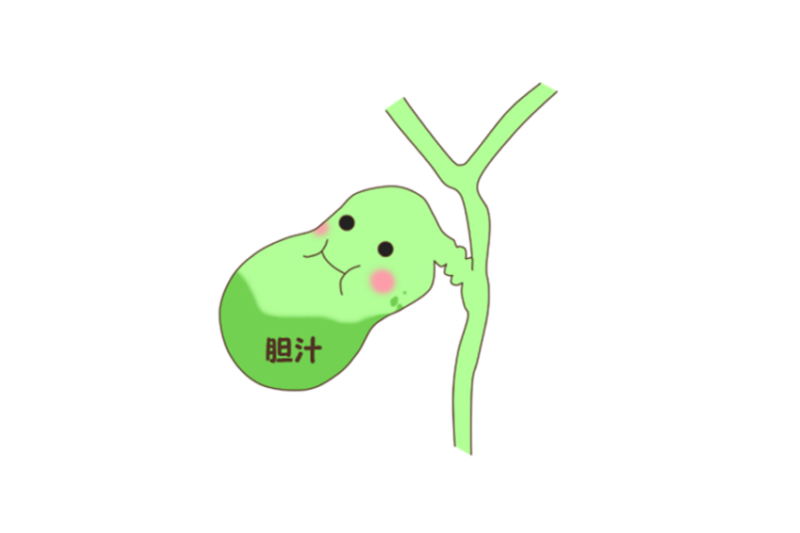
Healthy stool is brown because of the pigment in “bile,” a digestive fluid produced by the liver.
A yellow pigment in bile called “bilirubin” changes inside the intestines, giving stool its healthy brown color. Therefore, white or pale stool means that the bile, which your liver should be working hard to produce every day, is not flowing properly into the intestines for some reason.
■ Causes of White Stool and Underlying “Liver and Biliary” Diseases

The causes of pale or white stool can be broadly divided into temporary, harmless factors and hidden serious medical conditions.
1. Temporary, Harmless Causes
The day after a barium swallow test, for example, the stool turns white because it mixes with the white liquid contrast medium. Also, if you consume a large amount of fat when your gastrointestinal system is weakened, the body cannot keep up with digestion and absorption, resulting in pale “fatty stool.” These are temporary conditions, and the stool will return to its normal color in a few days.
2. Cases Caused by “Diseases” That Require the Utmost Caution
What you must watch out for are cases where the pathway for bile produced by the liver (the biliary tract) becomes blocked, or where the liver itself is weakened.
- Gallstone Disease (Cholelithiasis / Choledocholithiasis): Stones formed in the gallbladder or bile ducts block the passage through which bile flows from the liver.
- Biliary Tract Cancer / Pancreatic Cancer: Cancers can compress the bile ducts or pancreas, obstructing the flow of bile. Pancreatic cancer in particular requires great caution, as early symptoms rarely appear.
- Severe Liver Dysfunction (Acute Hepatitis, etc.): The function of the liver itself drops significantly, making it unable to produce or excrete bile normally.
■ If Left Untreated, It Leads to “Jaundice,” Which Damages the Liver
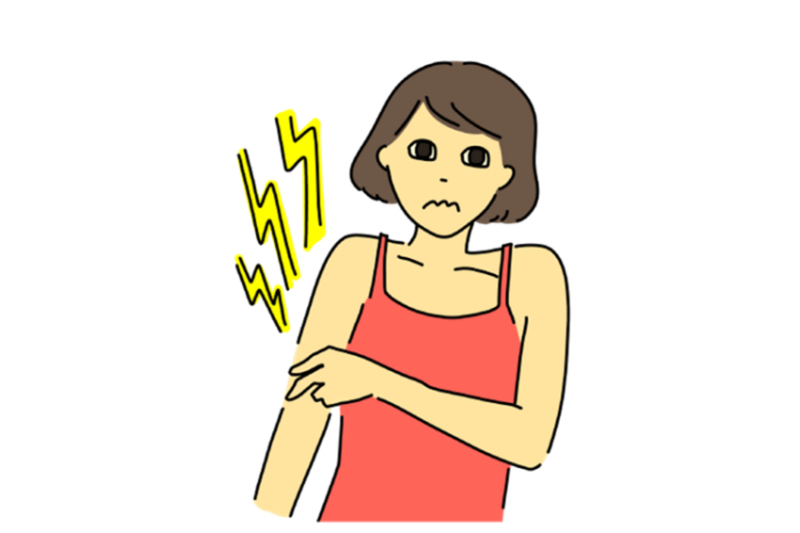
If bile continues to be prevented from flowing into the intestines, the bilirubin pigment, with nowhere else to go, flows back into the bloodstream and accumulates in the body. This condition is called “jaundice.”
When jaundice occurs, it places a heavy burden on the liver, worsening liver function further, and exerts serious effects throughout the entire body.
If the following symptoms appear at the same time as “white/pale stool,” they are high-urgency warning signs:
- The whites of your eyes turn yellow
- Your urine becomes extremely dark (a tea-like color)
- You feel sluggish or lose your appetite
- Accompanied by abdominal pain or fever, or itchy skin
■ If You Have White/Pale Stool, Consult a Hepatologist Instead of Self-Judging

It is dangerous to take a “wait-and-see” approach just because “the stool is only a bit pale.” Unless the condition progresses to a certain extent, you might not notice jaundice on your own.
At our clinic, we carefully listen to your stool condition and symptoms, proposing prompt examinations from the perspective of a liver specialist (hepatologist).
Through blood tests, we can check for abnormalities in jaundice indicators (bilirubin levels) and liver function values. Furthermore, by using abdominal ultrasound, we can comfortably and painlessly check whether there are any abnormalities in silent organs such as the liver, gallbladder, and pancreas.
Stool color is an unignorable message from inside your body—especially from your liver.
Instead of staying anxious, if you feel even the slightest “difference from usual,” please feel free to consult Saito Internal Medicine Clinic.

さいとう内科クリニック
院長:斉藤 雅也 Masaya Saito
- 日本内科学会認定医
- 日本肝臓学会専門医
- 日本消化器病学会専門医
- 日本超音波医学会専門医
- 日本消化器内視鏡学会専門医

神戸大学医学部附属病院等の最前線で長年消化器・肝臓内科の臨床と研究に従事。医学博士。 標準治療では回復が困難な進行した肝炎や肝硬変に対し、新たな選択肢としての「肝臓再生医療」にいち早く取り組む。また、肝硬変患者さまの中で合併症(潜在性肝性脳症)を有する割合を明らかにし、カルニチンによる潜在性肝性脳症の治療効果を世界で初めて報告するなど、国際的な英文医学誌への論文掲載実績も多数(代表論文:Hepatol Res 2016; 46(2): 215-224)。科学的根拠に基づいた高度な専門知識と精緻な診断で、患者様の肝臓を守るサポートを行っています。
≫ 詳しい経歴や全研究実績はこちら
- 院長
- 斉藤雅也 Masaya Saito
日本肝臓学会 肝臓病専門医 Hepatologist, The Japan Society of Hepatology - 所在地
- 〒651-2412
兵庫県神戸市西区竜が岡1-15-3
(駐車場18台あり) - 電話
-
- 電話:078-967-0019
- 携帯電話:080-7097-5109
- アクセス
- 当院は、神戸市西区と明石市の境界付近に位置しており、明石市からも徒歩圏内です。実際に、明石市方面からも多くの患者様(肝臓病・一般内科)にご来院いただいております。駐車場も完備しておりますので、お車での通院も便利です。