
- 2026年11月4日
Is Zinc the Savior of the Liver? The Essential Mineral That Supports Hepatic Repair and Recovery
Zinc’s Central Role in Human Biology
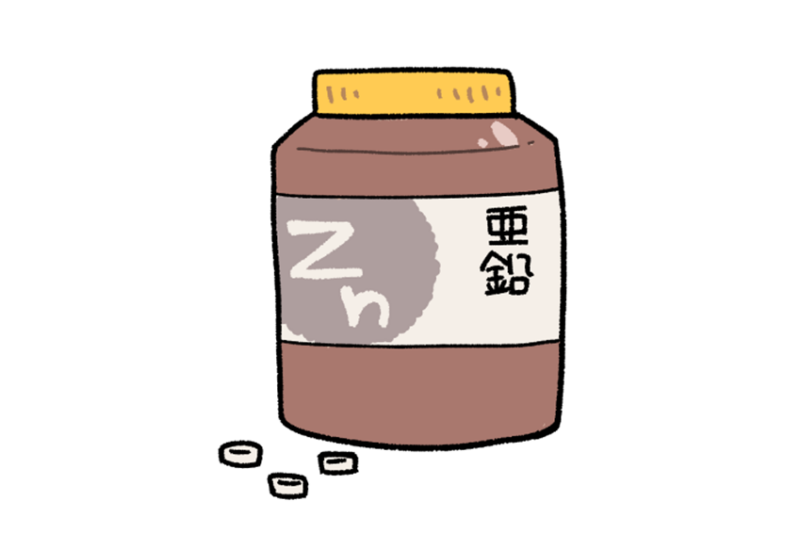
Zinc is an essential trace mineral that participates in the function of more than three hundred enzyme proteins in the human body. It is involved in DNA repair, protein synthesis, immune regulation, cell division, and antioxidant defense—biological processes that are all critically important to the liver’s ability to recover from damage.
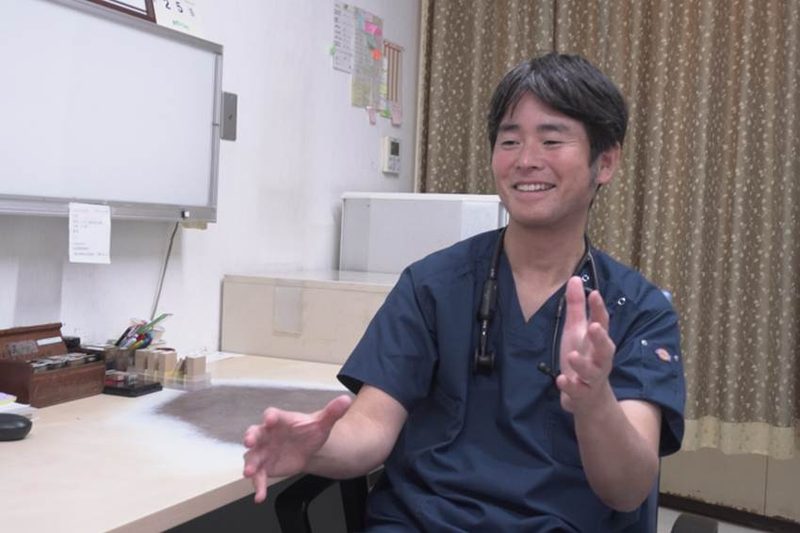
As a specialist in liver disease and regenerative medicine at Saito Clinic of Internal Medicine in Kobe, I frequently encounter patients whose zinc levels are suboptimal—a finding that correlates strongly with impaired liver function and delayed recovery. This article explains why zinc deserves serious attention in the management of liver disease, and how to maintain adequate levels safely.
Why the Liver Depends on Zinc
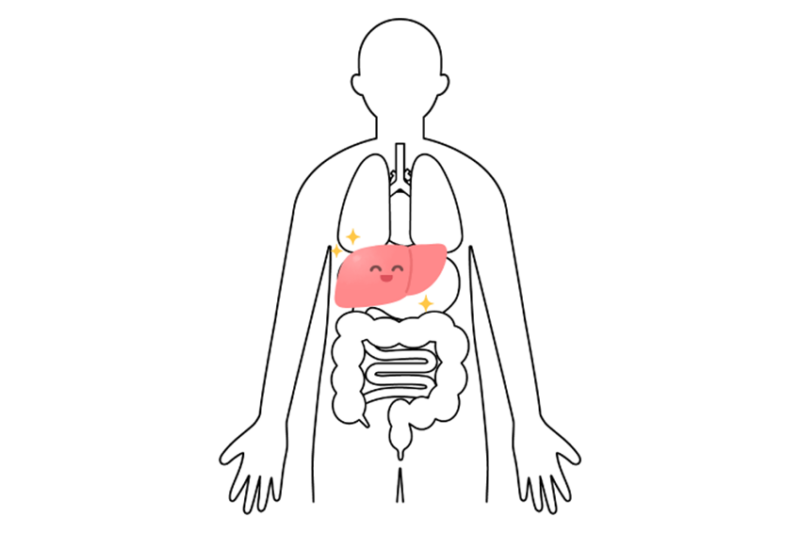
The liver is responsible for storing and releasing zinc in a tightly regulated manner. When liver disease disrupts this regulation, zinc deficiency commonly develops—even in patients who appear otherwise well-nourished. This creates a vicious cycle: zinc deficiency impairs the liver’s capacity for protein synthesis and cellular repair, which in turn worsens liver function and deepens the deficiency.
Specifically, zinc supports the production of hepatocyte growth factor and other proteins essential for liver cell regeneration. It also contributes to the integrity of the gut barrier; when zinc is deficient, intestinal permeability increases, allowing bacterial toxins to reach the liver via the portal vein and promote inflammation—a mechanism directly implicated in the progression of fatty liver to MASH and fibrosis.
Recognizing Zinc Deficiency
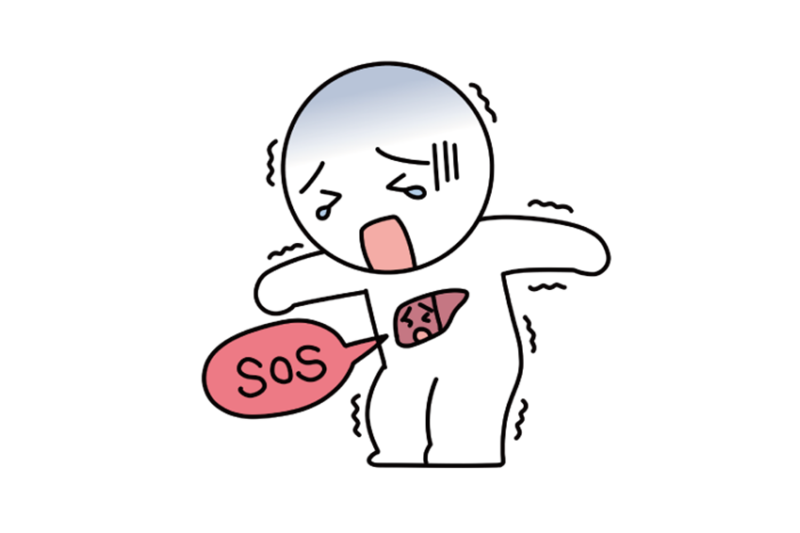
Many symptoms of zinc deficiency overlap with symptoms of liver dysfunction itself, which can make clinical recognition challenging. Signs to watch for include:
• Taste disorders (dysgeusia): foods taste metallic, bland, or abnormal
• Chronic diarrhea or gastrointestinal disturbance
• Skin inflammation, slow wound healing, or dermatitis
• Hair loss
• Impaired immune function with frequent infections
• Loss of appetite
In patients with established liver disease, zinc status should be assessed through blood testing (serum zinc levels) as part of routine nutritional evaluation.
Dietary Sources of Zinc
The highest zinc concentrations are found in high-quality protein foods. Recommended sources include:
• Oysters: approximately 14.0 mg per 100 g—by far the richest dietary source
• Pork liver: a concentrated source of both zinc and other liver-supportive nutrients
• Beef: particularly lean cuts
• Pumpkin seeds and hemp seeds: plant-based options with meaningful zinc content
• Legumes: soybeans, lentils, chickpeas
• Dairy products: cheese and milk
It is important to note that zinc from animal sources (heme zinc) is absorbed approximately twice as efficiently as zinc from plant sources (non-heme zinc), which is partially inhibited by phytates in grains and legumes.
The Critical Importance of Avoiding Overconsumption
While zinc deficiency is harmful, excessive supplementation poses its own risks—particularly for the liver. High-dose zinc supplementation can impair the liver’s detoxification systems and interfere with copper metabolism. Overconsumption leads to copper deficiency, which can in turn cause anemia and neurological symptoms.
The tolerable upper intake level for zinc is generally recommended at 35–45 mg per day depending on sex, with higher values applying to adult males. Most dietary intake falls well below this threshold; the risk of excess almost exclusively arises from unregulated supplementation.
For patients considering zinc supplementation to support liver function, I strongly recommend specialist consultation and blood testing to confirm deficiency before beginning supplementation. Supplementation without confirmed deficiency risks tipping the balance from benefit to harm.
Zinc and Regenerative Medicine
For patients with advanced liver cirrhosis whose disease has not responded to conventional treatment, our clinic offers stem cell-based regenerative medicine as an additional therapeutic option. Optimizing nutritional status—including zinc levels—is an important component of the preparation and follow-up care surrounding regenerative medicine treatment, as adequate zinc is essential for the protein synthesis and cellular repair processes that stem cell therapy aims to stimulate.
Conclusion
Zinc is a foundational mineral for liver health that is frequently overlooked in clinical practice. Ensuring adequate intake through a diet rich in quality protein—particularly shellfish, lean meat, and liver—can meaningfully support the liver’s capacity for repair and recovery. For patients with diagnosed liver disease, routine zinc assessment and targeted supplementation under medical supervision may represent a simple but impactful addition to their treatment plan.
さいとう内科クリニック
院長:斉藤 雅也 Masaya Saito
- 日本内科学会認定医
- 日本肝臓学会専門医
- 日本消化器病学会専門医
- 日本超音波医学会専門医
- 日本消化器内視鏡学会専門医
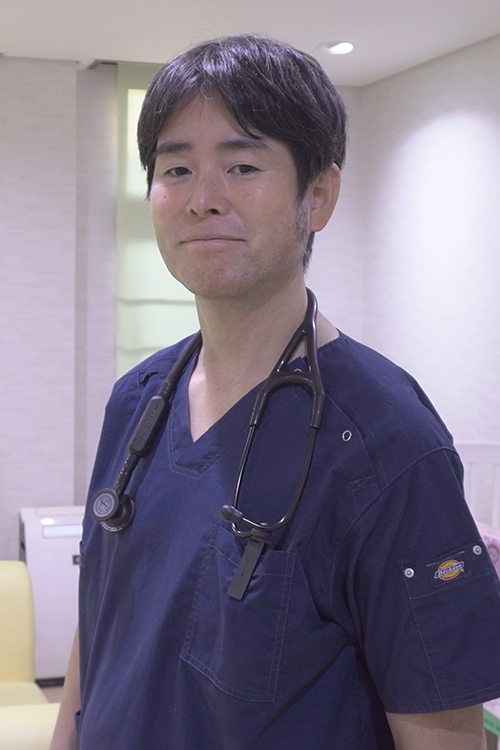
神戸大学医学部附属病院等の最前線で長年消化器・肝臓内科の臨床と研究に従事。医学博士。 標準治療では回復が困難な進行した肝炎や肝硬変に対し、新たな選択肢としての「肝臓再生医療」にいち早く取り組む。また、肝硬変患者さまの中で合併症(潜在性肝性脳症)を有する割合を明らかにし、カルニチンによる潜在性肝性脳症の治療効果を世界で初めて報告するなど、国際的な英文医学誌への論文掲載実績も多数(代表論文:Hepatol Res 2016; 46(2): 215-224)。科学的根拠に基づいた高度な専門知識と精緻な診断で、患者様の肝臓を守るサポートを行っています。
≫ 詳しい経歴や全研究実績はこちら
- 院長
- 斉藤雅也 Masaya Saito
日本肝臓学会 肝臓病専門医 Hepatologist, The Japan Society of Hepatology - 所在地
- 〒651-2412
兵庫県神戸市西区竜が岡1-15-3
(駐車場18台あり) - 電話
-
- 電話:078-967-0019
- 携帯電話:080-7097-5109
- アクセス
- 当院は、神戸市西区と明石市の境界付近に位置しており、明石市からも徒歩圏内です。実際に、明石市方面からも多くの患者様(肝臓病・一般内科)にご来院いただいております。駐車場も完備しておりますので、お車での通院も便利です。