
- 2026年11月4日
How to Eat Protein to Save Your Liver: Why Meat May Be the Best Medicine

The Liver as a Chemical Factory—and Why Protein Is Its Primary Raw Material
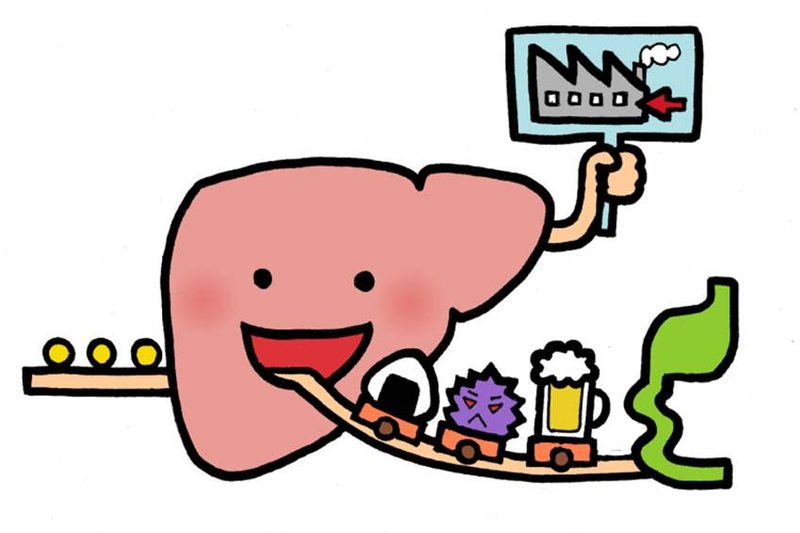
The liver performs more than five hundred distinct biochemical functions. It regulates blood glucose, synthesizes hormones, neutralizes toxins, produces bile for fat digestion, and—crucially—manufactures virtually every protein circulating in the bloodstream. Of these, albumin is perhaps the most clinically important: a protein produced exclusively by the liver that maintains oncotic pressure within blood vessels, transports hormones and medications, and serves as a reservoir of amino acids for tissue repair.
When liver disease impairs albumin synthesis, fluid leaks from blood vessels into surrounding tissue, producing the edema (leg swelling) and ascites (abdominal fluid accumulation) that signal advanced liver dysfunction. Understanding this chain of events explains why adequate protein intake is not merely a dietary preference for liver disease patients—it is a medical necessity.
The Hidden Danger of Protein Restriction
For decades, clinicians were taught to restrict protein in liver disease patients to prevent hepatic encephalopathy—a condition in which ammonia, a byproduct of protein metabolism, accumulates in the blood and impairs brain function. While this concern is valid in specific contexts (particularly during acute encephalopathy episodes), modern hepatology has moved away from routine protein restriction for most liver disease patients.
The reason is straightforward: inadequate protein intake leads to muscle wasting, and muscle plays a crucial role in ammonia detoxification. Skeletal muscle can absorb ammonia from the bloodstream and convert it to glutamine—effectively functioning as a secondary liver. When muscle mass decreases due to protein restriction or malnutrition, this protective mechanism is lost, paradoxically worsening encephalopathy risk. Protecting muscle mass through adequate protein intake is now recognized as a central goal of nutritional management in liver disease.
Animal Protein vs. Plant Protein: Why the Source Matters
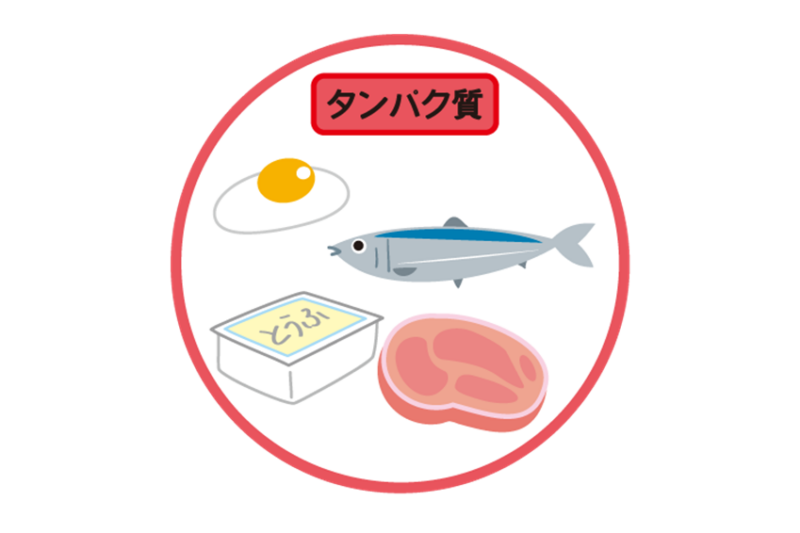
Not all protein is equal in its liver-protective properties. Animal proteins—from meat, fish, eggs, and dairy—contain complete amino acid profiles with high biological availability. This means the body can efficiently use them for tissue repair, enzyme synthesis, and albumin production.
Plant proteins, while valuable and complementary, often lack one or more essential amino acids and are partially inhibited in absorption by antinutrients such as phytates. A liver patient who relies exclusively on plant protein may consume adequate total protein by weight but still develop functional amino acid deficiencies.
Branched-chain amino acids (BCAAs)—leucine, isoleucine, and valine—deserve special mention. These amino acids are metabolized in muscle rather than in the liver, making them particularly valuable when liver function is impaired. Foods rich in BCAAs include lean beef, chicken, eggs, and fish. BCAA supplementation is also used clinically in cirrhosis management.
Practical Protein Strategies for Liver Health
Distribute Protein Intake Throughout the Day
Rather than concentrating protein in a single large meal, distributing intake across three to four meals maximizes amino acid utilization and minimizes the peak ammonia load following each meal. Each meal should ideally include a quality protein source.
The Late Evening Snack
Patients with cirrhosis are prone to accelerated starvation—their bodies begin breaking down muscle for energy much faster than healthy individuals during overnight fasting. A light protein-containing snack before bed (often called a Late Evening Snack, or LES) has been clinically shown to reduce muscle breakdown and improve nitrogen balance in cirrhosis patients. A small portion of protein shake, yogurt, or branched-chain amino acid supplement is appropriate.
Rest After Meals to Maximize Hepatic Blood Flow
After eating, hepatic blood flow increases by approximately 1.5 times, optimizing the liver’s capacity to process the absorbed nutrients. Resting in a comfortable position for 20–30 minutes after meals—rather than immediately resuming physical activity—allows the liver to work more efficiently during this period of peak blood flow.
Moderate Carbohydrate Reduction
Reducing refined carbohydrate intake supports liver health by decreasing the insulin-driven conversion of glucose to hepatic triglycerides—the primary mechanism of non-alcoholic fatty liver disease. Protein can replace a portion of carbohydrate calories without adding hepatic fat burden, provided it comes from lean sources.
When Nutritional Support Is Not Enough
For patients with advanced cirrhosis whose liver function continues to decline despite optimal nutritional management, stem cell-based regenerative medicine represents a frontier treatment option. At Saito Clinic of Internal Medicine, we use adipose-derived stem cells to target liver inflammation and fibrosis directly, aiming to restore hepatic function at the cellular level. While this treatment is experimental and not covered by national insurance, it offers genuine hope for patients who have exhausted conventional options.
Conclusion
Adequate protein intake—particularly from high-quality animal sources rich in BCAAs—is one of the most evidence-based and underutilized interventions in liver disease management. Rather than fearing protein, most liver patients benefit from optimizing its quality, distribution, and timing. If you have concerns about your protein intake in the context of liver disease, I encourage you to consult a liver specialist for personalized nutritional guidance.

さいとう内科クリニック
院長:斉藤 雅也 Masaya Saito
- 日本内科学会認定医
- 日本肝臓学会専門医
- 日本消化器病学会専門医
- 日本超音波医学会専門医
- 日本消化器内視鏡学会専門医
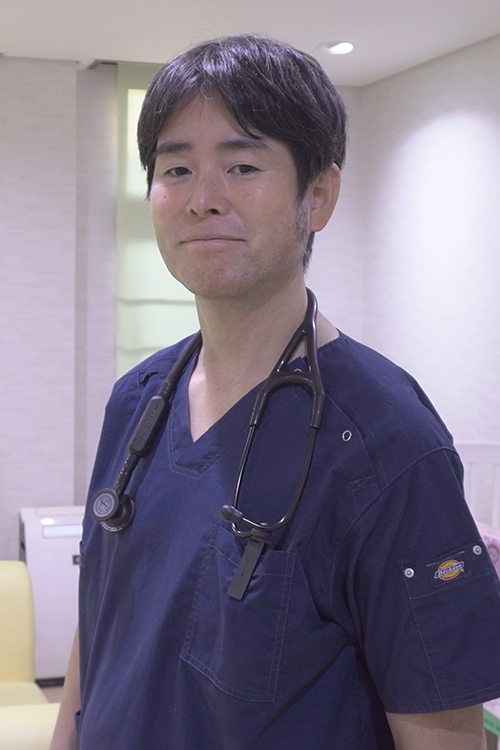
神戸大学医学部附属病院等の最前線で長年消化器・肝臓内科の臨床と研究に従事。医学博士。 標準治療では回復が困難な進行した肝炎や肝硬変に対し、新たな選択肢としての「肝臓再生医療」にいち早く取り組む。また、肝硬変患者さまの中で合併症(潜在性肝性脳症)を有する割合を明らかにし、カルニチンによる潜在性肝性脳症の治療効果を世界で初めて報告するなど、国際的な英文医学誌への論文掲載実績も多数(代表論文:Hepatol Res 2016; 46(2): 215-224)。科学的根拠に基づいた高度な専門知識と精緻な診断で、患者様の肝臓を守るサポートを行っています。
≫ 詳しい経歴や全研究実績はこちら
- 院長
- 斉藤雅也 Masaya Saito
日本肝臓学会 肝臓病専門医 Hepatologist, The Japan Society of Hepatology - 所在地
- 〒651-2412
兵庫県神戸市西区竜が岡1-15-3
(駐車場18台あり) - 電話
-
- 電話:078-967-0019
- 携帯電話:080-7097-5109
- アクセス
- 当院は、神戸市西区と明石市の境界付近に位置しており、明石市からも徒歩圏内です。実際に、明石市方面からも多くの患者様(肝臓病・一般内科)にご来院いただいております。駐車場も完備しておりますので、お車での通院も便利です。