
- 2026年5月28日
Severe Ascites Due to Liver Cirrhosis: Before Giving Up Thinking It Is Too Late, Consider Stem Cell Therapy as an Option
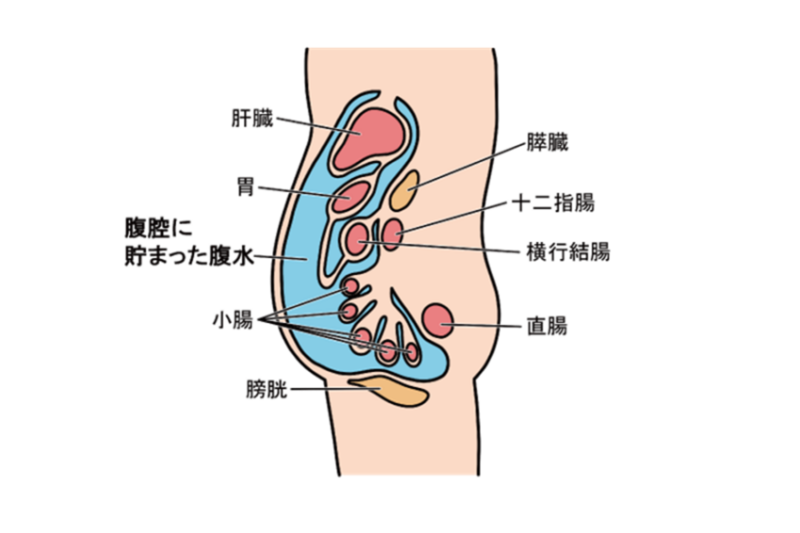
“My abdomen is bloating day by day, and the ascites is making it difficult to breathe…”
“I received a grim prognosis from my doctor, and I wonder if it is already too late…”
“Will my symptoms just continue to worsen while I wait for the end…”
When you are diagnosed with liver cirrhosis and suffer from severe ascites, and your doctor conveys that little more can be done, it is completely natural to be overwhelmed by deep despair and fear. Family members, too, may feel utterly helpless watching their loved one suffer. However, it is important to know that all hope is not lost.
For those who are desperately searching for answers, wondering if it is truly too late or if there is anything left to do, there is a possibility in advanced medicine that you should know about: stem cell therapy for liver regeneration.
In this article, I will explain the severity of liver cirrhosis and ascites, and why conventional treatments can sometimes make patients feel like they have run out of options. Then, I will introduce how stem cell therapy can bring a ray of hope to these challenging situations, including how it works, its expected benefits, and the approach we take at Saito Clinic of Internal Medicine.
1.The Fear of Advanced Liver Cirrhosis and Ascites: Why Patients Face Despair

Decompensated Liver Cirrhosis Explained
When liver cirrhosis progresses to a point where liver function drops significantly and can no longer meet the body’s needs, it is called decompensated liver cirrhosis. At this advanced stage, serious and life-threatening symptoms appear one after another, including jaundice, severe ascites, edema, a tendency to bleed easily, and cognitive impairment known as hepatic encephalopathy.
The Severe Distress and Life-Limiting Impact of Ascites
Ascites is an exceptionally painful symptom for patients. As a massive amount of fluid accumulates in the abdomen, it causes the following challenges:
・The abdomen becomes tensely bloated, significantly altering physical appearance.
・The fluid compresses internal organs, leading to an inability to eat, nausea, and vomiting.
・The diaphragm is pushed upward, causing severe shortness of breath and difficulty breathing.
・The body feels incredibly heavy, making even minor movements exhausting.
・There is a continuous risk of Spontaneous Bacterial Peritonitis, a life-threatening infection of the abdominal fluid.
These factors drastically reduce the patient’s quality of life, worsen nutritional status, increase infection risks, and directly affect overall life expectancy.
The Limitations of Conventional Treatments
For advanced liver cirrhosis and refractory ascites, standard therapies like diuretics, albumin infusions, and therapeutic paracentesis only provide temporary symptom relief. They do not restore the underlying function of the liver. Undergoing repeated fluid drainage can drain a patient’s physical strength and worsen malnutrition, gradually narrowing further treatment options. In such circumstances, it is completely understandable that patients and families feel they have reached a dead end.
2.Basic Knowledge of Liver Cirrhosis: Causes and Progression
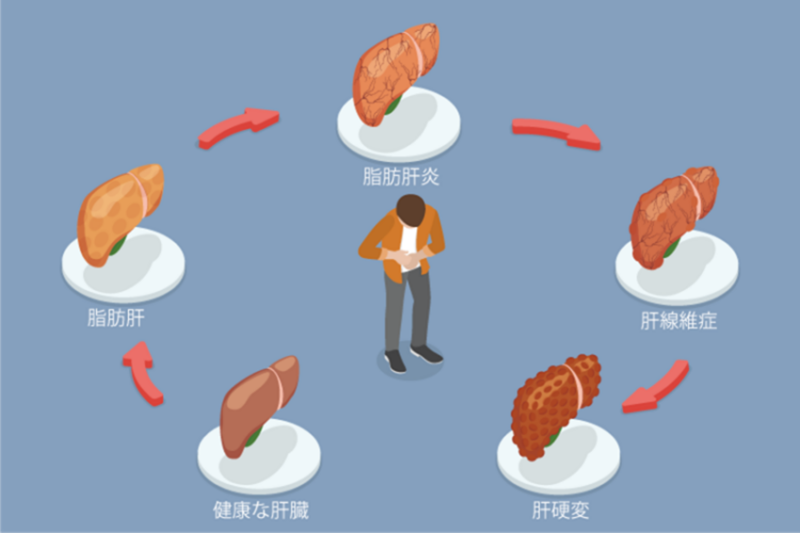
Liver cirrhosis develops when chronic inflammation continuously damages liver cells. As the liver repeatedly attempts to repair itself, hard scar tissue (fibrosis) builds up over time, causing the entire organ to stiffen. As this fibrosis progresses, the liver loses its flexibility, blood flow becomes obstructed, and the organ can no longer perform its vital functions.
The causes vary widely, including Hepatitis B and C viruses, long-term excessive alcohol consumption (alcoholic liver disease), metabolic dysfunction-associated steatotic liver disease (MASLD/MASH) linked to obesity and diabetes, and autoimmune disorders.
3.Symptoms of Liver Cirrhosis: From Early Signs to Advanced Stages
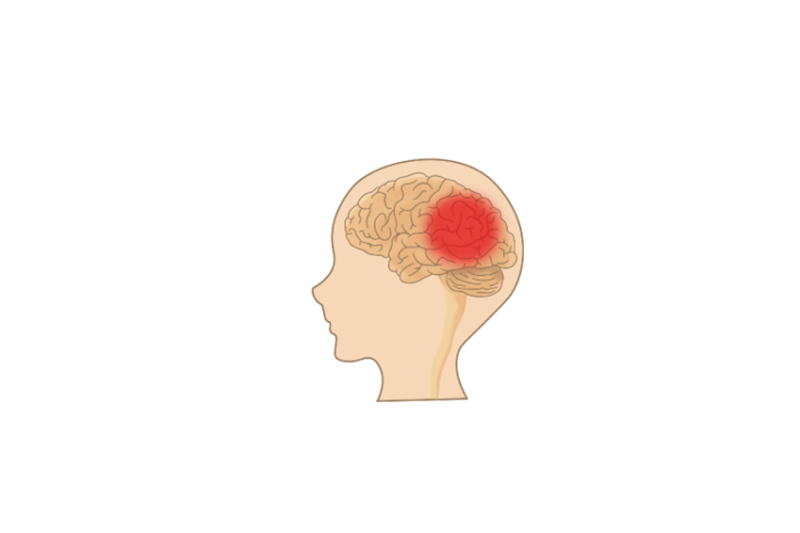
The liver is often called a silent organ because early-stage compensated liver cirrhosis causes almost no noticeable symptoms. However, once it progresses to decompensated liver cirrhosis, a wide range of severe symptoms emerge. These include jaundice, ascites, edema, a tendency to bleed easily, redness of the palms (palmar erythema), spider-like veins on the chest (spider angiomas), confusion or disorientation (hepatic encephalopathy), and the severe abdominal distress mentioned above.
4.Conventional Treatments and Their Limitations
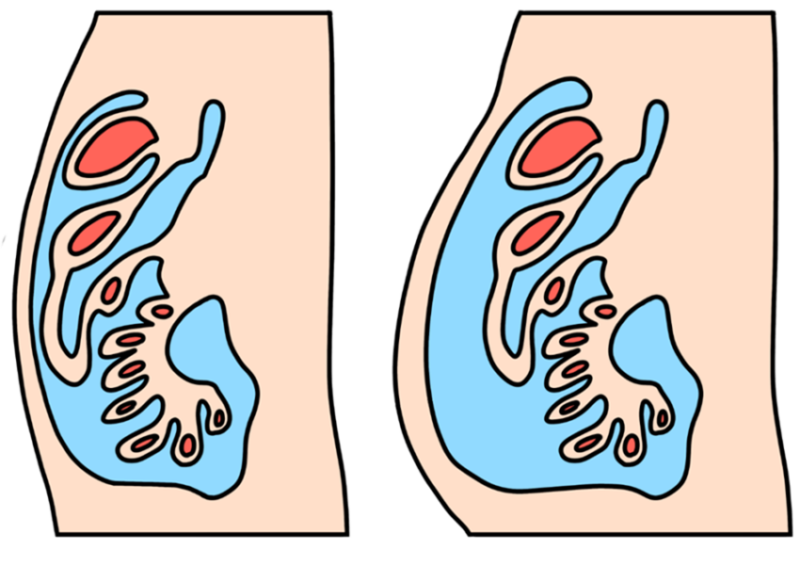
Standard medical care focuses on removing the underlying cause, such as eradicating the virus in viral hepatitis or enforcing alcohol cessation in alcoholic liver disease, alongside symptomatic therapies to manage complications.
To manage ascites, conventional approaches include strict salt restriction, bed rest, the administration of diuretics, intravenous albumin infusions, and Therapeutic Abdominal Paracentesis (TAP), where a needle is inserted into the abdomen to drain fluid physically. Endoscopic treatments to prevent the rupture of esophageal or gastric varices, as well as nutritional and pharmacological therapies for hepatic encephalopathy, are also essential.
However, these traditional methods cannot cure advanced liver cirrhosis or return a hardened liver to its original, healthy state. Especially in the decompensated phase, when ascites becomes resistant to conventional drugs and complications recur, standard treatments stop offering a fundamental solution. While a liver transplant is considered the only definitive cure, it is not a realistic option for everyone due to donor shortages, surgical strain, high costs, and age limitations.
This is precisely why, even when a situation feels entirely hopeless, it is critical not to give up and to explore new medical possibilities.
5.A New Ray of Hope: Advanced Stem Cell Therapy
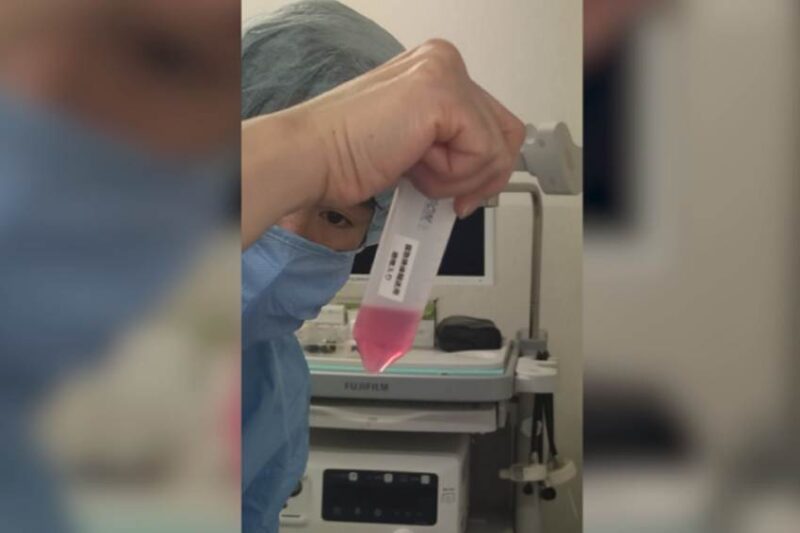
For those suffering from advanced liver cirrhosis and treatment-resistant ascites where standard options have fallen short, stem cell therapy offers a new path forward.
What is Stem Cell Therapy?
Stem cells are specialized cells naturally present in our bodies that possess the unique ability to differentiate into various types of cells and replicate themselves. Stem cell therapy involves harvesting these cells, culturing them outside the body to increase their numbers, and introducing them back into the patient to promote the repair and regeneration of damaged tissues and organs.
Why Can Stem Cells Help Liver Cirrhosis and Ascites?
Research indicates that when stem cells are administered for liver cirrhosis, they exert multi-targeted therapeutic effects. These include reducing chronic inflammation, suppressing and reversing fibrosis, and stimulating the regeneration of remaining healthy liver cells.
As a result, the following improvements can be expected:
・The hardened liver tissue can regain some degree of flexibility.
・Chronic liver inflammation is suppressed.
・The functional capacity of the remaining liver cells improves.
・The liver’s ability to produce albumin is restored, making it harder for ascites to accumulate.
Ultimately, this approach aims to reduce ascites buildup, improve overall physical health, and significantly enhance the patient’s quality of life.
Characteristics of Stem Cell Therapy at Saito Clinic of Internal Medicine
Our clinic provides autologous stem cell therapy, utilizing the patient’s own cells:
・Because we use your own cells, the risk of immune rejection or allergic reactions is extremely low.
・We design personalized treatment plans that minimize physical strain on the body.
・We place great importance on thorough, compassionate counseling and clear medical explanations by an experienced specialist.
・All cell handling is conducted under a strict, certified quality control system.
6.What Can Be Done and Looking Toward the Future: Process and Considerations
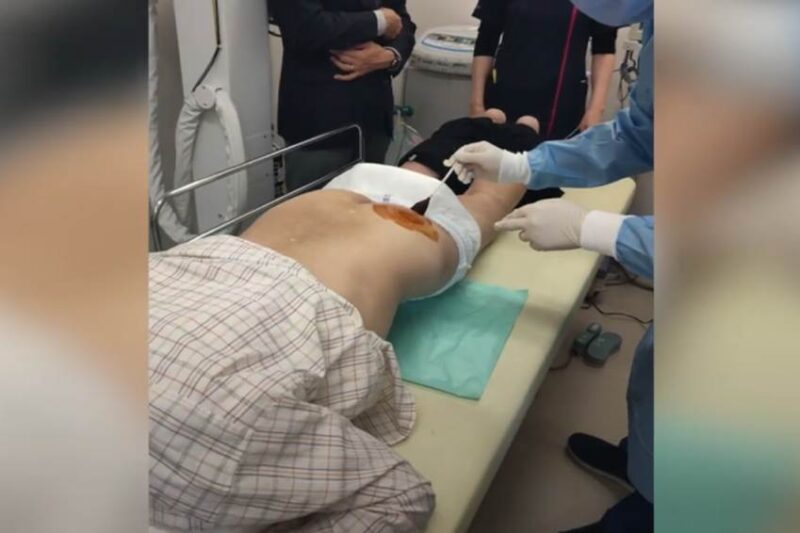
If you feel that time is of the essence, understanding how stem cell therapy proceeds and how quickly it can begin is an important consideration.
Eligibility Assessment and Detailed Consultation
First, a specialist conducts a comprehensive evaluation through a detailed examination and consultation. We carefully assess the current stage of liver cirrhosis, overall physical health, and co-existing complications to determine if stem cell therapy is appropriate. We fully explain not only the potential benefits but also the risks and limitations, ensuring that both the patient and their family are entirely comfortable before moving forward.
The Harvesting, Cultivation, and Administration Process
Generally, the treatment follows these steps:
・Harvesting Stem Cells: Stem cells are collected from the patient’s own body, such as adipose (fat) tissue, depending on the specific type of cell utilized.
・Cell Cultivation: The collected cells are processed in a specialized facility to multiply them to the amount required for treatment. This cultivation process typically takes around two months.
・Administration: The cultured stem cells are returned to the patient’s body, usually via an intravenous infusion.
Post-Treatment Progress and Quality of Life Improvements
While individual responses vary, many patients begin to notice gradual, positive changes in their physical condition over the weeks and months following the infusion. Expected improvements in quality of life include easier management of ascites, a reduction in chronic fatigue, and an improved appetite. We monitor both efficacy and safety through regular follow-up examinations and lab tests.
7.Patient Case Study: Significant Improvement in Decompensated Liver Cirrhosis
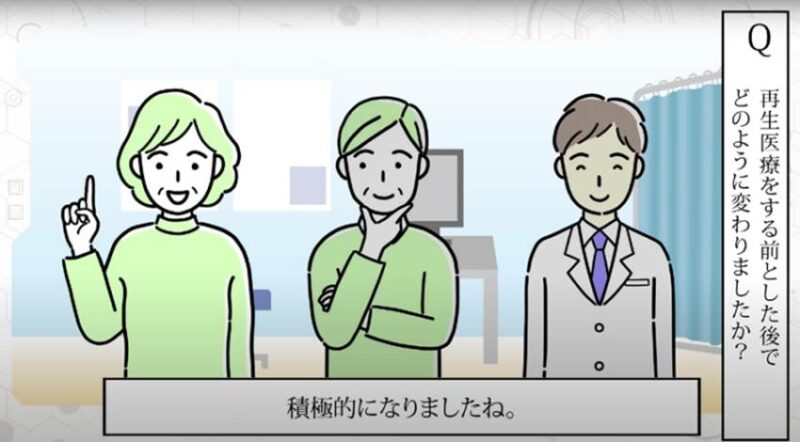
A patient with severe decompensated liver cirrhosis (Child-Pugh score of 13) who underwent stem cell therapy at our clinic reported an outstanding recovery. Prior to treatment, the patient suffered from extreme physical weakness and was barely able to leave the house. Following the stem cell infusion therapy, remarkable changes began to appear within just two weeks.
Key Improvements:
・Exceptional physical recovery: The patient, who previously had difficulty walking, became able to climb stairs and go out independently.
・Restored independence in daily living: The patient can now smoothly handle paperwork and organize their home environment.
・Complete resolution of hepatic encephalopathy: The chronic disorientation and memory issues have not recurred since the treatment.
Most rewarding of all for our medical team was witnessing the patient, who had felt entirely defeated before the procedure, regain a strong, positive outlook on life. From the initial fat tissue harvest to the stem cell infusion and the subsequent observation period, no serious side effects or complications were observed.
Our clinic remains deeply committed to walking alongside our patients and exploring the full potential of regenerative medicine.
8.Do Not Give Up Hope: A Specialist’s Message
Facing advanced liver cirrhosis and severe ascites can make you feel entirely helpless. However, modern medicine is continuously evolving.
Even when conventional treatments have reached their limits, stem cell therapy stands as a promising option that sheds light on restoring lost liver function and reviving your quality of life. While it is not a magical cure-all and results vary from person to person, it is an option thoroughly worth discussing with a specialist before giving up.
To help you and your loved ones smile again and live better days ahead, Saito Clinic of Internal Medicine is dedicated to providing medical care tailored individually to each patient. Please do not hesitate to contact us with any questions, no matter how small.
Information on Online Preliminary Consultation

さいとう内科クリニック
院長:斉藤 雅也 Masaya Saito
- 日本内科学会認定医
- 日本肝臓学会専門医
- 日本消化器病学会専門医
- 日本超音波医学会専門医
- 日本消化器内視鏡学会専門医
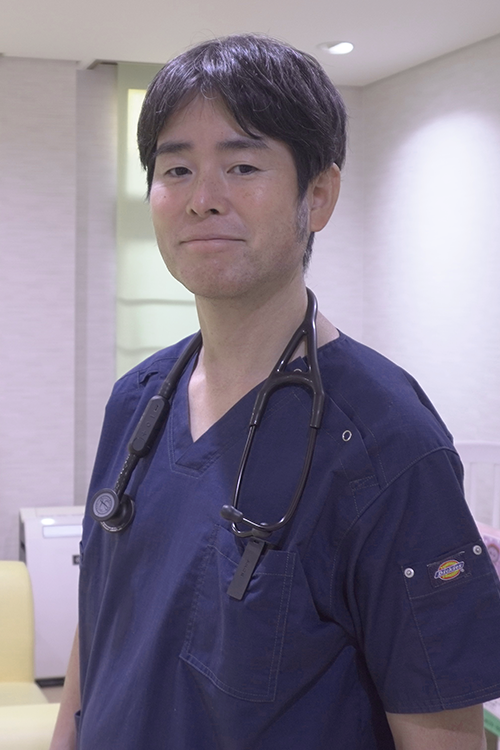
神戸大学医学部附属病院等の最前線で長年消化器・肝臓内科の臨床と研究に従事。医学博士。 標準治療では回復が困難な進行した肝炎や肝硬変に対し、新たな選択肢としての「肝臓再生医療」にいち早く取り組む。また、肝硬変患者さまの中で合併症(潜在性肝性脳症)を有する割合を明らかにし、カルニチンによる潜在性肝性脳症の治療効果を世界で初めて報告するなど、国際的な英文医学誌への論文掲載実績も多数(代表論文:Hepatol Res 2016; 46(2): 215-224)。科学的根拠に基づいた高度な専門知識と精緻な診断で、患者様の肝臓を守るサポートを行っています。
≫ 詳しい経歴や全研究実績はこちら
- 院長
- 斉藤雅也 Masaya Saito
日本肝臓学会 肝臓病専門医 Hepatologist, The Japan Society of Hepatology - 所在地
- 〒651-2412
兵庫県神戸市西区竜が岡1-15-3
(駐車場18台あり) - 電話
-
- 電話:078-967-0019
- 携帯電話:080-7097-5109
- アクセス
- 当院は、神戸市西区と明石市の境界付近に位置しており、明石市からも徒歩圏内です。実際に、明石市方面からも多くの患者様(肝臓病・一般内科)にご来院いただいております。駐車場も完備しておりますので、お車での通院も便利です。