
- 2026年5月28日
[A Liver Specialist Explains] What If You Are Told Your Albumin Level is Low? Knowledge and Countermeasures to Catch the Liver’s SOS Sign
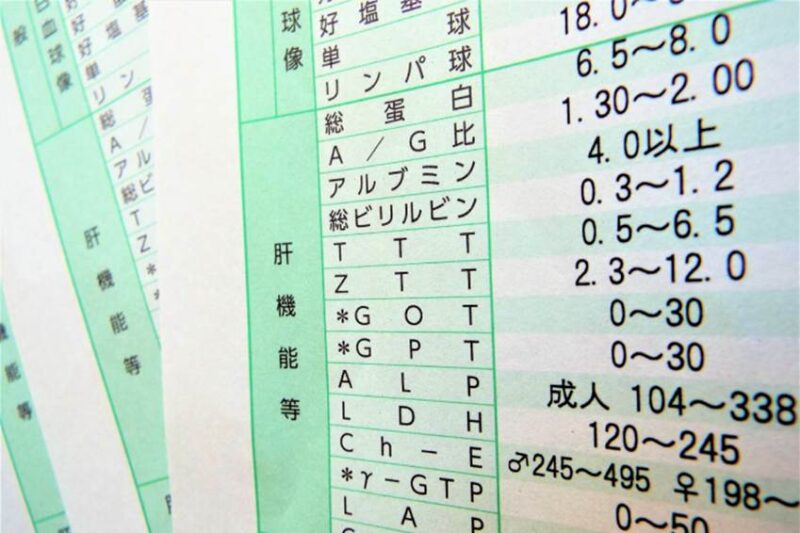
Have you ever had a blood test result point out that your “Alb” (Albumin) level is low?
It is easy to dismiss it by thinking, “If it is only a little low, I should be fine.” However, albumin is actually an incredibly important indicator that directly reflects how vigorously your liver is functioning.
In this article, from the perspective of a liver specialist, I will explain what albumin really is, the SOS signs your body shows when this number drops, and the “next steps” for improvement.
1.What is Albumin? The “Dam” and “Transporter” in Your Body

Albumin is the most abundant protein found in the blood, making up about 60 to 67% of the total blood protein. Its greatest characteristic is that it is manufactured 100% exclusively in the liver (by liver cells).
Albumin has two major roles essential for sustaining life:
| Role | Function |
| Retaining Water (The “Dam” Role) | Maintains the osmotic pressure required to keep water inside the blood vessels. |
| Transporting Substances (The “Transporter” Role) | Binds with essential substances like hormones, vitamins, medications, and trace elements, delivering them to cells throughout the body. |
2.Low Albumin Levels = A Sign of Declining “Manufacturing Capacity” in the Liver
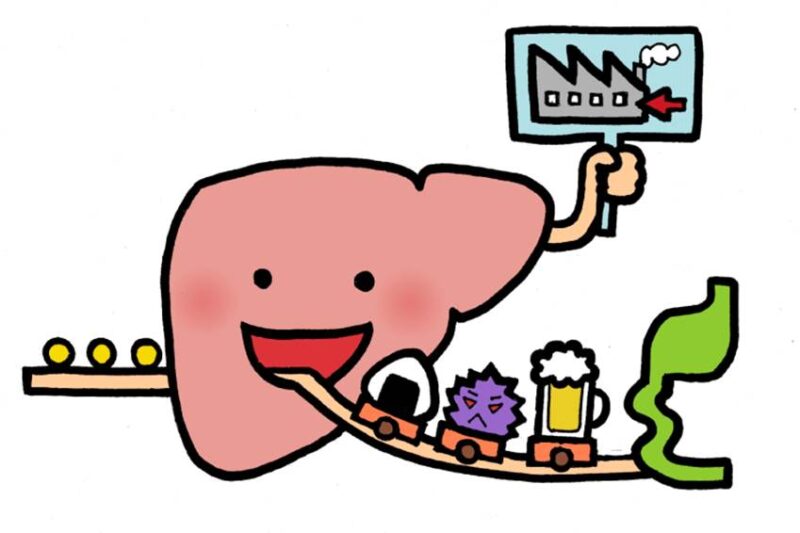
The standard reference range for albumin is generally considered to be around 3.8 to 5.2 g/dL. Even in the “Child-Pugh classification,” which indicates the progression stage of liver disease, the albumin level is one of the most critical evaluation criteria.
The primary cause for a drop in this number is a decline in liver function (the liver’s “manufacturing plant” breaking down).
When chronic hepatitis progresses to liver cirrhosis, the liver hardens and the number of normal liver cells decreases, significantly reducing the liver’s ability to synthesize albumin. Particularly, when the number drops below 3.5 g/dL, it is a sign of a “malnourished state” where the liver is highly exhausted, or an indication of “decompensated liver cirrhosis,” requiring strict medical attention.
3.Severe Symptoms That Appear When Albumin Decreases
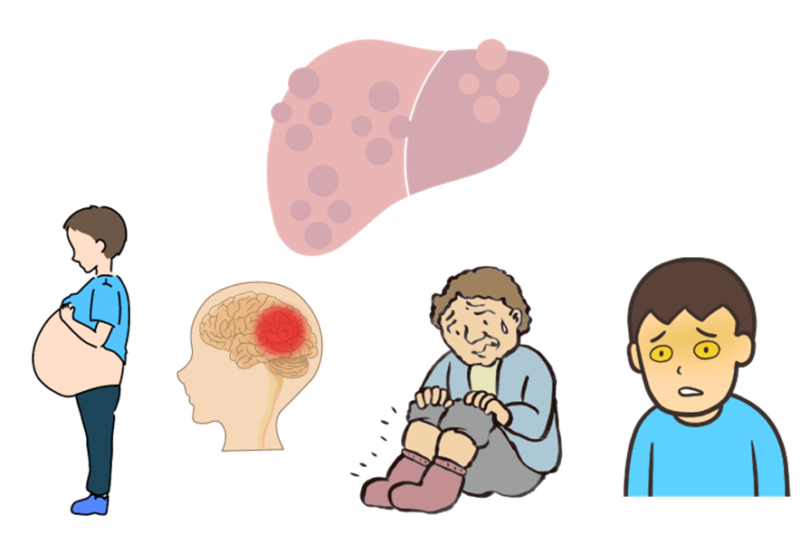
When the level drops and albumin can no longer fulfill its role as a “dam,” water leaks out from the blood vessels, leading to the following severe symptoms:
・Edema (Swelling): Especially the legs become severely swollen and puffy.
・Ascites: A massive amount of fluid accumulates in the abdomen, causing a feeling of pressure and shortness of breath.
・Systemic Fatigue: Due to a decline in metabolism and transportation functions, you cannot get rid of fatigue even with sufficient sleep.
・Hepatic Encephalopathy: The liver’s ability to process toxic substances like ammonia also drops, which can cause you to space out, feel confused, or experience hand tremors.
4. Lifestyle Habits to Maintain and Improve Albumin Levels
To boost the liver’s healing power and assist in albumin synthesis, incorporating mindful habits into your daily routine is indispensable.
- Intake of High-Quality Protein
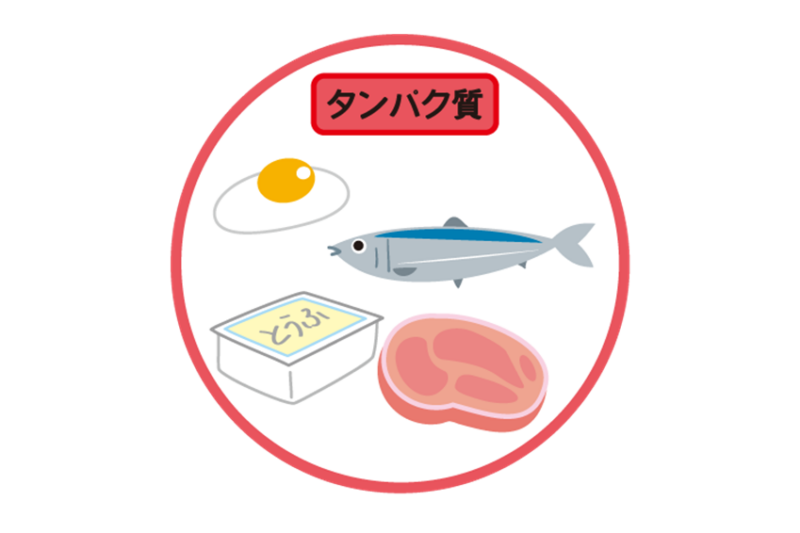
Consume a well-balanced diet of meat, fish, eggs, and soy products, which serve as the building blocks for liver cells.
- Utilization of BCAAs (Branched-Chain Amino Acids)

It is recommended to consciously consume BCAAs, which help synthesize muscles and reduce the metabolic burden on the liver.
- The Habit of “Lying Down” After Meals

By lying down and resting for about 30 minutes to an hour immediately after eating, the blood flow to the liver increases by 1.5 times compared to standing or sitting. This significantly promotes liver repair and protein synthesis.
Before Giving Up and Thinking “It Cannot Be Cured”: The Breakthrough Treatment of Liver Regenerative Medicine
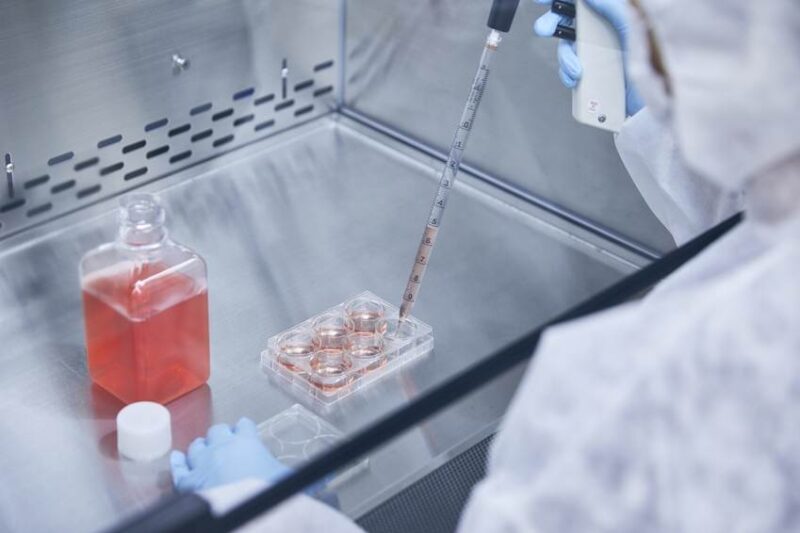
For patients whose condition has already progressed to liver cirrhosis and whose albumin levels no longer rise with conventional dietary and medical therapies, liver transplantation has historically been considered the only curative treatment. However, there are massive hurdles, such as a severe shortage of donors and the immense physical toll of surgery.
At Saito Clinic of Internal Medicine, we offer “Liver Regenerative Medicine” (Stem Cell Therapy), which utilizes stem cells harvested from the patient’s own buttock fat.
| Aspect | Details |
| Mechanism | The stem cells administered via an intravenous drip calm the inflammation in the liver, suppress the progression of hardened tissue (fibrosis), and promote its improvement. This supports the remaining healthy liver cells so they can work efficiently once again. |
| Expected Benefits | Among the patients who have actually received this treatment, there are reported cases where ascites and edema were reduced, hepatic encephalopathy was resolved, and severe fatigue improved. This drastically enhanced their Quality of Life (QOL), making it possible for them to go out and enjoy life again. |
Conclusion
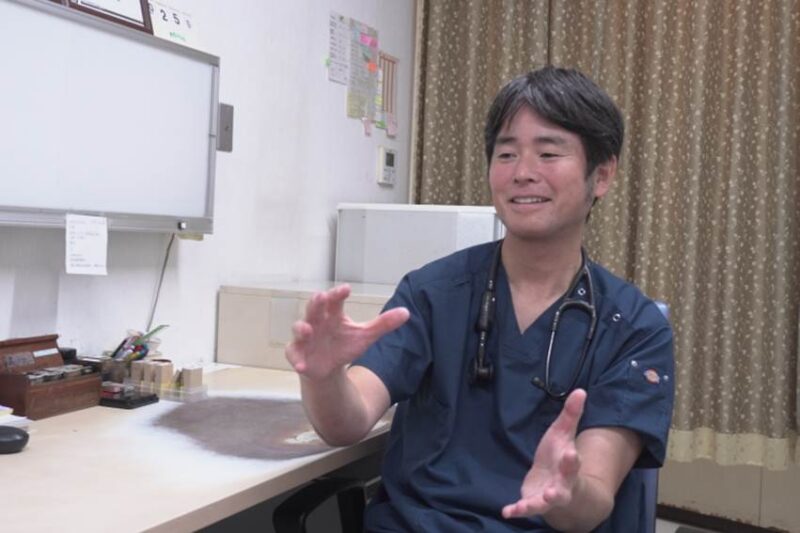
A drop in your albumin level might be the “final warning” issued by your liver, the silent organ. Please do not ignore a low number by dismissing it as “just your constitution.” First and foremost, undergo an accurate diagnosis by a liver specialist. At our clinic, we interpret a drop in the albumin level as an incredibly important message directly from your liver.
While utilizing standard treatments as our foundation, our clinic also provides regenerative medicine as a new therapeutic alternative concurrently when necessary. Before your liver reaches its absolute limit, why not take a step toward your future with us? Please do not bear your anxieties all alone. Let us work together, side-by-side, to face your illness with a positive mindset.

さいとう内科クリニック
院長:斉藤 雅也 Masaya Saito
- 日本内科学会認定医
- 日本肝臓学会専門医
- 日本消化器病学会専門医
- 日本超音波医学会専門医
- 日本消化器内視鏡学会専門医
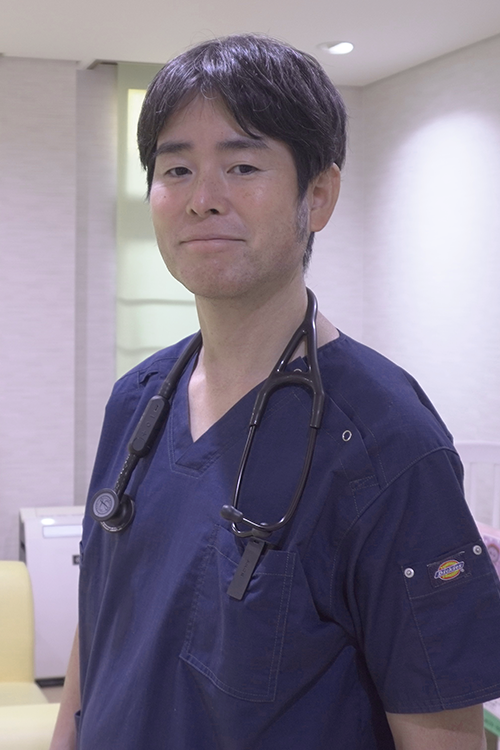
神戸大学医学部附属病院等の最前線で長年消化器・肝臓内科の臨床と研究に従事。医学博士。 標準治療では回復が困難な進行した肝炎や肝硬変に対し、新たな選択肢としての「肝臓再生医療」にいち早く取り組む。また、肝硬変患者さまの中で合併症(潜在性肝性脳症)を有する割合を明らかにし、カルニチンによる潜在性肝性脳症の治療効果を世界で初めて報告するなど、国際的な英文医学誌への論文掲載実績も多数(代表論文:Hepatol Res 2016; 46(2): 215-224)。科学的根拠に基づいた高度な専門知識と精緻な診断で、患者様の肝臓を守るサポートを行っています。
≫ 詳しい経歴や全研究実績はこちら
- 院長
- 斉藤雅也 Masaya Saito
日本肝臓学会 肝臓病専門医 Hepatologist, The Japan Society of Hepatology - 所在地
- 〒651-2412
兵庫県神戸市西区竜が岡1-15-3
(駐車場18台あり) - 電話
-
- 電話:078-967-0019
- 携帯電話:080-7097-5109
- アクセス
- 当院は、神戸市西区と明石市の境界付近に位置しており、明石市からも徒歩圏内です。実際に、明石市方面からも多くの患者様(肝臓病・一般内科)にご来院いただいております。駐車場も完備しておりますので、お車での通院も便利です。