
- 2026年5月28日
Can AST and ALT Levels Be Lowered? A Liver Specialist Explains the Potential of Regenerative Medicine for Improving Blood Data

Hello.
I am Masaya Saito, Director of Saito Clinic of Internal Medicine in Nishi-ku, Kobe.
“I find myself constantly worrying over the liver numbers in my health checkup results…”
“Is there any way to actually improve these AST and ALT numbers?”
If you are currently holding onto such earnest anxieties, this article may offer a ray of hope. From the perspective of a liver specialist, I will explain what these common numbers in your liver blood tests truly mean, and how regenerative medicine—specifically stem cell therapy—brings new possibilities to improving liver function numbers, which has traditionally been considered highly difficult.
Are You Concerned About Your Liver Numbers? Critical Signs Shown by Key Data

During a standard health checkup, several key numbers specifically indicate the condition of your liver. These numbers serve as vital warning signs from your body, telling us exactly what is happening inside your liver right now.
AST (GOT) and ALT (GPT): The Liver’s SOS Signs
AST and ALT are enzymes primarily found inside liver cells. When the liver suffers damage of any kind, these enzymes leak out into the bloodstream, causing their levels to rise.
・ALT (GPT): This enzyme is highly concentrated within the liver and bile ducts. Therefore, when ALT levels are elevated, it is an almost certain indicator of a problem within the liver or biliary system.
・AST (GOT): While it is also found in heart muscles and red blood cells—meaning it can rise due to non-liver diseases—an elevation combined with a high ALT level strongly points toward a liver issue.
Reference Values and Clinical Meanings
| Value (U/L) | Clinical Interpretation |
| 30 or less | Normal range. |
| 51 or more | Considered abnormal. Caution is strictly required. |
| 100 or less | Many physicians may recommend follow-up monitoring or lifestyle adjustments (dietary or alcohol restrictions), but it is a clear sign that the liver is under stress. |
| Over 100 | Strongly indicates chronic liver diseases such as chronic hepatitis or fatty liver. If AST is higher than ALT, alcoholic hepatitis is also highly suspected. |
| Over 300 | A dangerous condition that highly likely requires immediate hospitalization. |
| Over 500 | Indicates a high probability of acute hepatitis, representing a critical condition. At this level, most patients experience severe symptoms and seek emergency medical care even before receiving checkup results. |
It is a major misconception to think, “I’m under 100, so I’m perfectly fine.” Even if a doctor tells you to just monitor the condition, it is not a green light of absolute safety. It could very well be a silent cry for help from your liver.
γ-GTP (Gamma-GTP): Non-Drinkers Must Also Be On Alert!
Gamma-GTP is another critical indicator showing abnormalities in the liver and biliary tract. While widely known as a marker for alcohol-induced liver damage, it also rises due to metabolic dysfunction-associated steatohepatitis (MASH), drug-induced liver injury, and gallstones.
Albumin (Alb) and Platelets (PLT): Indicators of Liver Capacity and Fibrosis
・Albumin (Alb): A protein synthesized exclusively by the liver. It serves as an essential marker for the liver’s overall metabolic and synthetic capacity. Low albumin levels indicate declining liver function and can lead to severe swelling (edema).
・Platelets (PLT): As liver cirrhosis advances, the platelet count often drops. This decline is closely linked to the progression and severity of liver fibrosis (hardening of the liver).
It is crucial to evaluate these numbers collectively rather than looking at any single value in isolation.
The Mechanism: How Regenerative Medicine Illuminates the Path to Improving Liver Numbers
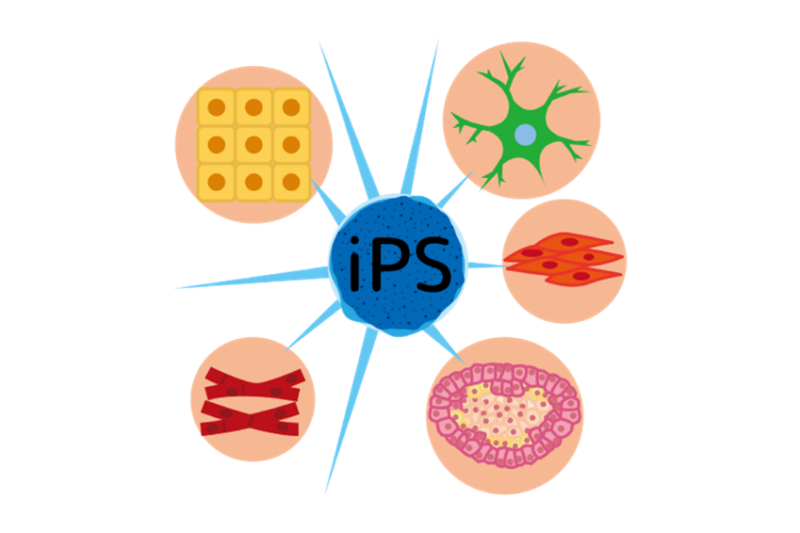
In conventional liver disease treatments, once conditions like liver cirrhosis progress to an advanced stage, it has been widely accepted that reversing or significantly improving liver function numbers is extremely difficult. However, regenerative medicine—particularly stem cell therapy—holds the potential to positively impact these clinical markers.
Why does stem cell therapy influence liver numbers so effectively?
The key lies in the dual capabilities of stem cells: profound anti-inflammatory properties and tissue repair promotion. Liver diseases progress because chronic inflammation continuously damages liver cells, which eventually triggers fibrosis. Stem cells naturally possess a homing mechanism, meaning they gather at sites of injury and active inflammation within the body. Once administered stem cells reach the liver, they are believed to perform the following vital functions:
1.Suppression of Chronic Inflammation
By calming inflammation within the liver, stem cells drastically reduce ongoing damage to liver cells. This directly targets the root cause of cell destruction, offering a strong potential to lower AST and ALT levels, which only rise when liver cells are destroyed.
2.Support for Remaining Healthy Liver Cells
When inflammation is suppressed and the internal microenvironment of the liver improves, the remaining healthy liver cells can perform their metabolic tasks much more efficiently. This can enhance the liver’s protein synthesis capabilities, leading to an increase in serum albumin levels.
3.Suppression and Reversal of Fibrosis
Stem cells are expected to inhibit the progression of liver fibrosis and, in some cases, encourage the breakdown of existing scar tissue. This mechanism can slow down or potentially reverse the decline in platelet counts.
Through these combined pathways, a visible improvement in your routine blood test data can be realistically anticipated.
Real Hope: Concrete Potential for Improvement

Among the patients who have undergone autologous stem cell therapy at our clinic, we have observed remarkable improvements in liver function markers. For instance, an increase in albumin levels has successfully reduced painful physical swelling, and the stabilization of AST and ALT numbers has directly led to a significant enhancement in the patient’s overall Quality of Life (QOL).
While therapeutic outcomes vary individually, regenerative medicine serves as a powerful new alternative and a source of genuine hope for those who have seen little to no improvement through standard conventional care alone.
Numbers are Benchmarks, But Hope is Your Strength

Your liver numbers are simply guideposts reflecting the current state of your internal health. Without a doubt, the most important goal is the overall improvement of your day-to-day well-being. However, having objective, measurable milestones in your blood data provides great encouragement during your medical journey, serving as a powerful driving force to stay positive.
Have you given up on your AST, ALT, or Gamma-GTP numbers, believing they will never get better?
Regenerative medicine might be the key to realizing your hopes.
Why not consult with us to explore the true potential of improving your liver health? Our clinic offers preliminary consultations via online telemedicine (utilizing the Curon platform) to discuss your options comfortably from home. If you have any concerns regarding your liver numbers, taking that first step to speak with a specialist is highly recommended.
Click Here for Online Preliminary Consultation

さいとう内科クリニック
院長:斉藤 雅也 Masaya Saito
- 日本内科学会認定医
- 日本肝臓学会専門医
- 日本消化器病学会専門医
- 日本超音波医学会専門医
- 日本消化器内視鏡学会専門医

神戸大学医学部附属病院等の最前線で長年消化器・肝臓内科の臨床と研究に従事。医学博士。 標準治療では回復が困難な進行した肝炎や肝硬変に対し、新たな選択肢としての「肝臓再生医療」にいち早く取り組む。また、肝硬変患者さまの中で合併症(潜在性肝性脳症)を有する割合を明らかにし、カルニチンによる潜在性肝性脳症の治療効果を世界で初めて報告するなど、国際的な英文医学誌への論文掲載実績も多数(代表論文:Hepatol Res 2016; 46(2): 215-224)。科学的根拠に基づいた高度な専門知識と精緻な診断で、患者様の肝臓を守るサポートを行っています。
≫ 詳しい経歴や全研究実績はこちら
- 院長
- 斉藤雅也 Masaya Saito
日本肝臓学会 肝臓病専門医 Hepatologist, The Japan Society of Hepatology - 所在地
- 〒651-2412
兵庫県神戸市西区竜が岡1-15-3
(駐車場18台あり) - 電話
-
- 電話:078-967-0019
- 携帯電話:080-7097-5109
- アクセス
- 当院は、神戸市西区と明石市の境界付近に位置しており、明石市からも徒歩圏内です。実際に、明石市方面からも多くの患者様(肝臓病・一般内科)にご来院いただいております。駐車場も完備しておりますので、お車での通院も便利です。