
- 2026年5月28日
Is Weight Training Worsening Your Liver Numbers? The True Reason AST and ALT Rise—Is It Really Just Because of Your Muscles? A Specialist Explains.
Hello.
I am Masaya Saito, Director of Saito Clinic of Internal Medicine in Nishi-ku, Kobe.
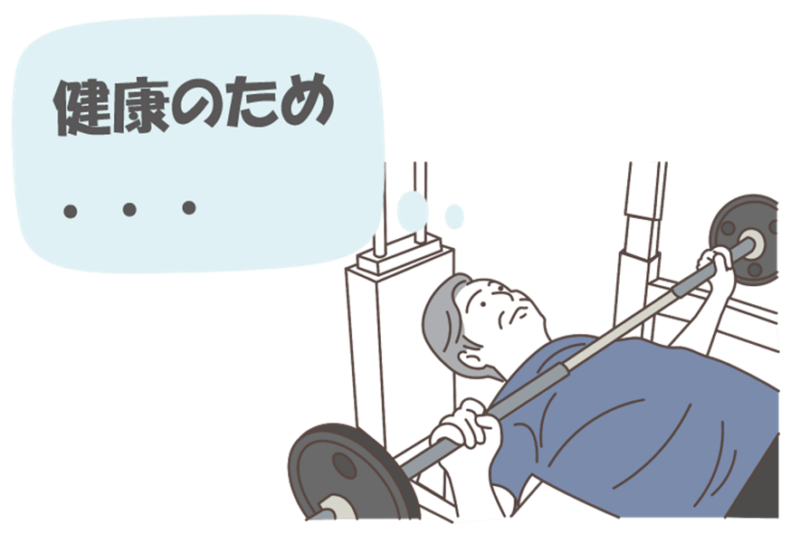
You started weight training for the sake of your health. Your body is toning up nicely, and everything seems to be going well. Yet, for some reason, the liver numbers (AST and ALT) on your health checkup have gone up.
If you are currently facing this contradictory reality and feeling confused or anxious, I completely understand how you feel. It can be incredibly discouraging to think that something you are working so hard at for your own good might be negatively impacting your liver. In fact, many prominent bodybuilders and athletes have experienced this exact same issue with elevated liver function markers.
It is true that intense weight training can cause a temporary rise in liver numbers. However, is it truly safe to attribute those elevated numbers entirely to your muscles? Relying on easy self-diagnosis could lead you to overlook hidden, serious risks within the liver itself.
In this article, I will explain the relationship between weight training and liver markers from a specialist’s perspective, revealing the true reasons your numbers might be rising and the hidden risks that are often missed.
The Mechanism: How Intense Weight Training Temporarily Raises AST and ALT
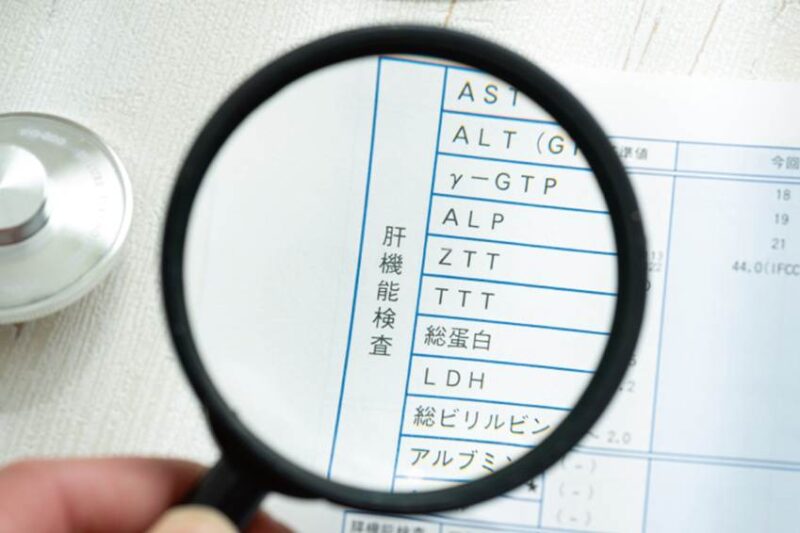
First, let me reassure you. It is medically possible for AST (GOT) and ALT (GPT) levels to rise temporarily after intense weight training.
This happens because AST is an enzyme found not only in the liver but also in high concentrations within cardiac and skeletal muscles. When your muscles suffer microscopic damage from intense exercise and undergo the breakdown process required for repair, AST leaks into the bloodstream, causing a temporary spike in your test results. Because ALT is also present in muscles in small amounts, it can elevate simultaneously.
This type of reaction is particularly common when someone who does not usually exercise suddenly starts high-load weight training, or when an individual falls into a state of overtraining.
But Is It Truly Safe to Blame Your Muscles Alone?

Assuming that you have nothing to worry about because the numbers just rose from weight training is a dangerous self-diagnosis. While muscles can certainly be the cause, it is not uncommon for an underlying issue within the liver itself to be hidden behind those numbers. Please consider whether any of the following factors apply to you:
1.The Burden on the Liver from Excess Protein and Supplements
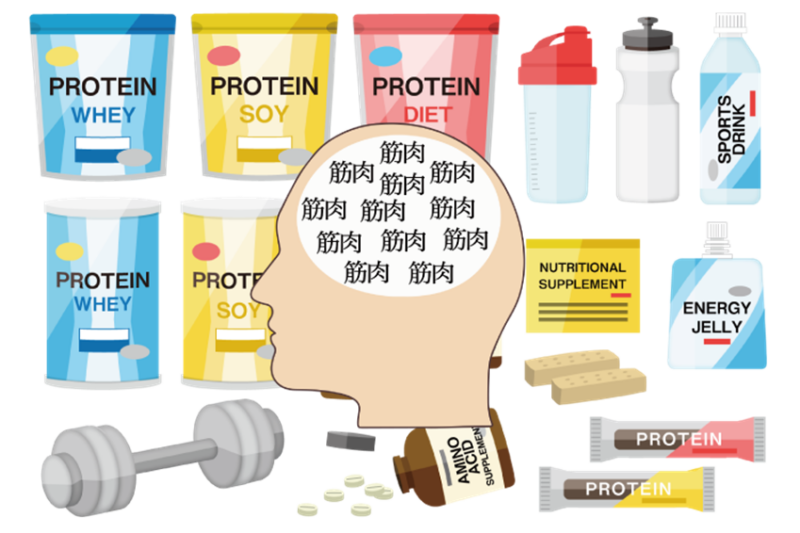
Many people who engage in weight training consume protein powders and various supplements to increase muscle mass. However, excessive consumption of these products can place a significant metabolic burden on the liver.
・Excessive Protein Intake: The liver is the primary organ responsible for metabolizing protein. Overconsuming protein strains the liver and can exceed its capacity to process toxic byproducts like ammonia.
・Overseas Supplements and Specific Ingredients: Some products contain ingredients that strain the liver or are manufactured with insufficient quality control. Cases of liver injury induced by such products are well-documented, and even health-conscious celebrities often suffer from hidden liver strain due to supplement misuse.
2.The Possibility of a Hidden Fatty Liver due to Dietary Imbalances

Are you neglecting your actual diet under the assumption that you are healthy just because you lift weights?
It is remarkably common for individuals who train regularly to develop a hidden fatty liver due to diets heavily biased toward carbohydrates and fats, or from frequent snacking.
Please be on alert if your lifestyle includes the following:
・High-Carb and High-Fat Diets: Consuming high-calorie meals that exceed your actual exercise output, or relying heavily on sugars, fats, and energy drinks, makes it easy for the liver to store those excess calories as fat.
・Excessive Fructose Intake: Fructose, which is abundant in juices and processed foods, is rapidly converted directly into fat by the liver, requiring strict moderation.
・Alcohol Consumption: Drinking alcohol as a reward after a hard workout can subject the liver to chronic, long-term strain.
When these factors overlap, the risk of developing metabolic dysfunction-associated steatohepatitis (MASH/NASH)—a condition where fat accumulates in the liver and triggers chronic inflammation—increases drastically. Left untreated, MASH can progress to liver cirrhosis or liver cancer, making it a highly dangerous condition. While you are assuming your numbers are just high from working out, a serious liver disease could be quietly progressing under the surface.
Why Not Uncover the True Cause Behind Your Elevated Numbers?
Because you are highly health-conscious, it is only natural to assume that weight training is the culprit. However, what truly matters is accurately identifying the genuine root cause of your elevated liver markers.
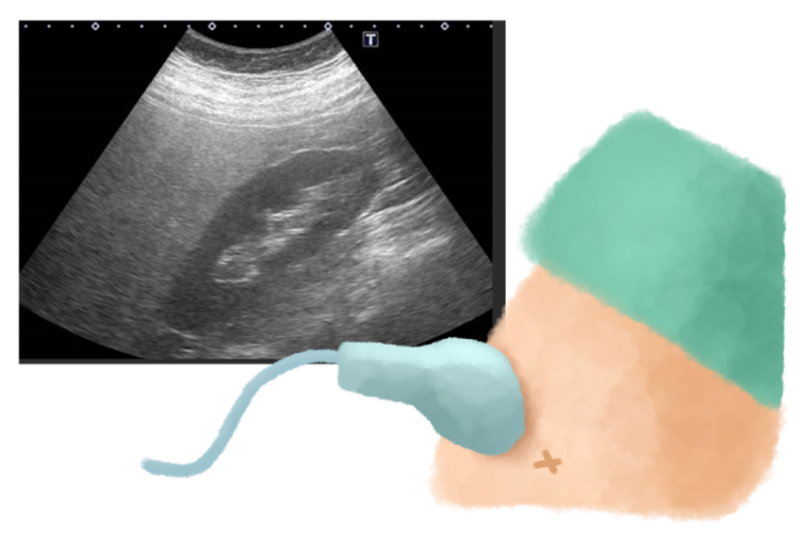
To achieve this, it is essential to avoid self-interpretation and undergo a detailed examination by a specialist. In particular, an abdominal ultrasound (echography) is an exceptionally effective, non-invasive method that allows us to visually evaluate the precise state of your liver. It enables a detailed assessment of how much fat has accumulated, whether there are signs of active inflammation, and if the liver has begun to undergo fibrosis (hardening).
I am a Liver Specialist and an Ultrasound Specialist

As both a certified liver specialist and a board-certified ultrasound specialist, I utilize my years of clinical experience and specialized expertise to provide highly precise diagnoses of my patients’ liver health. I can accurately determine whether your numbers are rising purely due to the effects of your weight training, or if there is an underlying risk of a hidden fatty liver or MASH.
To clear up your anxieties about why your numbers are high despite working so hard for your health, and to truly protect your liver, why not visit our clinic and uncover the true cause together?
We also offer preliminary consultations via online telemedicine utilizing the Curon platform. Please feel free to reach out to us at any time.
Click Here for Online Preliminary Consultation
さいとう内科クリニック
院長:斉藤 雅也 Masaya Saito
- 日本内科学会認定医
- 日本肝臓学会専門医
- 日本消化器病学会専門医
- 日本超音波医学会専門医
- 日本消化器内視鏡学会専門医

神戸大学医学部附属病院等の最前線で長年消化器・肝臓内科の臨床と研究に従事。医学博士。 標準治療では回復が困難な進行した肝炎や肝硬変に対し、新たな選択肢としての「肝臓再生医療」にいち早く取り組む。また、肝硬変患者さまの中で合併症(潜在性肝性脳症)を有する割合を明らかにし、カルニチンによる潜在性肝性脳症の治療効果を世界で初めて報告するなど、国際的な英文医学誌への論文掲載実績も多数(代表論文:Hepatol Res 2016; 46(2): 215-224)。科学的根拠に基づいた高度な専門知識と精緻な診断で、患者様の肝臓を守るサポートを行っています。
≫ 詳しい経歴や全研究実績はこちら
- 院長
- 斉藤雅也 Masaya Saito
日本肝臓学会 肝臓病専門医 Hepatologist, The Japan Society of Hepatology - 所在地
- 〒651-2412
兵庫県神戸市西区竜が岡1-15-3
(駐車場18台あり) - 電話
-
- 電話:078-967-0019
- 携帯電話:080-7097-5109
- アクセス
- 当院は、神戸市西区と明石市の境界付近に位置しており、明石市からも徒歩圏内です。実際に、明石市方面からも多くの患者様(肝臓病・一般内科)にご来院いただいております。駐車場も完備しておりますので、お車での通院も便利です。