
- 2026年5月28日
Elevated Liver Numbers: Could Stress Be the Cause? The Mechanism Behind Rising AST/ALT and How to Improve Them
Hello.
I am Masaya Saito, Director of Saito Clinic of Internal Medicine in Nishi-ku, Kobe.
Have you ever been told after a health checkup that your liver function numbers are a little high?
“I rarely drink alcohol, and I don’t feel unwell, so why?”
If this sounds familiar, the underlying cause might actually be stress.
The liver is known as a silent organ, and precisely because it rarely shows early symptoms, the numbers on your blood test serve as a critical warning sign from your body. In this article, I will explain the mechanism of how stress elevates liver numbers, steps you can take on your own, and the appropriate medical approaches from the perspective of a liver specialist.
What Exactly Are AST (GOT) and ALT (GPT)?
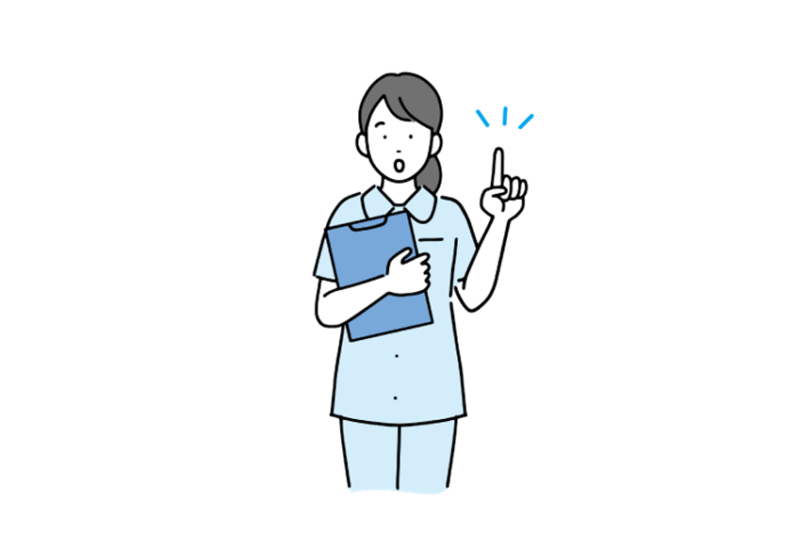
First, let me briefly explain AST and ALT, which you frequently see on health checkup reports. These are enzymes that exist inside liver cells.
Under healthy conditions, only a very small amount of these enzymes is present in the blood. However, when liver cells are damaged and destroyed for some reason, these enzymes leak out into the bloodstream. Therefore, the elevation of AST and ALT levels in a blood test serves as a benchmark indicating how many liver cells are currently being destroyed.
Generally, an ALT level of 31 IU/L or higher is considered a sign that requires caution, and consulting a liver specialist is highly recommended.
Why Does Stress Elevate Liver Numbers?

The primary reason stress directly affects the liver lies in an imbalance of the autonomic nervous system.
Our bodies function normally through a delicate balance between the sympathetic nervous system, which becomes dominant during activity, and the parasympathetic nervous system, which takes over during relaxation. However, when excessive mental stress persists, the sympathetic nervous system remains in a constant state of tension.
When the sympathetic nervous system is dominant, blood vessels constrict, reducing the volume of blood supplied to the liver. The liver is an organ that requires a massive amount of blood flow. If this flow is insufficient, oxygen and nutrients cannot be adequately distributed, causing damage to the liver cells.
As a result, a phenomenon occurs where AST and ALT levels rise, even if you are not overeating or drinking heavily.
Self-Check: Unhealthy Habits Triggered by Stress That Harm the Liver

In addition to disrupting the autonomic nervous system, stress can unconsciously lead to lifestyle habits that place an extra burden on the liver. Do any of the following habits apply to you?
・Overeating or an Unbalanced Diet: Eating too many sweets or greasy foods as a way to relieve stress, or having a diet heavily biased toward carbohydrates.
・Lack of Sleep: Finding it difficult to fall asleep or having shallow sleep because the sympathetic nervous system remains dominant even at night. Sleep is a crucial time for the liver to rest and regenerate its cells. A lack of sleep means you are not letting your liver recover.
・Increased Alcohol Consumption: Unintentionally drinking more alcohol to escape from stress. It goes without saying that alcohol places a heavy burden on the liver.
・Overuse of Supplements or Health Foods: Taking various supplements or health foods based on self-judgment when feeling unwell. Since most supplements and health foods are broken down by the liver, excessive intake increases the liver’s metabolic workload.
Steps You Can Take Starting Today to Improve Your Liver Numbers
To improve your liver numbers, it is vital to distance yourself from the sources of stress while consciously adopting a lifestyle that protects your liver.
1.Focus on a Balanced Diet
The regeneration of liver cells requires high-quality protein (such as fish, meat, and soy products) and B vitamins that assist in their metabolism. Aim for balanced meals that include a staple food, a main dish, and side dishes. Avoid taking unnecessary supplements or health foods, as they carry the risk of straining the liver.
2.Secure High-Quality Sleep
Take a bath one to two hours before bedtime, and avoid using smartphones or watching TV to create a relaxing environment. It is crucial to secure enough time for the liver to fully rest and regenerate.
3.Make Moderate Exercise a Habit
Aerobic exercises such as walking, light jogging, or yoga are highly effective for stress relief. Furthermore, they promote fat burning, which helps prevent and improve a fatty liver. The key is to find an exercise that you can enjoy consistently.
Important: Stress Is Not the Only Cause—Diverse Factors Behind Liver Dysfunction
While it is true that stress influences liver numbers, it is not the only potential cause of elevated levels. It is extremely dangerous to self-diagnose and dismiss the issue, assuming it is just due to stress.
The various causes that trigger liver dysfunction include:
・Viral hepatitis (such as Hepatitis B and Hepatitis C)
・Alcoholic liver disease
・Metabolic dysfunction-associated steatotic liver disease / steatohepatitis (MASLD/MASH) caused by obesity, diabetes, etc.
・Drug-induced liver injury
・Autoimmune liver diseases (such as autoimmune hepatitis and primary biliary cholangitis)
・Primary sclerosing cholangitis
Left untreated, these diseases can progress to life-threatening conditions such as liver cirrhosis or liver cancer.
Start by Consulting a Liver Specialist if Your Numbers Are Abnormal

If an abnormality is pointed out in your liver numbers during a health checkup, it is an SOS sign from your liver. Even if stress is the trigger, the possibility of another underlying disease being hidden in the background cannot be ruled out.
First and foremost, it is crucial to consult a liver specialist to accurately understand the current state of your liver through an abdominal ultrasound and detailed blood tests.
At our clinic, as a specialist in both gastroenterology and hepatology, I thoroughly investigate the causes of liver dysfunction through specialized examinations. I provide personalized lifestyle guidance and specialized medical treatments tailored to each individual.
Furthermore, even in the event that the condition has progressed to liver cirrhosis, our clinic offers a new therapeutic alternative: liver regenerative medicine.
Please do not suffer alone wondering what to do. Take your first step toward your future health and feel free to consult us at any time.
Information on Online Preliminary Consultation
さいとう内科クリニック
院長:斉藤 雅也 Masaya Saito
- 日本内科学会認定医
- 日本肝臓学会専門医
- 日本消化器病学会専門医
- 日本超音波医学会専門医
- 日本消化器内視鏡学会専門医

神戸大学医学部附属病院等の最前線で長年消化器・肝臓内科の臨床と研究に従事。医学博士。 標準治療では回復が困難な進行した肝炎や肝硬変に対し、新たな選択肢としての「肝臓再生医療」にいち早く取り組む。また、肝硬変患者さまの中で合併症(潜在性肝性脳症)を有する割合を明らかにし、カルニチンによる潜在性肝性脳症の治療効果を世界で初めて報告するなど、国際的な英文医学誌への論文掲載実績も多数(代表論文:Hepatol Res 2016; 46(2): 215-224)。科学的根拠に基づいた高度な専門知識と精緻な診断で、患者様の肝臓を守るサポートを行っています。
≫ 詳しい経歴や全研究実績はこちら
- 院長
- 斉藤雅也 Masaya Saito
日本肝臓学会 肝臓病専門医 Hepatologist, The Japan Society of Hepatology - 所在地
- 〒651-2412
兵庫県神戸市西区竜が岡1-15-3
(駐車場18台あり) - 電話
-
- 電話:078-967-0019
- 携帯電話:080-7097-5109
- アクセス
- 当院は、神戸市西区と明石市の境界付近に位置しており、明石市からも徒歩圏内です。実際に、明石市方面からも多くの患者様(肝臓病・一般内科)にご来院いただいております。駐車場も完備しておりますので、お車での通院も便利です。