
- 2026年6月7日
Alcoholic Liver Cirrhosis and “Life Expectancy”: What You Need to Know to Avoid Despair After a Prognosis

“You have alcoholic liver cirrhosis. Unfortunately, at this rate, your life expectancy is…”
If a doctor were to tell you these words, your mind might go blank, and you could be struck by a profound sense of despair. Although it is the result of years of drinking, the reality is so harsh that many people are left speechless.
But is there truly no hope? Before you are crushed by the weight of the term “life expectancy,” there are things we want you to know. In this article, we will discuss alcoholic cirrhosis and “life expectancy,” providing information to help you find hope from the depths of despair and live with strength.
What is Alcoholic Cirrhosis? Why is “Life Expectancy” Discussed?

Alcoholic cirrhosis is a disease in which the liver gradually hardens and loses its vital functions due to excessive alcohol consumption over a long period. The liver is often called the “silent organ,” and in the early stages, there are almost no subjective symptoms. However, by the time symptoms do appear, the disease has often progressed significantly.
(For more information on the effects of alcohol on the liver and the process leading to cirrhosis, please also refer to our clinic’s article: “Many Celebrities Suffered From It Too!? Alcohol That Shortens Your Life.”)
As cirrhosis progresses, liver function declines markedly, increasing the likelihood of life-threatening complications. These include ascites (fluid accumulation in the abdomen), jaundice (yellowing of the skin and whites of the eyes), esophageal varices (swollen, bumpy blood vessels in the esophagus that pose a risk of major bleeding if they rupture), and hepatic encephalopathy (impaired consciousness and abnormal behavior).
When a patient reaches this state, a doctor will comprehensively evaluate their condition and sometimes use the term “life expectancy” as a prognosis for the disease. This is a statistical prediction based primarily on systems like the “Child-Pugh classification,” which indicates how much liver function remains, or the “MELD score,” which is an index used to determine the necessity of a liver transplant.
However, what we want to emphasize here is that “life expectancy” is merely a statistical prediction; it is not an absolute certainty that dictates the future of every individual patient.
“Life Expectancy” is Not Absolute: Various Influencing Factors
The “life expectancy” given by a doctor is only a prediction at that specific point in time. Your future can change significantly depending on subsequent lifestyle improvements, your commitment to treatment, and, above all, your “will to live.” In reality, factors that influence your prognosis include the following:

- Continuous Abstinence from Alcohol (The Most Important Factor): The most crucial and indispensable step to halt the progression of alcoholic cirrhosis and improve your current condition is to stop drinking completely (abstinence). Continuing to drink will further damage the liver and increase the risk of complications. However, if you courageously commit to abstinence, you can expect improvements in liver function and a suppression of liver damage progression. In Okinawa Prefecture, clinical research is currently underway comparing the outcomes (prognosis) of patients with alcoholic cirrhosis who successfully abstained from alcohol versus those who did not. It is expected that data further demonstrating the importance of abstinence will become clearer in the future.
- Presence and Control of Complications: Complications such as ascites, esophageal varices, hepatic encephalopathy, and liver cancer greatly affect life expectancy. Detecting these complications early and managing them appropriately is extremely important.
- Maintenance and Improvement of Nutritional Status: Nutritional status tends to deteriorate when you have cirrhosis. Receiving proper nutritional guidance and maintaining a balanced diet will enhance the liver’s regenerative capacity and your immune system, leading to the maintenance of your QOL (Quality of Life).
- Active Engagement in Treatment: It is vital to continuously receive necessary treatments as instructed by your doctor. Furthermore, having a correct understanding of your medical condition and treatment options, and taking an active stance in your treatment, is essential.
A Story of Hope: Naoko Hayashiba’s Miraculous Recovery After a Prognosis

When you feel like you might be crushed by the term “life expectancy,” the story of someone who overcame similarly severe circumstances can provide great courage and hope. Naoko Hayashiba, a former female professional shogi player and TV personality, is one such person who was diagnosed with alcoholic cirrhosis and temporarily given “one year to live.”
Once celebrated as the “idol of the shogi world,” Ms. Hayashiba began relying on alcohol following major events in her personal life. In 2008, she was diagnosed with alcoholic cirrhosis and received the harsh prognosis of “one year to live” from her doctor. Looking back at that time, she stated that she initially prepared herself for death, thinking, “I have no regrets in my life.” She was truly standing on the edge of despair.
However, Ms. Hayashiba did not give up. A major turning point was watching the success of the young genius shogi player, Sota Fujii. Moved by his dedication, her passion reignited with the thoughts, “I want to do something with shogi one more time” and “I love shogi.” This reawakened her “will to live.”
From there, her strenuous efforts began. First, she completely quit drinking. Then, in consultation with her doctor, she earnestly worked on improving her diet, including strict salt reduction.
As a result, her liver values improved dramatically, achieving a recovery that surprised even her doctors. She is now expanding her activities again, participating in shogi events and making media appearances. Ms. Hayashiba speaks about the importance of not giving up, saying, “You never know what will happen until the very end.” Her story is undoubtedly a beacon of hope for many fighting alcoholic cirrhosis.
Treatments for Alcoholic Cirrhosis: Options Leading to Hope

Treatments for alcoholic cirrhosis vary depending on the progression of the disease and the status of complications, but there is never a complete lack of hope.
- Abstinence: This is the most prioritized and crucial treatment above all else.
- Nutritional Therapy: Appropriate dietary guidance is provided to reduce the burden on the liver and promote regeneration.
- Pharmacotherapy: Medications may be used to suppress liver inflammation or assist liver function.
- Treatment for Complications: Specialized treatments tailored to each complication are administered, such as diuretics or fluid drainage (paracentesis) for ascites, endoscopic treatment for esophageal varices, and pharmacotherapy for hepatic encephalopathy.
- Liver Transplantation: In cases of end-stage cirrhosis where other treatments are not expected to be effective, a liver transplant may become a life-saving option. Individuals with alcoholic cirrhosis can also be candidates for transplantation if they meet certain criteria, such as a long period of documented abstinence. The waiting list priority for a liver transplant is determined by medical urgency, namely the shortness of the predicted life expectancy. (Note: Transplant criteria and waiting list statuses are constantly updated. Be sure to confirm the latest information and your eligibility with your attending physician or specialized organizations like the Japan Organ Transplant Network.)
A New Light: The Option of Regenerative Medicine (Stem Cell Therapy)
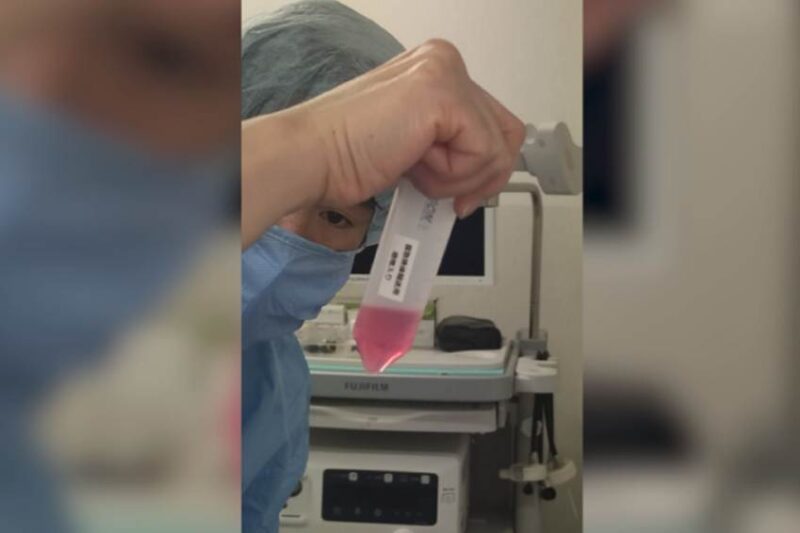
In recent years, “regenerative medicine (stem cell therapy)” has garnered attention as a new option alongside conventional treatments. Regenerative medicine is a treatment aimed at repairing damaged tissues and restoring function by culturing the patient’s own stem cells (cells with the ability to transform into various types of cells) outside the body and then returning them to the patient’s body.
In regenerative medicine for cirrhosis, it is expected that stem cells may suppress liver inflammation, slow the progression of fibrosis (the hardening of the liver), and further promote the regeneration of liver cells.
At our clinic, Saito Clinic of Internal Medicine, we provide regenerative medicine using autologous adipose-derived stem cells for liver diseases, including cirrhosis. For patients who have not achieved sufficient results with existing treatments or who wish to avoid the risks of side effects, this may offer new hope. It is considered a promising option for improving QOL (Quality of Life).
Facing “Life Expectancy” and Living with Hope

Being diagnosed with alcoholic cirrhosis and confronting the term “life expectancy” is incredibly painful for both the patient and their family. However, precisely because it is such a difficult time, please try to keep the following in mind:
- Build a trusting relationship with your doctor and get accurate information: Discuss any anxieties or questions with your doctor and ensure you have a correct understanding of your condition and treatment options.
- Seek support from family and those around you: Do not carry the burden alone. Open up to trusted family members or friends and accept their support. Medical social workers and patient support groups can also be very helpful.
- Find hope and joy in life, even in small goals: Just as Ms. Hayashiba rediscovered her passion for shogi, finding something to immerse yourself in or discovering small joys in everyday life will support a positive mindset.
Don’t Give Up: Consult a Specialist

Alcoholic cirrhosis is undoubtedly a severe disease. However, like Naoko Hayashiba, there are people who, despite receiving a life expectancy prognosis, have achieved remarkable recoveries through desperate effort, the support of those around them, and, above all, their own “will to live.”
Medicine is advancing every day. In addition to appropriate treatments based on abstinence, new approaches like regenerative medicine have emerged, beginning to shine a new light on situations that once seemed hopeless.
Before you despair and think, “It’s too late,” please do not give up. To halt the progression of alcoholic cirrhosis and pull a better future toward you, early detection, early treatment, and most importantly, consulting a specialist are indispensable.

At Saito Clinic of Internal Medicine, we propose the new option of regenerative medicine to those suffering from liver diseases, including alcoholic cirrhosis. If you have anxieties about your condition or treatment options, please feel free to consult us. Our experienced doctors will sincerely stand by each individual’s situation and assist in finding the best path forward.
It is still too early to give up on your future. Why not gather your courage and take the first step?
Information on Online Preliminary Consultations

さいとう内科クリニック
院長:斉藤 雅也 Masaya Saito
- 日本内科学会認定医
- 日本肝臓学会専門医
- 日本消化器病学会専門医
- 日本超音波医学会専門医
- 日本消化器内視鏡学会専門医
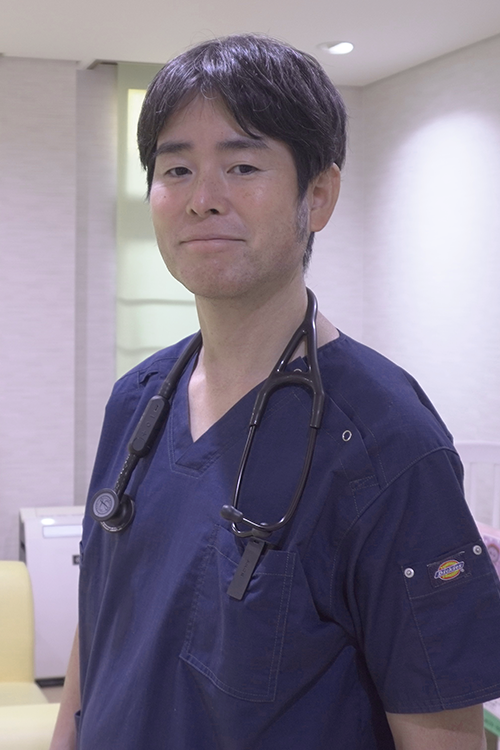
神戸大学医学部附属病院等の最前線で長年消化器・肝臓内科の臨床と研究に従事。医学博士。 標準治療では回復が困難な進行した肝炎や肝硬変に対し、新たな選択肢としての「肝臓再生医療」にいち早く取り組む。また、肝硬変患者さまの中で合併症(潜在性肝性脳症)を有する割合を明らかにし、カルニチンによる潜在性肝性脳症の治療効果を世界で初めて報告するなど、国際的な英文医学誌への論文掲載実績も多数(代表論文:Hepatol Res 2016; 46(2): 215-224)。科学的根拠に基づいた高度な専門知識と精緻な診断で、患者様の肝臓を守るサポートを行っています。
≫ 詳しい経歴や全研究実績はこちら
- 院長
- 斉藤雅也 Masaya Saito
日本肝臓学会 肝臓病専門医 Hepatologist, The Japan Society of Hepatology - 所在地
- 〒651-2412
兵庫県神戸市西区竜が岡1-15-3
(駐車場18台あり) - 電話
-
- 電話:078-967-0019
- 携帯電話:080-7097-5109
- アクセス
- 当院は、神戸市西区と明石市の境界付近に位置しており、明石市からも徒歩圏内です。実際に、明石市方面からも多くの患者様(肝臓病・一般内科)にご来院いただいております。駐車場も完備しておりますので、お車での通院も便利です。