
- 2026年7月2日
[Must-Read for Women in Their 50s] Why is My γ-GTP High? Menopause, Gallstone Risks, and Countermeasures
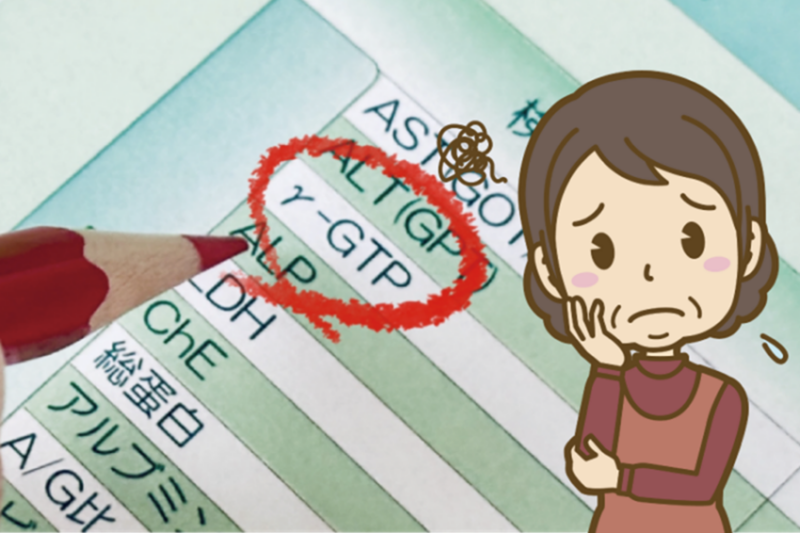
Many women in their 50s may feel anxious after having a high “γ-GTP” level pointed out during a health checkup. You might wonder, “But I don’t even drink that much alcohol…” However, there are various possible causes for an elevated γ-GTP besides alcohol.
In this article, we will explain the causes of high γ-GTP, the diseases that women in their 50s should be particularly careful about, and measures you can take to improve your levels.
■What Causes High γ-GTP? It’s Not Just Alcohol!
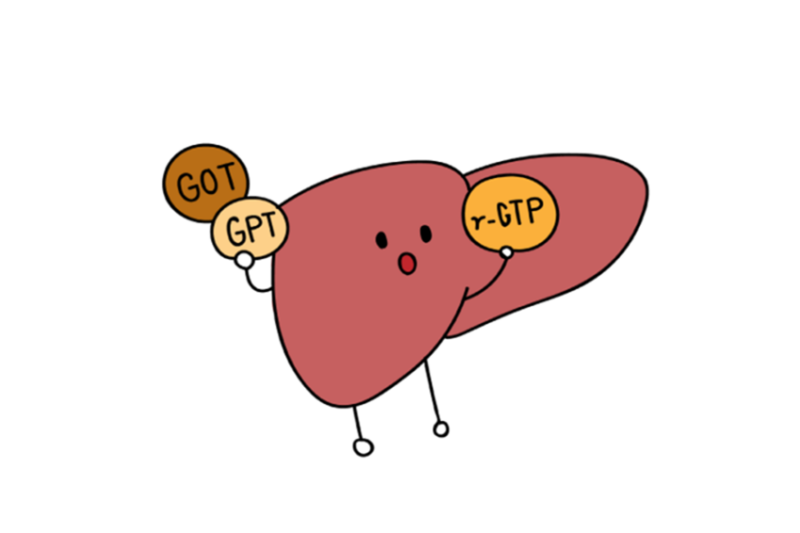
γ-GTP (gamma-glutamyl transferase) is an enzyme that increases in the blood when there is an abnormality in the liver or biliary tract. While it is generally known as an indicator of “drinking too much alcohol,” it can also elevate due to the following reasons:
- Fatty Liver (Non-Alcoholic): Fat accumulates in the liver due to obesity caused by overeating or lack of exercise, which can raise γ-GTP. Cases of Metabolic dysfunction-Associated Steatotic Liver Disease (MASLD), which develops even in people who do not drink, are increasing.
- Medications and Supplements: Long-term use of certain medications or supplements can put a burden on the liver, leading to an increase in γ-GTP.
- Biliary Tract Abnormalities: If a gallstone drops from the gallbladder into the bile duct and causes a blockage, the flow of bile worsens, causing γ-GTP to rise. Additionally, there is a disease where autoantibodies (anti-mitochondrial antibodies) act against the lining of the bile ducts, causing the lining to swell, narrowing the ducts, and impairing bile flow (Primary Biliary Cholangitis). This disease is common in women over 50. The resulting poor bile flow leads to elevated γ-GTP levels.
■”Menopause” and “Gallstones”: Special Cautions for Women in Their 50s
For women in their 50s, the following factors may also contribute to elevated γ-GTP levels:
- The Impact of Menopause: The decrease in female hormones (estrogen) lowers lipid metabolism, making the liver more susceptible to strain.
- Risk of Gallstones: Women in their 50s are prone to developing gallstones. This is because they often fit the risk factors known as the “4Fs of Gallbladder Disease” (Fat, Forty/Fifty, Female, Fertile). Changes in hormone balance due to aging also play a role.
■Countermeasures and How to Improve High γ-GTP Levels

To improve your γ-GTP levels, reviewing your lifestyle habits and undergoing further detailed medical examinations are effective.
- Improve Your Diet: Be careful not to consume too much sugar or fat, and try to eat a well-balanced diet.
- Moderate Exercise: Make habits like walking a part of your daily routine to overcome a lack of exercise. Maintaining a proper body weight is also critical.
- Create Alcohol-Free Days: If you have a habit of drinking, set aside at least two alcohol-free days a week. In some cases, a minimum of two weeks of complete abstinence from alcohol is required to lower the numbers.
- Review Unnecessary Medications and Supplements: Consult with your doctor and avoid taking any unnecessary medications or supplements.
- Endoscopic or Oral Treatments: If detailed examinations by a doctor reveal a blockage in the bile duct due to a gallstone, the stone must be removed through endoscopic treatment. Alternatively, if diagnosed with Primary Biliary Cholangitis, oral treatments such as Ursodeoxycholic acid will be necessary.
■If Your γ-GTP is High, Consult a Hepatologist Promptly

The liver is known as the “silent organ,” characterized by the fact that subjective symptoms are unlikely to appear. Leaving high γ-GTP levels untreated runs the risk of progressing to severe diseases such as liver cirrhosis and liver cancer.
In particular, if the value exceeds 100 or remains high for a long period, we strongly recommend that you visit a hepatologist (liver disease specialist) as soon as possible for detailed examinations, such as blood tests, abdominal ultrasounds, and liver stiffness measurements.
At our clinic, we consider the various potential causes of elevated γ-GTP, narrow it down to a single cause based on test data, and encourage lifestyle improvements while striving to connect you to prompt and appropriate treatment.

さいとう内科クリニック
院長:斉藤 雅也 Masaya Saito
- 日本内科学会認定医
- 日本肝臓学会専門医
- 日本消化器病学会専門医
- 日本超音波医学会専門医
- 日本消化器内視鏡学会専門医
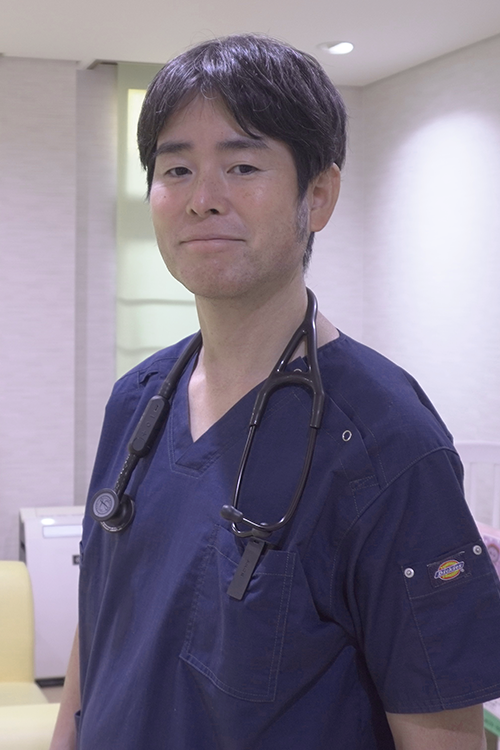
神戸大学医学部附属病院等の最前線で長年消化器・肝臓内科の臨床と研究に従事。医学博士。 標準治療では回復が困難な進行した肝炎や肝硬変に対し、新たな選択肢としての「肝臓再生医療」にいち早く取り組む。また、肝硬変患者さまの中で合併症(潜在性肝性脳症)を有する割合を明らかにし、カルニチンによる潜在性肝性脳症の治療効果を世界で初めて報告するなど、国際的な英文医学誌への論文掲載実績も多数(代表論文:Hepatol Res 2016; 46(2): 215-224)。科学的根拠に基づいた高度な専門知識と精緻な診断で、患者様の肝臓を守るサポートを行っています。
≫ 詳しい経歴や全研究実績はこちら
- 院長
- 斉藤雅也 Masaya Saito
日本肝臓学会 肝臓病専門医 Hepatologist, The Japan Society of Hepatology - 所在地
- 〒651-2412
兵庫県神戸市西区竜が岡1-15-3
(駐車場18台あり) - 電話
-
- 電話:078-967-0019
- 携帯電話:080-7097-5109
- アクセス
- 当院は、神戸市西区と明石市の境界付近に位置しており、明石市からも徒歩圏内です。実際に、明石市方面からも多くの患者様(肝臓病・一般内科)にご来院いただいております。駐車場も完備しておりますので、お車での通院も便利です。