- 2026年7月2日
- 2026年7月14日
[A Warning from a Hepatologist] Beware If You “Pass Out” After Meals! The “SOS from Your Liver” and Fatty Liver Risk Hidden Behind Severe Sleepiness
I am Masaya Saito, Director of Saito Clinic of Internal Medicine in Nishi-ku, Kobe.
In a previous article, I shared that “lying down to rest for about 30 minutes to an hour after eating serves as the best medicine to gather blood in the liver and help it recover from damage.”
However, in the consultation room, I often receive the following concern from patients:
“Doctor, far from just resting, I fall asleep as if I’ve passed out. Sometimes I wake up and realize 2 to 3 hours have passed…”
In truth, “lying down to consciously rest your body” and “irresistibly falling asleep as if passing out” are completely different things.
If you are hit by intense sleepiness after a meal and fall deeply asleep unable to resist it, it might not just be “overeating” or “fatigue,” but a serious SOS sign of your liver crying out for help.
This time, I will talk about the frightening mechanisms hidden behind abnormal post-meal sleepiness and the measures you can take to save your liver from reaching its limit.
■Not Just “Normal Sleepiness”? Two Causes Triggering Abnormal Sleepiness
Feeling a little sleepy after a meal is a natural physiological phenomenon as blood concentrates in the gastrointestinal tract. However, if you “fall asleep while sitting” or “are attacked by drowsiness that interferes with work or driving,” the following two abnormal situations are occurring inside your body.
Cause 1: Violent Fluctuations in Blood Sugar Levels (Blood Sugar Spikes and Sugar Fatigue)
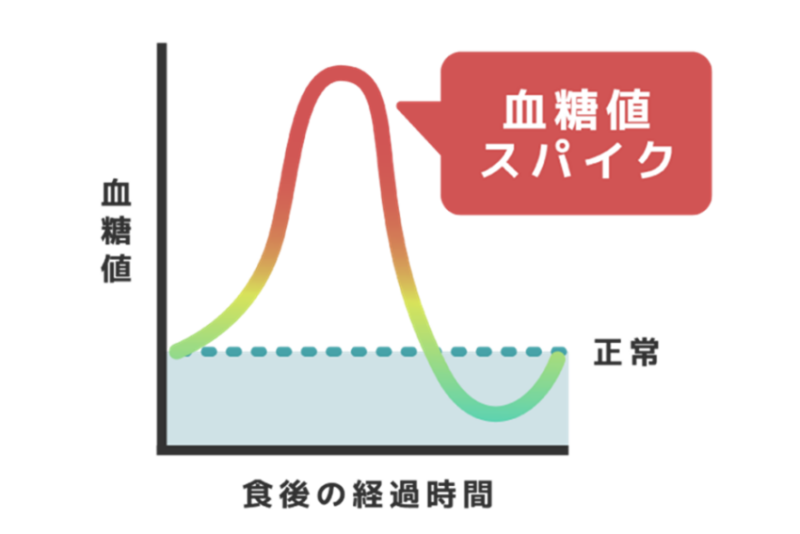
Binge eating rice, noodles, or sweets (carbohydrates) causes a rapid surge in your blood sugar levels. The body then panics and secretes massive amounts of a hormone called “insulin,” causing blood sugar levels to plummet.
When this “rapid rise and fall (blood sugar spike)” occurs, the brain temporarily lacks the necessary sugar (energy), triggering intense sleepiness as if the brain is shutting down.
At this time, the liver is swamped with the task of converting the overflowing sugar into “neutral fat (triglycerides),” which is the direct cause of a “fatty liver.”
Cause 2: Decline in Liver Function and Delayed “Detoxification”
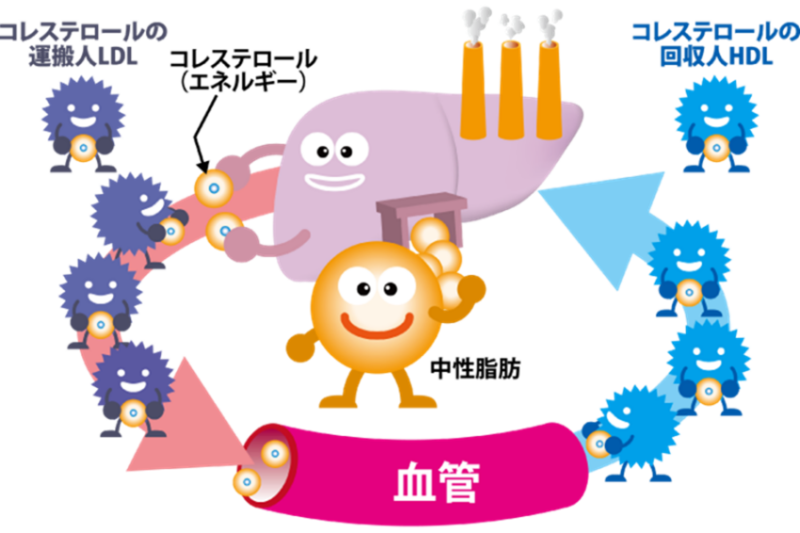
The liver is a “chemical factory” that processes incoming nutrients and detoxifies harmful substances.
However, if the liver is weakened by conditions like a fatty liver, this processing speed drops drastically. As a result, harmful substances (such as ammonia) generated during the digestion and metabolism of food are not smoothly detoxified and reach the brain via the bloodstream.
When ammonia circulates to the brain, a person experiences “a strong sense of fatigue like a fog over the head” or “sleepiness that makes consciousness fade.” A mechanism close to the early stages of “hepatic encephalopathy” seen in advanced liver cirrhosis may be occurring inside your body after meals. The director of our clinic has published research reports on minimal hepatic encephalopathy, which is the early stage of hepatic encephalopathy .
Saito M, et al. Hepatol Res 2016; 46(2): 215-224. DOI: 10.1111/hepr.12565.
■3 Measures to Prevent “Passing Out” and Rest the Liver
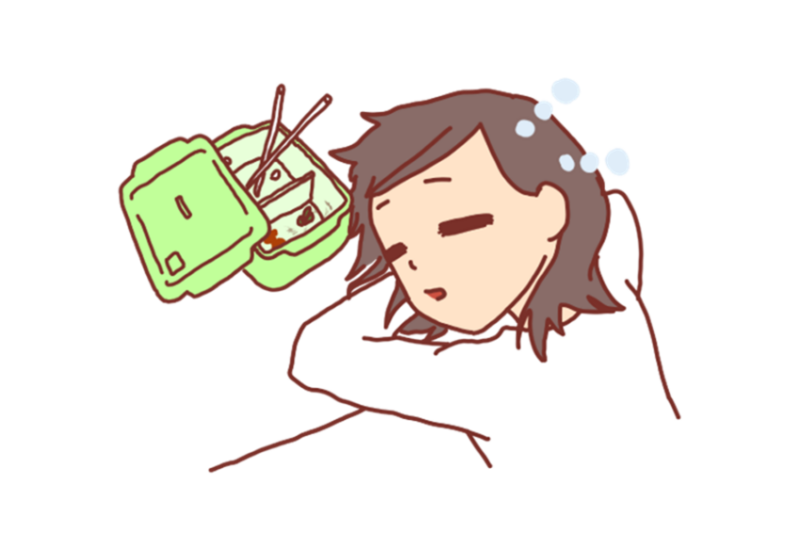
Ignoring abnormal post-meal sleepiness increases the risk of the disease progressing from fatty liver to hepatitis, and eventually to liver cirrhosis. To prevent intense drowsiness, the following habits to reduce the burden on the liver are essential.
- Prevent Blood Sugar Spikes with “Veggie-First”
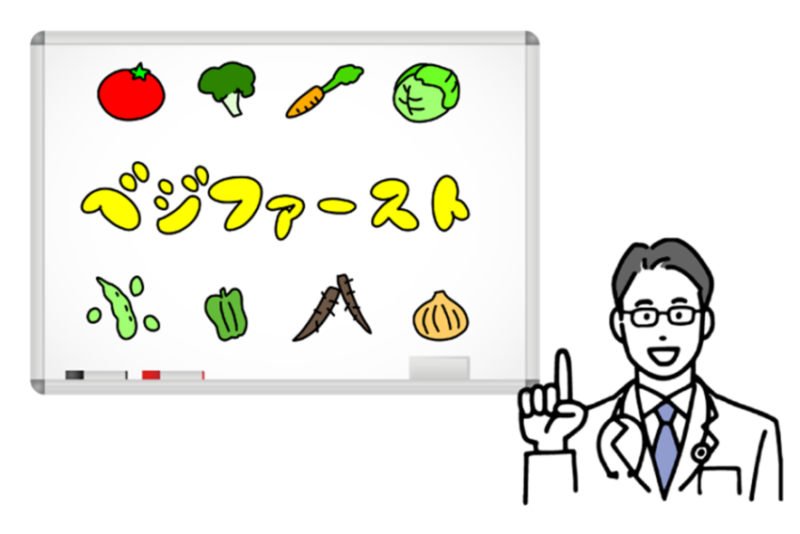
Always start your meal with dietary fiber such as vegetables, mushrooms, and seaweed. Dietary fiber coats the intestinal walls and slows down sugar absorption. This prevents blood sugar spikes and dramatically lowers the risk of sleepiness and fatty liver.
- Avoid “High-Fructose Corn Syrup”

“High-fructose corn syrup” (isomerized sugar), often found in soft drinks and sweet snacks, not only spikes blood sugar levels but is also a troublesome component that turns directly into fat in the liver. For those who experience strong post-meal sleepiness, simply changing sweet drinks to “tea” or “water” will change how your body feels.
- Practice Proper “Post-Meal Rest”

After a meal, the correct approach is not to “fall into a deep sleep,” but to “lie down and rest for about 30 minutes to an hour” with your head slightly elevated. Keep yourself awake while watching TV or listening to music to ensure plenty of blood is delivered to your liver.
■When Sleepiness and Fatigue Do Not Improve: The Option of “Regenerative Medicine”
“Even though I’m careful about the order of my meals, I still fall asleep like I’m passing out.”
“Even when I set aside alcohol-free days, the fatigue just won’t go away.”
If your poor health continues despite improving your lifestyle, your liver may have already advanced to a state of “fibrosis” (hardening) and fallen into a condition where self-recovery is difficult. Once a liver has hardened, it is extremely difficult to return it to its original soft state using only conventional standard treatments and medications.
However, there is no need to give up.
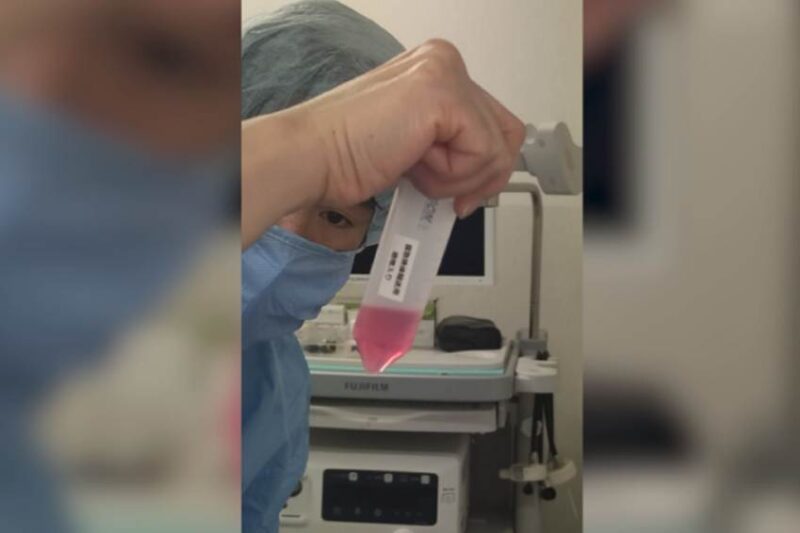
At our clinic, while using standard treatments as a foundation, we offer “liver regenerative medicine” utilizing stem cells collected from your own fat.
By returning stem cells into the body via an intravenous drip, the following effects are expected:
- Calming severe inflammation in the liver (anti-inflammatory effect)
- Stopping the liver from hardening (fibrosis suppression)
- Promoting the repair and regeneration of damaged liver cells
In fact, patients who have received regenerative medicine at our clinic have reported dramatic improvements in their Quality of Life (QOL), stating, “The severe post-meal fatigue and sleepiness have cleared up, and I can now go out.”
■Summary: That Abnormal Sleepiness is an SOS from Your Liver
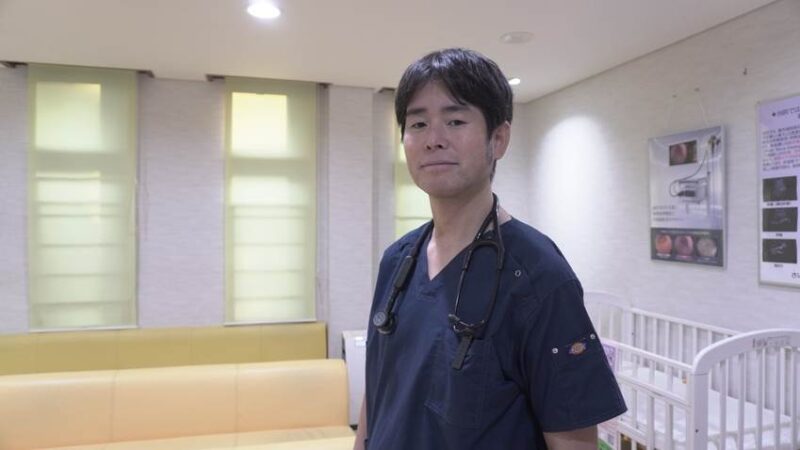
Please do not overlook it by thinking, “It’s common to get sleepy right after eating.”
It might be a desperate sign from your silent organ, the liver, crying out, “I can’t process any more! Help!”
If you have concerning symptoms or have had abnormal values for AST, ALT, or gamma-GTP pointed out in a health checkup, please consult a hepatologist before it’s too late.
Our clinic also accepts preliminary online consultations for those who live far away. Before your liver cries out in pain, let’s take a step together to change your future.
さいとう内科クリニック
院長:斉藤 雅也 Masaya Saito
- 日本内科学会認定医
- 日本肝臓学会専門医
- 日本消化器病学会専門医
- 日本超音波医学会専門医
- 日本消化器内視鏡学会専門医
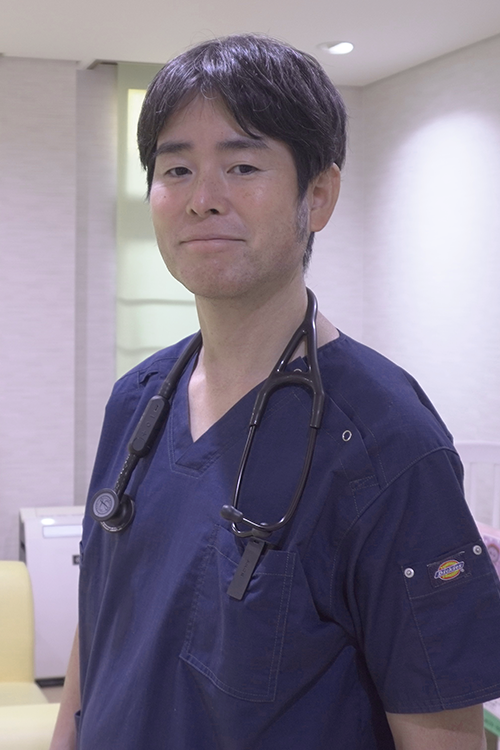
神戸大学医学部附属病院等の最前線で長年消化器・肝臓内科の臨床と研究に従事。医学博士。 標準治療では回復が困難な進行した肝炎や肝硬変に対し、新たな選択肢としての「肝臓再生医療」にいち早く取り組む。また、肝硬変患者さまの中で合併症(潜在性肝性脳症)を有する割合を明らかにし、カルニチンによる潜在性肝性脳症の治療効果を世界で初めて報告するなど、国際的な英文医学誌への論文掲載実績も多数(代表論文:Hepatol Res 2016; 46(2): 215-224)。科学的根拠に基づいた高度な専門知識と精緻な診断で、患者様の肝臓を守るサポートを行っています。
≫ 詳しい経歴や全研究実績はこちら
- 院長
- 斉藤雅也 Masaya Saito
日本肝臓学会 肝臓病専門医 Hepatologist, The Japan Society of Hepatology - 所在地
- 〒651-2412
兵庫県神戸市西区竜が岡1-15-3
(駐車場18台あり) - 電話
-
- 電話:078-967-0019
- 携帯電話:080-7097-5109
- アクセス
- 当院は、神戸市西区と明石市の境界付近に位置しており、明石市からも徒歩圏内です。実際に、明石市方面からも多くの患者様(肝臓病・一般内科)にご来院いただいております。駐車場も完備しておりますので、お車での通院も便利です。