
- 2026年6月7日
[How to Cure Fatty Liver] Lifestyle Habits to Lower Your Numbers
Hello, I am Masaya Saito, Director of Saito Internal Medicine Clinic.
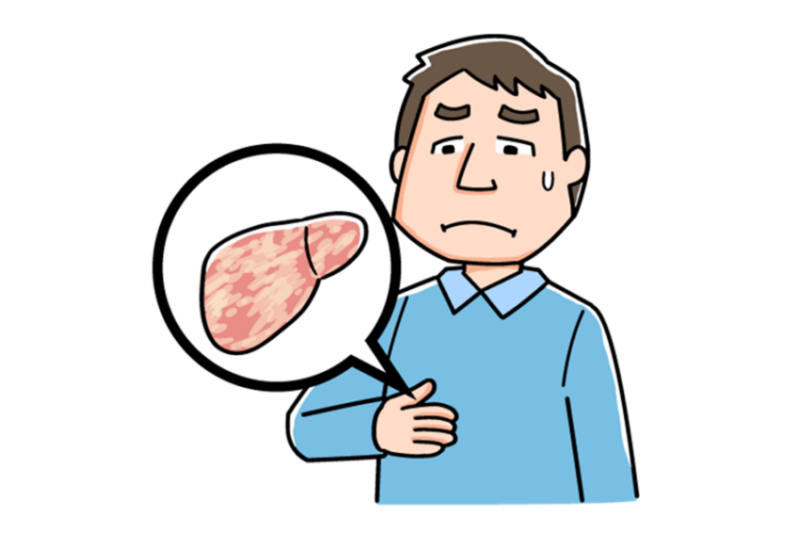
Some of you may be feeling anxious after being diagnosed with a “fatty liver” during a health checkup. It is easy to take it lightly, thinking “I have no symptoms, so I’m fine” or “It will heal on its own.” However, the liver is known as the “silent organ,” meaning it rarely shows specific subjective symptoms until a disease has significantly progressed.
If you strongly desire to “somehow lower these numbers” or “regain my liver’s health” right now, this is a great opportunity. Fatty liver is a condition that, in many cases, can be expected to improve by reviewing your lifestyle habits.
In this article, I will explain in detail, from a specialist’s perspective, specific lifestyle tips to improve your fatty liver and start feeling changes in the shortest possible time.
What is Fatty Liver? Why Immediate Action is Necessary
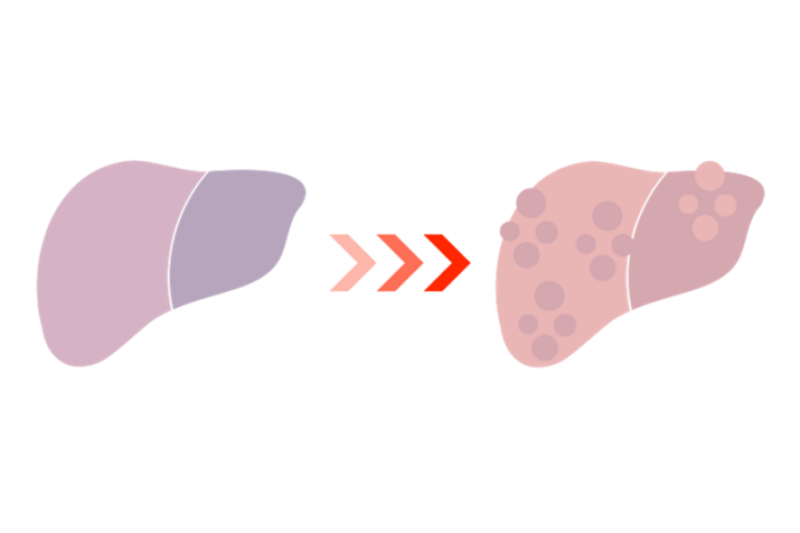
Fatty liver refers to a condition where an excessive amount of neutral fat (triglycerides) has accumulated in the liver cells. A healthy liver typically contains about 5% fat; a fatty liver has fat accumulated beyond that level.
The causes can be broadly divided into two categories: “Alcoholic Fatty Liver,” caused by excessive alcohol consumption, and “Non-Alcoholic Fatty Liver Disease (NAFLD),” caused by factors other than drinking (such as overeating, lack of exercise, obesity, and diabetes). In recent years, NAFLD in particular has been rapidly increasing due to the westernization of dietary habits, and it can even develop in thin individuals.
It is often dismissed as “just a buildup of fat,” but within NAFLD, there is a type called “Non-Alcoholic Steatohepatitis (NASH)” where inflammation occurs in the liver and fibrosis (hardening of the tissue) gradually progresses. If left untreated, this can progress to liver cirrhosis or liver cancer, so it requires special attention. Furthermore, it is known that fatty liver is often complicated by lifestyle diseases such as diabetes, hypertension, and dyslipidemia, and it also increases the risk of myocardial infarction and stroke.
That is exactly why it is essential to immediately and correctly review your lifestyle habits while there are still few subjective symptoms, in order to protect not only your liver but your overall health.
Dietary Secrets to Keep in Mind

When it comes to improving a fatty liver, reviewing your diet is one of the most important and effective approaches. Conscious dietary improvements can begin to have a positive impact on your liver function values.
1. Wisely Control Carbohydrate and Fat Intake
Aim for a balanced diet to make it harder for fat to accumulate in the liver.
- Stop “Fast Eating”: Eating too quickly leads to overeating before feeling full, which increases the risk of a fatty liver. Be conscious of chewing each bite about 30 times and eat slowly to prevent rapid spikes in blood sugar and make it easier to feel satisfied.
2. Actively Consume Liver-Supporting Foods
To assist the liver’s detoxification function and reduce cellular damage, it is important to actively incorporate foods rich in specific nutrients.
- Vegetables, Mushrooms, and Seaweed: Rich in vitamin C, carotenoids, and dietary fiber, these boost the liver’s antioxidant effects and support detoxification. In particular, spinach and komatsuna (Japanese mustard spinach) are rich in vitamin K for blood function, carrots and pumpkins contain beta-carotene for liver cell protection, and cabbage and broccoli have detoxifying effects.
- High-Quality Protein: It is extremely important to consume high-quality protein for a damaged liver. Take in a balanced amount from blue-backed fish, soy products (tofu, natto, etc.), chicken breast, and eggs. However, be cautious with processed meats like bacon and sausages, as they contain high amounts of salt and fat.
- Coffee: It may be surprising, but research shows that drinking 1 to 2 cups of coffee a day can help improve liver function. This is believed to be because a component in coffee called “chlorogenic acid” has the effect of suppressing liver inflammation. However, keep sugar and cream to a minimum.
Exercise Secrets to Keep in Mind
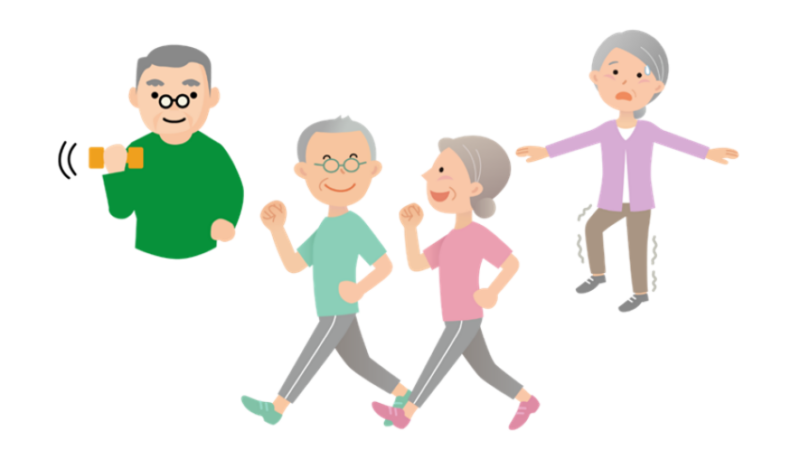
Alongside diet, moderate exercise is highly effective in improving a fatty liver. By starting an exercise routine, you can promote fat burning and reduce the burden on your liver.
1. Promote Fat Burning with Aerobic Exercise
Aerobic exercise is particularly recommended for improving a fatty liver.
- Walking: This is an easy-to-start and easy-to-continue exercise.
- Slow walking: The amount of physical exertion is about the same as daily activities like climbing stairs, pilates, or washing a car. If your goal is health maintenance, a pace at which you can continue while having a conversation is appropriate.
- Brisk walking: An amount of exercise where you sweat lightly and find it somewhat difficult to hold a conversation. This is ideal for improving physical strength and cardiovascular function, and you can also expect fat-burning effects.
Try starting with a goal of about 30 minutes a day, at least 3 times a week. “Multitasking exercises,” where you actively move your body in daily life—such as walking an extra train station on your commute or using the stairs instead of the elevator—are also effective.
2. Boost Basal Metabolism with Strength Training
Muscles are one of the tissues in the body that consume the most energy. Increasing your muscle mass raises your basal metabolism, making your body burn fat more easily. Incorporating simple strength training that you can do at home, such as squats, crunches, or push-ups, 2 to 3 times a week can be expected to yield even better results.
The most important thing is to be able to continue without pushing yourself too hard and while having fun. Suddenly starting intense exercise can cause injuries or make you prone to giving up, so step up gradually according to your physical fitness level.
Other Lifestyle Habits to Keep in Mind

Aside from diet and exercise, there are other lifestyle habits you should be mindful of to protect your liver’s health and improve a fatty liver.
1. Drink Alcohol Wisely
Alcohol is a “poison” to the liver. Even if you do not have alcoholic fatty liver, alcohol places a burden on your liver.
- Designate alcohol-free days: Instead of drinking every day, create 2 to 3 days a week where you do not consume alcohol to let your liver rest.
- Stick to moderate amounts: The appropriate daily amount recommended by the Ministry of Health, Labour and Welfare is about 1 medium bottle of beer (500ml) or 1 go (180ml) of sake. Make a conscious effort not to exceed this.
- Drink with meals: Drinking on an empty stomach increases the burden on the liver, so be sure to consume alcohol alongside a meal.
2. Appropriate Weight Management
Obesity is one of the main causes of a fatty liver. If you are prone to obesity, losing weight directly leads to improving your fatty liver. However, rapid weight loss can ironically place a burden on the liver, so aim to lose weight healthily at a gradual pace of no more than 5% of your body weight per month.
3. High-Quality Sleep and Stress Management
It is said that the liver undergoes its most active repair and regeneration during sleep. It is important to secure enough sleep and let your liver rest fully. Additionally, while stress is not a direct cause, it tends to lead to overeating and drinking. Finding your own relaxation methods and managing stress effectively is also crucial for sustaining lifestyle improvements.
The Importance of Early Detection and Testing
Because the liver is a “silent organ,” a fatty liver rarely presents subjective symptoms even when it has progressed significantly. That is precisely why regular health checkups and tests to assess the liver’s condition are the keys to early detection.
In particular, the following tests are important for understanding the state of your liver:
- Blood tests: Elevated levels of AST (GOT) and ALT (GPT)—enzymes that leak into the blood when liver cells are damaged—indicate the destruction of liver cells. Additionally, γ-GTP, which easily rises due to the effects of alcohol, fat accumulation, or abnormalities in bile flow, is an important indicator. If these values exceed the reference range, a fatty liver is a possible suspect.
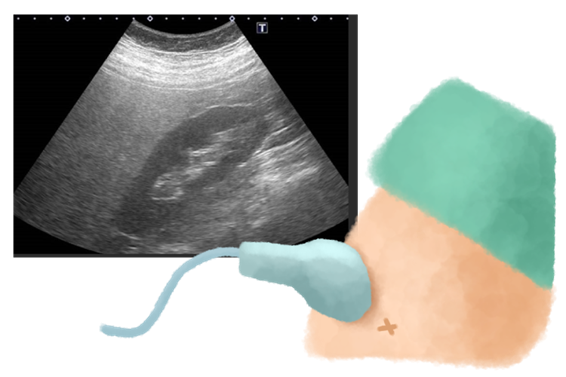
- Abdominal ultrasound (echo) examination: This safely and painlessly provides a visual evaluation of the liver’s size, shape, internal structure, the presence and accumulation degree of fat (mild, moderate, severe), and swelling of the spleen. A liver with a lot of fat appears whitish on the screen. Our clinic’s director is an Ultrasound Specialist certified by the Japan Society of Ultrasonics in Medicine, ensuring high-quality examinations.
By undergoing these tests regularly, you can accurately grasp your liver’s condition and verify how the lifestyle improvements you have undertaken are actually starting to change your numbers. By improving your lifestyle habits early on, there is a strong possibility that your liver function values will improve.
Toward an Unyielding Future: The Option of Regenerative Medicine if Symptoms Do Not Improve
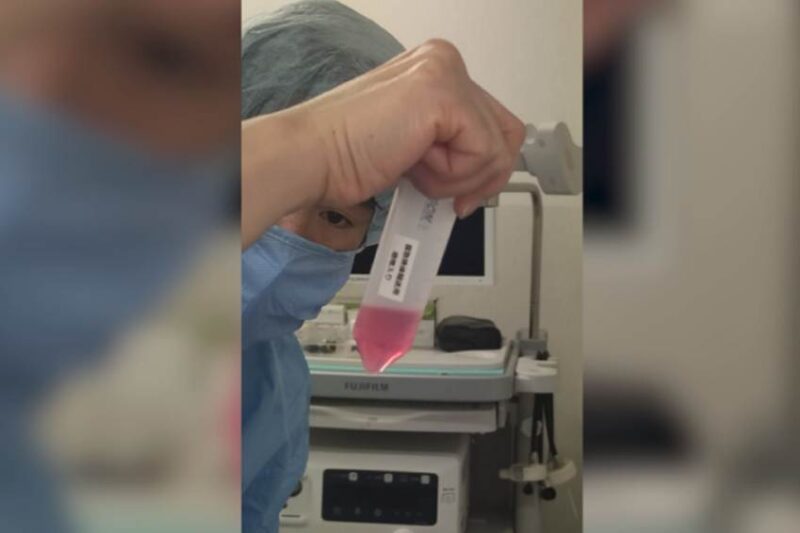
Even if you have committed to healthy lifestyle improvements but your liver function values are not improving easily, or if you have been diagnosed with advanced liver fibrosis (hardening), there is absolutely no need to give up.
Liver fibrosis was once thought to be irreversible, but in recent years, due to medical advancements, “regenerative medicine” has garnered attention as a new option.
At Saito Internal Medicine Clinic, we provide “Autologous Adipose-Derived Stem Cell IV Therapy,” where stem cells collected from the patient’s own fat tissue are cultured and returned to the body via an IV drip. Stem cells are believed to possess a “homing effect” (gathering at damaged tissues in the body), an “anti-inflammatory effect” (suppressing liver inflammation), a “fibrosis suppression effect” (slowing the progression of liver hardening), and a “tissue repair promotion effect” (secreting substances that encourage the repair and regeneration of damaged liver cells).
As a result, effects such as making it harder for ascites to accumulate and improvements in liver function values like albumin, AST, and ALT can be expected, leading to an anticipated improvement in Quality of Life (QOL). We have indeed begun to see such improvement effects with the treatments at our clinic. Furthermore, because your own cells are used, there is the advantage of an extremely low risk of rejection.
Our clinic is a medical facility that has submitted a Class II Regenerative Medicine Provision Plan to the Ministry of Health, Labour and Welfare and had it accepted. The director is a Hepatology Specialist certified by the Japan Society of Hepatology. If you have any concerns regarding your liver, please do not hesitate to consult us.
We also offer online preliminary consultations using “Curon.” If you live far away or find it difficult to visit the clinic immediately, please feel free to reach out to us. Consultations from family members on behalf of the patient are also highly welcome.
さいとう内科クリニック
院長:斉藤 雅也 Masaya Saito
- 日本内科学会認定医
- 日本肝臓学会専門医
- 日本消化器病学会専門医
- 日本超音波医学会専門医
- 日本消化器内視鏡学会専門医
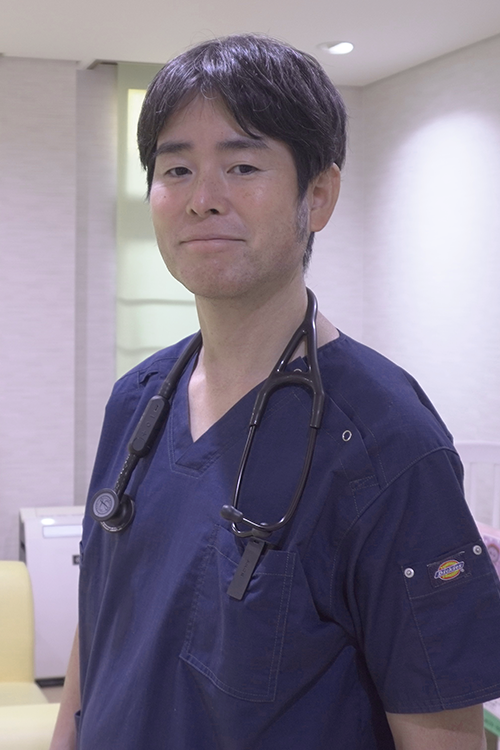
神戸大学医学部附属病院等の最前線で長年消化器・肝臓内科の臨床と研究に従事。医学博士。 標準治療では回復が困難な進行した肝炎や肝硬変に対し、新たな選択肢としての「肝臓再生医療」にいち早く取り組む。また、肝硬変患者さまの中で合併症(潜在性肝性脳症)を有する割合を明らかにし、カルニチンによる潜在性肝性脳症の治療効果を世界で初めて報告するなど、国際的な英文医学誌への論文掲載実績も多数(代表論文:Hepatol Res 2016; 46(2): 215-224)。科学的根拠に基づいた高度な専門知識と精緻な診断で、患者様の肝臓を守るサポートを行っています。
≫ 詳しい経歴や全研究実績はこちら
- 院長
- 斉藤雅也 Masaya Saito
日本肝臓学会 肝臓病専門医 Hepatologist, The Japan Society of Hepatology - 所在地
- 〒651-2412
兵庫県神戸市西区竜が岡1-15-3
(駐車場18台あり) - 電話
-
- 電話:078-967-0019
- 携帯電話:080-7097-5109
- アクセス
- 当院は、神戸市西区と明石市の境界付近に位置しており、明石市からも徒歩圏内です。実際に、明石市方面からも多くの患者様(肝臓病・一般内科)にご来院いただいております。駐車場も完備しておりますので、お車での通院も便利です。