- 2026年7月2日
[Fatigue Recovery and Liver Care] Can Sour “Citric Acid” Protect Your Liver? Surprising Effects and How to Consume It Wisely

Hello.
I am Masaya Saito, Director of Saito Clinic of Internal Medicine in Nishi-ku, Kobe.
“Lately, I just can’t seem to shake off my fatigue.”
“My body feels sluggish and heavy.”
Such chronic feelings of fatigue might actually be a sign that your liver, the cornerstone of your metabolism, is exhausted. Today, I would like to talk about how “citric acid,” widely known as a staple for fatigue recovery, is actually extremely useful for protecting your liver’s health.
■The “Citric Acid Cycle” That Converts Food into Energy
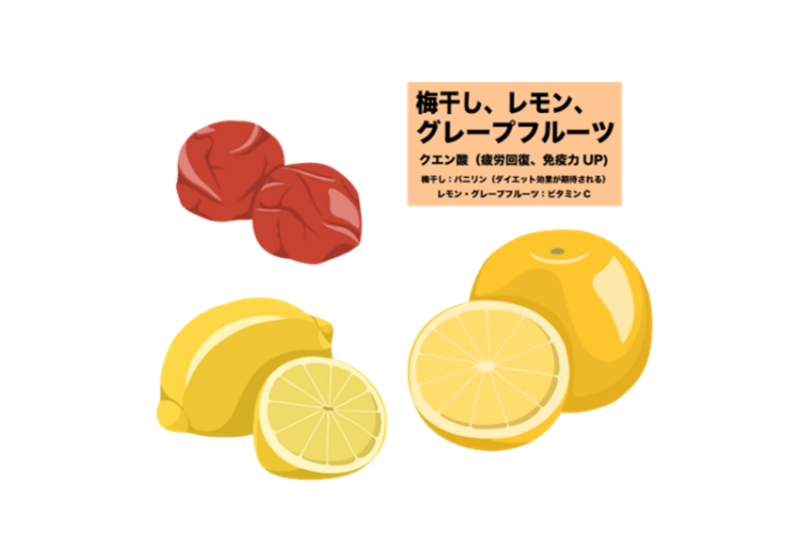
Citric acid is that “sour” component found in pickled plums (umeboshi) and citrus fruits like lemons.
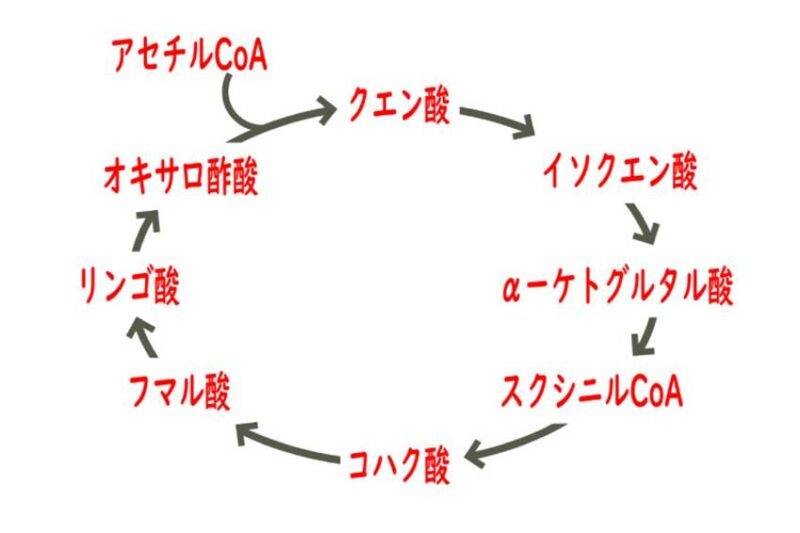
The carbohydrates and fats we consume from our meals are taken into a system called the “citric acid cycle” (Krebs cycle) within the mitochondria inside our cells, where they are converted into energy to power our bodies.
The liver is the most active organ for energy metabolism in the body. By consuming citric acid, this metabolic system runs smoothly, allowing the sugars and fats from your meals to be consumed efficiently. As a result, not only is the breakdown of lactic acid (a fatigue-inducing substance) promoted, but it also helps prevent excess sugars and fats from accumulating in the liver (fatty liver).
■Preventing Liver Damage! The “Antioxidant and Anti-inflammatory Effects” of Citric Acid
Furthermore, recent research has shown that citric acid functions to protect the liver directly.
When a toxin called “endotoxin,” produced by intestinal bacteria, enters the body, it exerts intense “oxidative stress” on the liver, causing cellular damage (inflammation).
In a certain animal study, it was reported that administering citric acid while under the influence of this toxin significantly reduced the oxidative stress and cellular lipid damage sustained by the liver, thereby effectively suppressing liver damage.
In short, citric acid not only helps you recover from fatigue but also possesses “antioxidant and anti-inflammatory effects” that soothe liver inflammation and protect it from damage.
■How to Wisely Consume Citric Acid and Points of Caution
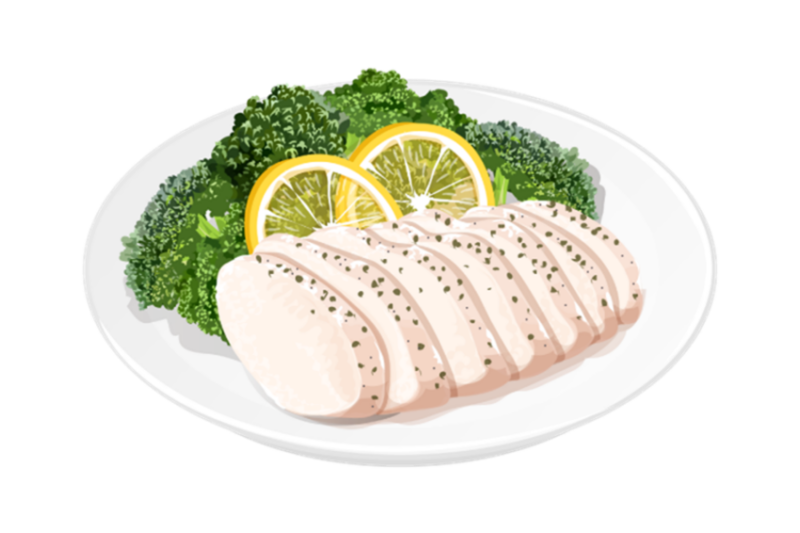
Citric acid is abundant in umeboshi, lemons, grapefruits, and vinegar. We recommend incorporating it little by little into your daily meals.
However, just because it is good for you does not mean “excessive intake” is okay.
Consuming too much citric acid can cause diarrhea and abdominal pain due to the burden it places on the gastrointestinal tract. Additionally, it may bind with minerals like calcium in the body, potentially causing a mineral deficiency.
Moreover, because it is highly acidic, continuously sipping citric acid beverages can dissolve the surface of your teeth, making them brittle and increasing the risk of cavities. Keep moderation in mind, and take measures such as rinsing your mouth with water after eating or drinking something sour.
■Conclusion: Could Unrelenting Fatigue Be a Sign from Your Liver?
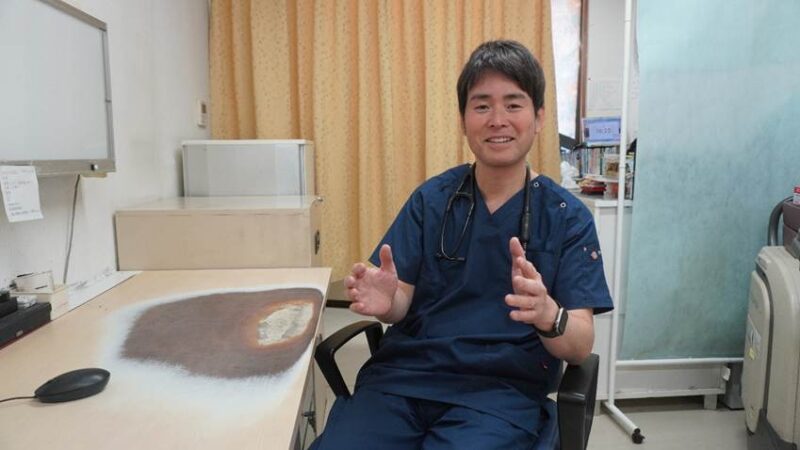
“Sour foods” are reassuring allies that heal a tired body and protect your hardworking liver from oxidative stress. Try incorporating them wisely into your daily diet.
However, if your fatigue does not resolve with dietary adjustments alone, or if your liver function values were flagged in a health checkup, the burden on your liver may already be significant.
At our clinic, we offer accurate diagnoses through blood tests and abdominal ultrasounds, as well as lifestyle guidance and standard treatments designed to restore the liver’s original metabolic functions. Furthermore, we provide advanced options such as regenerative medicine (stem cell therapy). Incidentally, the regenerative medicine at our clinic specializes strictly in liver diseases; we do not perform regenerative medicine for any other conditions, which sets us apart from other medical institutions.
If you are troubled by fatigue that just won’t go away, please do not worry alone. Feel free to consult with us at our clinic.
さいとう内科クリニック
院長:斉藤 雅也 Masaya Saito
- 日本内科学会認定医
- 日本肝臓学会専門医
- 日本消化器病学会専門医
- 日本超音波医学会専門医
- 日本消化器内視鏡学会専門医
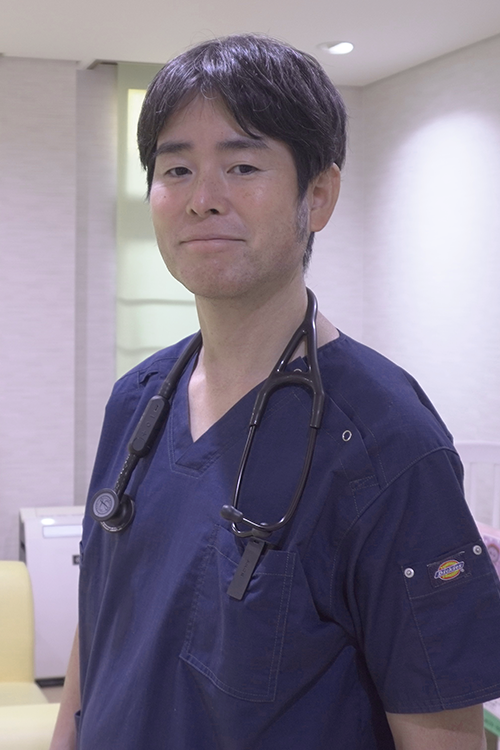
神戸大学医学部附属病院等の最前線で長年消化器・肝臓内科の臨床と研究に従事。医学博士。 標準治療では回復が困難な進行した肝炎や肝硬変に対し、新たな選択肢としての「肝臓再生医療」にいち早く取り組む。また、肝硬変患者さまの中で合併症(潜在性肝性脳症)を有する割合を明らかにし、カルニチンによる潜在性肝性脳症の治療効果を世界で初めて報告するなど、国際的な英文医学誌への論文掲載実績も多数(代表論文:Hepatol Res 2016; 46(2): 215-224)。科学的根拠に基づいた高度な専門知識と精緻な診断で、患者様の肝臓を守るサポートを行っています。
≫ 詳しい経歴や全研究実績はこちら
- 院長
- 斉藤雅也 Masaya Saito
日本肝臓学会 肝臓病専門医 Hepatologist, The Japan Society of Hepatology - 所在地
- 〒651-2412
兵庫県神戸市西区竜が岡1-15-3
(駐車場18台あり) - 電話
-
- 電話:078-967-0019
- 携帯電話:080-7097-5109
- アクセス
- 当院は、神戸市西区と明石市の境界付近に位置しており、明石市からも徒歩圏内です。実際に、明石市方面からも多くの患者様(肝臓病・一般内科)にご来院いただいております。駐車場も完備しておりますので、お車での通院も便利です。