- 2026年8月6日
Progressed from Fatty Liver to Cirrhosis…: What You Should Know About Liver Fibrosis and Regenerative Medicine Before Giving Up Thinking “It Can No Longer Be Cured”

“It was supposed to be just a fatty liver at my health checkup, but before I knew it, it progressed all the way to liver cirrhosis…”
“My doctor told me it can no longer be cured, and I’m in despair…”
If you are currently carrying such regret and deep despair, we understand your feelings all too well. The liver is called the “silent organ” because symptoms rarely appear; thus, it is not uncommon for the disease to advance and be diagnosed as cirrhosis by the time it is noticed.
Conventional treatments for cirrhosis have unfortunately focused not on restoring a hardened liver back to its soft, original state, but rather on slowing the progression of the disease as much as possible and easing symptoms. Therefore, it was thought that “fundamental cure is difficult.”
However, medical science advances every day. In recent years, a new approach known as “regenerative medicine” is beginning to bring a bright ray of hope to cirrhosis treatment. This is information we truly want you to know before giving up thinking, “It can no longer be cured.”
What Is Liver “Fibrosis”? Why Is It Said to “Not Return to Normal”?
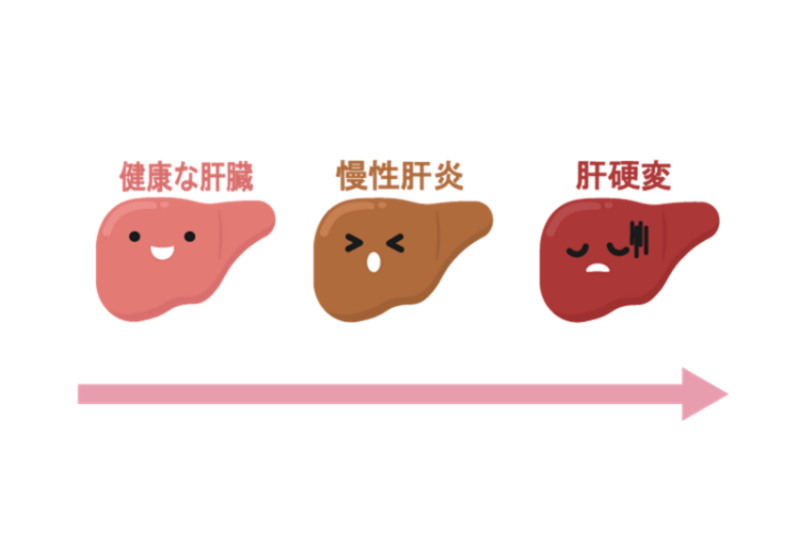
Liver cirrhosis refers to a state where chronic inflammation occurs in the liver due to viral infections like Hepatitis B or C, long-term excessive alcohol consumption, or the rapidly increasing fatty liver unrelated to alcohol (especially NASH: Non-Alcoholic Steatohepatitis), resulting in the entire liver turning hard.
When liver cells are destroyed by inflammation, the body attempts to repair them; however, in that process, a large amount of hard tissue called “fibers” is produced. When these fibers accumulate excessively, the liver loses its elasticity, becoming lumpy and hard, and blood flow deteriorates.
As a result, the liver’s essential functions (metabolizing nutrients, detoxifying harmful substances, producing bile, etc.) can no longer be sufficiently performed, leading to various symptoms such as jaundice, edema, ascites, and impaired consciousness (hepatic encephalopathy). Furthermore, it is a serious condition that carries a significantly higher risk of developing liver cancer.
In the past, it was said that a liver with advanced fibrosis “cannot return to normal” because current standard drug therapies lacked medications capable of directly breaking down fibrous tissue itself or repairing the liver back to its soft state. Typical treatments focused on symptomatic care—such as diuretics to reduce ascites, medications to improve hepatic encephalopathy, and anti-itch drugs—or treating the underlying cause (such as viral hepatitis). While “liver transplantation” exists as an option for fundamental functional recovery, the reality is that it faces many challenges, including donor shortages, age and physical restrictions, and high medical costs.
But There Is Hope: Regenerative Medicine Acting Directly on Liver Fibrosis Itself
Faced with the limits of standard treatment, some of you may feel despair, thinking “It can no longer be cured.” However, thanks to the rapid advancements in medical science in recent years, hope definitely exists.
In this situation, “regenerative medicine,” particularly treatment using “stem cells,” has drawn immense expectation.
Stem cells are special cells within our bodies that possess both the ability to differentiate into various cell types (differentiation capacity) and the ability to replicate themselves (self-renewal capacity). Regenerative medicine utilizes the power of these stem cells to restore the functions of damaged organs and tissues.
Regenerative medicine, especially “(Autologous Adipose-Derived) Stem Cell Infusion Therapy,” differs from conventional treatments in that its greatest hope lies in its potential to act directly on liver fibrosis itself, which has attracted widespread attention.
Stem cells administered via intravenous infusion are expected to aid in the recovery of a damaged liver through the following mechanisms:
- Homing Effect: Stem cells possess a natural tendency to gather at sites of inflammation and damage within the body.
- Anti-inflammatory Effect: They act to suppress chronic inflammation occurring in the liver. Since inflammation is a major cause of fibrosis, suppressing it is extremely important.
- Fibrosis Suppression Effect: They have the potential to inhibit the generation of fibrous tissue that causes the liver to harden. Through this, halting the progression of liver fibrosis is expected.
- Promotion of Tissue Repair: They secrete substances that assist in repairing damaged liver cells and promoting the formation of new blood vessels. This paracrine effect helps enhance the liver’s inherent healing capacity.
This stem cell infusion therapy is currently being researched with expectations for effects such as improving liver function, suppressing the progression of fibrosis, and alleviating subjective symptoms such as fatigue. Furthermore, because your own cells are used, it offers the advantage of having no risk of rejection.
Why Not Listen to Details About a Treatment That Might Approach Your Hardened Liver?
You do not need to carry the regret of having progressed from fatty liver to cirrhosis, or feelings of despair about the future, all by yourself.
Before giving up thinking “It can no longer be cured,” regenerative medicine—which enables a new approach to liver fibrosis—can become a hopeful therapy to recover your liver function and reclaim your quality of life.
Our clinic also accepts online preliminary consultations using Curon regarding regenerative medicine. Please feel free to consult a specialist at least once regarding treatments that may be able to approach a hardened liver.

さいとう内科クリニック
院長:斉藤 雅也 Masaya Saito
- 日本内科学会認定医
- 日本肝臓学会専門医
- 日本消化器病学会専門医
- 日本超音波医学会専門医
- 日本消化器内視鏡学会専門医
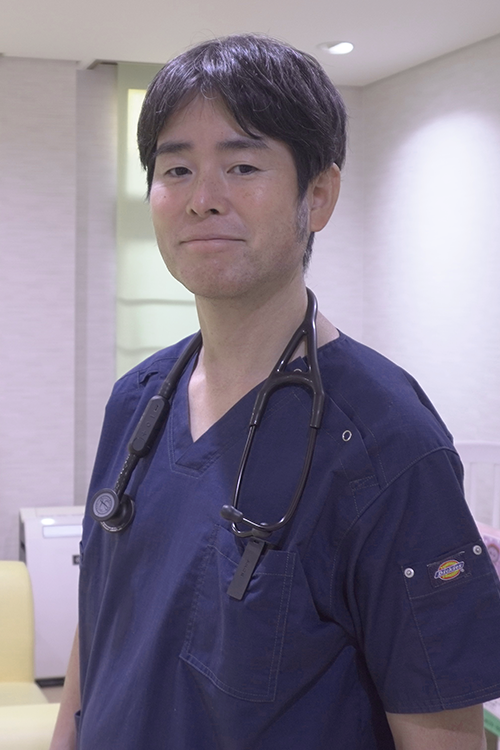
神戸大学医学部附属病院等の最前線で長年消化器・肝臓内科の臨床と研究に従事。医学博士。 標準治療では回復が困難な進行した肝炎や肝硬変に対し、新たな選択肢としての「肝臓再生医療」にいち早く取り組む。また、肝硬変患者さまの中で合併症(潜在性肝性脳症)を有する割合を明らかにし、カルニチンによる潜在性肝性脳症の治療効果を世界で初めて報告するなど、国際的な英文医学誌への論文掲載実績も多数(代表論文:Hepatol Res 2016; 46(2): 215-224)。科学的根拠に基づいた高度な専門知識と精緻な診断で、患者様の肝臓を守るサポートを行っています。
≫ 詳しい経歴や全研究実績はこちら
- 院長
- 斉藤雅也 Masaya Saito
日本肝臓学会 肝臓病専門医 Hepatologist, The Japan Society of Hepatology - 所在地
- 〒651-2412
兵庫県神戸市西区竜が岡1-15-3
(駐車場18台あり) - 電話
-
- 電話:078-967-0019
- 携帯電話:080-7097-5109
- アクセス
- 当院は、神戸市西区と明石市の境界付近に位置しており、明石市からも徒歩圏内です。実際に、明石市方面からも多くの患者様(肝臓病・一般内科)にご来院いただいております。駐車場も完備しておりますので、お車での通院も便利です。