
- 2026年10月2日
For Those Whose Liver Values Haven’t Improved with Fatty Liver Supplements: A Hepatologist’s Guide to the “Next Step”

Another Frightening Reason Supplements Alone Don’t Improve Fatty Liver

Many people begin taking over-the-counter supplements or turmeric after being told their liver values are high during routine health checkups, yet see no improvement after several months. While supplements are convenient, they often fail to address the root cause.
Inability to Keep Pace with Advanced Inflammation
When strong inflammation is already occurring inside the liver—not merely fat accumulation—nutritional supplementation alone is unable to suppress that inflammation.
Fibrosis May Already Be Underway
The liver is the “silent organ.” While visible changes in test values are limited, fibrosis—the “gateway to cirrhosis”—may be silently progressing.
The Risk That Supplements Themselves Becoming Toxic to the Liver
Unlike ordinary food, supplements contain specific components at high concentrations. Processing these with a weakened liver can impose tremendous strain, causing “drug-induced liver injury” and paradoxically worsening values.
What Happens If Left Untreated? The Dangers of MASH

Dismissing fatty liver as “harmless since I don’t drink” is dangerous. epatitis progressing from non-alcoholic fatty liver disease is rapidly increasing; what was once called “NASH” is now termed “MASH” (Metabolic Dysfunction-Associated Steatohepatitis).
As MASH advances, liver cells are destroyed, fibrous components accumulate, and the entire liver gradually hardens into “cirrhosis.” Once cirrhosis develops, returning the liver to its original softness is very difficult with current standard treatments. This is why taking proper medical action now—when supplements are clearly not lowering your values—is crucial.
The Fundamental “Next Step” a Hepatologist Recommends
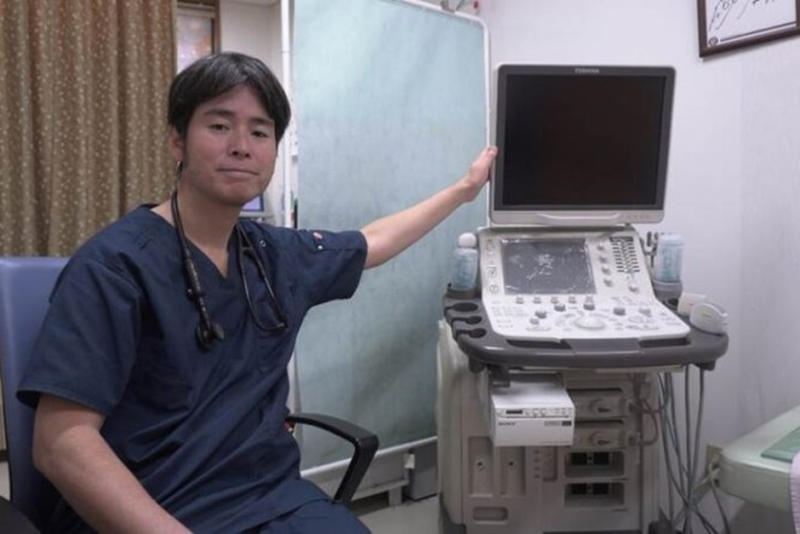
1.Accurate Diagnosis and Hepatic Stiffness Measurement by a Hepatology Specialist
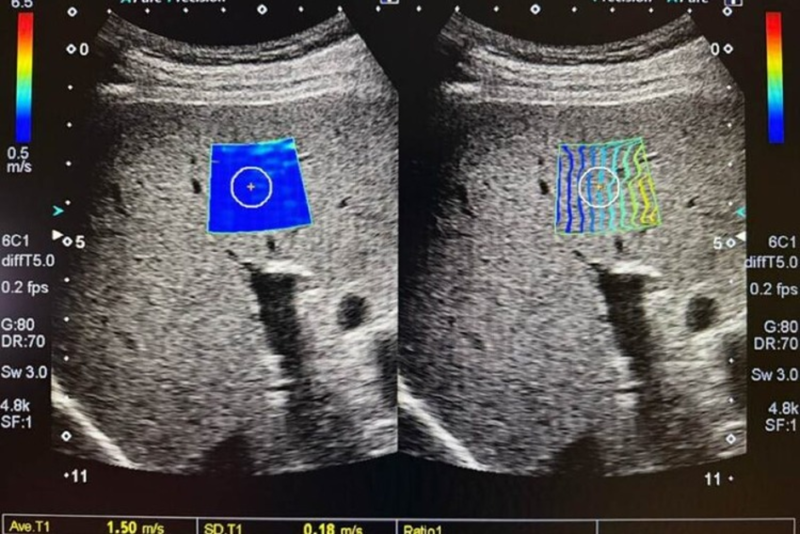
Receiving a thorough examination from a hepatology specialist is the first step. In addition to blood tests, abdominal ultrasound allows direct visual confirmation of how much fat has accumulated in the liver.
Our clinic uses an ultrasound diagnostic device by Canon Medical Systems, enabling “hepatic stiffness measurement (Shear Wave Elastography: SWE)” within the standard abdominal ultrasound examination workflow.
What Is Hepatic Stiffness Measurement (Elastography)?
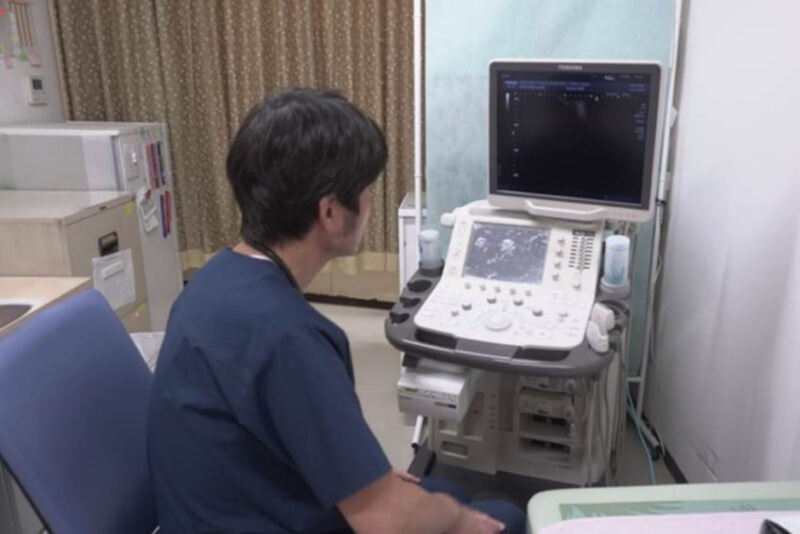
This examination applies ultrasound technology to accurately diagnose the hardness of the liver (degree of fibrosis) using color maps and numerical values. The examination time is approximately 2–3 minutes in addition to a standard ultrasound, requiring only standard preparation.
Reference Values for Cirrhosis Progression Risk (m/s)
Tissue hardness is displayed as the propagation speed of shear waves. Values vary somewhat by underlying disease, but general guidelines by stage are:
- F0–1 (Normal to mild): approximately 1.3–1.5 m/s or below
- F2–3 (Moderate to severe): approximately 1.6–2.1 m/s
- F4 (Cirrhosis): approximately 2.2 m/s or above
2.Evidence-Based Nutritional and Dietary Guidance
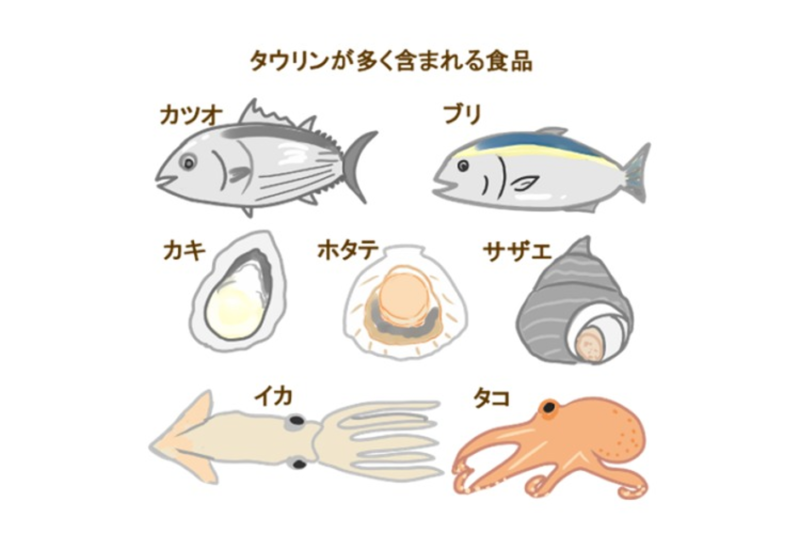
Before relying on supplements, obtaining nutrients necessary for liver repair from your daily diet is fundamental. Taurine, found in squid, octopus, and shellfish, is an important component that supports liver function improvement.
The director of our clinic has published clinical findings in international medical journals demonstrating that serum taurine levels significantly correlate with therapeutic responsiveness in hepatic encephalopathy, a major complication of cirrhosis. Based on this clinical expertise, alongside being mindful of taurine intake, practicing “vegetable-first” eating habits and consistently consuming quality protein (approximately 20 g per meal) are strongly advocated.
3.A New Treatment Option: Liver Regenerative Medicine
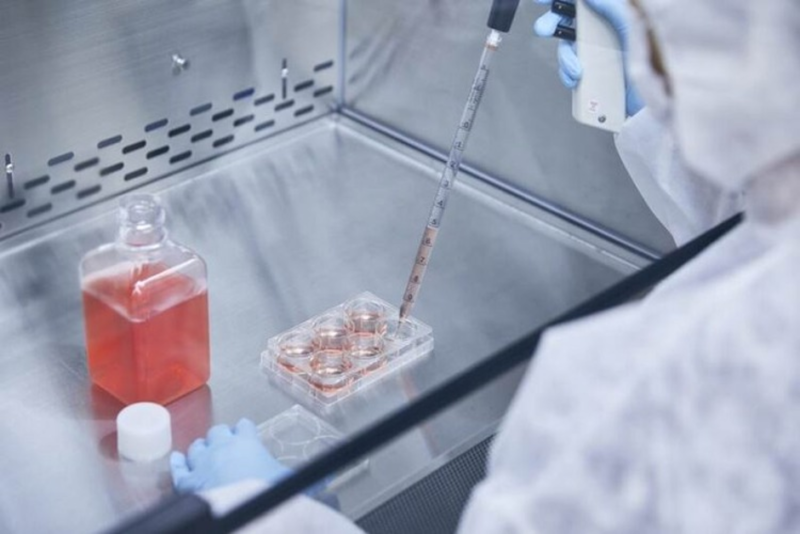
If examination reveals that hepatitis has already become severe or that cirrhosis is progressing, recovery through standard treatment alone is often difficult. The option attracting attention in such cases is “liver regenerative medicine” using stem cells.
Mesenchymal stem cells extracted from the patient’s own subcutaneous buttock adipose tissue are cultured and reintroduced via intravenous infusion. This regenerative approach aims to suppress chronic hepatic inflammation, inhibit the progression of fibrosis, and stimulate the functional repair of residual liver tissue.
Shift from Self-Directed Care to Specialist Treatment
Supplements are not a magic bullet. Persistently elevated liver values are an SOS signal from your liver. Before it’s too late, work on fundamental liver function improvement with the support of a hepatology specialist. Don’t carry this burden alone—please consult with us first. Online consultations are also available for those who find it difficult to visit in person.
さいとう内科クリニック
院長:斉藤 雅也 Masaya Saito
- 日本内科学会認定医
- 日本肝臓学会専門医
- 日本消化器病学会専門医
- 日本超音波医学会専門医
- 日本消化器内視鏡学会専門医
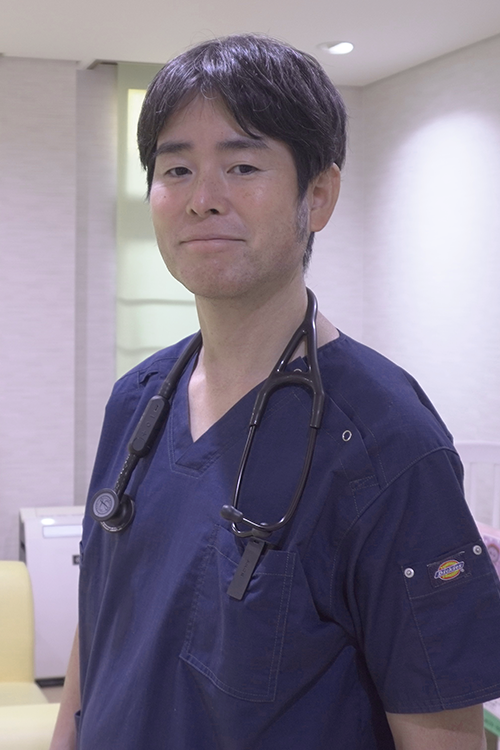
神戸大学医学部附属病院等の最前線で長年消化器・肝臓内科の臨床と研究に従事。医学博士。 標準治療では回復が困難な進行した肝炎や肝硬変に対し、新たな選択肢としての「肝臓再生医療」にいち早く取り組む。また、肝硬変患者さまの中で合併症(潜在性肝性脳症)を有する割合を明らかにし、カルニチンによる潜在性肝性脳症の治療効果を世界で初めて報告するなど、国際的な英文医学誌への論文掲載実績も多数(代表論文:Hepatol Res 2016; 46(2): 215-224)。科学的根拠に基づいた高度な専門知識と精緻な診断で、患者様の肝臓を守るサポートを行っています。
≫ 詳しい経歴や全研究実績はこちら
- 院長
- 斉藤雅也 Masaya Saito
日本肝臓学会 肝臓病専門医 Hepatologist, The Japan Society of Hepatology - 所在地
- 〒651-2412
兵庫県神戸市西区竜が岡1-15-3
(駐車場18台あり) - 電話
-
- 電話:078-967-0019
- 携帯電話:080-7097-5109
- アクセス
- 当院は、神戸市西区と明石市の境界付近に位置しており、明石市からも徒歩圏内です。実際に、明石市方面からも多くの患者様(肝臓病・一般内科)にご来院いただいております。駐車場も完備しておりますので、お車での通院も便利です。