
- 2026年10月2日
Can Too Many Ornithine or Zinc Supplements Burden the Liver? A Hepatologist’s Guide to Choosing and Using Supplements Correctly
Is Ornithine Supplement Really Good for the Liver?
Ornithine is a type of amino acid that supports the liver’s urea cycle. Found in clams and shellfish, it may support liver function when consumed in appropriate amounts.
A Hepatologist’s Perspective: Situations Requiring Caution
In cases of serious liver damage such as cirrhosis, excessive ornithine intake may be counterproductive. It is important to consult a physician about intake amounts appropriate to your liver condition.
Expert Insight: Ammonia Metabolism and L-Carnitine Supplementation
Research has reported the effectiveness of L-carnitine supplementation therapy in advanced liver damage. When liver function declines, a medically evidence-based approach is essential.
The Burden Placed on the Liver by Excessive Zinc Supplementation
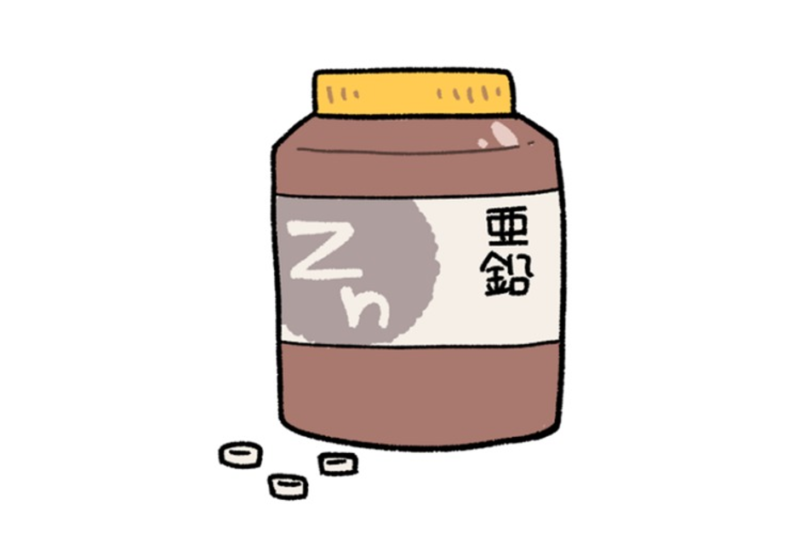
Zinc is an essential mineral involved in numerous enzymatic reactions and physiological processes, including immune function. More than 80% of cirrhosis patients are zinc-deficient, making supplementation useful.
However, excessive intake can cause copper deficiency, leading to anemia and immune abnormalities. The tolerable upper intake levels are “40 mg/day for adult men and 35 mg/day for adult women.”
Supplements That Benefit the Liver and Those That Are Dangerous

Those with Expected Beneficial Effects (Under Physician Guidance)
- Vitamin E: Suppresses inflammation in fatty liver through antioxidant action
- BCAA (Branched-Chain Amino Acids): Effective for improving nutritional status and energy metabolism in cirrhosis patients; however, taking large doses without medical supervision must be strictly avoided.
- Lactic acid bacteria/Probiotics: May improve the gut-liver axis and reduce the influx of harmful substances to the liver
Those Requiring Caution
- Turmeric/Curcumin: Risk of liver damage at high doses
- Iron supplements: Danger of aggravating liver damage in those predisposed to hemochromatosis
- Diet and herbal supplements: Cases of severe liver damage have been reported
Five Rules for Correct Supplement Selection and Use
- Regularly check ALT, AST, and γ-GTP through blood tests
- Do not take multiple supplements simultaneously (limit to 1–2 types)
- Keep dosage at or below the recommended upper limit
- Never start supplements without consulting your physician if you have a pre-existing liver condition
- Discontinue use immediately and consult a hepatologist if warning signs occur, such as fatigue, jaundice, or dark orange/brown urine
The Superior Benefits of Obtaining “Natural Ornithine and Zinc” from Food
Foods rich in ornithine: Shijimi (freshwater clams), Manila clams, cheese, and flounder.
Foods rich in zinc: oysters, lean beef, pork liver, eel, soybean products.
Obtaining nutrients from food minimizes the risk of excessive intake and is the safest and most natural approach to liver care.
A Message from Your Hepatologist
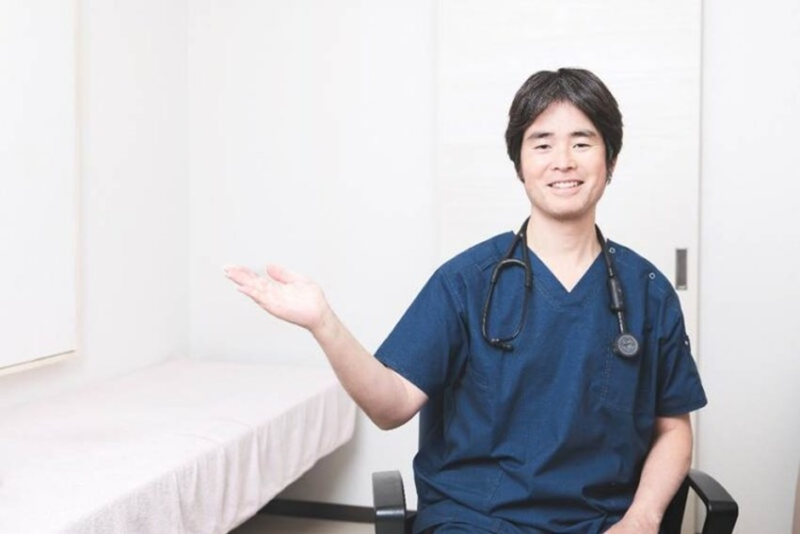
It is not uncommon for patients whose liver function has worsened from supplements “said to be good for the liver.” Understanding your own liver’s condition before choosing is essential. At our clinic, we perform comprehensive evaluation including blood tests, abdominal ultrasound, and hepatic stiffness measurement to accurately assess liver health and provide personalized guidance on supplement use. Please feel free to consult us before starting any new supplement regimen.
さいとう内科クリニック
院長:斉藤 雅也 Masaya Saito
- 日本内科学会認定医
- 日本肝臓学会専門医
- 日本消化器病学会専門医
- 日本超音波医学会専門医
- 日本消化器内視鏡学会専門医
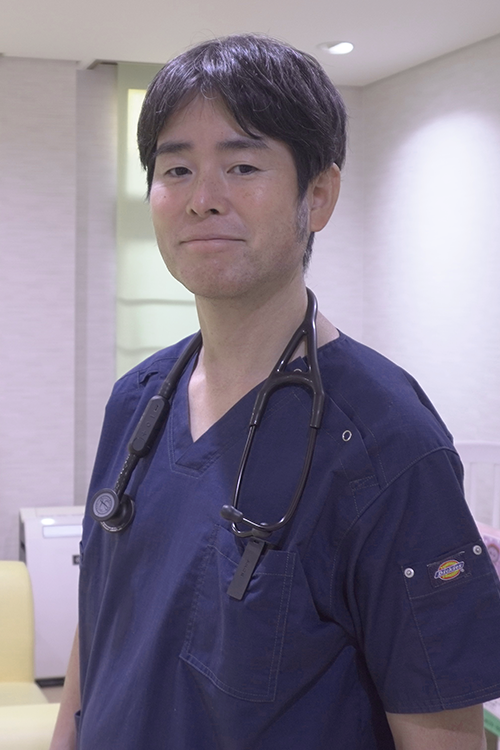
神戸大学医学部附属病院等の最前線で長年消化器・肝臓内科の臨床と研究に従事。医学博士。 標準治療では回復が困難な進行した肝炎や肝硬変に対し、新たな選択肢としての「肝臓再生医療」にいち早く取り組む。また、肝硬変患者さまの中で合併症(潜在性肝性脳症)を有する割合を明らかにし、カルニチンによる潜在性肝性脳症の治療効果を世界で初めて報告するなど、国際的な英文医学誌への論文掲載実績も多数(代表論文:Hepatol Res 2016; 46(2): 215-224)。科学的根拠に基づいた高度な専門知識と精緻な診断で、患者様の肝臓を守るサポートを行っています。
≫ 詳しい経歴や全研究実績はこちら
- 院長
- 斉藤雅也 Masaya Saito
日本肝臓学会 肝臓病専門医 Hepatologist, The Japan Society of Hepatology - 所在地
- 〒651-2412
兵庫県神戸市西区竜が岡1-15-3
(駐車場18台あり) - 電話
-
- 電話:078-967-0019
- 携帯電話:080-7097-5109
- アクセス
- 当院は、神戸市西区と明石市の境界付近に位置しており、明石市からも徒歩圏内です。実際に、明石市方面からも多くの患者様(肝臓病・一般内科)にご来院いただいております。駐車場も完備しておりますので、お車での通院も便利です。