
- 2026年10月2日
Is Falling Asleep After Meals as If Losing Consciousness a Sign of Fatty Liver? Causes of Overwhelming Post-Meal Drowsiness and Hidden Health Risks
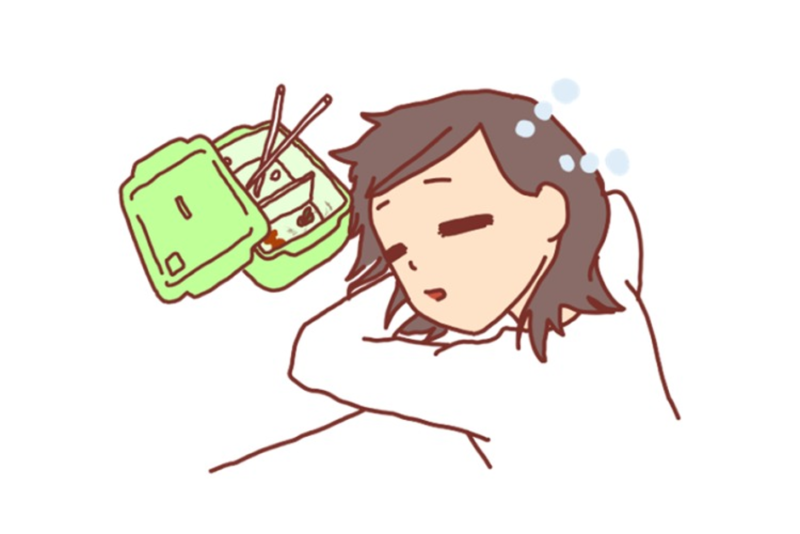
1.What Causes “Losing Consciousness” Levels of Drowsiness After Meals?
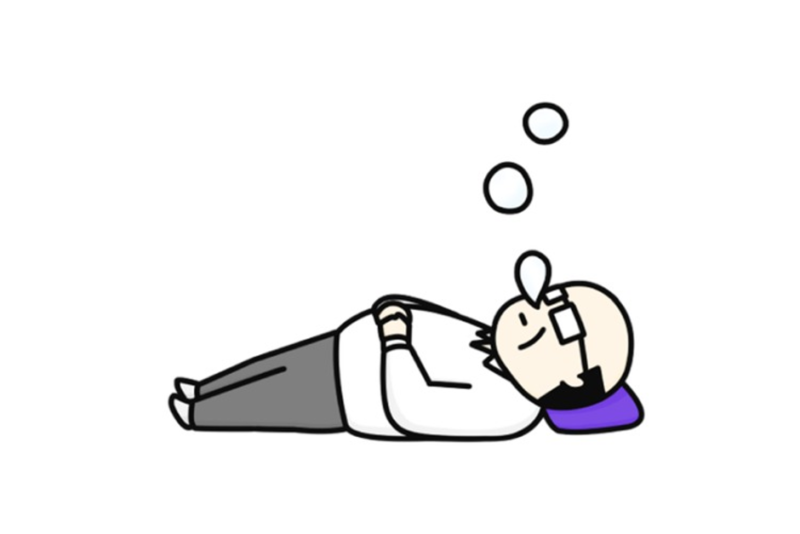
The main cause of post-meal drowsiness lies in blood sugar dysregulation called “post-meal hyperglycemia.” While blood sugar rises after eating and insulin is secreted, rapid consumption of easily absorbed foods such as white rice and bread causes blood sugar to spike sharply.
The pancreas secretes excessive insulin, causing blood sugar to plunge sharply. This “rapid rise → rapid fall” process makes energy supply to the brain unstable, causing intense drowsiness, fatigue, and brain fog.
“Drowsiness so intense it feels like losing consciousness” or “nearly blacking out within 15–30 minutes of eating” is a sign of problems with insulin secretion or blood sugar regulation. This pattern is said to appear particularly prominently in those with fatty liver or pre-diabetes.
2.Hidden Risks in Those Who Experience Overwhelming Post-Meal Drowsiness

Fatty Liver (MASLD/MASH)
Patients with fatty liver have reduced glucose metabolism in the liver and are in a state prone to post-meal blood sugar dysregulation. The liver is an important organ that takes up blood sugar after meals and stores it as glycogen, but fat accumulation impairs this function, making blood sugar spikes more likely to occur.
Expert Insight: Risks Caused by Declining Energy Metabolism
When post-meal hyperglycemia is chronically repeated, the liver’s energy metabolism gradually declines. Clinical research has clarified that the state of liver energy metabolism greatly affects patients’ long-term survival rates and healthy life expectancy. Abnormal post-meal drowsiness is an important danger signal of declining liver metabolic efficiency.
The Early Stage of Type 2 Diabetes (Insulin Resistance)
When cells become less responsive to insulin due to insulin resistance, more insulin secretion is required, and blood sugar fluctuations become more severe. When this continues chronically, progression to type 2 diabetes occurs.
Sleep Apnea Syndrome (SAS)
Those who frequently lie down after meals are prone to narrowed airways, potentially worsening sleep apnea. Since nighttime sleep becomes shallower, intense drowsiness occurs during the day. Obesity, fatty liver, and sleep apnea syndrome tend to coexist.
3.Distinguishing “Normal” Post-Meal Drowsiness from Dangerous Signs

Normal Post-Meal Drowsiness
- Light drowsiness appearing 30 minutes to 1 hour after eating
- Improves with a 10–15 minute nap
- Appears only after dinner, not after every meal
- Becomes stronger only when large amounts are consumed
Post-Meal Drowsiness Requiring Attention
- Nearly losing consciousness immediately (within 15–30 minutes) after eating.
- Strong drowsiness invariably comes after both lunch and dinner
- Fatigue persists even after napping
- Accompanied by headache, blurred vision, or hand tremors
- Still fatigued upon waking
If multiple “requiring attention” items apply,undergoing screening tests for fatty liver and diabetes is recommended.
4.Dietary and Lifestyle Methods to Improve Post-Meal Drowsiness

Change the Eating Order (Vegetable-First)
Eating dietary fiber first—vegetables, mushrooms, seaweed—then protein (meat, fish, tofu), and finally carbohydrates (rice, bread) suppresses rapid rises in blood sugar.
Choose Low-GI Carbohydrates
Choose foods with gentler blood sugar rises: brown rice or barley over white rice, rye bread over white bread, soba over udon.
Light Exercise After Meals (10-Minute Walk)
Multiple studies have shown that a 10–15 minute walk after meals significantly suppresses blood sugar spikes. The idea of “resting quietly after meals” is outdated; light aerobic exercise is the most effective blood sugar management method.
Limit Post-Meal Naps to 10–15 Minutes
If irresistibly sleepy, set an alarm and limit naps (power naps) to 10–15 minutes. Naps of 30 minutes or more reduce nighttime sleep quality.
5.A Message from Your Hepatologist
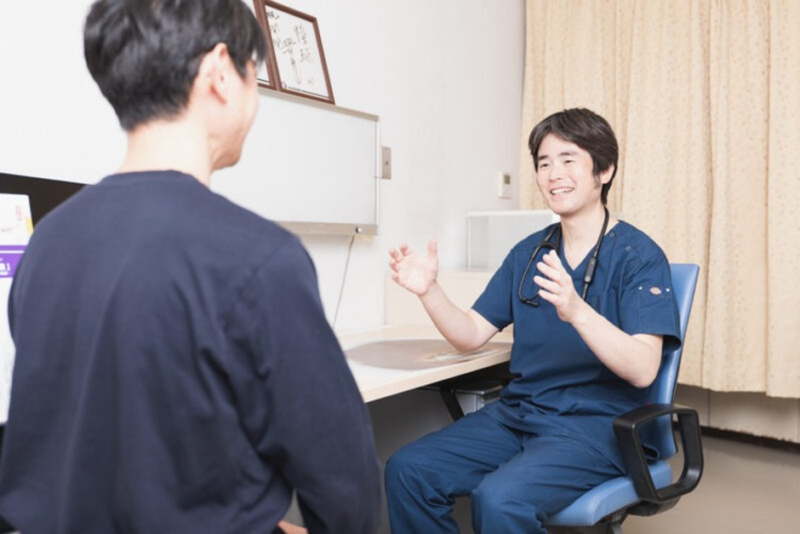
Post-meal drowsiness is not “proof of being overweight” or “a sign of laziness”—it is an important signal from your body indicating blood sugar dysregulation or declining liver function.
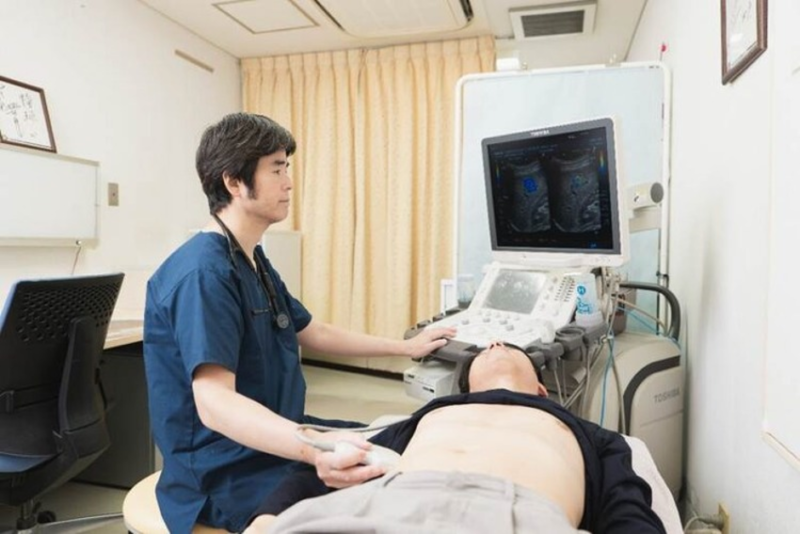
Those who frequently experience extreme drowsiness akin to losing consciousness, or who consistently fall into a deep sleep immediately after meals, are strongly advised to undergo comprehensive liver function and diabetes screening. When detected early and addressed through targeted lifestyle modifications, fatty liver is a condition that can be fully reversed. Please do not ignore these warning signs. At Saito Clinic of Internal Medicine, we provide detailed evaluations of liver health and metabolic status through advanced blood panels and abdominal ultrasound examinations. If you are struggling with overwhelming post-meal drowsiness, please feel free to consult us.
さいとう内科クリニック
院長:斉藤 雅也 Masaya Saito
- 日本内科学会認定医
- 日本肝臓学会専門医
- 日本消化器病学会専門医
- 日本超音波医学会専門医
- 日本消化器内視鏡学会専門医
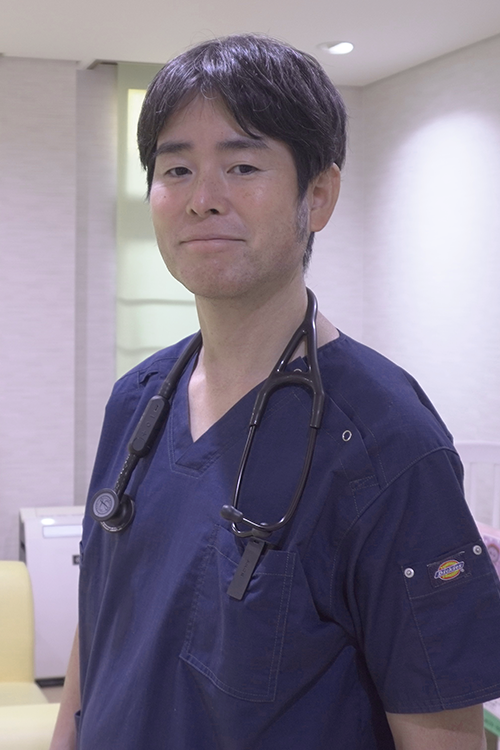
神戸大学医学部附属病院等の最前線で長年消化器・肝臓内科の臨床と研究に従事。医学博士。 標準治療では回復が困難な進行した肝炎や肝硬変に対し、新たな選択肢としての「肝臓再生医療」にいち早く取り組む。また、肝硬変患者さまの中で合併症(潜在性肝性脳症)を有する割合を明らかにし、カルニチンによる潜在性肝性脳症の治療効果を世界で初めて報告するなど、国際的な英文医学誌への論文掲載実績も多数(代表論文:Hepatol Res 2016; 46(2): 215-224)。科学的根拠に基づいた高度な専門知識と精緻な診断で、患者様の肝臓を守るサポートを行っています。
≫ 詳しい経歴や全研究実績はこちら
- 院長
- 斉藤雅也 Masaya Saito
日本肝臓学会 肝臓病専門医 Hepatologist, The Japan Society of Hepatology - 所在地
- 〒651-2412
兵庫県神戸市西区竜が岡1-15-3
(駐車場18台あり) - 電話
-
- 電話:078-967-0019
- 携帯電話:080-7097-5109
- アクセス
- 当院は、神戸市西区と明石市の境界付近に位置しており、明石市からも徒歩圏内です。実際に、明石市方面からも多くの患者様(肝臓病・一般内科)にご来院いただいております。駐車場も完備しておりますので、お車での通院も便利です。