
- 2026年7月2日
Is Your Weight Loss Plateau an “SOS from Your Liver”? The Hidden Reason Why You Aren’t Losing Weight Despite Your Best Efforts
Are you trying hard to lose weight, but the scale just won’t budge…?
Are you brushing off the cause as simply “lack of exercise” or “eating too much”?
Actually, the hidden reason behind your “difficulty losing weight” may be deeply connected to your liver’s health, specifically fatty liver.
The liver is known as a “silent organ,” characterized by the fact that specific symptoms rarely appear until a disease has progressed significantly. That is precisely why not missing “small signs” like abnormalities pointed out in health checkups or a lack of weight loss results is the key to protecting your future health.
In this article, we will explain in detail why a fatty liver makes it hard to lose weight, its causes, and specific countermeasures recommended by a hepatologist.
■1. What is a Fatty Liver? The Mechanism of a “Metabolic Factory” Shutting Down
Difficulty Losing Weight Might Be Caused by “Fat Accumulation in the Liver”
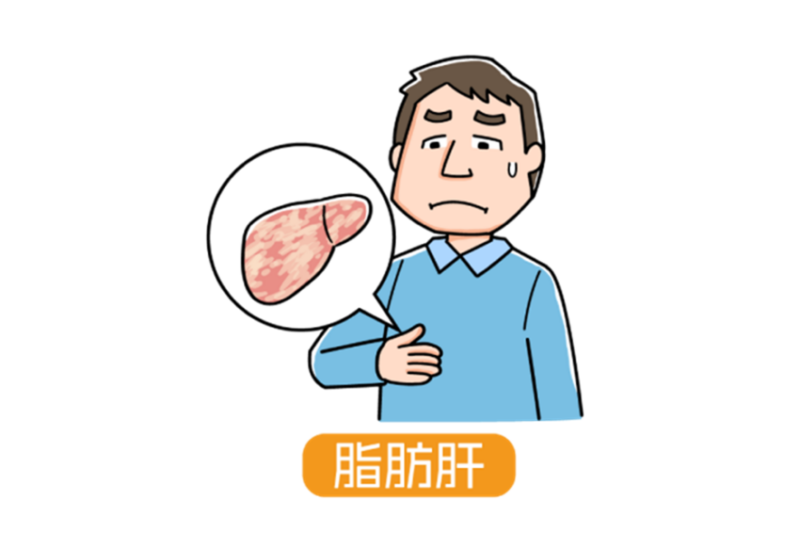
Fatty liver refers to a condition where an excessive amount of neutral fat accumulates within the liver cells. In a normal liver, there is almost no fat accumulation.
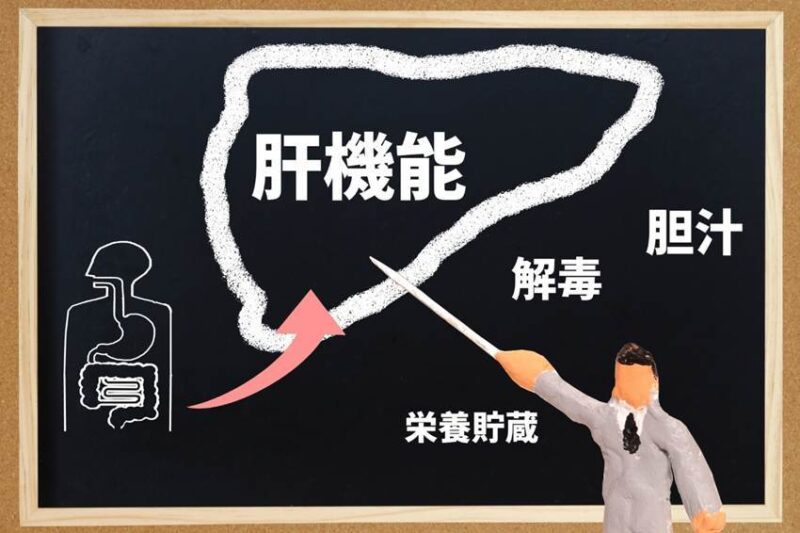
The liver acts like a “metabolic factory” in the body, playing a major role in fat synthesis, breakdown, and energy conversion. However, when you develop a fatty liver, this metabolic function tends to decline.
As a result, the body cannot burn fat efficiently, which can lead to a “hard-to-lose-weight constitution” where body fat is difficult to reduce no matter how much you diet.
Factors That Cause Fatty Liver
The main causes of fatty liver are obesity and excessive calorie intake, but it is also pointed out that excessive alcohol consumption, lack of exercise, and lifestyle-related diseases such as diabetes and dyslipidemia are associated.
In particular, fatty liver that develops for reasons other than alcohol consumption is called Metabolic dysfunction-Associated Steatotic Liver Disease (MASLD), and its main causes are overeating and lack of exercise.
In addition, while fatty liver tends to be more common in middle-aged and older adults (over 40) and men, an increasing number of cases are developing in the younger generation due to poor dietary habits and lack of exercise.
Furthermore, the assumption that “I’m safe because I’m skinny” is dangerous. In recent years, cases where even thin individuals are diagnosed with fatty liver due to unbalanced diets—such as extreme dietary restrictions, protein deficiency, or rapid weight loss—have been drawing attention.
■2. It’s Not “Just a Fatty Liver”! The Serious Risks of Leaving It Untreated
It is said that many cases of fatty liver can improve to a normal liver if appropriate lifestyle improvements are made in the early stages. However, leaving it untreated carries the risk of progressing to a serious condition.
When fat accumulates in the liver, chronic inflammation occurs, which can lead to progressive liver dysfunction. It is suggested that as this inflammation progresses, the risk of liver cirrhosis and liver cancer increases.
In particular, a portion of MASLD can progress to Metabolic dysfunction-Associated Steatohepatitis (MASH), which involves inflammation. This can lead to the progression of liver fibrosis (hardening) and ultimately transition to liver cirrhosis or liver cancer.
In the decompensated stage, where liver cirrhosis has progressed and liver function has significantly declined, life-threatening and severe complications such as ascites (fluid accumulation), edema, jaundice, hepatic encephalopathy, and ruptured esophagogastric varices appear.
■3. Specific Points for Lifestyle Improvements with the Liver in Mind

To improve a fatty liver, it is important not only to restrict your diet and exercise but also to review your lifestyle habits to reduce the metabolic burden on the liver.
Improving Your Diet and Eating Habits
It is said that about 80% of fatty liver improvement depends on diet, making a dietary review extremely important.
- Ensure nutritional balance: Avoid excessive intake of fats and carbohydrates, and try to consume plenty of dietary fiber, vitamins, and minerals. Try to avoid supplementing these with dietary supplements as much as possible.
- Liver-friendly ingredients: Soy products (such as tofu and soy milk) are low in calories and support fat metabolism.
- Be conscious of how you eat: Eating fast is one of the factors that worsen a fatty liver. Since it takes about 20 minutes from the start of a meal to feel full, be conscious of chewing each bite 30 times and eat slowly.
- Limit alcohol consumption: Avoid excessive alcohol intake. If you have been pointed out as having liver abnormalities, abstinence from alcohol is generally required. Even for healthy individuals, it is recommended to limit daily alcohol consumption and set aside at least two alcohol-free days a week.
Establishing an Exercise Habit

- Engage in aerobic exercise: It is recommended to combine a well-balanced diet with strength training. To improve fatty liver, performing aerobic exercises such as walking or light jogging for about 30 minutes, 3 times a week is effective. Rather than waiting until you are completely ready to exercise, cleverly incorporating exercise into your daily life is a very good approach as it is easier to sustain.
- Reasonable weight loss: Avoid rapid dieting through extreme dietary restrictions. It is important to aim for a weight loss of no more than 5% of your body weight per month and to continue without overexerting yourself.
■4. If You Notice Serious Signs from Your Liver: Consulting a Specialist and the Potential of Regenerative Medicine

If your fatty liver condition does not improve despite your best efforts in dieting and lifestyle improvements, do not make self-judgments; consulting a doctor and undergoing regular checkups are essential.
To understand the condition of your liver, it is important to check liver function values such as AST (GOT), ALT (GPT), and gamma-GTP through blood tests, and to grasp the severity of your fatty liver (mild, moderate, severe) through abdominal ultrasound (echo) examinations.
■The Limits of Conventional Treatment and the Hope of Regenerative Medicine
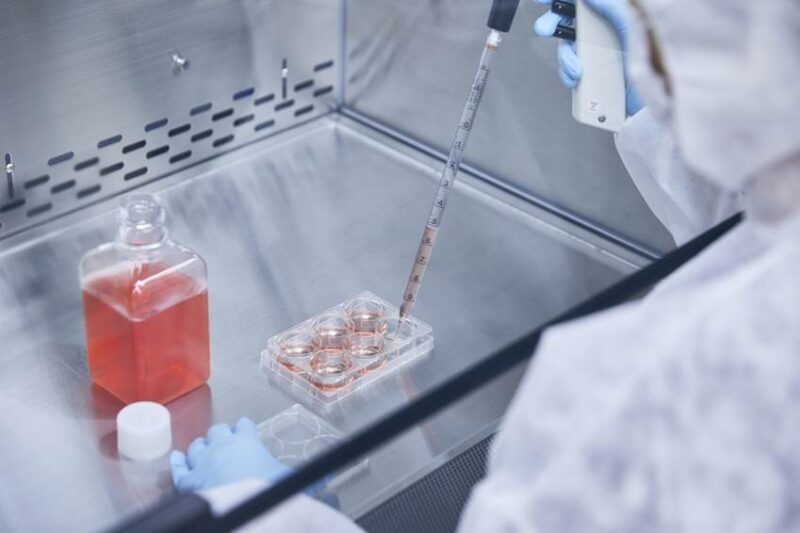
When the condition progresses to liver cirrhosis, the main goal of conventional treatment has been to slow the progression of the disease and alleviate symptoms. It has been considered difficult to fundamentally return a hardened liver to its original state.
However, in recent years, a new treatment called liver regenerative medicine using stem cells has been attracting attention.
This treatment involves intravenously administering the patient’s own adipose-derived stem cells (from the buttocks) into the body, which has the advantage of a low risk of rejection. Stem cells are expected to potentially work directly on liver fibrosis itself by suppressing chronic inflammation occurring in the liver (anti-inflammatory effect) and suppressing the generation of fibrous tissue that causes the liver to harden (anti-fibrotic effect).
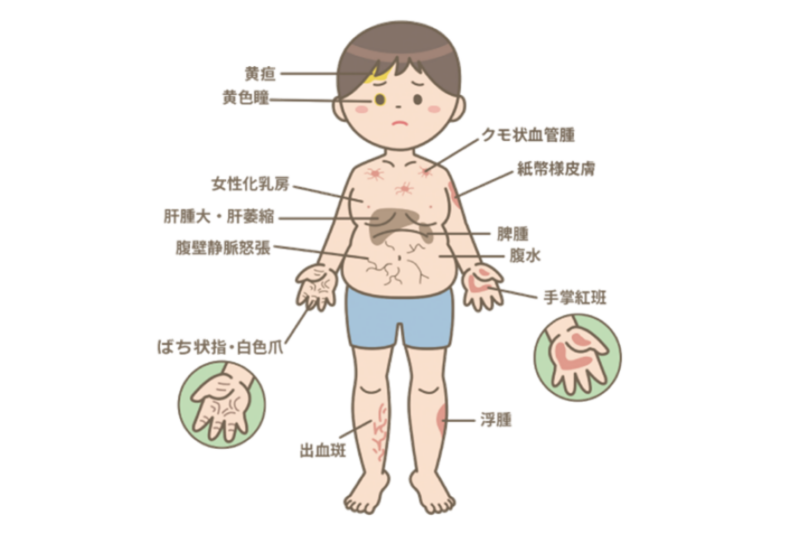
This regenerative medicine can also be a treatment option for patients with decompensated liver cirrhosis who have severe symptoms such as ascites, edema, hepatic encephalopathy, and jaundice (however, those with active cancer cannot receive the treatment). In fact, there have been reported cases where highly severe cirrhosis patients—who had extreme physical decline and difficulty going out due to ascites and hepatic encephalopathy—showed a trend of improvement in liver function values after stem cell infusions. These patients experienced an improved quality of life, becoming able to walk and go out, and seeing improvements in ascites and hepatic encephalopathy.
For the sake of a healthy diet, let’s engage in lifestyle improvements with liver care in mind.
At Saito Clinic of Internal Medicine, we want to serve as a bridge to your future health by thoroughly checking the condition of your liver through blood tests and abdominal ultrasounds for anyone with concerns about their liver.
さいとう内科クリニック
院長:斉藤 雅也 Masaya Saito
- 日本内科学会認定医
- 日本肝臓学会専門医
- 日本消化器病学会専門医
- 日本超音波医学会専門医
- 日本消化器内視鏡学会専門医
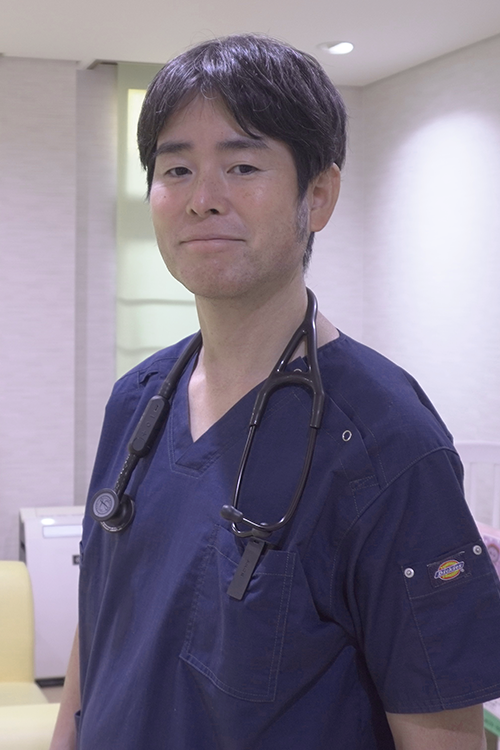
神戸大学医学部附属病院等の最前線で長年消化器・肝臓内科の臨床と研究に従事。医学博士。 標準治療では回復が困難な進行した肝炎や肝硬変に対し、新たな選択肢としての「肝臓再生医療」にいち早く取り組む。また、肝硬変患者さまの中で合併症(潜在性肝性脳症)を有する割合を明らかにし、カルニチンによる潜在性肝性脳症の治療効果を世界で初めて報告するなど、国際的な英文医学誌への論文掲載実績も多数(代表論文:Hepatol Res 2016; 46(2): 215-224)。科学的根拠に基づいた高度な専門知識と精緻な診断で、患者様の肝臓を守るサポートを行っています。
≫ 詳しい経歴や全研究実績はこちら
- 院長
- 斉藤雅也 Masaya Saito
日本肝臓学会 肝臓病専門医 Hepatologist, The Japan Society of Hepatology - 所在地
- 〒651-2412
兵庫県神戸市西区竜が岡1-15-3
(駐車場18台あり) - 電話
-
- 電話:078-967-0019
- 携帯電話:080-7097-5109
- アクセス
- 当院は、神戸市西区と明石市の境界付近に位置しており、明石市からも徒歩圏内です。実際に、明石市方面からも多くの患者様(肝臓病・一般内科)にご来院いただいております。駐車場も完備しておりますので、お車での通院も便利です。