
- 2026年10月2日
Specific Dietary and Exercise Methods to Improve Fatty Liver: A Hepatologist’s Guide
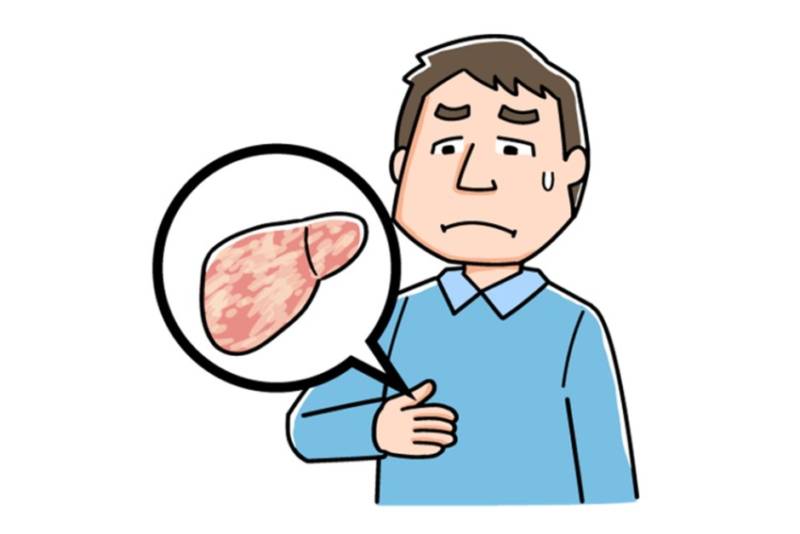
1.Dietary Therapy: The Essence of “What and How” to Eat for a Liver-Friendly Diet
It is said that approximately 80% of fatty liver improvement depends on diet—not just calorie restriction, but the “quality” and “method” of eating matter greatly.
1ー1.How to Choose Liver-Friendly Foods and Specific Intake Methods
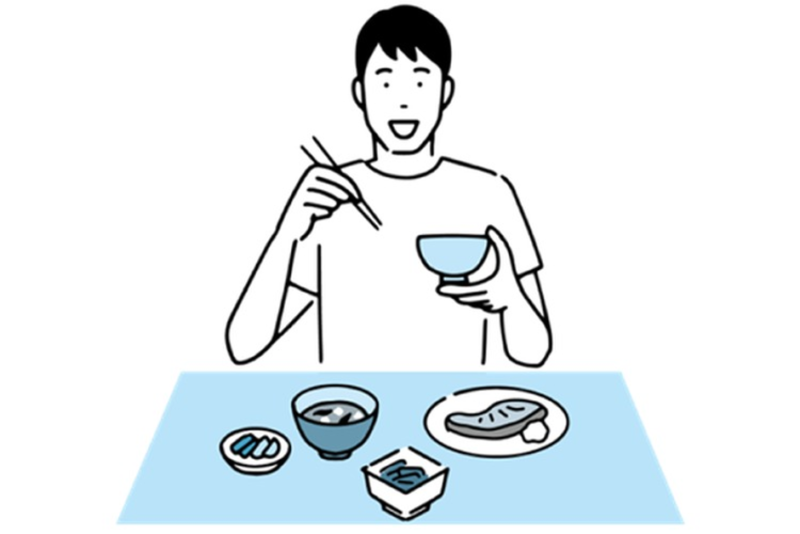
Vegetables, Mushrooms, and Seaweed: Powerful Allies for Detox and Antioxidation
Green and yellow vegetables are rich in vitamin K, supporting the liver’s blood coagulation function; β-carotene in carrots and pumpkin helps protect liver cells. Cabbage and broccoli offer detoxifying properties that support liver function. Mushrooms are rich in β-glucan and dietary fiber, enhancing liver immune function and helping improve fatty liver and cholesterol levels. Fucoidan and alginic acid in seaweed balance the gut environment, reducing liver burden. “Vegetable-first” is effective for preventing sharp blood sugar rises.
Quality Protein: Supporting Liver Repair and Metabolism
Omega-3 fatty acids (EPA, DHA) in oily fish (rich in EPA and DHA) promote fat metabolism in the liver and help control fatty liver and cholesterol levels. Soybean products are low in calories and kind to the liver; isoflavones and lecithin support fat metabolism. Limit processed meats like bacon and sausage, which are high in salt and fat.
Surprising “Saviors”: Coffee and Laughter

“1–2 cups of black coffee daily has been shown in research to suppress liver inflammation” through chlorogenic acid. It has also been found that laughing for 20+ minutes daily reduces visceral fat and improves liver function.
1ー2.Dietary Habits That Don’t Worsen Fatty Liver

“Eat slowly” is key—chewing each bite approximately 30 times prevents overeating and suppresses sharp blood sugar rises. Switch sugary beverages like soft drinks, sports drinks, and sweetened coffee to water or unsweetened tea. Avoid processed foods like snacks and instant foods, which place heavy burden on the liver. Ideally, finish dinner at least 3 hours before bedtime.
2.Exercise Therapy: Approaching “Body Composition Improvement” You Can Sustain
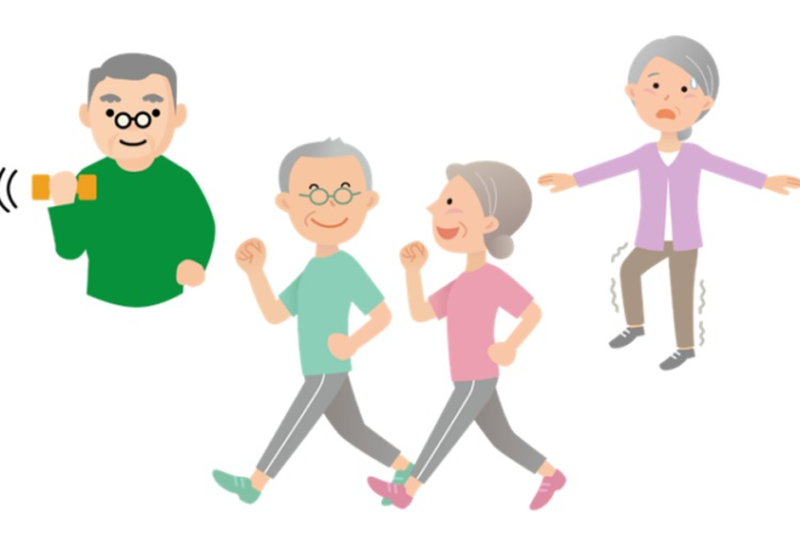
Exercise is an important element for burning fat accumulated in the liver and improving insulin function.
2ー1.Combining Aerobic Exercise with Resistance Training
Walking: use a moderate/maintenance pace for health maintenance, and a fat-burning pace for physical improvement and fat burning. Target approximately 30 minutes per day, 3+ times per week to start, aiming for “250 minutes of moderate-to-high intensity exercise weekly” as you become accustomed.
Resistance training: incorporating squats, sit-ups, and push-ups 2–3 times per week raises basal metabolism and creates a body that burns fat more easily.
2ー2.Incorporating “Incidental Exercise” Into Daily Life
Walking one extra train stop during commuting, using stairs instead of elevators—regularly moving throughout daily life is effective. The key to consistency: don’t suddenly start vigorous exercise; step up gradually in accordance with your own fitness level.
3.The Next Step for Not Giving Up, as Told by a Specialist
If no improvement is seen despite effort with diet and exercise, the most important thing is to consult a specialist without hesitation. Even among thin individuals, fatty liver can occur, and risk of progression to NASH may be high. Liver regenerative medicine using stem cells may suppress liver inflammation, suppress fibrosis progression, and promote repair and regeneration of damaged liver cells.
さいとう内科クリニック
院長:斉藤 雅也 Masaya Saito
- 日本内科学会認定医
- 日本肝臓学会専門医
- 日本消化器病学会専門医
- 日本超音波医学会専門医
- 日本消化器内視鏡学会専門医
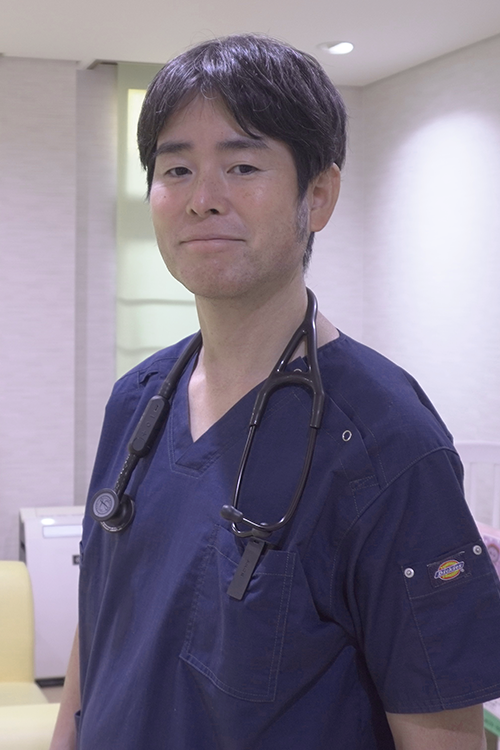
神戸大学医学部附属病院等の最前線で長年消化器・肝臓内科の臨床と研究に従事。医学博士。 標準治療では回復が困難な進行した肝炎や肝硬変に対し、新たな選択肢としての「肝臓再生医療」にいち早く取り組む。また、肝硬変患者さまの中で合併症(潜在性肝性脳症)を有する割合を明らかにし、カルニチンによる潜在性肝性脳症の治療効果を世界で初めて報告するなど、国際的な英文医学誌への論文掲載実績も多数(代表論文:Hepatol Res 2016; 46(2): 215-224)。科学的根拠に基づいた高度な専門知識と精緻な診断で、患者様の肝臓を守るサポートを行っています。
≫ 詳しい経歴や全研究実績はこちら
- 院長
- 斉藤雅也 Masaya Saito
日本肝臓学会 肝臓病専門医 Hepatologist, The Japan Society of Hepatology - 所在地
- 〒651-2412
兵庫県神戸市西区竜が岡1-15-3
(駐車場18台あり) - 電話
-
- 電話:078-967-0019
- 携帯電話:080-7097-5109
- アクセス
- 当院は、神戸市西区と明石市の境界付近に位置しており、明石市からも徒歩圏内です。実際に、明石市方面からも多くの患者様(肝臓病・一般内科)にご来院いただいております。駐車場も完備しておりますので、お車での通院も便利です。