
- 2026年10月2日
The Reality of Alcoholic Liver Disease: How Alcohol Destroys the Liver and the Path to Recovery

1.The Mechanism by Which Alcohol Destroys the Liver: Stages of Progression and Dangerous Amounts
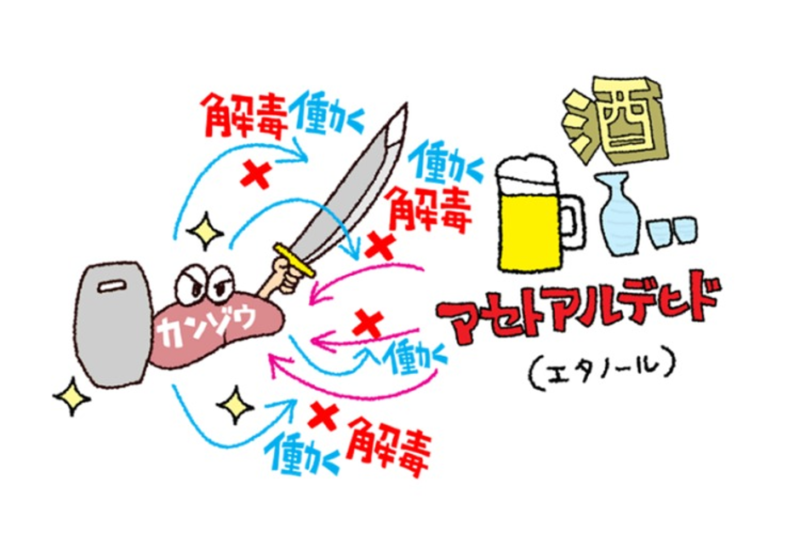
1ー1.Attack by the Harmful Substance “Acetaldehyde”
Acetaldehyde, a byproduct of alcohol metabolism, is highly toxic and directly damages liver cells. Prolonged heavy drinking paradoxically reduces the enzyme’s effectiveness, creating a destructive cycle where the liver is damaged more severely over time.
1ー2.Stages of Liver Damage Progression
- Alcoholic fatty liver: Fat accumulates with minimal symptoms; reversible through abstinence and lifestyle changes
- Alcoholic hepatitis: Rapid liver cell destruction and inflammation; potentially fatal within one month if severe
- Alcoholic cirrhosis: Progressive fibrosis creates irreversible hardening; end-stage liver disease with serious complications
1ー3.Dangerous Amounts of Alcohol

“Consumption of 60 g or more of pure ethanol daily is the diagnostic threshold.” Women and those genetically sensitive to alcohol face risk at 40 g daily. Drinking 3 cups of sake daily for 5+ years may cause fatty liver; 5 cups for 10+ years risks cirrhosis.
2.Liver SOS Signs Not to Miss

Early-stage compensated cirrhosis presents with vague symptoms: fatigue, appetite loss, abdominal bloating. Advanced decompensated cirrhosis causes life-threatening complications including jaundice, ascites, hepatic encephalopathy, bleeding tendencies, and esophageal varix rupture.
2ー1.Whole-Body Harms Beyond the Liver
Chronic heavy drinking damages the brain (prefrontal cortex atrophy, Korsakoff syndrome), pancreas (acute/chronic pancreatitis), and increases cancer risk for head/neck, esophagus, liver, colon, and breast cancers.
3.The Path to Recovery: Abstinence, Diet, and Regenerative Medicine
3ー1.The Most Important and Indispensable Treatment: Abstinence

“The 5-year survival rate of alcoholic cirrhosis patients is 35% in those who continue drinking, but improves to 88% in those who succeed in abstaining”—demonstrating abstinence’s transformative impact. Medications like disulfiram, acamprosate, and naltrexone support cessation efforts.
3ー2.Dietary and Exercise Therapy Supporting the Liver

Dietary interventions include controlling sugar and fat intake, emphasizing quality protein, increasing fiber, consuming coffee (1–2 cups daily), eating slowly, and strictly restricting salt (5–6 g daily) if ascites is present. Exercise combines aerobic activity with resistance training 3+ times weekly for 30+ minutes. Adequate sleep in a horizontal position boosts hepatic blood flow by 1.5×, supporting liver recovery.
4.The Limits of Conventional Treatment and New Hope: Regenerative Medicine
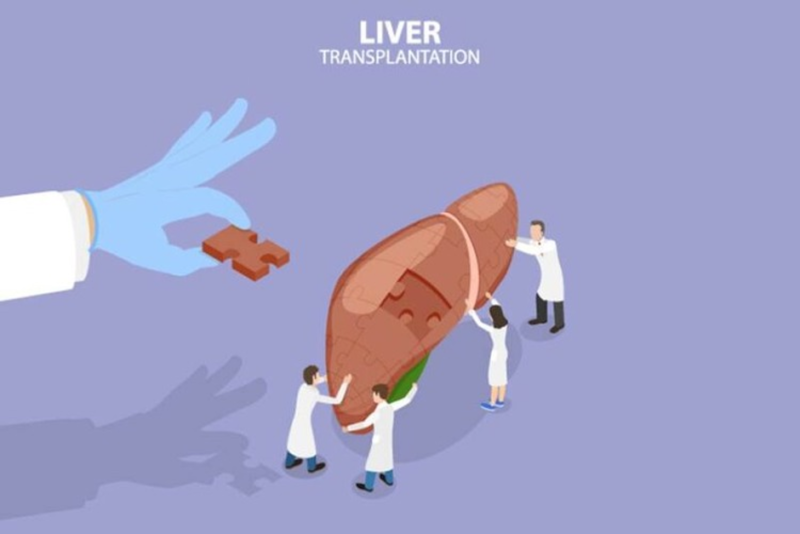
4ー1.Possibilities Offered by Stem Cell Therapy
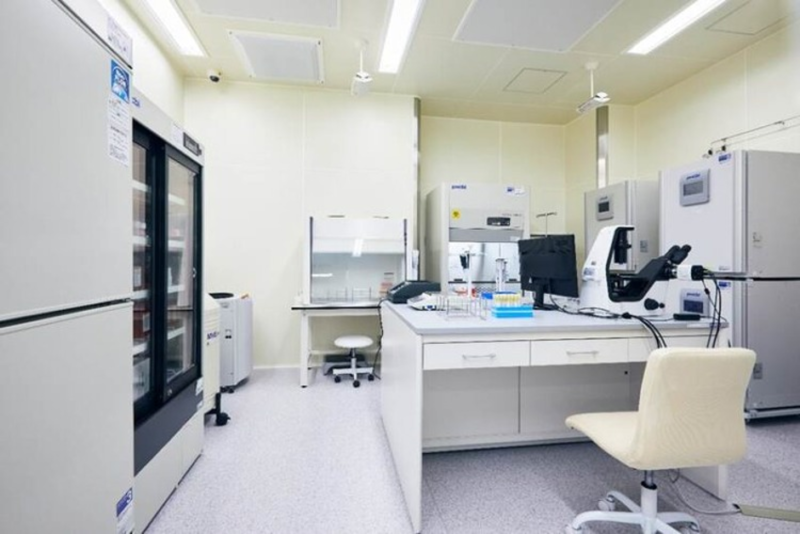
Autologous adipose-derived stem cell therapy involves extracting fat tissue from the patient’s own buttocks, culturing stem cells, and reinfusing them intravenously. This avoids rejection risks. Expected benefits include anti-inflammatory effects, fibrosis suppression, improved quality of life, reduced ascites, and symptom relief.
4ー2.Optimal Timing to Consider Regenerative Medicine

Optimal timing occurs before severe decompensation. Early intervention maximizes functional recovery potential and may significantly delay or reverse cirrhosis progression.
5.Summary and Consulting a Hepatologist
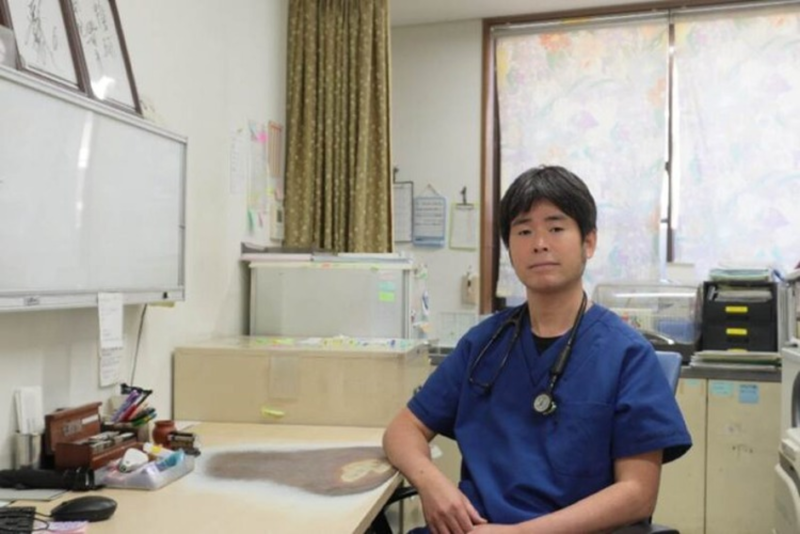
Alcoholic liver disease is preventable through lifestyle modifications. At minimum, maintain two or more alcohol-free days per week. Regular health screenings monitoring AST, ALT, and γ-GTP, plus abdominal ultrasound, are essential. Consulting a specialist provides access to both standard treatment and regenerative medicine options, offering hope even in advanced cases. At Saito Clinic of Internal Medicine, we support patients through the entire journey—from early lifestyle modification to advanced regenerative medicine—ensuring no one has to face alcoholic liver disease alone. Online consultations are available for patients throughout Japan.

さいとう内科クリニック
院長:斉藤 雅也 Masaya Saito
- 日本内科学会認定医
- 日本肝臓学会専門医
- 日本消化器病学会専門医
- 日本超音波医学会専門医
- 日本消化器内視鏡学会専門医
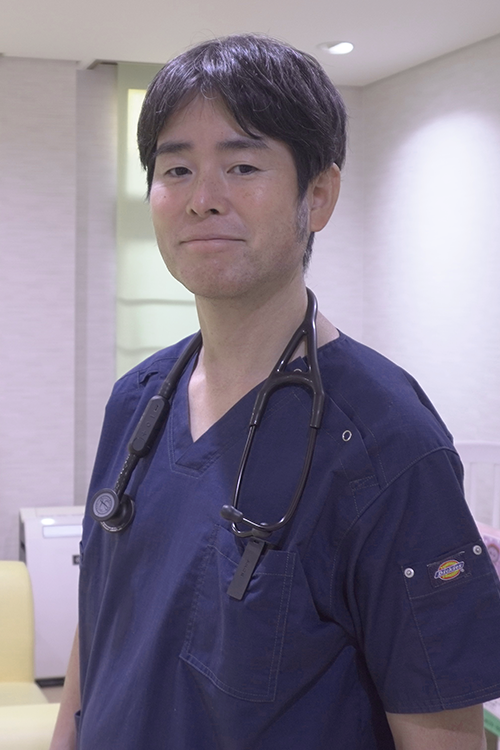
神戸大学医学部附属病院等の最前線で長年消化器・肝臓内科の臨床と研究に従事。医学博士。 標準治療では回復が困難な進行した肝炎や肝硬変に対し、新たな選択肢としての「肝臓再生医療」にいち早く取り組む。また、肝硬変患者さまの中で合併症(潜在性肝性脳症)を有する割合を明らかにし、カルニチンによる潜在性肝性脳症の治療効果を世界で初めて報告するなど、国際的な英文医学誌への論文掲載実績も多数(代表論文:Hepatol Res 2016; 46(2): 215-224)。科学的根拠に基づいた高度な専門知識と精緻な診断で、患者様の肝臓を守るサポートを行っています。
≫ 詳しい経歴や全研究実績はこちら
- 院長
- 斉藤雅也 Masaya Saito
日本肝臓学会 肝臓病専門医 Hepatologist, The Japan Society of Hepatology - 所在地
- 〒651-2412
兵庫県神戸市西区竜が岡1-15-3
(駐車場18台あり) - 電話
-
- 電話:078-967-0019
- 携帯電話:080-7097-5109
- アクセス
- 当院は、神戸市西区と明石市の境界付近に位置しており、明石市からも徒歩圏内です。実際に、明石市方面からも多くの患者様(肝臓病・一般内科)にご来院いただいております。駐車場も完備しておりますので、お車での通院も便利です。