
- 2026年11月4日
Protecting Both Liver and Kidney: A Specialist’s Guide to Balanced Nutrition Without Overrestriction
The Vital Partnership of Two Essential Organs
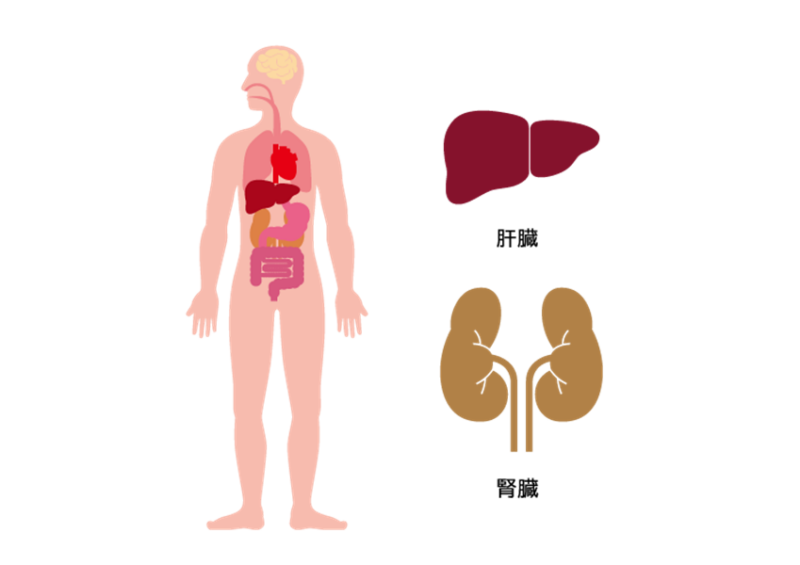
In Japanese, the phrase “kan-jin kaname” (肝腎要) literally means “liver-kidney essential,” used to describe something of supreme importance. The idiom captures a profound medical truth: the liver and the kidney are so intimately linked in their functions that disease in one almost invariably places additional burden on the other.
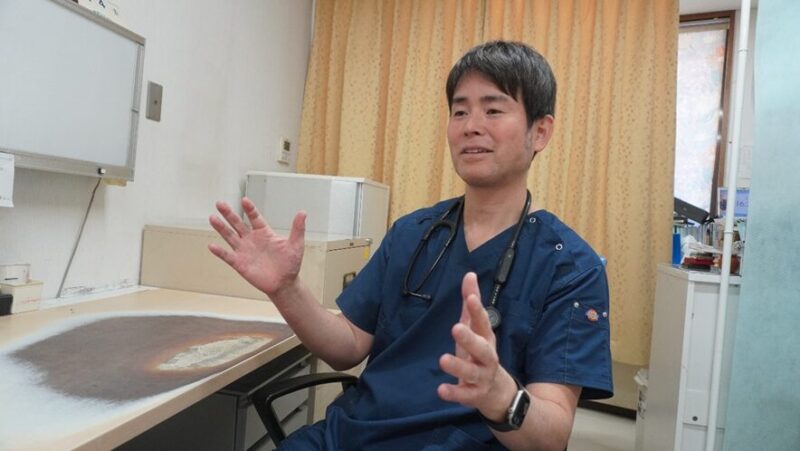
As Director of Saito Clinic of Internal Medicine in Kobe, I specialize in liver disease and regenerative medicine. I regularly treat patients whose liver cirrhosis has led to secondary kidney dysfunction—or whose attempts to manage one organ through severe dietary restriction have inadvertently harmed the other. This article offers practical guidance on how to protect both organs simultaneously through balanced, sustainable nutrition.
How the Liver and Kidney Work Together
The liver is the body’s primary metabolic factory, processing nutrients absorbed from the digestive tract, synthesizing proteins, and neutralizing toxins. The kidney filters the blood, removes waste products, and regulates fluid and electrolyte balance. These processes are tightly interdependent: the liver produces albumin, which helps maintain fluid pressure within blood vessels, and processes many of the waste products that the kidney must excrete. When liver function declines, the kidney’s workload increases—and vice versa.
In advanced liver cirrhosis, a phenomenon known as hepatorenal syndrome can develop, in which severe liver failure directly impairs kidney function through complex hormonal and circulatory mechanisms. Even in less severe cases, chronic liver disease creates metabolic conditions—such as elevated ammonia, altered amino acid profiles, and reduced albumin—that stress the kidney over time.
The Problem with Excessive Dietary Restriction
Many patients with liver or kidney disease are instructed to limit protein, sodium, potassium, or phosphorus intake. These instructions are important but must be calibrated carefully. Overly aggressive restriction—particularly of protein—can lead to muscle breakdown as the body cannibalizes lean tissue for energy. This is doubly harmful in liver disease.
At our clinic, we emphasize that “muscles serve as a secondary liver.” Skeletal muscle can absorb and temporarily store ammonia, converting it to glutamine and reducing the toxic load on the liver. When muscle mass decreases due to inadequate protein intake, this protective buffer is lost, and ammonia levels rise—increasing the risk of hepatic encephalopathy.
Key Nutritional Principles for Simultaneous Liver and Kidney Protection
1. Maintain Adequate but High-Quality Protein Intake
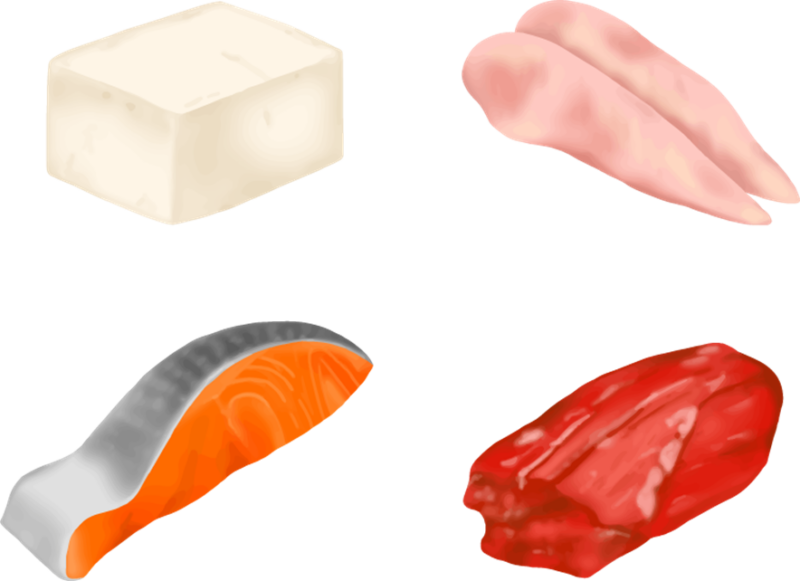
Rather than severely limiting protein, the goal should be to optimize protein quality. Animal proteins from lean meat, fish, eggs, and dairy provide complete amino acid profiles and are efficiently utilized by the body. We particularly recommend squid and octopus, which are rich in taurine—an amino acid with documented liver-protective properties. At our clinic, we have observed clinical evidence suggesting that taurine combined with L-carnitine can support improvements in liver function markers.
For patients with advanced kidney disease who require genuine protein restriction, a specialist dietitian should determine the appropriate intake level based on current kidney function tests rather than applying blanket restrictions.
2. Avoid Excessive Sodium Restriction

Sodium restriction is commonly recommended for both liver and kidney disease, particularly when fluid retention is present. However, extreme sodium restriction can impair appetite and lead to inadequate overall food intake. For patients whose primary issue is fatty liver rather than advanced cirrhosis or kidney failure, reducing sugar intake is often more impactful than aggressive sodium reduction. Addressing blood sugar spikes decreases the metabolic load on both organs while allowing patients to maintain a satisfying and varied diet.
3. Prioritize Anti-Inflammatory Foods
Omega-3 fatty acids from fatty fish (salmon, sardines, mackerel), along with vegetables, mushrooms, and seaweed, provide anti-inflammatory compounds that benefit both liver and kidney tissue. Chronic low-grade inflammation is a driver of fibrosis in both organs, and dietary strategies that reduce oxidative stress and inflammation support long-term organ preservation.
4. Stay Adequately Hydrated
The kidney requires sufficient fluid to filter waste products effectively. Unless fluid restriction has been explicitly prescribed due to severe ascites or advanced kidney failure, patients should aim to drink adequate water throughout the day. Dehydration impairs kidney function and can increase the concentration of waste products that the liver must process.
The Role of Personalized Nutritional Guidance
The balance of nutrient recommendations for liver and kidney disease is highly individual. The appropriate protein intake for a patient with Child-Pugh A cirrhosis differs markedly from that for a patient on dialysis. Blood tests including BUN, creatinine, albumin, and ammonia levels should guide adjustments.
For patients with advanced liver disease who have not responded to conventional treatment, regenerative medicine using adipose-derived stem cells offers an additional therapeutic avenue. Stem cell therapy targets the underlying fibrotic process in the liver, potentially improving hepatic function and reducing the secondary kidney burden that accompanies severe liver disease.
Conclusion
Caring for both liver and kidney simultaneously requires nuance rather than restriction. The goal is not to eliminate food groups but to select high-quality nutrients that support both organs without overwhelming either. If you have been diagnosed with liver or kidney disease, or if your blood tests show abnormalities in both, I encourage you to consult a specialist for a personalized nutrition plan—one that works with your body rather than against

さいとう内科クリニック
院長:斉藤 雅也 Masaya Saito
- 日本内科学会認定医
- 日本肝臓学会専門医
- 日本消化器病学会専門医
- 日本超音波医学会専門医
- 日本消化器内視鏡学会専門医
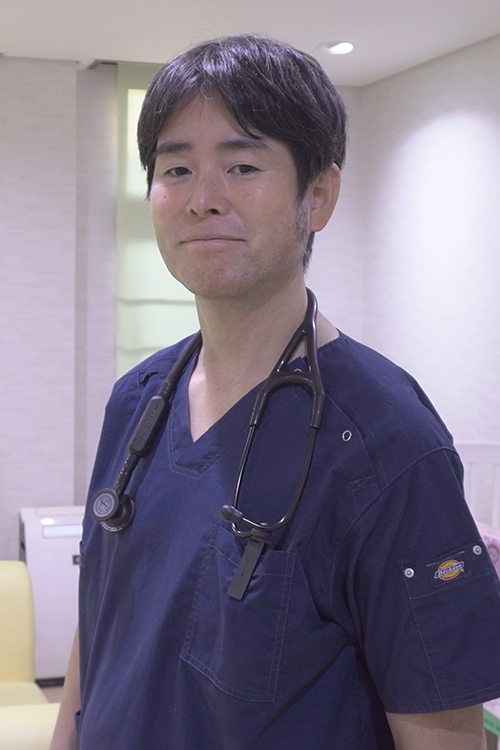
神戸大学医学部附属病院等の最前線で長年消化器・肝臓内科の臨床と研究に従事。医学博士。 標準治療では回復が困難な進行した肝炎や肝硬変に対し、新たな選択肢としての「肝臓再生医療」にいち早く取り組む。また、肝硬変患者さまの中で合併症(潜在性肝性脳症)を有する割合を明らかにし、カルニチンによる潜在性肝性脳症の治療効果を世界で初めて報告するなど、国際的な英文医学誌への論文掲載実績も多数(代表論文:Hepatol Res 2016; 46(2): 215-224)。科学的根拠に基づいた高度な専門知識と精緻な診断で、患者様の肝臓を守るサポートを行っています。
≫ 詳しい経歴や全研究実績はこちら
- 院長
- 斉藤雅也 Masaya Saito
日本肝臓学会 肝臓病専門医 Hepatologist, The Japan Society of Hepatology - 所在地
- 〒651-2412
兵庫県神戸市西区竜が岡1-15-3
(駐車場18台あり) - 電話
-
- 電話:078-967-0019
- 携帯電話:080-7097-5109
- アクセス
- 当院は、神戸市西区と明石市の境界付近に位置しており、明石市からも徒歩圏内です。実際に、明石市方面からも多くの患者様(肝臓病・一般内科)にご来院いただいております。駐車場も完備しておりますので、お車での通院も便利です。