
- 2026年11月4日
Warning Signs of Liver Failure: From Early to Advanced Symptoms, Explained by a Liver Specialist

What Is Liver Failure?

Liver failure is defined as a state in which widespread destruction of hepatocytes (liver cells) has rendered the liver unable to perform the metabolic, synthetic, and detoxification functions essential to sustaining life. It represents the end stage of a spectrum that typically begins with conditions such as fatty liver, viral hepatitis, or alcoholic liver disease, and progresses through fibrosis and cirrhosis before reaching overt failure.
Understanding the distinction between liver cirrhosis and liver failure is clinically important. Cirrhosis refers to the structural replacement of functional liver tissue with scar tissue—a process that can remain compensated for years. Liver failure occurs when the remaining functional hepatocyte mass becomes insufficient to meet the body’s needs, even at rest.
Why Symptoms Appear Late—The Silent Organ Phenomenon
The liver has enormous functional reserve. Clinical symptoms typically do not appear until liver function has declined to approximately 30–40% of normal capacity. This is why the liver is called the “silent organ”: it can sustain significant damage while providing no warning through pain or obvious symptoms. By the time symptoms become apparent, substantial—and potentially irreversible—liver damage has often already occurred.
This biological reality underscores the importance of regular liver function testing even in the absence of symptoms, particularly for individuals with known risk factors including chronic hepatitis B or C infection, non-alcoholic fatty liver disease, alcoholic liver disease, or a family history of liver cancer.
Early Symptoms of Liver Failure
Early-stage liver dysfunction produces symptoms that are vague and easily attributed to other causes, including:
• Persistent generalized fatigue that is not relieved by rest
• Loss of appetite, nausea, or a vague sense of digestive discomfort
• Mild right upper abdominal discomfort or heaviness
• Unexplained weight loss
• Low-grade fever in some patients
These symptoms are frequently dismissed as signs of overwork, stress, or gastrointestinal upset. However, if they persist without clear explanation, liver function testing is warranted.
Intermediate and Progressive Symptoms
As liver function continues to decline, more specific symptoms emerge:
• Pruritus (generalized itching): caused by bile salt accumulation in the skin when bile excretion is impaired
• Dark urine and pale stools: reflecting impaired bilirubin excretion
• Easy bruising or prolonged bleeding from minor cuts: due to decreased synthesis of clotting factors
• Spider angiomas: small dilated blood vessels visible beneath the skin, particularly on the chest and face
• Palmar erythema: redness of the palms caused by altered estrogen metabolism
Advanced (End-Stage) Symptoms
When liver failure becomes severe, life-threatening complications develop:
Jaundice

Yellowing of the skin, whites of the eyes, and mucous membranes occurs when the liver can no longer process bilirubin—the breakdown product of hemoglobin. Jaundice that appears suddenly or deepens rapidly is a medical emergency.
Ascites

Fluid accumulation in the abdominal cavity results from portal hypertension combined with decreased albumin synthesis. The abdomen becomes visibly distended, and patients often report early satiety, breathlessness, and discomfort. Severe ascites can become resistant to diuretic therapy.
Peripheral Edema
Fluid accumulates in the legs and ankles due to reduced albumin production and impaired kidney function secondary to liver failure. The edema may be substantial, making walking difficult.
Hepatic Encephalopathy
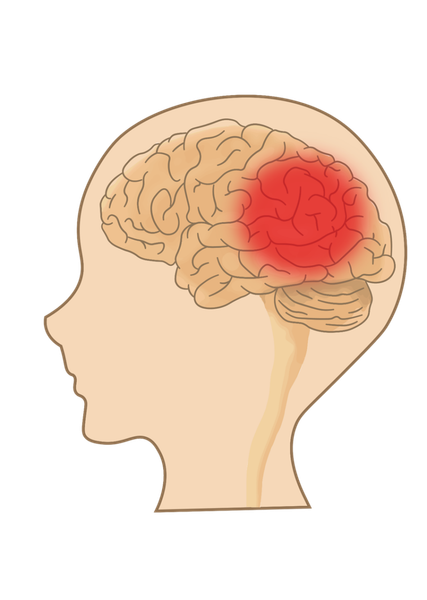
When the liver can no longer neutralize ammonia produced by gut bacteria and protein metabolism, ammonia crosses the blood-brain barrier and impairs neurological function. Early encephalopathy presents as subtle personality changes, mood disturbance, and impaired concentration. Advanced encephalopathy can produce confusion, asterixis (flapping tremor of the hands), disorientation, stupor, and ultimately coma.
Increased Bleeding Risk
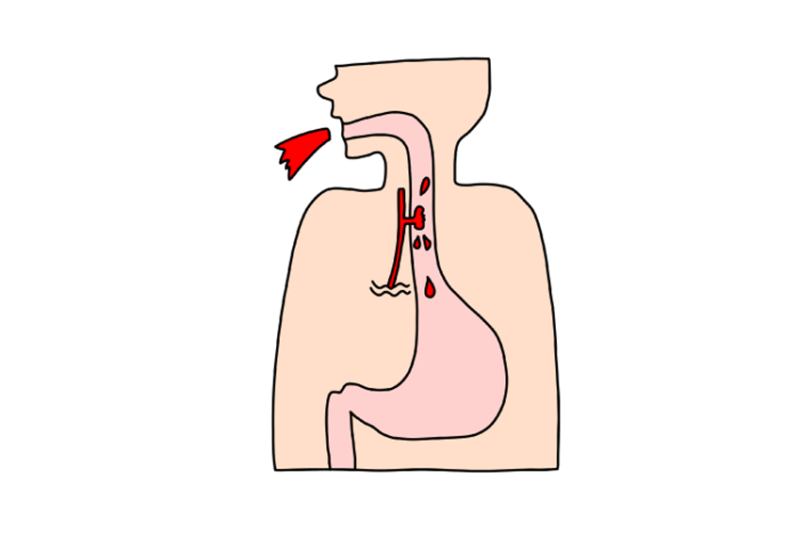
Severe reduction in clotting factor synthesis leads to spontaneous bruising, gum bleeding, and potentially dangerous gastrointestinal hemorrhage—particularly from esophageal varices that develop as a consequence of portal hypertension.
Treatment Approaches
Management of liver failure requires addressing the underlying cause, controlling complications, and providing nutritional support. Specific interventions include:
• Antiviral therapy for hepatitis B or C-related liver disease
• Alcohol cessation and support for alcohol-related liver disease
• Diuretics and sodium restriction for ascites management
• Lactulose, rifaximin, and dietary protein modification for hepatic encephalopathy
• Vitamin K or fresh frozen plasma for coagulopathy
• Regular endoscopic surveillance and prophylaxis for esophageal varices
For end-stage liver failure unresponsive to all other treatments, liver transplantation remains the only definitive curative option. However, donor availability is extremely limited in Japan, and many patients face long waiting periods or do not qualify due to age, concurrent illness, or tumor criteria.
For patients who are awaiting transplantation or who do not qualify, stem cell-based regenerative medicine offers a potential alternative or bridging strategy. At our clinic, adipose-derived stem cell therapy aims to reduce liver inflammation, slow fibrosis progression, and improve residual hepatic function, potentially improving quality of life and functional status.
Conclusion

Liver failure is a serious condition that develops silently over years before producing overt symptoms. Regular liver function testing, prompt evaluation of persistent fatigue or digestive symptoms, and early specialist referral for known liver disease are the most effective strategies for preventing progression to failure. If you recognize any of the symptoms described in this article, please do not delay seeking medical evaluation.
さいとう内科クリニック
院長:斉藤 雅也 Masaya Saito
- 日本内科学会認定医
- 日本肝臓学会専門医
- 日本消化器病学会専門医
- 日本超音波医学会専門医
- 日本消化器内視鏡学会専門医

神戸大学医学部附属病院等の最前線で長年消化器・肝臓内科の臨床と研究に従事。医学博士。 標準治療では回復が困難な進行した肝炎や肝硬変に対し、新たな選択肢としての「肝臓再生医療」にいち早く取り組む。また、肝硬変患者さまの中で合併症(潜在性肝性脳症)を有する割合を明らかにし、カルニチンによる潜在性肝性脳症の治療効果を世界で初めて報告するなど、国際的な英文医学誌への論文掲載実績も多数(代表論文:Hepatol Res 2016; 46(2): 215-224)。科学的根拠に基づいた高度な専門知識と精緻な診断で、患者様の肝臓を守るサポートを行っています。
≫ 詳しい経歴や全研究実績はこちら
- 院長
- 斉藤雅也 Masaya Saito
日本肝臓学会 肝臓病専門医 Hepatologist, The Japan Society of Hepatology - 所在地
- 〒651-2412
兵庫県神戸市西区竜が岡1-15-3
(駐車場18台あり) - 電話
-
- 電話:078-967-0019
- 携帯電話:080-7097-5109
- アクセス
- 当院は、神戸市西区と明石市の境界付近に位置しており、明石市からも徒歩圏内です。実際に、明石市方面からも多くの患者様(肝臓病・一般内科)にご来院いただいております。駐車場も完備しておりますので、お車での通院も便利です。