
- 2026年11月4日
Flagged at Your Health Checkup? Total Bilirubin, Jaundice, and Your Liver’s Distress Signals
What Does an Elevated Total Bilirubin Mean?
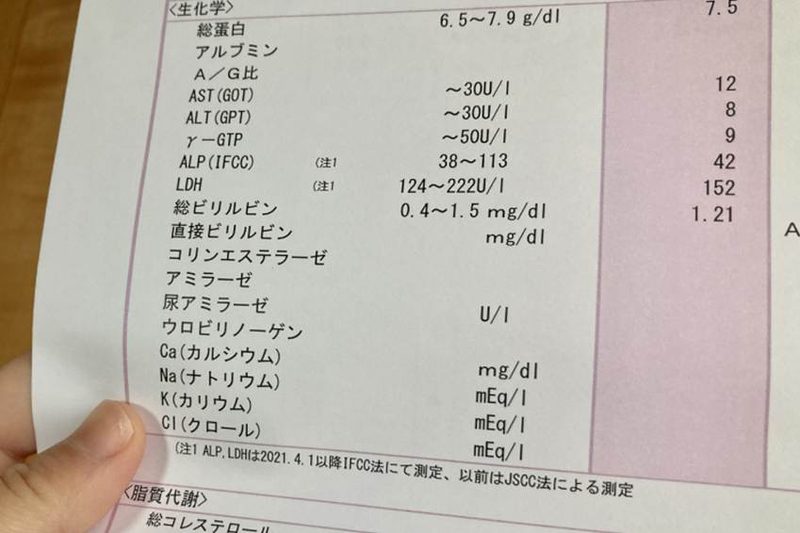
If your annual health checkup report includes a note that your total bilirubin (T-Bil) is elevated, or that further evaluation is recommended, it is important not to dismiss this finding as minor. Bilirubin is a yellow pigment produced when aging red blood cells are broken down, and its level in the blood is a direct indicator of how effectively the liver and bile duct system are functioning.
Under normal circumstances, bilirubin produced from red blood cell breakdown is transported to the liver, where it is processed (conjugated) and excreted into the bile, eventually passing through the digestive tract and leaving the body in stool (giving stool its characteristic brown color). When any step in this process is disrupted—due to liver disease, bile duct obstruction, or excessive red blood cell destruction—bilirubin accumulates in the blood and may appear in the skin and eyes as jaundice.
The Normal Range and What Exceeding It Signals
Total bilirubin in healthy adults is typically 0.2–1.2 mg/dL. Values above this range indicate that bilirubin is being produced faster than the body can process and excrete it, or that the processing and excretion pathways are impaired.
Bilirubin exists in two forms. Indirect (unconjugated) bilirubin predominates when red blood cell destruction is excessive (hemolysis). Direct (conjugated) bilirubin predominates when the problem lies in the liver’s processing capacity or in bile duct obstruction. Distinguishing between these forms helps identify the underlying cause.
Principal Causes of Elevated Bilirubin
Liver Disease
Conditions that damage hepatocytes—including viral hepatitis (B and C), alcoholic liver disease, drug-induced liver injury, fatty liver hepatitis (MASH), and cirrhosis—impair the liver’s ability to conjugate and excrete bilirubin. As liver function declines, bilirubin accumulates progressively. In cirrhosis, significantly elevated bilirubin (greater than 3 mg/dL) is incorporated into the Child-Pugh severity classification, reflecting its value as a prognostic marker.
Bile Duct Obstruction
Gallstones, tumors (particularly pancreatic or bile duct cancer), or inflammatory strictures that block the flow of bile cause direct bilirubin to back up into the bloodstream. This type of obstruction typically produces a distinctive clinical picture: jaundice combined with pale stools (due to absent bile pigment) and dark urine (due to bilirubin excretion through the kidney).
Hemolytic Conditions
When red blood cells are destroyed at an accelerated rate—due to autoimmune hemolytic anemia, certain medications, or hereditary red blood cell disorders—the liver is overwhelmed with indirect bilirubin even though its own processing capacity is intact. In these cases, liver enzymes may be normal despite elevated bilirubin.
Jaundice: When to Seek Immediate Attention
Jaundice (yellowing of the skin, the whites of the eyes, or the oral mucosa) becomes clinically visible when total bilirubin exceeds approximately 2–3 mg/dL. Its appearance means that a significant liver or biliary abnormality is already present. The following scenarios warrant urgent medical evaluation:
• Jaundice appearing or deepening rapidly over days
• Jaundice accompanied by high fever and right upper quadrant pain (suggesting acute cholangitis, a potentially life-threatening infection)
• Jaundice with confusion or altered consciousness (suggesting hepatic encephalopathy)
• Jaundice in a patient with known cirrhosis (indicating acute decompensation)
“No symptoms, so it must be fine” is a dangerous assumption when the liver is concerned. Because the liver has no pain receptors and enormous functional reserve, jaundice can appear suddenly even in individuals who felt completely well the day before, reflecting underlying disease that has been silently progressing.
What to Expect from Further Evaluation
If your health checkup identified an elevated bilirubin value, a thorough evaluation typically includes:
• Repeat liver function panel including AST, ALT, ALP, γ-GTP, albumin, and total bilirubin
• Fractionation of bilirubin (direct vs. indirect) to identify the mechanism
• Abdominal ultrasound to assess liver size, texture, bile duct dilation, and gallstones
• Hepatitis B surface antigen and hepatitis C antibody testing if not previously tested
• Additional imaging (CT, MRI) if bile duct obstruction or a mass lesion is suspected
Treatment and Ongoing Management
Treatment depends entirely on the underlying cause identified through evaluation. Viral hepatitis may be treated with antiviral medications; bile duct obstruction may require endoscopic or surgical intervention; fatty liver disease is primarily managed through lifestyle modification. For advanced liver disease with persistent bilirubin elevation, specialist follow-up is essential to monitor for further decompensation and to plan appropriate management.
For patients with advanced cirrhosis unresponsive to conventional treatment, our clinic offers stem cell-based regenerative medicine as an additional option, aiming to reduce liver inflammation and improve residual hepatic synthetic function, including bilirubin processing capacity.
Conclusion
An elevated total bilirubin at your health checkup is your liver’s way of sending a signal that something requires attention. Please do not dismiss this finding or wait for symptoms to develop before seeking evaluation. Early specialist review can identify the cause, guide appropriate treatment, and—most importantly—intervene before irreversible damage occurs.
さいとう内科クリニック
院長:斉藤 雅也 Masaya Saito
- 日本内科学会認定医
- 日本肝臓学会専門医
- 日本消化器病学会専門医
- 日本超音波医学会専門医
- 日本消化器内視鏡学会専門医
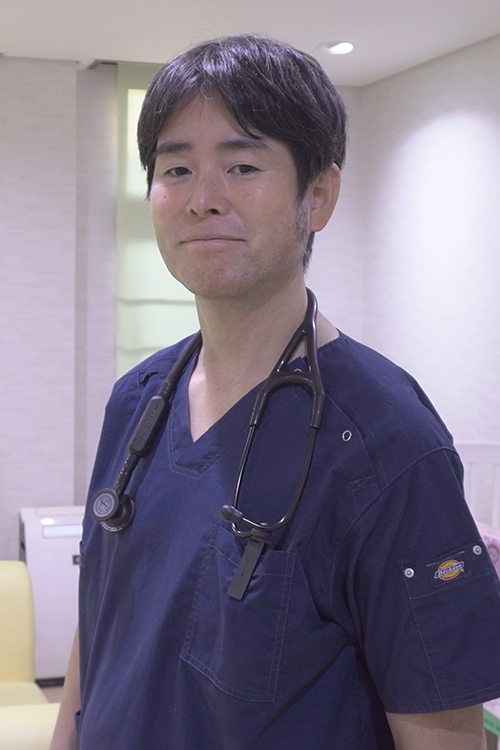
神戸大学医学部附属病院等の最前線で長年消化器・肝臓内科の臨床と研究に従事。医学博士。 標準治療では回復が困難な進行した肝炎や肝硬変に対し、新たな選択肢としての「肝臓再生医療」にいち早く取り組む。また、肝硬変患者さまの中で合併症(潜在性肝性脳症)を有する割合を明らかにし、カルニチンによる潜在性肝性脳症の治療効果を世界で初めて報告するなど、国際的な英文医学誌への論文掲載実績も多数(代表論文:Hepatol Res 2016; 46(2): 215-224)。科学的根拠に基づいた高度な専門知識と精緻な診断で、患者様の肝臓を守るサポートを行っています。
≫ 詳しい経歴や全研究実績はこちら
- 院長
- 斉藤雅也 Masaya Saito
日本肝臓学会 肝臓病専門医 Hepatologist, The Japan Society of Hepatology - 所在地
- 〒651-2412
兵庫県神戸市西区竜が岡1-15-3
(駐車場18台あり) - 電話
-
- 電話:078-967-0019
- 携帯電話:080-7097-5109
- アクセス
- 当院は、神戸市西区と明石市の境界付近に位置しており、明石市からも徒歩圏内です。実際に、明石市方面からも多くの患者様(肝臓病・一般内科)にご来院いただいております。駐車場も完備しておりますので、お車での通院も便利です。