
- 2026年6月6日
What Are the Early Symptoms of Liver Dysfunction? Warning Signs and the Importance of Early Detection

“I’ve been feeling kind of tired lately…”
“Maybe I have no appetite because I’m just too busy and exhausted from work?”
These are physical signs that are easy to overlook. However, they might actually be an SOS from your liver, often referred to as the “silent organ.”
In its early stages, liver dysfunction rarely presents noticeable symptoms. It is not uncommon for the condition to have already progressed by the time it is finally noticed. However, with early detection and appropriate care, it is possible to prevent it from worsening or even to improve the condition.
In this article, we will explain in detail the subtle early symptoms of liver dysfunction, key points to ensure you don’t miss them, and the importance of early detection. If you have had liver enzyme abnormalities pointed out during a health checkup, or if you feel even the slightest concern about your daily health, please read to the end.
What Does the Liver Do?
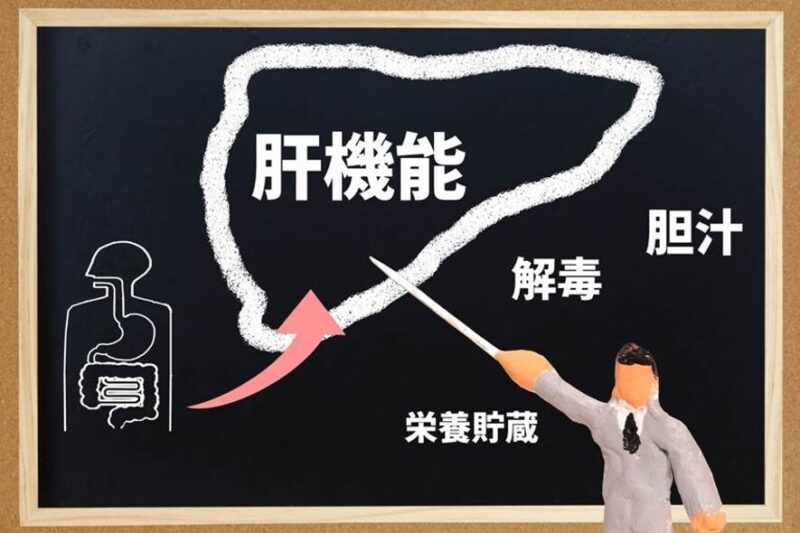
First, let’s briefly review how crucial the liver is to our bodies. The liver primarily plays the following three essential roles:
- Metabolism: It converts nutrients obtained from food into forms the body can use and stores them.
- Detoxification: It breaks down and detoxifies alcohol, medications, and harmful substances produced within the body.
- Production and Secretion of Bile: It produces bile, which helps in the digestion and absorption of fats.
As you can see, the liver performs numerous functions vital for sustaining life, truly acting as the “body’s chemical factory.” A state in which this liver function declines for some reason is called “liver dysfunction.”
What Causes Liver Dysfunction? Hidden Everyday Risks
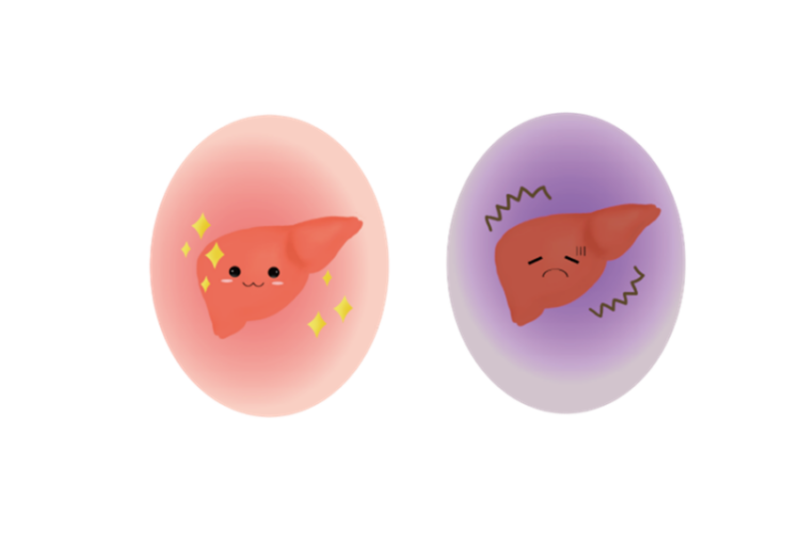
While there are various causes of liver dysfunction, the following three have garnered particular attention in recent years:
- Viral Infection: Infection with Hepatitis B, Hepatitis C, etc.
- Excessive Alcohol Consumption: Alcoholic liver disease (fatty liver, hepatitis, liver cirrhosis) caused by long-term heavy drinking.
- Lifestyle Habits: Fatty liver caused by overeating and a lack of exercise. In particular, Non-Alcoholic Fatty Liver Disease (NAFLD)—which occurs even in people who do not drink alcohol—and Non-Alcoholic Steatohepatitis (NASH), which progresses from NAFLD, are on the rise.
These can happen to anyone and can be considered very common, everyday risks.
Don’t Miss Them! “Warning Early Signs” of Liver Dysfunction
This is the most important point. Just as it is called the “silent organ,” the liver rarely shows symptoms in the early stages. However, there are “signs” you might notice if you pay close attention.
【Caution! Signs Hidden in “General Unwellness”]
| ・General malaise / Fatigue: Symptoms like “I don’t feel rested even after sleeping enough” or “my body feels heavy and sluggish” might be a sign that declining liver function is preventing proper energy production or allowing fatigue-inducing substances to accumulate. It is easily mistaken for a cold or simple exhaustion, but if it persists, you need to be careful. ・Loss of appetite / Nausea: Even if you feel like your stomach is acting up, your liver might actually be the culprit. ・Abdominal bloating: A vague feeling of tightness in the stomach. This can sometimes be seen in the early stages of alcoholic fatty liver. |
【Signs That May Appear as the Condition Progresses】
If you are experiencing these symptoms, there is a possibility that the condition has already progressed to some extent.
| ・Jaundice: The skin and the whites of the eyes take on a yellowish tint. ・Edema (Swelling): Especially prone to swelling in the legs and feet. ・Darkening of urine color: The urine becomes a dark, beer-like brown. ・Itchy skin: Itchiness all over the body. ・Palmar erythema: The palms of the hands become unusually red. ・Spider angioma: Red, spider web-like blood vessels appear around the chest or shoulders. |
Important: These symptoms are not always caused exclusively by liver dysfunction. However, it is vital not to self-diagnose, thinking “it’s the usual” or “it’ll go away on its own.” Instead, suspect that it might be a signal from your liver.
Why is “Early Detection” So Important?
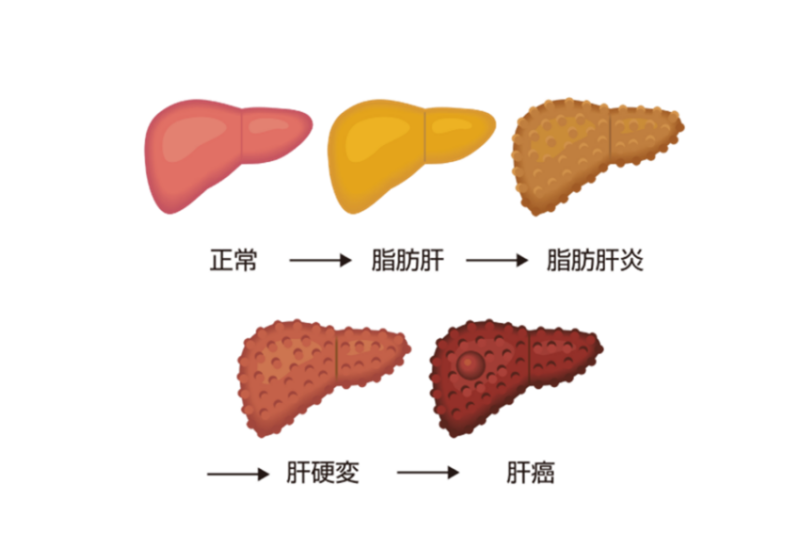
Given that liver dysfunction rarely presents symptoms, why is early detection so crucial?
- To Prevent Aggravation: If left untreated, the risk of liver dysfunction progressing from chronic hepatitis to liver cirrhosis, and eventually to liver cancer, increases. Fatty liver, in particular, is often dismissed as “just being overweight,” but a portion of NAFLD cases progress to NASH, which can lead to cirrhosis and liver cancer. Alcoholic liver disease will also steadily worsen if drinking continues.
- To Increase the Chances of Improvement and Recovery: The earlier it is caught, the higher the expectations for improvement through treatment.
- Fatty Liver: There is a possibility of returning to a normal state through lifestyle improvements such as abstinence from or moderation of alcohol, dietary therapy, and exercise therapy.
- Viral Hepatitis: In recent years, effective therapeutic drugs have emerged, making it possible to eliminate the virus or suppress its activity.
Do not assume you are fine just because there are no symptoms. Discovering risks early and taking action is the key to preventing serious illnesses in the future.
What You Can Do Starting Today for Early Detection

So, how can we detect symptomless liver dysfunction early?
- Get regular health checkups: This is the most reliable and important method. Check your liver function values such as AST (GOT), ALT (GPT), and γ-GTP through blood tests. Even if they fall within the reference range, it is important to monitor changes in the numbers year by year. Undergo an abdominal ultrasound (echo) examination if necessary, which can check for the presence of fatty liver.
- Pay attention to changes in your physical condition: Don’t overlook “persistent feelings of unwellness.” You need to be especially careful if unexplained fatigue or loss of appetite continues.
- Understand your risk factors:
- Drinking habits: If you drink, be conscious of keeping it to a moderate amount (about 20g of pure alcohol per day: equivalent to one medium bottle of beer or 180ml of sake). Women and those with a low tolerance for alcohol need to be careful even with smaller amounts.
- Lifestyle habits: If you are slightly obese, lack exercise, or often eat sweets or greasy foods, be aware that you have a higher risk of fatty liver.
- Others: Be sure to check your past history of blood transfusions, family history of liver disease, etc.
- If you have concerning symptoms, visit a medical institution without hesitation: If you feel “something is a little off,” do not self-diagnose; visit an internal medicine or gastroenterology clinic. Early consultation leads to early detection and early treatment.
Summary
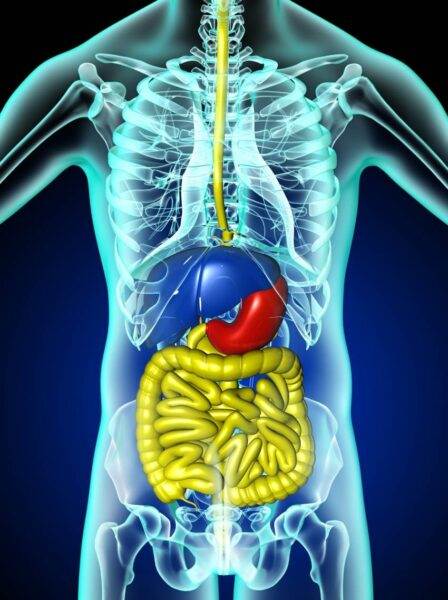
Liver dysfunction is a “silent disease” with almost no early symptoms. However, if left untreated, it can progress to serious conditions such as liver cirrhosis and liver cancer.
An SOS signal from your liver may be hidden within everyday ailments like “sluggishness” or “fatigue.” To ensure you don’t miss these signs and to facilitate early detection, regular health checkups and an awareness of daily changes in your physical condition are essential.
We hope this article serves as an opportunity for you to think about your liver health and review your lifestyle habits. If you have any concerns, never leave them untreated—consult a specialist early on.
Information on Online Preliminary Consultations
さいとう内科クリニック
院長:斉藤 雅也 Masaya Saito
- 日本内科学会認定医
- 日本肝臓学会専門医
- 日本消化器病学会専門医
- 日本超音波医学会専門医
- 日本消化器内視鏡学会専門医

神戸大学医学部附属病院等の最前線で長年消化器・肝臓内科の臨床と研究に従事。医学博士。 標準治療では回復が困難な進行した肝炎や肝硬変に対し、新たな選択肢としての「肝臓再生医療」にいち早く取り組む。また、肝硬変患者さまの中で合併症(潜在性肝性脳症)を有する割合を明らかにし、カルニチンによる潜在性肝性脳症の治療効果を世界で初めて報告するなど、国際的な英文医学誌への論文掲載実績も多数(代表論文:Hepatol Res 2016; 46(2): 215-224)。科学的根拠に基づいた高度な専門知識と精緻な診断で、患者様の肝臓を守るサポートを行っています。
≫ 詳しい経歴や全研究実績はこちら
- 院長
- 斉藤雅也 Masaya Saito
日本肝臓学会 肝臓病専門医 Hepatologist, The Japan Society of Hepatology - 所在地
- 〒651-2412
兵庫県神戸市西区竜が岡1-15-3
(駐車場18台あり) - 電話
-
- 電話:078-967-0019
- 携帯電話:080-7097-5109
- アクセス
- 当院は、神戸市西区と明石市の境界付近に位置しており、明石市からも徒歩圏内です。実際に、明石市方面からも多くの患者様(肝臓病・一般内科)にご来院いただいております。駐車場も完備しておりますので、お車での通院も便利です。