
- 2026年7月2日
- 2026年7月14日
What Happens When You Stop Drinking? A Timeline Until Your Liver is Cleansed in One Month of Abstinence and How Your Life Changes

Hello.
I am Masaya Saito, Director of Saito Clinic of Internal Medicine in Nishi-ku, Kobe.
“How does the body change when you stop drinking?” “How long does it take for the liver to recover after quitting alcohol?” Many people probably wonder about this. Actually, when you start abstaining from alcohol, your body begins to change at an incredibly fast pace. In this article, I will explain the physical changes after quitting alcohol on a daily and weekly basis in an easy-to-understand manner. As a hepatologist (liver disease specialist), I will also share the mechanism of how the liver “becomes clean” and how abstaining from alcohol can change your life.
What Happens to the Body When You Stop Drinking? Timeline from Immediately After Quitting to 1 Month
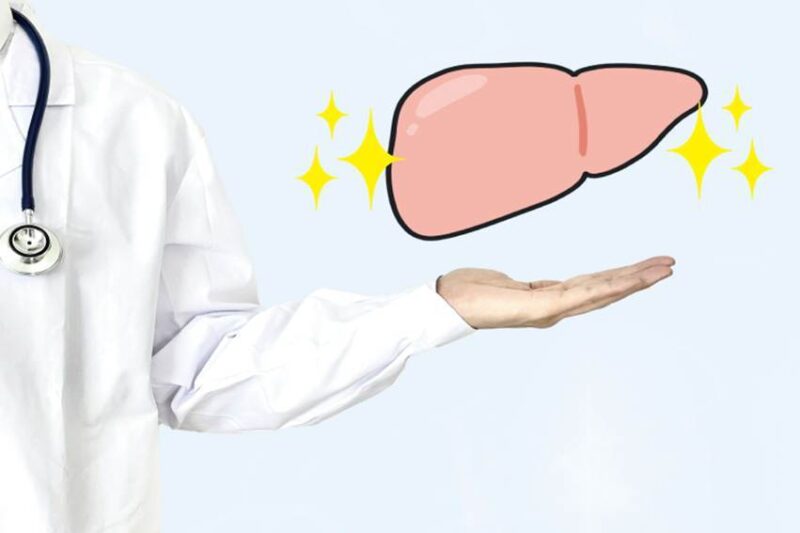
[Days 1-3 of Abstinence: Beware of Withdrawal Symptoms]
For long-term heavy drinkers, “withdrawal symptoms” such as hand tremors, sweating, insomnia, and anxiety may appear immediately after quitting alcohol. In severe cases, there is a risk of convulsions and delirium (alcohol withdrawal delirium), requiring management at a medical institution. On the other hand, those who have a habit of drinking only a few times a week rarely experience withdrawal symptoms.
[1 Week of Abstinence: Sleep Quality Begins to Improve]
Drinking alcohol before bedtime disrupts deep non-REM sleep, making it easier to wake up in the middle of the night. After one week of abstinence, many people feel that their “sleep has become deeper” and “waking up in the morning has improved.” Facial swelling goes down, and bloodshot eyes also begin to improve.
[2 Weeks of Abstinence: Liver Values Begin to Improve]
AST (GOT), ALT (GPT), and gamma-GTP levels begin to decrease. This is especially prominent in cases of alcoholic hepatitis, with some people seeing their numbers drop by nearly half in just two weeks. Many people feel that their physical sluggishness has disappeared and their concentration has returned.
[1 Month of Abstinence: Improvement in Fatty Liver Becomes Visible]
According to research, it has been confirmed that the amount of fat in the liver decreases by an average of about 15% after one month of abstinence. Skin texture improves, and many people notice a reduction in dullness and yellowing. Body weight decreases by an average of 1 to 3 kg (due to the elimination of alcohol calories plus the resolution of swelling).
[Deep Dive by a Hepatologist: Decreasing Visceral Fat is More Important Than Weight Loss]
Losing weight by quitting alcohol is a wonderful change, but what you should really focus on is not your outward appearance, but the reduction of visceral fat (fatty liver). My clinical research has shown that “hidden obesity,” where visceral fat accumulates even if a person does not look overweight outwardly, negatively affects future survival rates and prognosis. Do not just rejoice or despair over weight fluctuations; cleansing the inside of your liver is a sure shortcut to health and longevity.
Source:
J Cancer Ther 2015; 6: 1124-1136
[3 Months of Abstinence: Weight and Blood Pressure Normalize]
Body weight decreases by an average of 3 to 5 kg, and more people see improvements in high blood pressure. Many people see their AST (GOT), ALT (GPT), and gamma-GTP return to almost normal values, and there are increasing cases where improvement in fatty liver can be confirmed by an abdominal ultrasound.
[Half a Year to 1 Year+ of Abstinence: Mild to Moderate Fatty Liver is Almost Normalized]
In the case of alcoholic fatty liver, there is a possibility that it will return to almost normal after half a year to a year of abstinence. If it is mild fibrosis (the stage before liver cirrhosis), it may gradually improve over time. However, advanced liver cirrhosis is difficult to recover from, so early abstinence and early therapeutic intervention are incredibly important.
The Mechanism by Which the Liver “Becomes Clean”

The liver is the only organ in the human body capable of “self-regeneration.” Liver cells are replaced in about 150 to 200 days. Quitting alcohol sets the following mechanisms in motion:
1. Liver Cell Damage by Acetaldehyde Becomes Zero
When alcohol is broken down in the liver, a toxic substance called acetaldehyde is generated. This damages the DNA of liver cells, causing inflammation and fibrosis. Abstaining from alcohol stops this harmful process entirely.
2. Metabolism of Sugars and Fats Resumes
Because alcohol is preferentially used as an energy source, the burning of sugars and fats is postponed. Quitting alcohol normalizes sugar and fatty acid metabolism, which improves diabetes and reduces the fat stored within the liver.
[Deep Dive by a Hepatologist: Normalization of Energy Metabolism Determines Lifespan]
When the liver is no longer overwhelmed with processing the harmful substance of alcohol, the liver’s original energy metabolism (npRQ) begins to function smoothly. In my clinical research, I have clarified that the quality of this energy metabolism and nutritional status is directly linked to subsequent long-term survival rates. Increasing the metabolic efficiency of the liver through abstinence from alcohol means not just improving numbers, but holds extremely important significance in elevating the vital energy of the entire body.
Source:
J Gastroenterol 2012; 47(10): 1134-1142
3. Regeneration of Liver Cells is Activated
Freed from the toxicity of alcohol, the liver activates a regenerative process that replaces damaged cells with new liver cells. In addition, the balance of intestinal bacteria improves, and inflammatory signals sent to the liver through the enterohepatic circulation are also reduced.
[A Hepatologist’s Perspective: Why There Are Individual Differences in Liver Recovery After Quitting Alcohol]
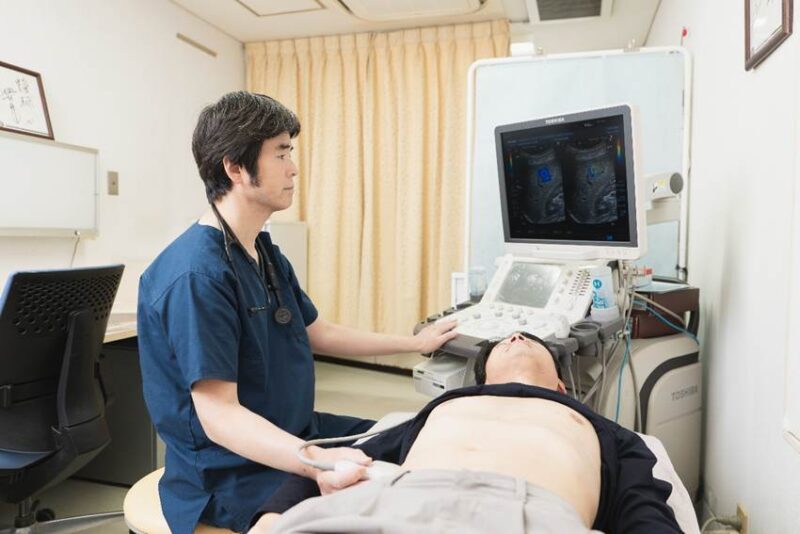
Even with the same amount and duration of drinking, there are large individual differences in the speed of recovery. Genetic alcohol metabolism capacity (ALDH2 activity), obesity, diabetes, and complications from viral hepatitis all affect the recovery speed. If liver cirrhosis has already progressed, quitting alcohol alone is insufficient, and specialized treatment including regenerative medicine may be necessary. Accurately grasping the current situation with blood tests (AST, ALT, gamma-GTP, albumin, total bilirubin, PT, cholinesterase, platelet count), an abdominal ultrasound, and a liver stiffness measurement is the first step toward recovery.
[Deep Dive by a Hepatologist: Precise Data Evaluation for Those Who Love Alcohol]
For those who have habitually drunk alcohol or are tracking their progress after quitting, there is a drawback in that PIVKA-II, a liver cancer marker, can exceed standard values and show high levels due to the effects of alcohol alone. I have published research results on a new liver cancer marker, “NX-PVKA-R,” which is less susceptible to the effects of alcohol, and we have established a system to more precisely and accurately analyze the liver condition of those who like to drink.
Source:
Cancer Biomark 2016; 16(1): 171-180
7 Tips for Successful Alcohol Abstinence
- Write down “why you are quitting” on a piece of paper and put it on your refrigerator.
- Throw away or give away all the alcohol in your house (changing your environment is the most important step).
- Decide in advance on alternative actions for the “times you want to drink” (e.g., 6:00 PM -> take a walk, 8:00 PM -> take a bath).
- Record and manage your motivation with an alcohol abstinence app (like “Drinkless” or an “alcohol log”).
- Politely decline drinking parties for the first 1 to 2 weeks (avoid environmental temptations).
- Find a “reward drink” as a substitute (high-quality non-alcoholic beverages, herbal tea, etc.).
- Check the changes in your numbers with a blood test every month to “visualize” your improvement.
A Message from a Hepatologist
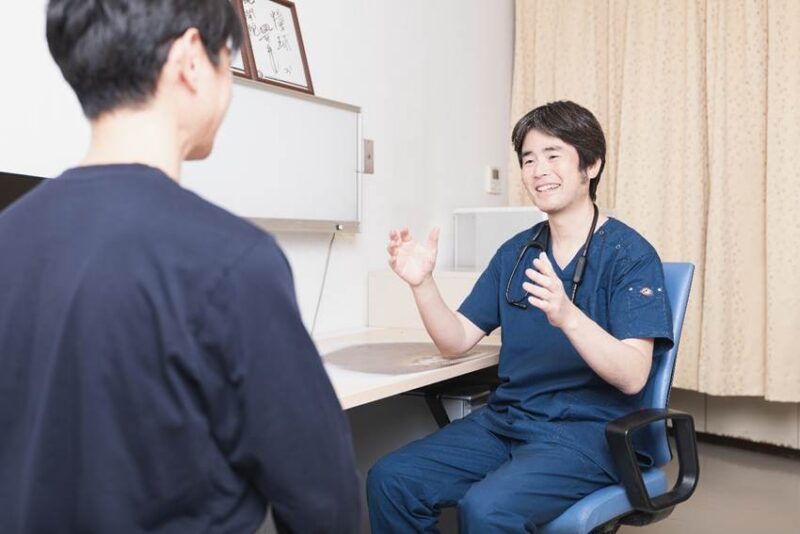
Quitting drinking is not “endurance” but an “act of recovery.” It is the most reliable way to regain lost sleep, physical strength, concentration, time, money, and liver health. After one month of abstinence, many people are surprised, saying, “I never thought I would change this much.”
At our clinic, to support your alcohol abstinence, we evaluate your current condition through blood tests and abdominal ultrasounds, and provide specialized counseling. For those whose recovery after quitting alcohol is not progressing well, or those who already have advanced liver dysfunction, we also propose regenerative medicine (stem cell therapy) as a viable option.
For Those Who Have Decided to Quit Drinking or Want to Know Their Liver Condition
At Saito Clinic of Internal Medicine, a specialist handles both alcohol abstinence support and liver evaluation.
- Check current liver values with a blood test.
- Evaluate the degree of fatty liver and fibrosis with an abdominal ultrasound.
- Receive regular monitoring to continue abstinence.
- Consult regarding regenerative medicine (stem cell therapy) as needed.
If you are worried about the state of your liver because you usually drink a lot, do not be paralyzed by the fear of knowing. Please come in for a consultation so we can face the reality and look forward positively together.
We conduct liver disease consultations every day at our clinic, so please do not hesitate to reach out.
Even patients who have developed liver cirrhosis and been told at other clinics that “there is nothing more that can be done” or who have been given a “life expectancy,” absolutely do not need to be pessimistic and give up.
Medical science is constantly advancing. Many things that were difficult to treat in the past can now be treated today. By combining not only conventional standard treatments but also “liver regenerative medicine,” we can strike at the core of the treatment.
We accept online consultations for those living far away. If you are unfamiliar with using a computer or smartphone, you are welcome to contact us by phone. Our clinic is highly experienced in both standard treatments and regenerative medicine for liver diseases. We hope to have meaningful conversations with patients troubled by liver diseases.

さいとう内科クリニック
院長:斉藤 雅也 Masaya Saito
- 日本内科学会認定医
- 日本肝臓学会専門医
- 日本消化器病学会専門医
- 日本超音波医学会専門医
- 日本消化器内視鏡学会専門医
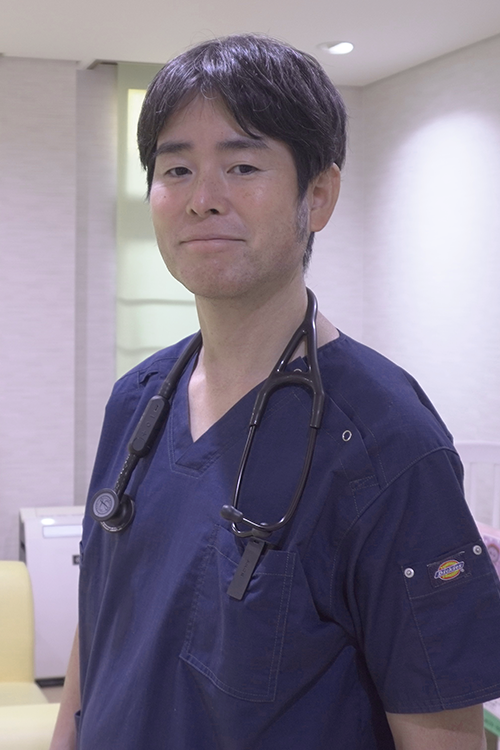
神戸大学医学部附属病院等の最前線で長年消化器・肝臓内科の臨床と研究に従事。医学博士。 標準治療では回復が困難な進行した肝炎や肝硬変に対し、新たな選択肢としての「肝臓再生医療」にいち早く取り組む。また、肝硬変患者さまの中で合併症(潜在性肝性脳症)を有する割合を明らかにし、カルニチンによる潜在性肝性脳症の治療効果を世界で初めて報告するなど、国際的な英文医学誌への論文掲載実績も多数(代表論文:Hepatol Res 2016; 46(2): 215-224)。科学的根拠に基づいた高度な専門知識と精緻な診断で、患者様の肝臓を守るサポートを行っています。
≫ 詳しい経歴や全研究実績はこちら
- 院長
- 斉藤雅也 Masaya Saito
日本肝臓学会 肝臓病専門医 Hepatologist, The Japan Society of Hepatology - 所在地
- 〒651-2412
兵庫県神戸市西区竜が岡1-15-3
(駐車場18台あり) - 電話
-
- 電話:078-967-0019
- 携帯電話:080-7097-5109
- アクセス
- 当院は、神戸市西区と明石市の境界付近に位置しており、明石市からも徒歩圏内です。実際に、明石市方面からも多くの患者様(肝臓病・一般内科)にご来院いただいております。駐車場も完備しておりますので、お車での通院も便利です。