
- 2026年7月2日
- 2026年7月14日
Is Itching at Night an SOS from Your Liver? Characteristics and Common Locations of Itching from Internal Diseases, and How to Tell It Apart from Dry Skin
Hello.
I am Masaya Saito, Director of Saito Clinic of Internal Medicine in Nishi-ku, Kobe.
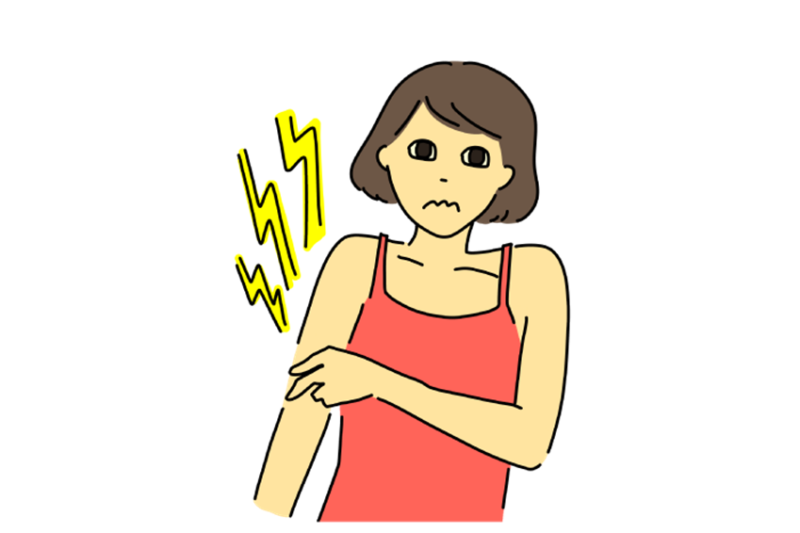
“My body suddenly gets itchy at night,” “My skin crawls only right around bedtime,” “I thought it was dry skin and moisturized, but it hasn’t improved at all”—do you have any of these concerns? Nighttime itching is easily confused with simple dry skin, but it can actually be an SOS sign from your liver or other internal organs.
In this article, from the perspective of a hepatologist (liver disease specialist), I will explain in detail the relationship between nighttime itching and the liver, the characteristics of itching caused by internal diseases, and how to distinguish it from dry skin.
■1. Why Does the Body Itch at Night? The Relationship with the Liver
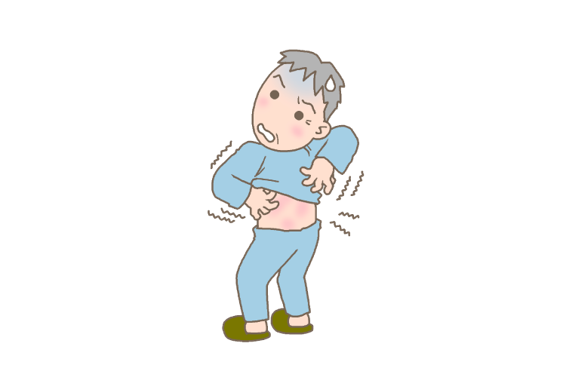
Behind the worsening of itching at night are two mechanisms: “a rise in body temperature” and “changes in the autonomic nervous system.” When your body temperature rises slightly before bedtime, blood flow to the skin increases, making sensory nerves more sensitive. Furthermore, at night when the parasympathetic nervous system becomes dominant, the sensation of itching is more easily amplified.
When itching is caused by the liver, another issue overlaps with this: the “accumulation of bile acids in the skin.” A healthy liver can process and excrete bile acids, but if there is an abnormality in the liver or bile ducts, bile acids overflow into the bloodstream and accumulate in the skin. These bile acids stimulate opioid receptors, triggering a severe itch.
In fact, approximately 20 to 40% of patients with liver disease experience chronic itching, which tends to worsen at night. It has also been confirmed that in liver disease, the itch receptors (C-fibers) in peripheral nerves become overactivated. A key characteristic is that it is difficult to treat with common anti-itch medications (antihistamines).
Deep Dive by a Hepatologist: Cholestasis and Itching from Intractable Diseases
I have reported in English medical journals on the diagnosis and treatment of extremely rare and complex cases complicated by Primary Biliary Cholangitis (PBC) and Autoimmune Hepatitis (AIH). In these intractable diseases, “cholestasis” (stagnation of bile flow) is prone to occur from the early stages, manifesting as stubborn nighttime itching all over the body. Not dismissing it as “just rough skin from fatigue or lack of sleep” and suspecting a specialized background is the first step to early detection.
Source:
Intern Med 2014; 53(2): 103-107
■2. Characteristics and Common Locations of Itching from Internal Diseases
| Disease Type | Common Locations | Key Characteristics |
| Liver & Bile Duct | Starts on palms/soles, spreads to the whole body | Intense itch without dry skin; scratching rarely causes hives (welts); heavily impacts sleep as it worsens at night. |
| Kidney | Back, lower back, thighs | Common in dialysis patients; caused by uremic toxins accumulating in the skin due to declining kidney function. |
| Thyroid | Whole body (especially the back and arms) | Often accompanied by sweating and palpitations; in hyperthyroidism (Graves’ disease), increased blood flow triggers the itch. |
| Diabetes | Genital area and around the anus | Prone to concurrent Candida infections; elevated blood sugar lowers the skin’s immune function, inviting infections. |
■3. How to Tell It Apart from Dry Skin

| Timing/Triggers | Worsens in winter or with air conditioning | Persists regardless of season or humidity |
| Effect of Moisturizer | Symptoms generally improve | No improvement |
| Skin Appearance | Flaky, powdery, and visibly dry | Looks normal (but may be accompanied by yellowing/jaundice) |
| OTC Anti-itch Meds | Often effective to some degree | Completely ineffective |
The biggest characteristic of itching from an internal disease is that there is an intense itch despite the skin looking perfectly normal. Furthermore, if it is accompanied by jaundice (yellowing of the skin or whites of the eyes), it is a highly urgent sign. If the itching worsens at night and over-the-counter anti-itch creams do absolutely nothing, you must suspect an internal disease.
Deep Dive by a Hepatologist: Internal Risks Hidden by Outward Appearance
If itching is accompanied by fatigue or feeling unwell, serious damage may be reaching the liver regardless of your outward body shape. In my clinical research, I have clarified that “hidden obesity,” where visceral fat accumulates even if one does not look overweight, negatively impacts long-term survival rates and prognosis. Do not assume “I’m skinny, so I have nothing to do with fatty liver or liver disease,” and take the SOS signs from your skin seriously.
J Cancer Ther 2015; 6: 1124-1136
■4. Liver Diseases Prone to Causing Itching
Many liver and biliary tract diseases cause itching. Primary Biliary Cholangitis (PBC) is an autoimmune disease where bile stagnates, causing itching. With bile duct obstructions and gallstones, the flow of bile physically stops, resulting in sudden itching. In liver cirrhosis, the bile processing function drops significantly, leading to continuous chronic itching. Hepatitis B, Hepatitis C, and autoimmune hepatitis present skin symptoms due to chronic inflammation, and as liver cancer progresses, itching can also worsen.
A Hepatologist’s Perspective: On the Treatment of Itching
Over-the-counter antihistamines (general anti-itch medications) are almost ineffective for liver-derived itching. For specialized treatment, after confirming there is no bile duct obstruction like gallstones or bile duct cancer, medications such as Ursodeoxycholic acid (UDCA), which helps excrete bile acids, or Nalfurafine hydrochloride (Remitch), which acts directly on itch nerve receptors, are used. At our clinic, we frequently prescribe UDCA and Remitch for liver-derived itching. We often see improvements, which greatly pleases our patients with liver disease. However, the most important thing is to treat the root cause: the liver disease itself. Antiviral therapy for viral hepatitis, diet and exercise therapy for fatty liver, and approaches using liver regenerative medicine—which our clinic excels at—will lead to the fundamental resolution of the itching.
Deep Dive by a Hepatologist: Precise Diagnostic Imaging to Not Overlook Minute Lesions
When itching leads to suspected severe liver disease or liver cancer, diagnostic imaging to catch small lesions early becomes extremely important. I have conducted extensive research on advanced imaging technologies using Sonazoid contrast-enhanced ultrasound and EOB-MRI, honing the skills to accurately differentiate difficult lesions that are hard to distinguish with standard tests alone. By combining precise diagnostic imaging, we can pinpoint the underlying pathology of the itching early on and connect it to appropriate treatment.
Source:
■5. Immediate Countermeasures and When to See a Doctor
We recommend visiting a hepatology or gastroenterology department early if you experience the following situations:
- No improvement for over 2 weeks despite using over-the-counter moisturizers or anti-itch creams.
- Accompanied by jaundice (the whites of the eyes or skin look yellow).
- Urine color is dark (beer-colored or orange).
- Accompanied by fatigue, loss of appetite, or weight loss.
When these symptoms overlap, the urgency is particularly high. Leaving them untreated carries the risk of the liver disease progressing further.
■6. A Message from a Hepatologist
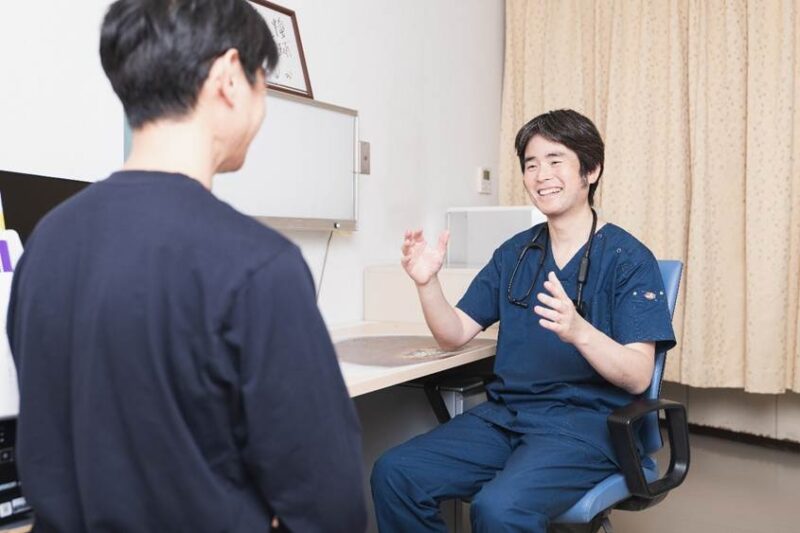
Many people dismiss the symptom of “my body only itches at night” as just dry skin or aging. However, among the patients I have seen, there are multiple cases where nighttime itching was their only symptom, yet testing revealed severe lesions in the liver.
Itching is an important message from your liver. If you have nighttime itching that does not improve with over-the-counter medications, please consult a hepatologist. At our clinic, we perform precise diagnoses combining blood tests, abdominal ultrasounds, and liver stiffness measurements to propose a treatment plan tailored to each individual.
■For Those Worried About Nighttime Itching and Liver Condition
Saito Clinic of Internal Medicine in Nishi-ku, Kobe, accepts consultations regarding nighttime itching and liver diseases. If you have been told by a dermatologist that “nothing is wrong” but your itching continues, please feel free to visit us.
A hepatologist will carefully examine you and propose the optimal treatment. We also accept preliminary online consultations, so if you live far away, please do not hesitate to share your concerns with us.

さいとう内科クリニック
院長:斉藤 雅也 Masaya Saito
- 日本内科学会認定医
- 日本肝臓学会専門医
- 日本消化器病学会専門医
- 日本超音波医学会専門医
- 日本消化器内視鏡学会専門医
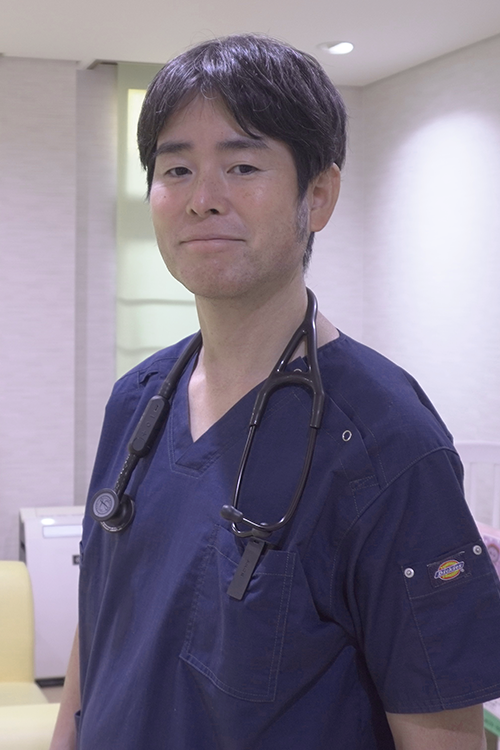
神戸大学医学部附属病院等の最前線で長年消化器・肝臓内科の臨床と研究に従事。医学博士。 標準治療では回復が困難な進行した肝炎や肝硬変に対し、新たな選択肢としての「肝臓再生医療」にいち早く取り組む。また、肝硬変患者さまの中で合併症(潜在性肝性脳症)を有する割合を明らかにし、カルニチンによる潜在性肝性脳症の治療効果を世界で初めて報告するなど、国際的な英文医学誌への論文掲載実績も多数(代表論文:Hepatol Res 2016; 46(2): 215-224)。科学的根拠に基づいた高度な専門知識と精緻な診断で、患者様の肝臓を守るサポートを行っています。
≫ 詳しい経歴や全研究実績はこちら
- 院長
- 斉藤雅也 Masaya Saito
日本肝臓学会 肝臓病専門医 Hepatologist, The Japan Society of Hepatology - 所在地
- 〒651-2412
兵庫県神戸市西区竜が岡1-15-3
(駐車場18台あり) - 電話
-
- 電話:078-967-0019
- 携帯電話:080-7097-5109
- アクセス
- 当院は、神戸市西区と明石市の境界付近に位置しており、明石市からも徒歩圏内です。実際に、明石市方面からも多くの患者様(肝臓病・一般内科)にご来院いただいております。駐車場も完備しておりますので、お車での通院も便利です。