- 2026年8月6日
Could This Be Me? Eligibility and Key Points for the Hepatitis B Compensation Scheme

“I’ve been diagnosed with Hepatitis B, but is there any official support available?”
“A family member had Hepatitis B in the past—is there anything we can still do now?”
If you or a family member are infected with the Hepatitis B virus, you might be carrying these exact questions and concerns. In this article, we provide a clear, easy-to-understand explanation of Japan’s national Hepatitis B compensation system (Hepatitis B Relief Benefit Scheme), including who might be eligible, the compensation details, and key points for filing a claim. If you feel that you or your family might qualify, please read through to the end and take the first step forward.
To Patients Infected with Hepatitis B Virus and Their Families
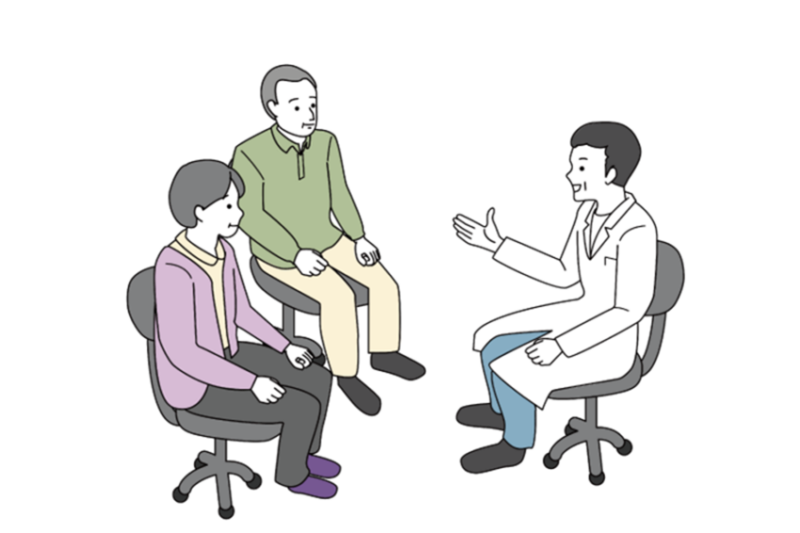
Hepatitis B is a liver disease caused by infection with the Hepatitis B virus (HBV). In some cases, the infection progresses without symptoms (a state known as an asymptomatic carrier), while in others, it can progress to chronic hepatitis, liver cirrhosis, or even liver cancer.
The liver is often referred to as the “silent organ” because noticeable symptoms rarely appear in its early stages. Therefore, regular checkups and proper health management are crucial.
At our clinic, we also focus on liver regenerative medicine, supporting individuals suffering from various liver conditions, including Hepatitis B.
Through this article, we aim to provide accurate information regarding the “Hepatitis B Compensation Scheme”—a national relief system for individuals infected with the Hepatitis B virus through past mass vaccinations and similar procedures. We hope to help ease your anxiety and connect you with the necessary support.
What Is the Hepatitis B Compensation Scheme?

The Hepatitis B Compensation Scheme is a system under which the Japanese government pays compensation to individuals who became persistently infected with the Hepatitis B virus due to the continuous use (reuse) of syringes (needles or syringes) during past mass vaccinations or tuberculin reaction tests, as well as to those infected via mother-to-child (or father-to-child) transmission from primary victims.
Purpose and History of the System
In the past, mass vaccinations were widely conducted in Japan to protect public health. However, during that process, syringes were used repeatedly without being changed, leading to the spread of Hepatitis B virus infection. Acknowledging its responsibility for this issue, the government agreed to relief measures. A “Basic Agreement” was signed in June 2011, and the “Act on Special Measures Concerning the Payment of Benefits to Specific Hepatitis B Virus Sufferers” (Special Measures Act) came into effect in January 2012. Under this law, compensation is paid to individuals who reach a judicial settlement with the government.
Overview of the Relief Scheme
To receive compensation under this system, a lawsuit must be filed against the national government, and an individual must be officially recognized as an eligible recipient through a court settlement or similar judicial process. In other words, compensation is not paid automatically; you must initiate the claim process yourself (or through an authorized representative).
Are You Eligible? Who Qualifies for Compensation (Primary Victims, Secondary Victims, and Heirs)
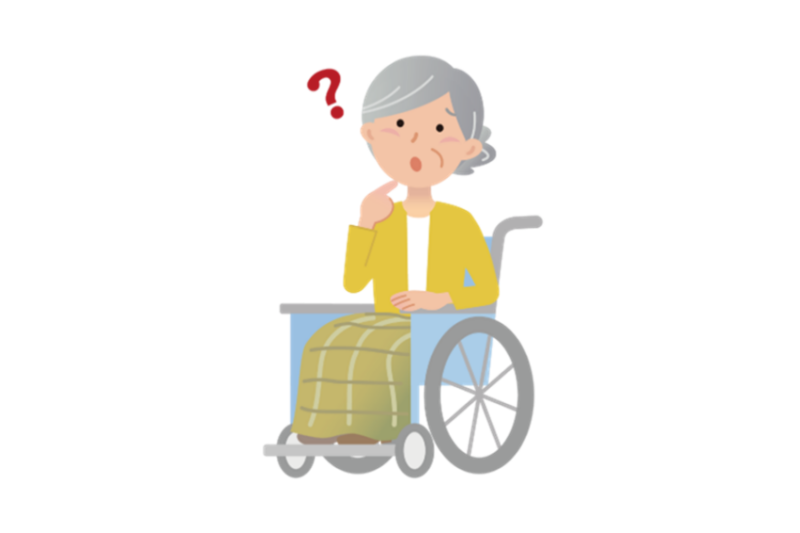
Eligible individuals fall broadly into three categories: “Primary Victims,” “Secondary Victims,” and “Surviving Family Members (Heirs).”
3-1. Primary Victims
This refers to individuals directly infected with the Hepatitis B virus due to mass vaccinations or tuberculin tests. All of the following main requirements must be met:
- Persistent infection with the Hepatitis B virus:
Demonstrated by blood test results from two consecutive time points at least 6 months apart showing HBs antigen positive, HBV-DNA positive, or HBe antigen positive; or a high-titer positive HBc antibody test.
- Received mass vaccination or tuberculin testing before turning 7 years old.
- The vaccination or test took place between July 1, 1948, and January 27, 1988.
This period corresponds to when the government engaged in the reuse of syringes during mass vaccinations.
- The infection was NOT transmitted from the mother (mother-to-child transmission).
- No other infection sources exist (such as blood transfusions, sexual contact, etc.) besides mass vaccinations.
Asymptomatic carriers who currently show no active symptoms of Hepatitis B are also eligible if they meet these requirements.
3-2. Secondary Victims (Mother-to-Child or Father-to-Child Transmission)
This category includes individuals infected at birth by a mother who was a primary victim (mother-to-child transmission), or infected by a father who was a primary victim (father-to-child transmission).
- The mother (or father) must satisfy all requirements for a primary victim listed above.
- You must be persistently infected with the Hepatitis B virus.
- Mother-to-child or father-to-child transmission must be medically proven.
It is quite common to find out that a mother or siblings are also infected after one learns of their own diagnosis. For secondary victims, even those born on or after January 28, 1988, or during the Heisei era, have successfully reached court settlements as long as their mother (or father) meets the primary victim criteria.
3-3. Surviving Family Members (Heirs)
If an eligible primary or secondary victim has passed away due to Hepatitis B, their surviving family members (heirs) can claim the benefit. Rather than giving up thinking “it’s too late because they passed away,” it is essential to seek professional advice first.
How Much Is the Compensation? Benefits Based on Disease Progression

The amount of compensation varies according to the disease stage resulting from the Hepatitis B virus infection and whether 20 years have passed since the onset of symptoms (the statute of repose / exclusion period).
| Disease Classification | Within 20 Years of Onset | After 20 Years Since Onset |
| Death / Liver Cancer / Severe Cirrhosis | 36 million yen | 9 million yen |
| Mild Cirrhosis | 25 million yen | 1. Currently has cirrhosis or history of treatment: 6 million yen 2. Cured with no history of treatment (or otherwise): 3 million yen |
| Chronic Hepatitis B | 12.5 million yen | 1. Currently has chronic hepatitis or history of treatment (or equivalent): 3 million yen 2. Cured with no history of treatment (or otherwise): 1.5 million yen |
| Asymptomatic Carrier | 6 million yen | 500,000 yen + support for periodic health checkups |
Note: The amounts listed above represent the main benefit sums. In addition, a portion of the legal fees incurred for the lawsuit (equivalent to 4% of the compensation amount) and specific testing costs may be awarded as a “Litigation Allowance.”
For asymptomatic carriers where 20 years or more have passed since infection, in addition to the 500,000 yen compensation, coverage is provided for periodic checkups (up to 4 times a year) to monitor progression to chronic hepatitis, medical expenses to prevent mother-to-child transmission, medical expenses to prevent household transmission, and periodic checkup allowances (up to 2 times a year).
It is vital to consult a specialist (such as an attorney) to confirm which classification applies to your specific situation.
[Important] What Is the Deadline for Claiming Compensation?

There is a strict deadline for filing a Hepatitis B compensation claim.
- Filing Deadline: A lawsuit must be filed against the national government by March 31, 2027.
If this deadline passes, you will generally no longer be able to receive compensation. While it might seem like there is still time, gathering evidence and preparing a lawsuit often takes considerable time. Therefore, if you think you might be eligible, it is crucial to take action as soon as possible.
Process of Claiming Compensation: How Can You Receive It?

To receive compensation, you must file a claim for damages against the government in court and reach a formal judicial settlement mediated by the court.
The general workflow is as follows:
- Consultation: First, consult an attorney experienced in Hepatitis B litigation. Many law firms offer free initial consultations.
- Gathering Evidence: With the support of your attorney, collect medical records, official documents, and other evidence proving that you qualify for the compensation.
- Filing the Lawsuit: Based on the gathered evidence, file a lawsuit against the Japanese government as the defendant.
- Settlement Negotiations: Mediated by the court, discussions take place with the government toward a settlement. Additional documentation may be requested if necessary.
- Reaching a Settlement: Once it is verified that you meet all relief criteria, a formal settlement protocol (reconciliation record) is drafted with the government.
- Claiming and Receiving Benefits: After the settlement is finalized, you submit a claim to the Social Insurance Medical Fee Payment Fund. Following an administrative review, the benefit is paid out.
It generally takes about 1 to 1.5 years from filing the lawsuit to reaching a settlement. Once settled, receiving the payout typically takes about 2 months.
What Documents Are Required? Key Evidence Materials
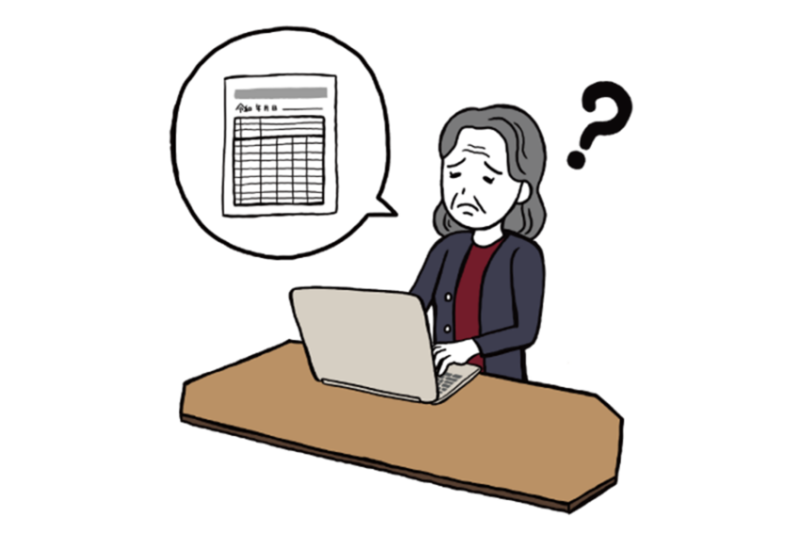
Primary evidence required for claiming compensation includes the following items. Requirements vary depending on whether you are claiming as a primary or secondary victim:
- Proof of persistent Hepatitis B virus infection:
- Blood test results (HBs antigen, HBV-DNA, HBe antigen, HBc antibody, etc.)
- Proof of receiving mass vaccination/tuberculin testing before turning 7 years old:
- Maternal and Child Health Handbook (Boshi Kenko Techo)
- Immunization Registry (if retained by the municipality)
- If the above are unavailable: A physician’s official opinion regarding vaccination marks (BCG marks, etc.), or a resident record (Juminhyo) proving your place of residence at the time.
- Proof that the infection was NOT transmitted from your mother (for primary victims):
- Mother’s blood test results (HBs antigen negative, HBc antibody negative or low-titer positive, etc.)
- If the mother is deceased, test results of older siblings may be evaluated.
- Proof of mother-to-child (or father-to-child) transmission (for secondary victims):
- Documentation showing the mother (or father) satisfies the primary victim criteria.
- Test results comparing the nucleotide sequences of your Hepatitis B virus with your parent’s (HBV molecular phylogenetic analysis).
- Other Documents:
- Medical Records (Chart): Scope requested by the government (e.g., past 1 year of records, 1 year from persistent infection diagnosis, 1 year from initial onset, full hospitalization records or discharge summaries if hospitalized).
- Certified copy of Family Register (Koseki Tohon), Resident Record (Juminhyo), etc.
Gathering these documents independently can be very challenging, especially since old medical records may have been discarded past their legal retention period. By consulting a lawyer, you can receive guidance on identifying and obtaining the necessary documentation.
Cases Where You May NOT Be Eligible
Unfortunately, not everyone qualifies for the Hepatitis B compensation scheme. You may be ineligible in cases such as:
- Persistent Hepatitis B virus infection cannot be medically proven.
- When claiming as a primary victim, the possibility of mother-to-child transmission cannot be ruled out.
- The infected HBV genotype is “Ae”: Genotype Ae is known to persist even when contracted in adulthood and is generally considered unrelated to past childhood mass vaccinations (unless persistent infection was confirmed prior to 1995).
- Your situation falls outside the government’s period of responsibility for mass vaccinations (July 1, 1948 – January 27, 1988) or vaccination before age 7 (except for secondary victims, where different rules apply).
- Clear non-vaccination infection routes exist, such as blood transfusions or sexual contact.
- It is evident that the Hepatitis B virus was contracted in adulthood.
- Objective evidence proving eligibility cannot be provided.
However, before making a self-judgment that you are ineligible, we strongly recommend consulting a specialized attorney. Sharing the specifics of your situation might reveal eligibility possibilities you were unaware of.
What if Your Condition Worsens? Additional Benefits
Even after receiving Hepatitis B compensation once, if your medical condition deteriorates to a more severe stage (e.g., progressing from chronic hepatitis to cirrhosis, or from cirrhosis to liver cancer), a system exists allowing you to claim an “Additional Benefit” for the difference in compensation.
Claiming additional benefits generally does not require a new lawsuit; it can be processed directly through an application to the Social Insurance Medical Fee Payment Fund. Note, however, that the claim must be made within 5 years from the date you learned of the condition’s progression.
Where to Seek Help? Consultation Desks and Professional Support

When seeking advice regarding Hepatitis B benefits, several consultation avenues are available.
10-1. Consultation Desks at MHLW and the Payment Fund
Official consultation services provided by the government and related institutions offer general information on system overviews and procedures.
- Ministry of Health, Labour and Welfare (MHLW) Telephone Consultation:
03-3595-2252 (Weekdays 9:00–17:00 JST)
- Social Insurance Medical Fee Payment Fund Consultation Desk:
0120-918-027 (Weekdays 9:00–17:00 JST)
10-2. The Importance of Consulting an Attorney
Claiming Hepatitis B compensation requires legal and specialized medical knowledge, making it exceedingly difficult to navigate alone. Therefore, it is standard practice to consult and retain an attorney specializing in Hepatitis B class-action lawsuits.
Benefits of Hiring an Attorney:
- Accurate Eligibility Assessment: Expert evaluation of whether your circumstances qualify for compensation.
- Support in Document Collection: Assistance with or proxy collection of complex medical evidence.
- Legal Representation: Handling court procedures and appearances, greatly reducing your time and emotional stress.
- Negotiating with the Government: Professional handling of settlement negotiations with government representatives.
Many law firms offer free consultations regarding Hepatitis B claims, charge zero retainer fees, and operate on a “contingency fee basis” (paid only if you receive compensation). Furthermore, upon reaching a settlement, the government pays an additional 4% of the compensation sum directly toward legal costs as a litigation allowance, keeping your actual out-of-pocket expenses low.
Even if you were previously turned down by another law firm, consulting a different office may open up new possibilities.
Living Well with Hepatitis B Over the Long Term

If diagnosed with persistent Hepatitis B virus infection, undergoing regular health checkups to monitor your liver’s condition remains vital even in the absence of active symptoms.
- Regular Examinations: Blood tests and imaging (such as abdominal ultrasounds) allow early detection of active inflammation or progression toward cirrhosis or liver cancer.
- Appropriate Medical Care: Undergoing antiviral therapy or other treatments as needed helps suppress disease progression. Medical science advances daily, and new therapies continue to emerge. Clinics specializing in regenerative medicine, such as ours, research and offer innovative approaches aimed at improving liver function.
- Lifestyle Adjustments: Maintaining liver-friendly habits—a balanced diet, moderate exercise, adequate sleep, and avoiding alcohol and smoking—is equally important.
- Accurate Understanding: Hepatitis B is transmitted through blood and bodily fluids; it is not easily spread through daily casual contact (such as coughing, sneezing, sharing tableware, or bathing together). Unfortunately, misunderstandings and stigma still persist. The government continues efforts to spread correct awareness, such as releasing educational materials. Correct understanding by patients and those around them helps build a society free from discrimination and prejudice.
Don’t Give Up—Take the First Step Today

The Hepatitis B Compensation Scheme is an important relief system for individuals infected with the Hepatitis B virus through past mass vaccinations. Despite potentially being eligible, many people remain unaware of the system or give up, assuming “the procedures look too complicated” or “it happened too long ago.”
There is a firm deadline for submitting claims. If reading this article makes you think, “Could this apply to me (or my family)?”, please do not worry alone. Reach out first to a specialist, such as an attorney experienced in Hepatitis B claims. A consultation can resolve your questions and outline your next steps clearly.
Our clinic remains committed to supporting patients living with Hepatitis B and other liver diseases, alongside their families, through advanced liver regenerative medicine. We sincerely hope this information proves valuable and assists you on your journey.
[Information on Online Pre-consultations]

さいとう内科クリニック
院長:斉藤 雅也 Masaya Saito
- 日本内科学会認定医
- 日本肝臓学会専門医
- 日本消化器病学会専門医
- 日本超音波医学会専門医
- 日本消化器内視鏡学会専門医

神戸大学医学部附属病院等の最前線で長年消化器・肝臓内科の臨床と研究に従事。医学博士。 標準治療では回復が困難な進行した肝炎や肝硬変に対し、新たな選択肢としての「肝臓再生医療」にいち早く取り組む。また、肝硬変患者さまの中で合併症(潜在性肝性脳症)を有する割合を明らかにし、カルニチンによる潜在性肝性脳症の治療効果を世界で初めて報告するなど、国際的な英文医学誌への論文掲載実績も多数(代表論文:Hepatol Res 2016; 46(2): 215-224)。科学的根拠に基づいた高度な専門知識と精緻な診断で、患者様の肝臓を守るサポートを行っています。
≫ 詳しい経歴や全研究実績はこちら
- 院長
- 斉藤雅也 Masaya Saito
日本肝臓学会 肝臓病専門医 Hepatologist, The Japan Society of Hepatology - 所在地
- 〒651-2412
兵庫県神戸市西区竜が岡1-15-3
(駐車場18台あり) - 電話
-
- 電話:078-967-0019
- 携帯電話:080-7097-5109
- アクセス
- 当院は、神戸市西区と明石市の境界付近に位置しており、明石市からも徒歩圏内です。実際に、明石市方面からも多くの患者様(肝臓病・一般内科)にご来院いただいております。駐車場も完備しておりますので、お車での通院も便利です。