
- 2026年9月3日
How to Choose Non-Alcoholic Beer Wisely — A Hepatologist’s Warning About the “Alcohol-Free = Healthy” Trap

1. Does Non-Alcoholic Beer Really Place No Burden on the Liver?
Non-alcoholic beer with 0.00% alcohol content places zero direct burden on the liver from alcohol metabolism. The greatest toxin for the liver is acetaldehyde produced during alcohol breakdown, so there is no concern if alcohol is absent.
However, it cannot be described as entirely safe. In Japan, only beverages with 0.00% alcohol may be labeled “non-alcoholic,” but in Western countries, beverages with less than 0.5% may be labeled as such, meaning imported products may include trace-alcohol beverages. People with alcohol dependency, pregnant women, and those with severe liver disease must check labels carefully.
Additives, artificial sweeteners, and purines in non-alcoholic beer may worsen the symptoms of liver disease patients. Those with high uric acid levels should select zero-purine varieties.
2. The Real Reason Non-Alcoholic Beer Can Lead to Weight Gain

The belief that “non-alcoholic beer is low in calories, so it won’t cause weight gain” is not always accurate. While a 500 ml regular beer contains approximately 200 kcal, sugar-containing non-alcoholic beer has 100–140 kcal. “Zero-calorie” types are virtually zero, but the problem lies elsewhere.
Artificial sweeteners are a hidden trap. Acesulfame potassium and sucralose used in zero-calorie beverages trigger the “cephalic phase insulin response” when the brain detects sweetness, potentially lowering blood sugar levels and stimulating appetite.
The psychological effect of feeling as though you are “drinking beer” can intensify cravings for fried foods and snacks. Eating potato chips or fried chicken while drinking non-alcoholic beer can ultimately increase total calorie intake.
Expert Insight: Beware of Visceral Fat Accumulation Beyond the Numbers
Relying on non-alcoholic beer and overeating snacks to accumulate visceral fat is extremely dangerous. Clinical research has shown that “hidden obesity”—where visceral fat accumulates even in people who don’t appear overweight—adversely affects long-term survival rates and prognosis. Dietary control to prevent visceral fat accumulation is more important than the number on the scale.
3. Is It Okay to Drink Non-Alcoholic Beer on Alcohol-Free Days?
The true purpose of “alcohol-free days” is to give the liver time to process alcohol and simultaneously break the alcohol dependency cycle. Evaluating non-alcoholic beer from this perspective, the answer is “it depends.”
The problem is “psychological dependency.” If you continue the habit of drinking non-alcoholic beer every day, the psychological pattern of “having a cold beer (or non-alcoholic alternative) in the evening” becomes reinforced. This is the same mechanism as “cue reactions” that impede recovery from alcohol dependency. Many alcohol dependency specialists advise patients to avoid non-alcoholic beer as well.
However, for healthy individuals who simply want to reduce their drinking habits and choose non-alcoholic beer a few times per week, there is no direct adverse effect on the liver. While it is not suitable for those aiming for complete abstinence, it can be an effective tool for “reducing” alcohol consumption.
A Hepatologist’s Perspective: Non-Alcoholic Beer and Dependency Risk
From the perspective of dependency, non-alcoholic beer may maintain cravings for the act of drinking itself. Particularly for those instructed to abstain completely due to alcoholic hepatitis or cirrhosis, some specialist facilities prohibit non-alcoholic beer as well.
4. How to Choose Non-Alcoholic Beer Wisely
Good Choices
• Zero-sugar, zero-calorie types (domestic products from major manufacturers)
• Enjoying it as a special treat on special occasions
• Zero-purine types (for those concerned about uric acid levels)
Choices to Avoid
• Daily habit formation (risk of creating dependency patterns)
• Using it as a means to “feel like drinking” every evening
• Those at risk for alcohol dependency, pregnant women, and breastfeeding mothers
• Patients with severe liver disease (beware of products with trace alcohol content)
5. Recommended Ways to Spend Alcohol-Free Days
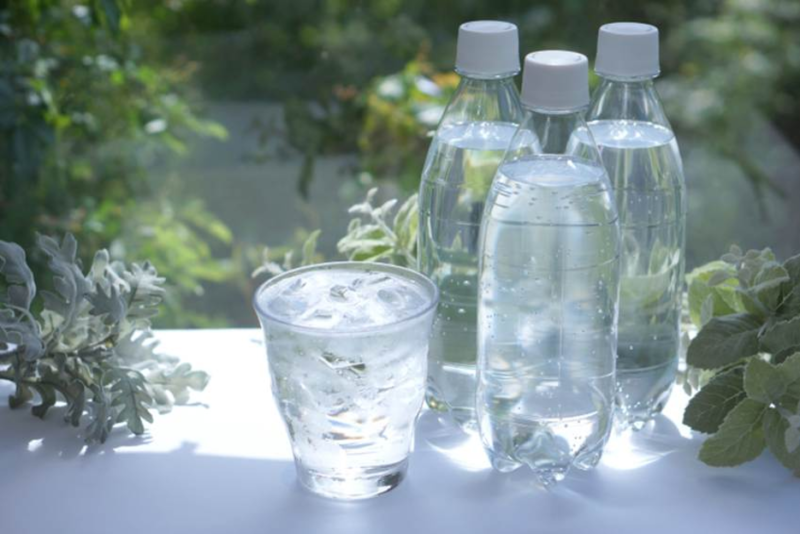
For liver recovery, it is more important to build habits that distance oneself from the act of drinking itself, rather than relying on non-alcoholic beer.
Recommended alternative beverages: caffeine-free herbal teas (chamomile, rooibos), sparkling water (add lemon juice for more satisfaction), barley tea, hojicha, green tea, soy milk, and non-alcoholic amazake.
Behavioral habits for alcohol-free days: light aerobic exercise (20–30 minutes of walking), relaxation through bathing or sauna, and focusing time on reading, movies, or hobbies. The urge to drink typically fades naturally within 15–20 minutes, so getting through that time with alternative activities is the key.
6. A Message from Your Hepatologist
Non-alcoholic beer is not a panacea just because it contains zero alcohol. Even without direct damage to the liver, it carries four risks: sugar and calorie content, psychological dependency, and appetite stimulation. Choosing wisely and using it wisely is essential.
At our clinic, we provide accurate assessment of the liver’s current condition through specialist blood tests, abdominal ultrasound, and hepatic stiffness measurement, along with comprehensive advice including improvement of drinking habits. If you are “concerned about your liver values” or “want to change your drinking habits,” please feel free to consult with us.
さいとう内科クリニック
院長:斉藤 雅也 Masaya Saito
- 日本内科学会認定医
- 日本肝臓学会専門医
- 日本消化器病学会専門医
- 日本超音波医学会専門医
- 日本消化器内視鏡学会専門医

神戸大学医学部附属病院等の最前線で長年消化器・肝臓内科の臨床と研究に従事。医学博士。 標準治療では回復が困難な進行した肝炎や肝硬変に対し、新たな選択肢としての「肝臓再生医療」にいち早く取り組む。また、肝硬変患者さまの中で合併症(潜在性肝性脳症)を有する割合を明らかにし、カルニチンによる潜在性肝性脳症の治療効果を世界で初めて報告するなど、国際的な英文医学誌への論文掲載実績も多数(代表論文:Hepatol Res 2016; 46(2): 215-224)。科学的根拠に基づいた高度な専門知識と精緻な診断で、患者様の肝臓を守るサポートを行っています。
≫ 詳しい経歴や全研究実績はこちら
- 院長
- 斉藤雅也 Masaya Saito
日本肝臓学会 肝臓病専門医 Hepatologist, The Japan Society of Hepatology - 所在地
- 〒651-2412
兵庫県神戸市西区竜が岡1-15-3
(駐車場18台あり) - 電話
-
- 電話:078-967-0019
- 携帯電話:080-7097-5109
- アクセス
- 当院は、神戸市西区と明石市の境界付近に位置しており、明石市からも徒歩圏内です。実際に、明石市方面からも多くの患者様(肝臓病・一般内科)にご来院いただいております。駐車場も完備しておりますので、お車での通院も便利です。