
- 2026年9月3日
The Benefits of Lying Down After a Meal: How Post-Meal Rest Increases Liver Blood Flow by 1.5× and Supports Energy Metabolism
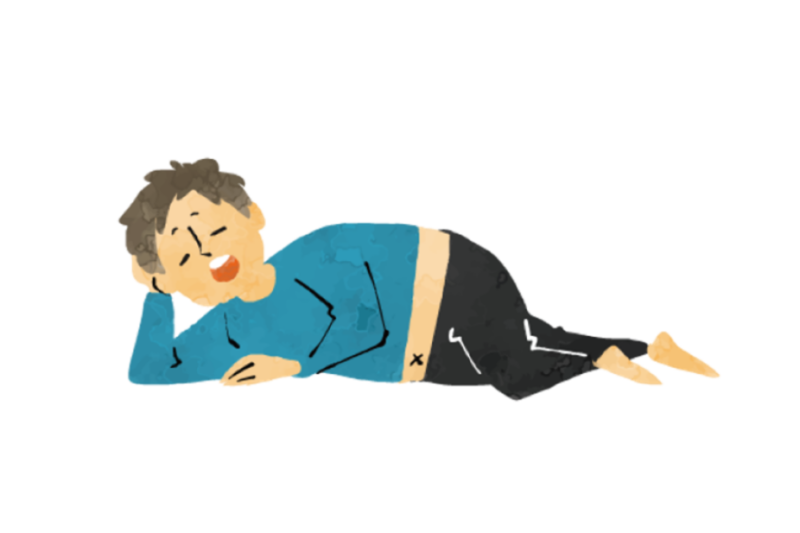
1. Medically Proven Benefits of Post-Meal Rest
Increased Blood Flow to the Liver
In the right lateral decubitus position (lying on your right side), liver blood flow increases by up to 1.5–2 times. The liver is a vital organ that handles post-meal nutrient processing, and increased blood flow enhances metabolic efficiency.
Promotion of Digestion and Absorption
The right lateral decubitus position tilts the stomach outlet downward, allowing food to move smoothly to the duodenum by gravity, promoting digestion and absorption.
Improved Afternoon Work Efficiency
Multiple studies have shown that “a light 10–20 minute nap within 30 minutes of eating improves afternoon cognitive function, concentration, and work efficiency by approximately 20%.”
Activation of the Parasympathetic Nervous System
Post-meal rest activates the parasympathetic nervous system, promoting digestive secretion and improving the efficiency of digestion and absorption.
2. The Mechanism Behind “1.5× Liver Blood Flow from Lying Down”

The liver accounts for approximately 2–3% of body weight and receives blood supply from the portal vein (approximately 70%) and the hepatic artery (approximately 30%). The right lateral decubitus position uses gravity to promote blood flow to the liver.
A Hepatologist’s Perspective: Why Post-Meal Rest Benefits Fatty Liver Patients
Patients with fatty liver have reduced liver blood flow efficiency, but rest in the right lateral decubitus position can supplement this reduced flow and assist metabolic processing.
Expert Insight: Do Not Underestimate Visceral Fat Risk Even if You Appear Thin
For those with “hidden obesity”—visceral fat accumulation despite appearing to be of normal weight—correct post-meal rest is a beneficial habit.
3. The Difference Between “Good” and “Bad” Post-Meal Rest

Good Post-Meal Rest
Timing: within 15–30 minutes of eating. Duration: approximately 10–20 minutes. Position: right lateral decubitus. State: drowsy but not fully asleep. Environment: avoid falling into deep sleep.
Post-Meal Rest to Avoid
Lying on your back for extended periods, the left lateral decubitus position, falling deeply asleep immediately after eating, napping for more than one hour, and lying completely horizontal without a pillow should all be avoided.
4. Why Post-Meal Rest Supports Energy Metabolism

Improved Insulin Sensitivity
Suppression of stress hormones through rest improves insulin resistance, making blood sugar management more efficient.
Efficient Glycogen Storage in the Liver
Increased liver blood flow promotes conversion of glucose to glycogen, moderating post-meal blood sugar rises.
Expert Insight: Energy Metabolism Maintenance Affects Longevity

Research has reported that the state of liver energy metabolism directly correlates with long-term prognosis.
The Medical Significance of Traditional “Rest After Meals” Culture
Japanese post-lunch rest culture and the siesta are medically based practices discovered through empirical experience.
5. Points to Note for Those with Acid Reflux
Why the Right Lateral Position Is Recommended
The right lateral decubitus position helps prevent gastric acid reflux.
Avoid the Left Lateral Position
The left lateral decubitus position increases the risk of gastric acid reflux.
Elevate the Head Slightly
Raising the head 15–30 degrees allows gravity to act as a barrier against reflux.
6. A Message from Your Hepatologist
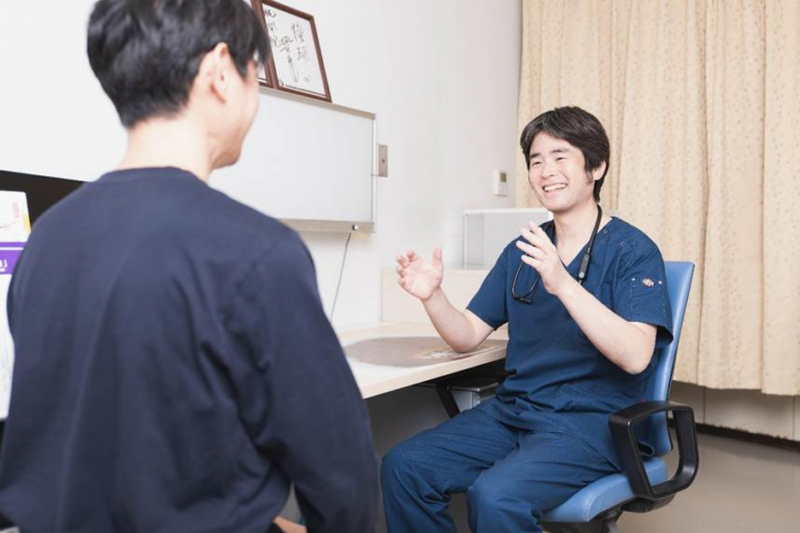
Post-meal rest in the correct position and for an appropriate duration is beneficial for promoting liver blood flow and improving metabolic efficiency. For fatty liver patients and those concerned about blood sugar levels, this is a practical, drug-free means of lifestyle improvement.
At Saito Clinic of Internal Medicine, we provide abdominal ultrasound examination, blood tests, post-meal lifestyle guidance, and treatment for gastroesophageal reflux disease. Online consultations are also available.
さいとう内科クリニック
院長:斉藤 雅也 Masaya Saito
- 日本内科学会認定医
- 日本肝臓学会専門医
- 日本消化器病学会専門医
- 日本超音波医学会専門医
- 日本消化器内視鏡学会専門医
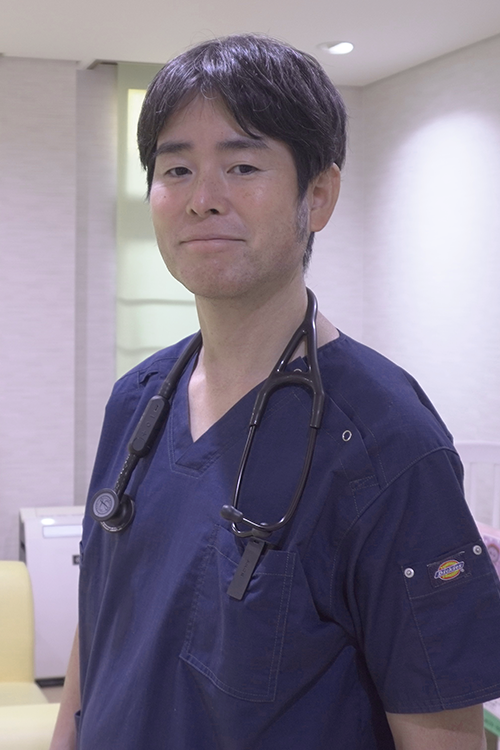
神戸大学医学部附属病院等の最前線で長年消化器・肝臓内科の臨床と研究に従事。医学博士。 標準治療では回復が困難な進行した肝炎や肝硬変に対し、新たな選択肢としての「肝臓再生医療」にいち早く取り組む。また、肝硬変患者さまの中で合併症(潜在性肝性脳症)を有する割合を明らかにし、カルニチンによる潜在性肝性脳症の治療効果を世界で初めて報告するなど、国際的な英文医学誌への論文掲載実績も多数(代表論文:Hepatol Res 2016; 46(2): 215-224)。科学的根拠に基づいた高度な専門知識と精緻な診断で、患者様の肝臓を守るサポートを行っています。
≫ 詳しい経歴や全研究実績はこちら
- 院長
- 斉藤雅也 Masaya Saito
日本肝臓学会 肝臓病専門医 Hepatologist, The Japan Society of Hepatology - 所在地
- 〒651-2412
兵庫県神戸市西区竜が岡1-15-3
(駐車場18台あり) - 電話
-
- 電話:078-967-0019
- 携帯電話:080-7097-5109
- アクセス
- 当院は、神戸市西区と明石市の境界付近に位置しており、明石市からも徒歩圏内です。実際に、明石市方面からも多くの患者様(肝臓病・一般内科)にご来院いただいております。駐車場も完備しておりますので、お車での通院も便利です。