
- 2026年9月3日
Normal Weight, But Only Your Belly Sticks Out? — Hidden Obesity and Its Dangerous Connection to Liver Disease
“My weight is the same as when I was young, but my belly seems to be growing”—if this sounds familiar, you may have what doctors call “hidden obesity” or “sarcopenic obesity,” a dangerous condition closely linked to liver disease.
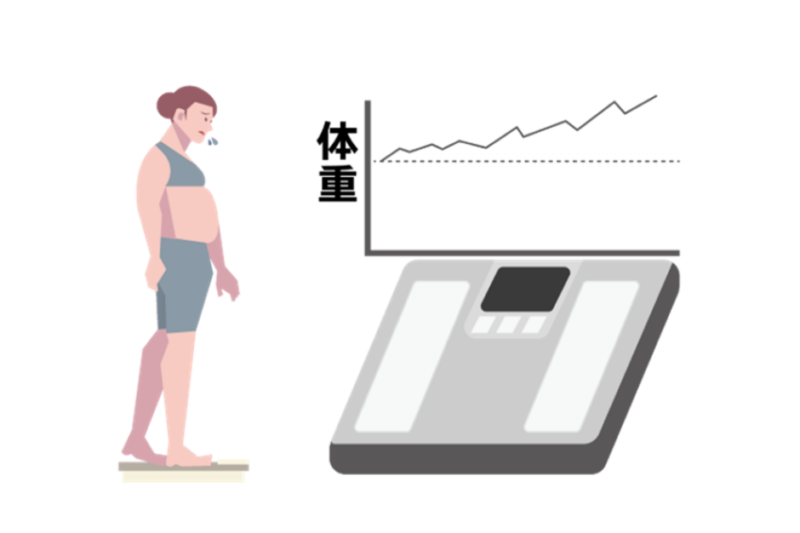
1. Why Does Visceral Fat Increase So Rapidly After 40?
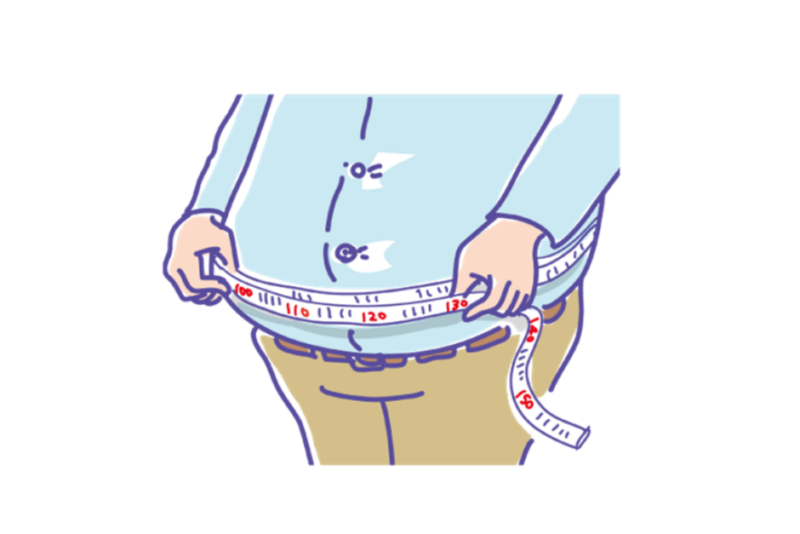
For Women: Hormonal Changes
During menopause (ages 45–55), declining estrogen causes visceral fat to accumulate at twice the rate of pre-menopausal years. Even without any change in diet or exercise, the body’s fat distribution shifts dramatically toward the abdominal area.
For Men: Loss of Muscle Mass and Metabolic Decline
Age-related muscle loss reduces basal metabolism, causing the energy surplus from the same dietary intake to convert into visceral fat accumulation. This process accelerates noticeably after age 40 and becomes dramatic after 50.
2. When “Dieting to Lose Weight” Backfires

Excessive calorie or carbohydrate restriction causes the body to break down muscle rather than fat—creating metabolically inactive “hidden obesity.” You may lose weight on the scale, but your body composition worsens: less muscle, same or more visceral fat, and a slower metabolism that makes future weight management even harder.
3. Why Excess Visceral Fat Is Dangerous for the Liver
Fatty acids released from excess visceral fat flow directly to the liver through the portal vein. This can trigger fatty liver disease, which, if left untreated, may progress to chronic inflammation (MASH), fibrosis, cirrhosis, and ultimately hepatocellular carcinoma. The concerning aspect is that this entire progression can occur without any noticeable symptoms.
4. The Solution: Protect Your Muscle Mass
Effective strategies for addressing hidden obesity include:
• Adequate protein consumption at every meal (target: body weight in kg × 1–1.2 g per day)
• Resistance training targeting lower body muscles (squats, leg presses) combined with aerobic exercise
• Avoiding extreme caloric restriction in favor of moderate, sustainable dietary adjustments
• Regular monitoring of body composition (not just body weight) through professional assessment
5. Regenerative Medicine When Metabolic Function Doesn’t Recover
For patients with persistent metabolic issues and liver damage that has not responded to lifestyle interventions, our clinic offers stem cell-based liver regenerative therapy. By restoring hepatic function at the cellular level, this approach can help reverse metabolic dysfunction that standard therapies cannot address.
6. A Message from Your Hepatologist
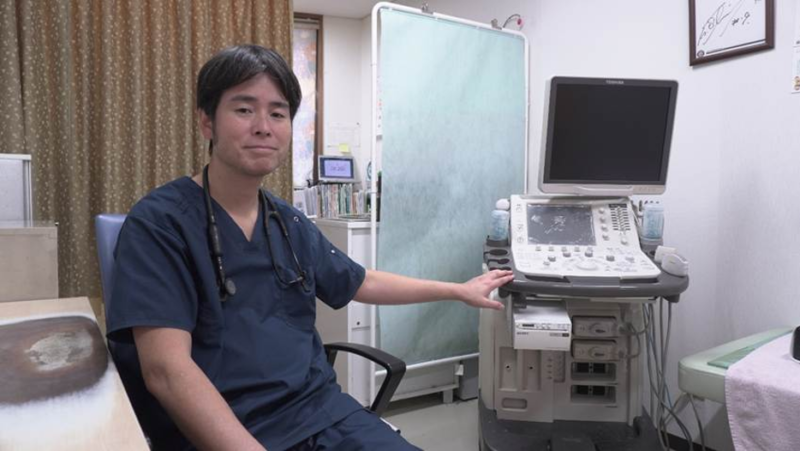
If your belly has been growing despite your weight remaining stable, don’t dismiss it as “just middle-age spread.” Hidden obesity is a medically significant condition with serious implications for liver health. An abdominal ultrasound and comprehensive blood panel can reveal what the scale cannot. Early intervention is always more effective than waiting until symptoms appear.
At Saito Clinic of Internal Medicine, we offer comprehensive evaluation including abdominal ultrasound, body composition assessment, and personalized liver health guidance. Online consultations are available for those who cannot visit in person.
さいとう内科クリニック
院長:斉藤 雅也 Masaya Saito
- 日本内科学会認定医
- 日本肝臓学会専門医
- 日本消化器病学会専門医
- 日本超音波医学会専門医
- 日本消化器内視鏡学会専門医
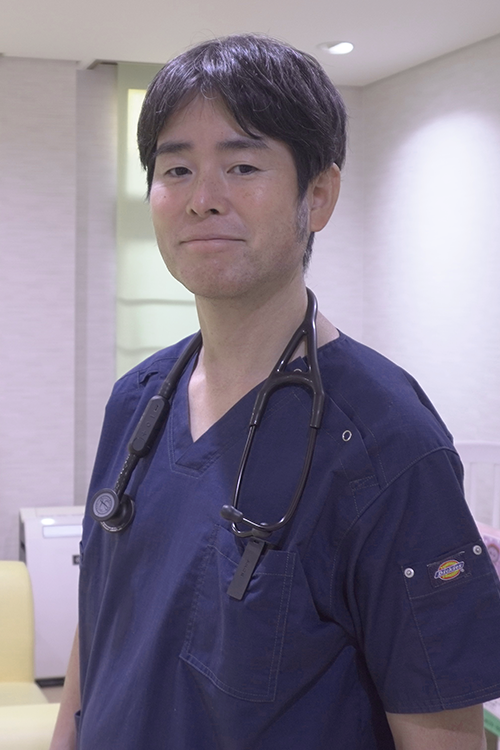
神戸大学医学部附属病院等の最前線で長年消化器・肝臓内科の臨床と研究に従事。医学博士。 標準治療では回復が困難な進行した肝炎や肝硬変に対し、新たな選択肢としての「肝臓再生医療」にいち早く取り組む。また、肝硬変患者さまの中で合併症(潜在性肝性脳症)を有する割合を明らかにし、カルニチンによる潜在性肝性脳症の治療効果を世界で初めて報告するなど、国際的な英文医学誌への論文掲載実績も多数(代表論文:Hepatol Res 2016; 46(2): 215-224)。科学的根拠に基づいた高度な専門知識と精緻な診断で、患者様の肝臓を守るサポートを行っています。
≫ 詳しい経歴や全研究実績はこちら
- 院長
- 斉藤雅也 Masaya Saito
日本肝臓学会 肝臓病専門医 Hepatologist, The Japan Society of Hepatology - 所在地
- 〒651-2412
兵庫県神戸市西区竜が岡1-15-3
(駐車場18台あり) - 電話
-
- 電話:078-967-0019
- 携帯電話:080-7097-5109
- アクセス
- 当院は、神戸市西区と明石市の境界付近に位置しており、明石市からも徒歩圏内です。実際に、明石市方面からも多くの患者様(肝臓病・一般内科)にご来院いただいております。駐車場も完備しておりますので、お車での通院も便利です。