
- 2026年9月3日
Case Study: Improvement of Cirrhosis-Related Ascites and Hepatic Encephalopathy — How Regenerative Medicine Transformed Quality of Life
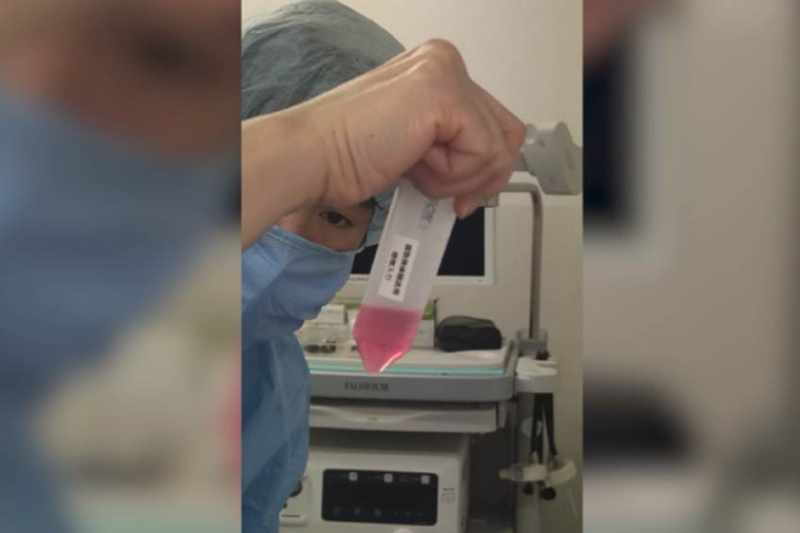
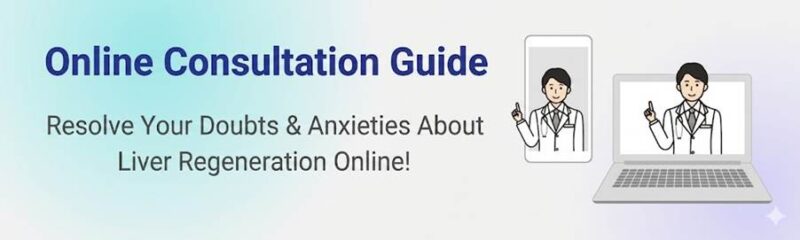
Hello. I am Dr. Masaya Saito, Director of Saito Clinic of Internal Medicine in Nishi Ward, Kobe.
“My abdomen is so distended with fluid that I can barely breathe (ascites).” “I’ve been feeling increasingly confused, and my hands are trembling (hepatic encephalopathy).” “My stamina has declined so much that I can hardly go out.”
When cirrhosis progresses to this stage—what we call “decompensated cirrhosis”—both the patient and their supporting family members often fall into deep despair, feeling that recovery is no longer possible. However, a new treatment called “regenerative medicine” has emerged in modern medicine, and cases are appearing in which symptom improvement and enhanced quality of life (QOL) are being achieved where previously little hope existed.
Here, I will explain in detail how regenerative medicine can transform daily life, based on an actual case of severe cirrhosis treated at our clinic with stem cell infusion therapy.
1. The Reality of Serious Complications: Ascites, Hepatic Encephalopathy, and Decompensated Cirrhosis
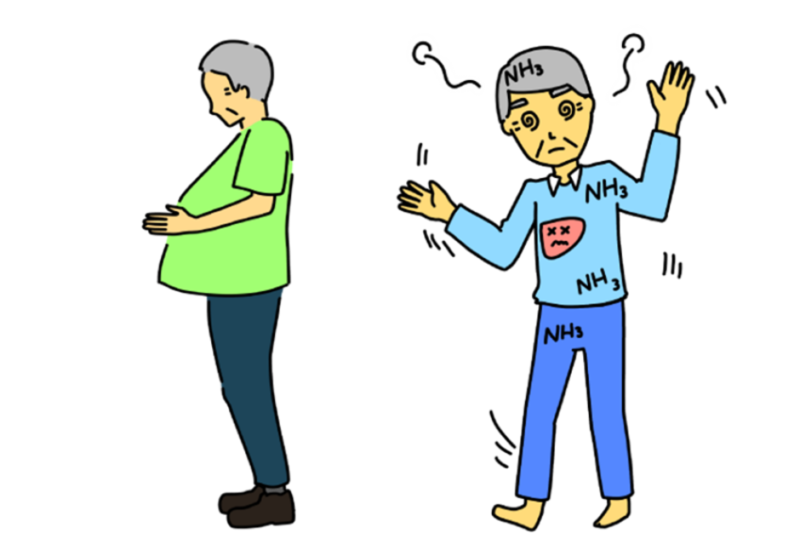
When the liver becomes so scarred that the remaining healthy cells can no longer maintain liver function, we call this “decompensated cirrhosis.” At this stage, serious, life-threatening complications appear:
Ascites: When the liver can no longer produce sufficient albumin (the protein that maintains fluid balance in the blood), or when blood flow becomes impaired due to liver stiffening (portal hypertension), fluid leaks from blood vessels into the abdominal cavity. The abdomen becomes severely distended, causing shortness of breath, nausea, and loss of appetite—making even movement difficult.
Hepatic Encephalopathy: Toxins such as ammonia, which should be detoxified by the liver, reach the brain and impair its function. In early stages, this causes reduced concentration and reversal of the sleep-wake cycle. As it progresses, patients may become disoriented in time and place, and develop “asterixis”—an irregular flapping tremor of the outstretched hands resembling the beating of a bird’s wings. In advanced cases, there is risk of falling into a comatose state.
The severity of cirrhosis is assessed using the “Child-Pugh classification.” The patient presented here scored 13 points (Grade C: severe)—the highest severity level, with prognosis seriously in question.
Standard treatments to date (such as diuretics and medications to reduce ammonia) have primarily been symptomatic treatments aimed at temporarily alleviating these complications; restoring vitality to the underlying scarred liver itself has been considered extremely difficult.
2. Case Report: The Recovery Journey of a Patient with Decompensated Cirrhosis (Child-Pugh Score 13)
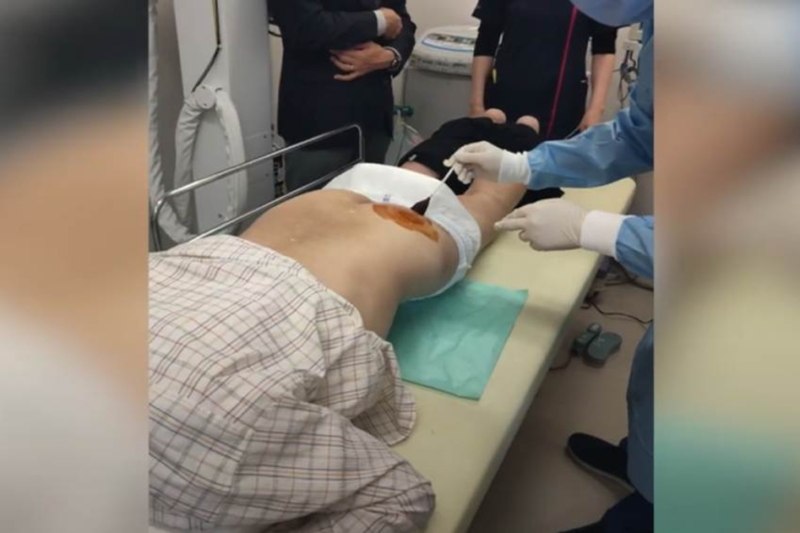
At our clinic, on August 22, 2024, we administered regenerative medicine to this patient with severe decompensated cirrhosis (Child-Pugh score 13), infusing “stem cells” that had been cultured after a small sample of subcutaneous fat was biopsied from the patient’s own buttocks.
Before treatment, the patient’s severe physical decline had left them essentially bedridden, and they were telling their family “It’s no good, it’s no good”—expressing defeat. In addition, they had experienced hepatic encephalopathy episodes in both June and July, leaving the family constantly on edge, worried about “when the next encephalopathy episode will occur.”
However, approximately two weeks after the stem cell infusion in late August, dramatic changes in quality of life began to appear one after another—changes that surprised even the family:
Dramatic Changes in Daily Life (QOL)
Restored initiative to move: From a state of near-complete bed rest, the patient became able to go up the stairs to the second floor of their home. Furthermore, they were able to walk from the parking lot to a barbershop and specify “I’d like it cut this way” themselves; they even recovered sufficient stamina to walk to the polling station to vote in an election.
“I can write my own name again”—a source of amazement: Previously, hand tremors and cognitive decline had made writing impossible, with the patient’s wife signing contracts on their behalf. However, after treatment, the patient was able to sign their own name clearly on a care manager’s contract and an influenza consent form—much to their wife’s astonishment.
Independence in daily activities and improvement in cognitive function: Whereas the patient had previously been asking their wife to bring tea, they began brewing green tea themselves using a teapot. They also organized old documents themselves by shredding them and tying them with string before carrying them to the front door in preparation for dismantling an outbuilding—demonstrating the ability to think and act independently.
Disappearance of the feared “hepatic encephalopathy”: Previously, even mild constipation would immediately trigger an encephalopathy episode. However, since the stem cell infusion in August, not a single encephalopathy episode has occurred. The significant reduction in the family’s psychological burden—they had been “constantly on edge worrying about when another encephalopathy episode would occur”—represents an enormous change.
Transformation to a positive mental state: Negative statements such as “It’s no good” disappeared, and the wife felt that their attitude had become “more proactive and positive”—a change that directly reflected increased mental vitality.
Note: No serious adverse events were observed during the fat extraction in June or during or after the stem cell infusion in August for this patient.
3. Why Do Stem Cells Revitalize the Liver? (The Mechanism of Regenerative Medicine)
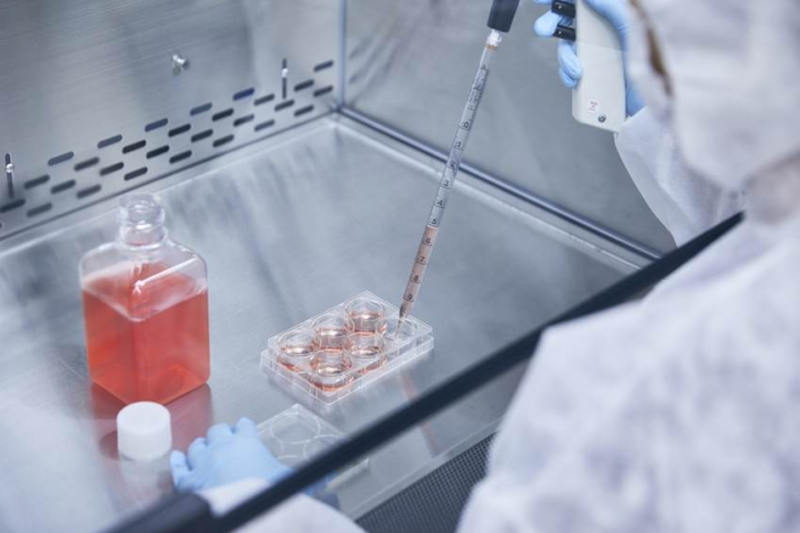
Why was such dramatic improvement in QOL possible from such a severe condition?
In our treatment, a very small amount of fat is biopsied from the patient’s own buttocks, from which “stem cells” are extracted, cultured, and then reintroduced into the body via infusion.
Stem cells have the natural property of migrating toward injured tissues or inflamed areas in the body (homing effect)—in this case, toward the liver. Within the liver, they are expected to perform the following functions:
• Anti-inflammatory action (firefighting role): Calming the harmful chronic inflammation (like a persistent fire) occurring in the liver, reducing damage to cells.
• Anti-fibrotic/fibrosis-reversing action (guardian role): Suppressing the formation of fibrous tissue that causes the liver to stiffen, preventing further hardening, and working to repair tissue that has already stiffened.
• Tissue repair promotion (paracrine effects): Secreting various substances (growth factors, etc.) that help repair damaged liver cells or promote new blood vessel formation, supporting the liver’s inherent recovery capacity (self-healing ability).
Through these mechanisms, as detoxification function recovers, harmful substances such as ammonia decrease and “hepatic encephalopathy” improves; as protein synthesis capacity increases, “ascites” diminishes; and overall fatigue lifts and physical strength recovers.
Additionally, because the patient’s own cells are used, the risk of rejection reactions or allergies is extremely low (high safety profile)—a major advantage.
4. Summary: Before Giving Up, Consider the “Dual Track” of Standard Treatment and Regenerative Medicine
Regenerative medicine is not a miraculous treatment. Individual responses vary, and changes typically appear gradually over a period of six months to a year. It is also a private (non-insurance-covered) treatment.
However, as this case demonstrates, even from a state where one had nearly given up—”no further improvement is possible,” “liver transplantation is the only option”—there is potential to once again walk on one’s own feet, write, and reclaim a peaceful daily life with family.
If you or a loved one is suffering from “distressing ascites” or “living in fear of hepatic encephalopathy,” please do not carry the burden alone. Consult with a hepatology specialist first.
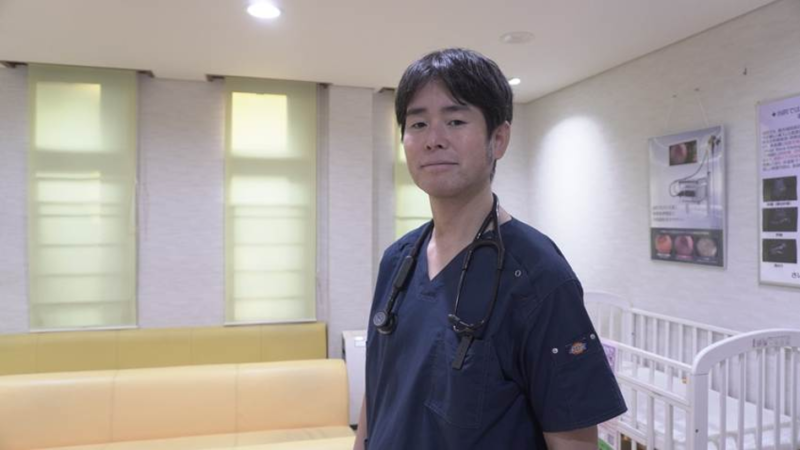
Our clinic takes a “dual track” approach: conducting standard insurance-covered treatment thoroughly while simultaneously providing liver regenerative medicine. We also offer online pre-consultation for those throughout Japan. Let’s nurture hope for your future together.
さいとう内科クリニック
院長:斉藤 雅也 Masaya Saito
- 日本内科学会認定医
- 日本肝臓学会専門医
- 日本消化器病学会専門医
- 日本超音波医学会専門医
- 日本消化器内視鏡学会専門医
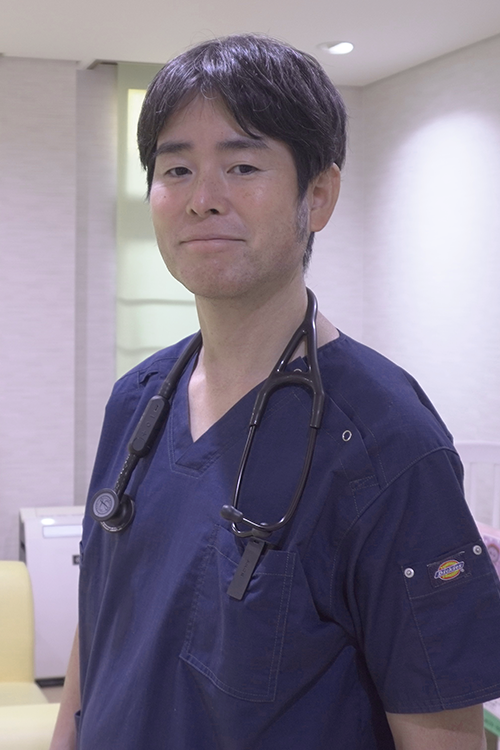
神戸大学医学部附属病院等の最前線で長年消化器・肝臓内科の臨床と研究に従事。医学博士。 標準治療では回復が困難な進行した肝炎や肝硬変に対し、新たな選択肢としての「肝臓再生医療」にいち早く取り組む。また、肝硬変患者さまの中で合併症(潜在性肝性脳症)を有する割合を明らかにし、カルニチンによる潜在性肝性脳症の治療効果を世界で初めて報告するなど、国際的な英文医学誌への論文掲載実績も多数(代表論文:Hepatol Res 2016; 46(2): 215-224)。科学的根拠に基づいた高度な専門知識と精緻な診断で、患者様の肝臓を守るサポートを行っています。
≫ 詳しい経歴や全研究実績はこちら
- 院長
- 斉藤雅也 Masaya Saito
日本肝臓学会 肝臓病専門医 Hepatologist, The Japan Society of Hepatology - 所在地
- 〒651-2412
兵庫県神戸市西区竜が岡1-15-3
(駐車場18台あり) - 電話
-
- 電話:078-967-0019
- 携帯電話:080-7097-5109
- アクセス
- 当院は、神戸市西区と明石市の境界付近に位置しており、明石市からも徒歩圏内です。実際に、明石市方面からも多くの患者様(肝臓病・一般内科)にご来院いただいております。駐車場も完備しておりますので、お車での通院も便利です。