- 2026年4月8日
- 2026年7月14日
A Liver Specialist Explains: The True “Good” and “Bad” Foods for Your Liver / Lifestyle Habits to Care for Liver Function
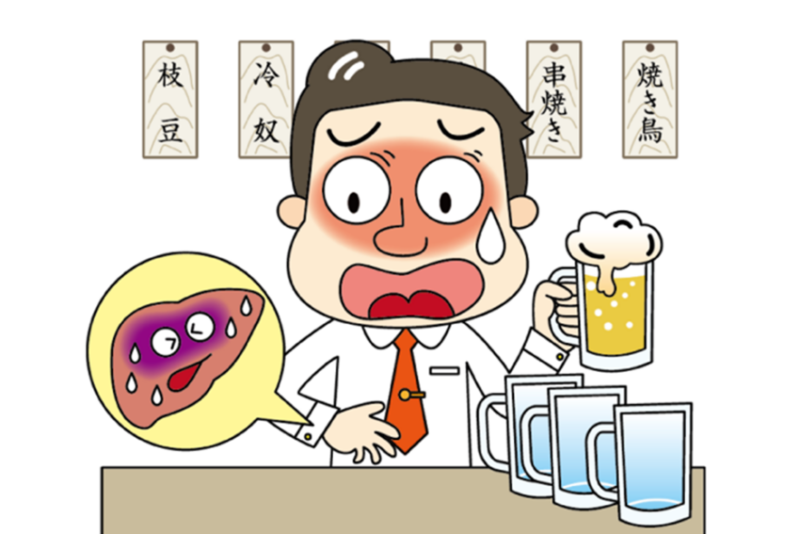
“My health checkup numbers were a bit off.”
“I want to start a good diet for my liver.”
“What exactly are ‘good foods for the liver’?”
I often receive these kinds of questions from people who have started to become conscious of their liver health.
The liver is an organ with extremely high regenerative capabilities, and it is no exaggeration to say that your daily diet builds your future liver. However, it is also true that the world is flooded with information like “This works for the liver,” making it difficult to know what is actually correct.
In this article, from the perspective of a liver specialist, I will share the true “good foods” and “bad foods” for the liver, as well as overall lifestyle habits for liver recovery.
■1. The “Truly Good Foods” that Care for the Liver
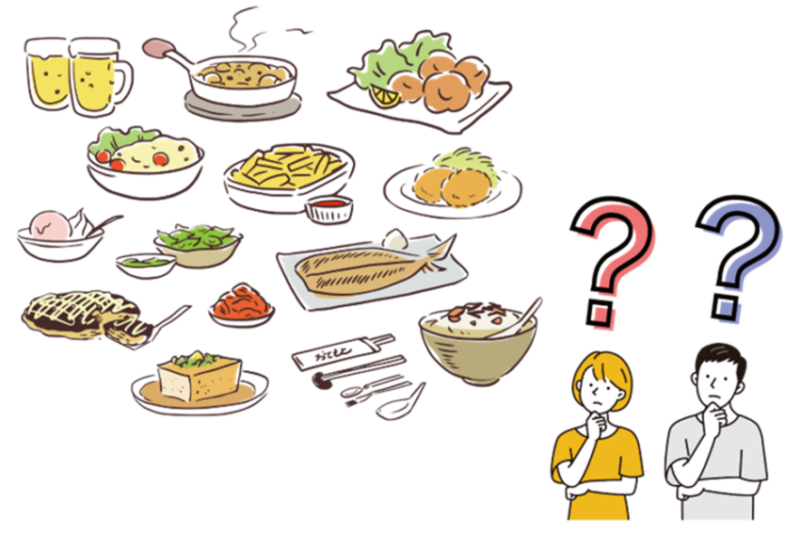
First, as a major premise, there is no magical superfood that will “improve your liver just by eating this.” The most important thing is “balance.” With that in mind, I will introduce nutrients and ingredients that specifically support liver function.
① High-Quality Protein
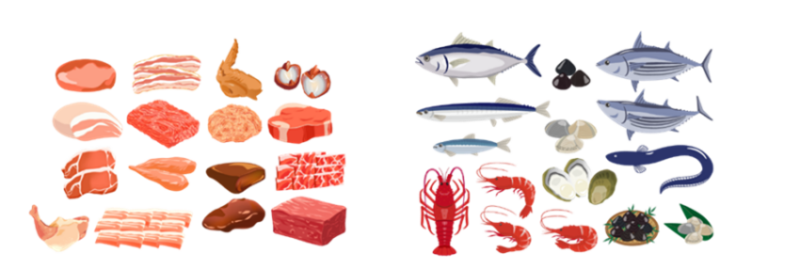
The liver constantly regenerates and repairs itself even when damaged. Protein is the most important nutrient that serves as the “building block” for these liver cells.
- Examples: Soy products like tofu and miso, beef, pork, chicken, chicken tenders, white fish (cod, flounder, etc.)
- Point: Avoid fatty meats (like pork belly) and choose high-protein, low-fat ingredients.
② Dietary Fiber (Vegetables, Mushrooms, Seaweed)
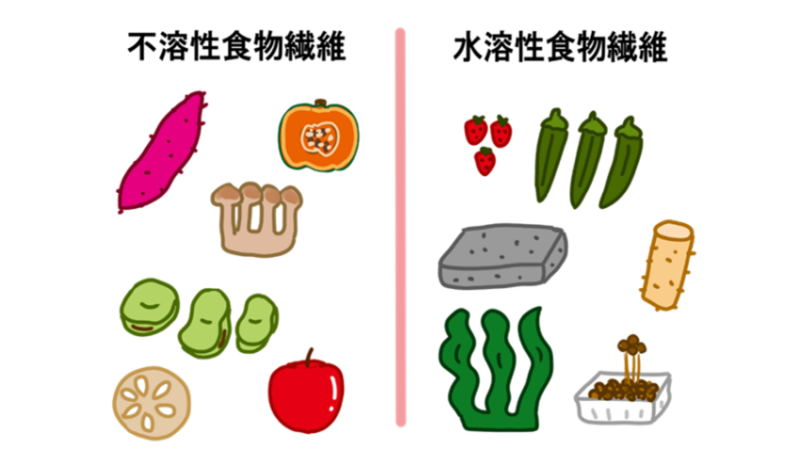
Dietary fiber works to condition the intestinal environment. The intestines and the liver are closely related (gut-liver axis), and when the intestinal environment deteriorates, harmful substances are generated, placing a burden on the liver.
- Examples: Vegetables (especially broccoli, spinach, burdock root), mushrooms, seaweed (wakame, hijiki)
- Point: Since it also has the effect of moderating the absorption of sugar and lipids, eating “vegetables first” at the beginning of a meal is highly recommended.
③ Taurine and Ornithine
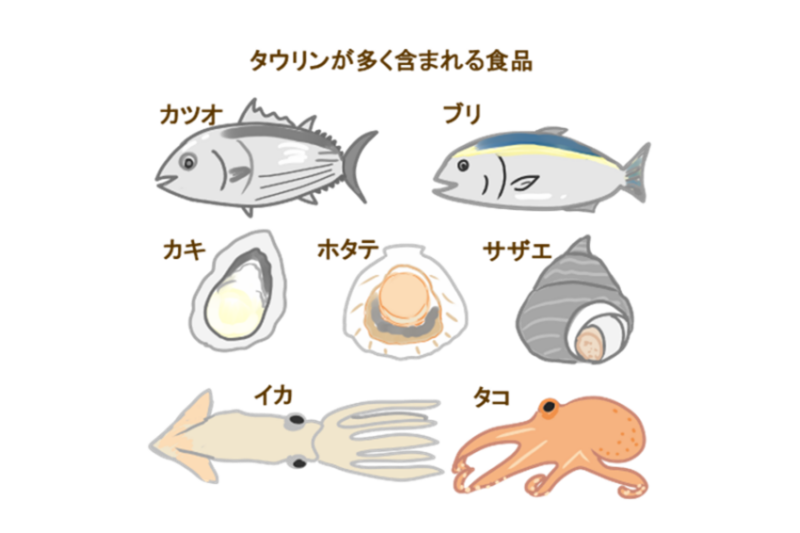
These are types of amino acids that support liver functions (detoxification, bile secretion). The director of our clinic has reported in an English-language medical journal that taurine is involved in the improvement of hepatic encephalopathy.
Hepatol Res 2016; 46(2): 215-224.DOI: 10.1111/hepr.12565.
- Ingredients rich in taurine: Squid, octopus, shrimp, shellfish (clams, oysters, scallops, etc.)
- Ingredients rich in ornithine: Shijimi (freshwater clams)
■2. Avoid These at All Costs! “Bad Foods and Drinks” That Burden the Liver
When caring for your liver, “avoiding the bad things” is even more important than “consuming the good things.”
① Alcohol

Needless to say, it causes the most direct damage to the liver. The harmful substance “acetaldehyde,” generated during the breakdown of alcohol, directly damages liver cells.
- Countermeasure: If your liver function numbers are poor, first “abstain from alcohol.” Even if that is difficult, set aside “rest days for your liver” at least two days a week and strictly observe moderate drinking.
② High Fructose Corn Syrup (Isomerized Sugar)
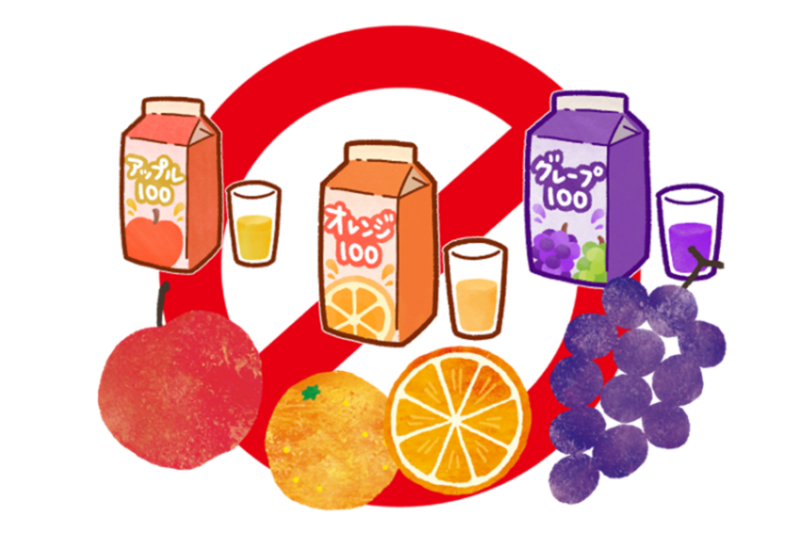
This is a sweetener used in juices, soft drinks, dressings, yakiniku sauces, etc.
- Why it’s bad: Fructose is almost entirely metabolized in the liver when consumed and easily turns into Triglycerides. It is considered one of the biggest causes of “fatty liver in non-drinkers (MASLD/MASH).”
③ Bad Lipids (Trans Fats and Saturated Fats)
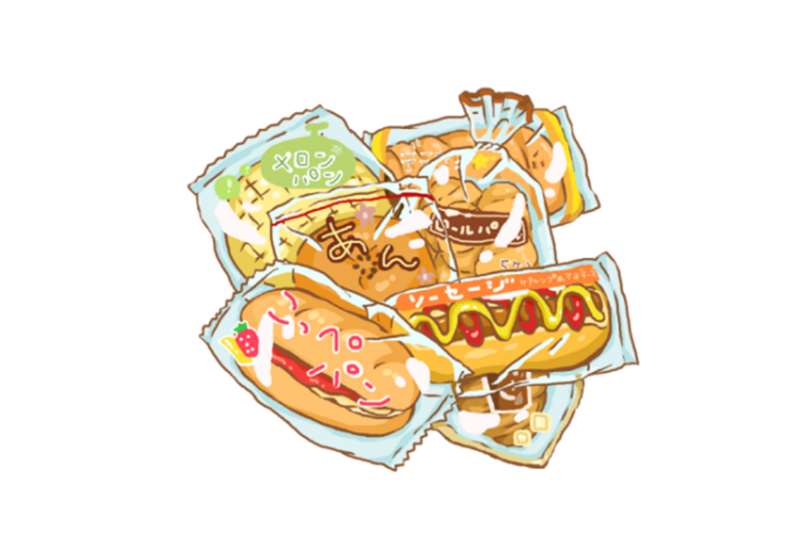
These accumulate in the liver as riglycerides and lead to fatty liver.
- Trans fats: Margarine, shortening, snacks, sweet breads, fast food
- Saturated fats: Butter, fresh cream, instant ramen
■3. Myth or Fact? Common Sayings About the Liver
I will answer questions I frequently receive from patients.
Q1. Is turmeric good for the liver?
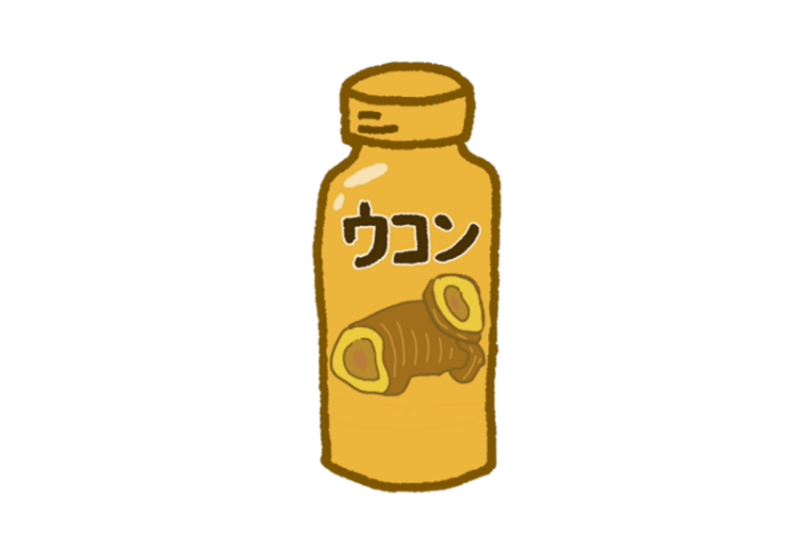
A1. It is true that “curcumin” contained in turmeric has an antioxidant effect. However, it has been reported that excessive intake via supplements carries the risk of actually causing “drug-induced liver injury.” Using it as a spice in cooking is not a problem, but it is a misunderstanding to think that “taking it in large amounts through supplements will improve the liver.”
Q2. Is shijimi clam soup effective for hangovers (the liver)?
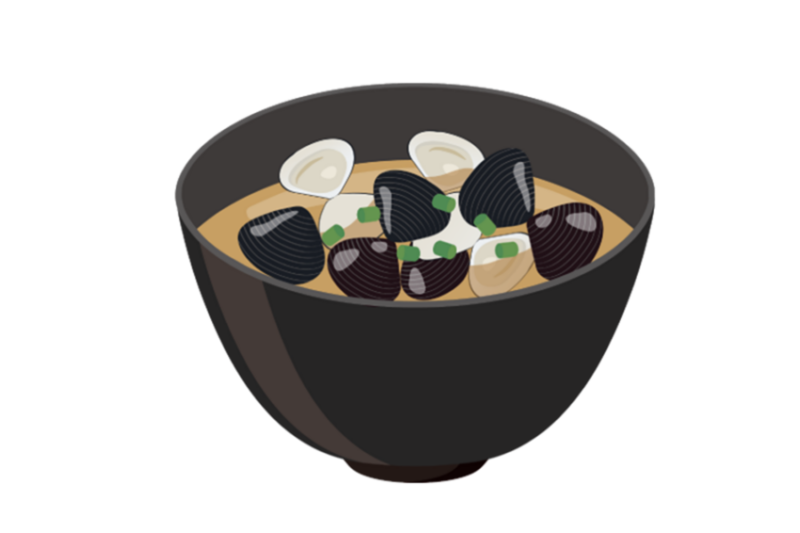
A2. The “ornithine” in shijimi helps the ammonia detoxification cycle in the liver, so a certain effect in alleviating hangover symptoms can be expected. However, drinking shijimi soup does not cancel out the damage to the liver caused by alcohol. Consider it only as a supporting role.
■4. Lifestyle Habits Other Than Diet to “Recover the Liver”
To recover the liver, lifestyle habits other than diet are also extremely important.
1.Moderate Exercise (Especially Aerobic Exercise)

Exercise is essential to burn “Triglycerides,” which is the biggest cause of fatty liver.
- Guideline: It is ideal to continue aerobic exercise that feels “somewhat hard,” such as walking, jogging, or swimming, for at least 30 minutes per session, 3 or more times a week.
2.Quality Sleep

The liver is most active while we sleep (especially late at night), performing cell repair and detoxification.
- Guideline: Secure 6 to 7 hours of uninterrupted sleep every night and avoid staying up late.
3.Stress Management

Strong stress easily leads to binge eating or increased alcohol consumption, indirectly placing a burden on the liver. It is also important to make time for relaxing hobbies and try not to accumulate stress.
■Self-Care is the First Step to Prevention. If Your Numbers Are Bad, See a Liver Specialist
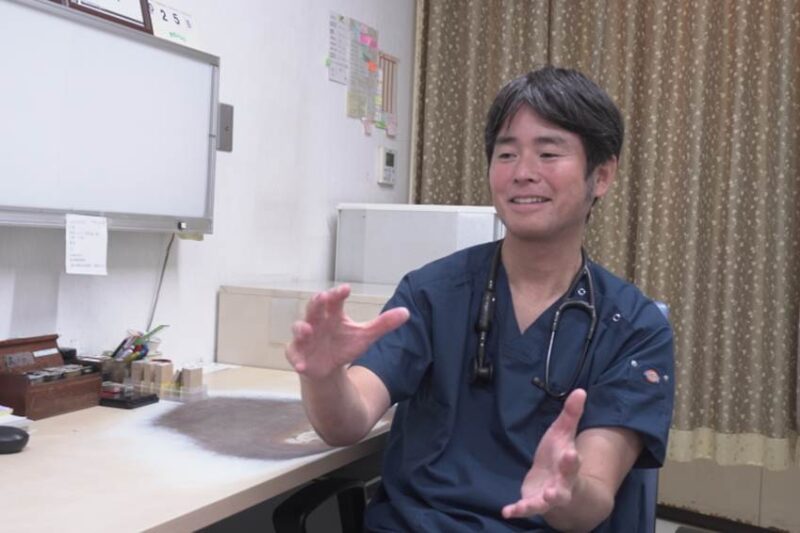
Liver health is built by accumulating basic lifestyle habits every day: “diet,” “exercise,” and “sleep.”
While it is important to look for “foods that lower liver numbers,” it is often more effective to start with the “subtraction” of avoiding alcohol, bad lipids, and fructose.
These self-care practices are highly effective for the “prevention” of liver disease. However, if you have already been diagnosed with a “liver function abnormality” at a health checkup, please do not wait and see based on your own judgment; be sure to consult a liver disease specialist.
Accurately grasping the current state of your liver (whether it is fatty liver or if inflammation is occurring) and determining the correct treatment plan, including medication, is the most certain way to prevent future cirrhosis and liver cancer.
さいとう内科クリニック
院長:斉藤 雅也 Masaya Saito
- 日本内科学会認定医
- 日本肝臓学会専門医
- 日本消化器病学会専門医
- 日本超音波医学会専門医
- 日本消化器内視鏡学会専門医
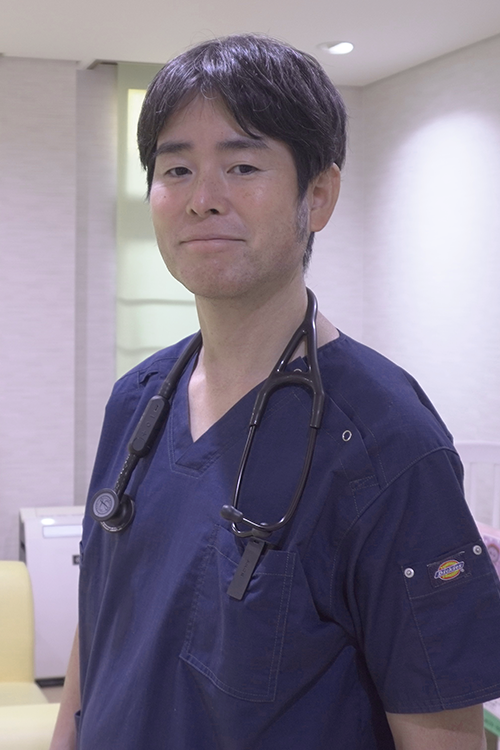
神戸大学医学部附属病院等の最前線で長年消化器・肝臓内科の臨床と研究に従事。医学博士。 標準治療では回復が困難な進行した肝炎や肝硬変に対し、新たな選択肢としての「肝臓再生医療」にいち早く取り組む。また、肝硬変患者さまの中で合併症(潜在性肝性脳症)を有する割合を明らかにし、カルニチンによる潜在性肝性脳症の治療効果を世界で初めて報告するなど、国際的な英文医学誌への論文掲載実績も多数(代表論文:Hepatol Res 2016; 46(2): 215-224)。科学的根拠に基づいた高度な専門知識と精緻な診断で、患者様の肝臓を守るサポートを行っています。
≫ 詳しい経歴や全研究実績はこちら
- 院長
- 斉藤雅也 Masaya Saito
日本肝臓学会 肝臓病専門医 Hepatologist, The Japan Society of Hepatology - 所在地
- 〒651-2412
兵庫県神戸市西区竜が岡1-15-3
(駐車場18台あり) - 電話
-
- 電話:078-967-0019
- 携帯電話:080-7097-5109
- アクセス
- 当院は、神戸市西区と明石市の境界付近に位置しており、明石市からも徒歩圏内です。実際に、明石市方面からも多くの患者様(肝臓病・一般内科)にご来院いただいております。駐車場も完備しておりますので、お車での通院も便利です。